
Tucked between Barcelona’s beaches and the innovative 22@ tech district, Poblenou offers visitors an authentic slice of Barcelona life that feels worlds away from the crowded tourist thoroughfares of Las Ramblas. This former industrial neighborhood has transformed into one of the city’s most dynamic areas—a creative hub where converted factories house design studios and galleries, traditional markets thrive alongside trendy brunch spots, and locals still outnumber tourists on golden Mediterranean beaches.
If you’re still planning your visit to the city, this Barcelona Travel Guide covers everything you need to know before you arrive.
What Makes Poblenou Special
From Factories to Creative District
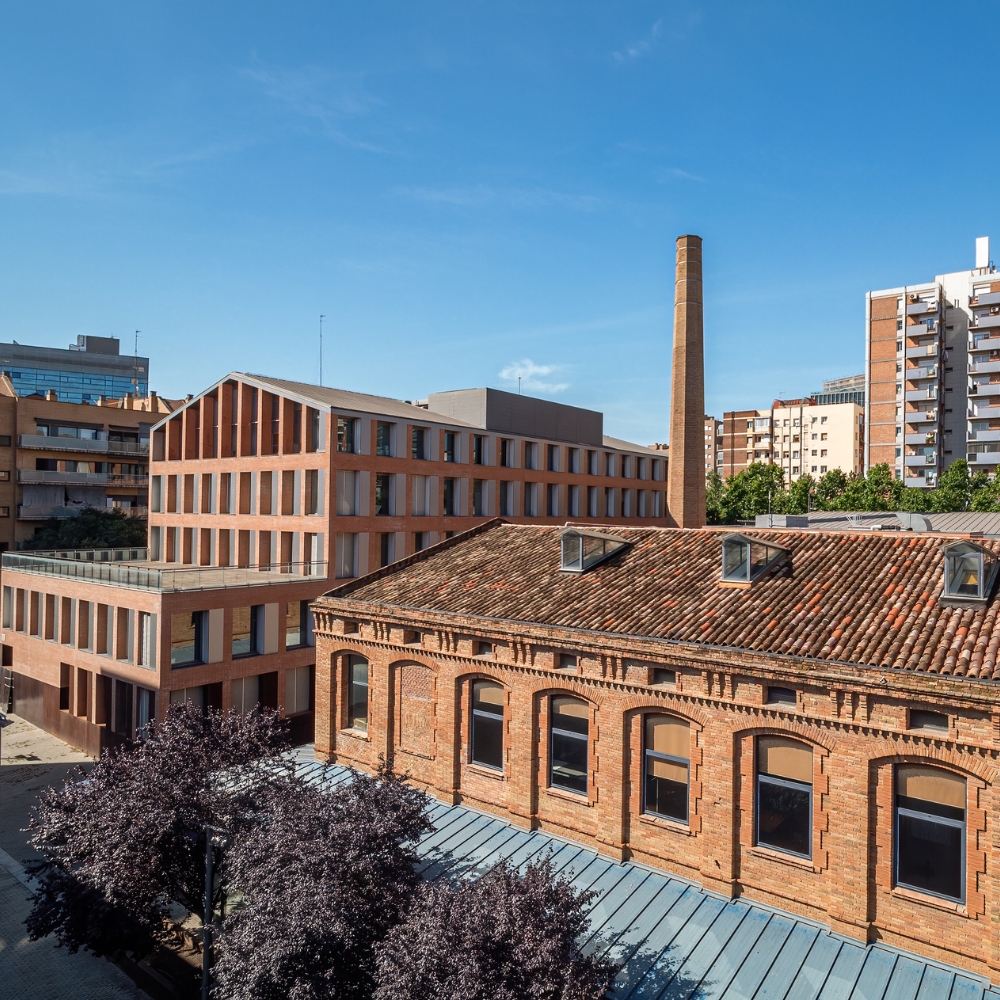
In the 19th and early 20th centuries, Poblenou was known as the “Catalan Manchester”—Barcelona’s manufacturing heartland filled with textile mills and warehouses. When manufacturing declined in the late 20th century, the ambitious 22@ innovation district initiative transformed obsolete industrial buildings into tech offices, design studios, and creative workspaces. Many original factory structures were preserved and converted, giving the neighborhood its distinctive character—19th-century brick chimneys rising alongside glass-and-steel contemporary architecture.
This transformation brought young professionals, artists, and international residents, attracted by the creative energy and beach proximity. Yet Poblenou has retained more authenticity than many gentrifying neighborhoods. Traditional residents still live here, multigenerational families shop at the same markets their grandparents frequented, and neighborhood identity remains distinct. This mixture—traditional and contemporary, local and international, working-class roots and creative-class present—makes Poblenou fascinating.
Beach Life Without the Resort Feel
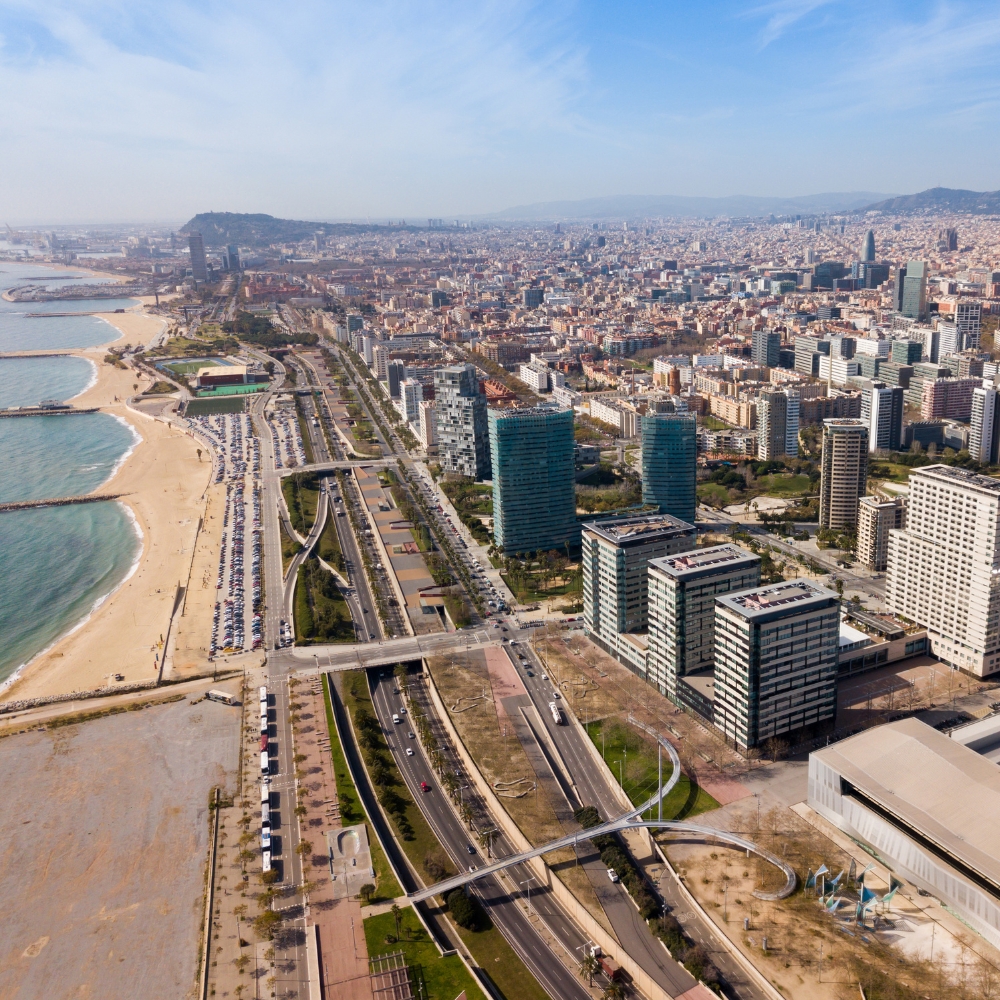
Unlike purpose-built beach resorts, Poblenou’s beaches feel like actual city beaches—places where locals swim, sunbathe, and socialize. The beaches—Bogatell, Mar Bella, and Nova Icària—offer excellent facilities including showers, bathrooms, lifeguards, beach volleyball courts, and seasonal chiringuito beach bars.
What makes these beaches special is their integration into authentic urban life. You’re sharing beach space with Barcelona residents—families, groups of friends, elderly couples, LGBTQ+ beachgoers (particularly at Mar Bella’s southern section), creating more balanced proportions than beaches closer to the city center.
Authentic Neighborhood Life
Perhaps Poblenou’s greatest appeal is its genuine residential character. The Rambla del Poblenou, a tree-lined pedestrian boulevard, serves as the neighborhood’s social artery with traditional markets, local shops, cafés, and playgrounds where neighborhood life unfolds naturally.
This authenticity means Poblenou won’t overwhelm you with non-stop famous attractions. Instead, the neighborhood offers the pleasures of simply being in a real place—morning coffee where the owner recognizes regulars, browsing markets where vendors have sold produce for decades, discovering small gallery openings, or watching sunset alongside Barcelona residents.
What to See and Do
Mercat de Poblenou
This covered market, operating since the 1950s in a distinctive octagonal modernist building, provides essential Poblenou experience. Inside you’ll find vendors selling fresh produce, seafood, meats, cheeses, and prepared foods. The market functions primarily as neighborhood shopping infrastructure, making it all the more interesting for observing what actual residents buy for daily meals.
Several market stalls have evolved into casual restaurants where you can eat fresh market ingredients prepared simply, offering excellent value and authentic atmosphere. Visit in the morning when it’s most active and selection is freshest. The market is located on Plaça de la Unió, easily reached via metro (Poblenou station).
The Beaches
- Platja del Bogatell is the most popular, attracting diverse crowds with wide sandy beaches and beach volleyball courts seeing constant use.
- Platja de la Mar Bella includes Barcelona’s official nudist section, creating a more open, alternative vibe with younger, more diverse crowds including significant LGBTQ+ presence.
- Platja de la Nova Icària, just outside Poblenou, is particularly family-friendly with playgrounds and calmer atmosphere.
All beaches offer excellent facilities with lifeguards during summer months (June-September, 10:00 AM-7:00 PM). Water temperatures reach comfortable 24-26°C (75-79°F) in summer. The beachfront promenade provides excellent walking and cycling for kilometers with sea views and car-free safety.
Beach tips: Arrive before 11:00 AM for better positioning; never leave valuables unattended; bring sunscreen; respect the no-smoking ban; topless sunbathing is normal while full nudity is restricted to designated areas.
Rambla del Poblenou
This pedestrian boulevard, shaded by mature plane trees, captures neighborhood life perfectly. Unlike the famous Rambla in central Barcelona, Rambla del Poblenou serves primarily local residents. Simply walking its length provides excellent neighborhood observation—children playing while parents chat, elderly residents on morning walks, neighbors greeting each other.
Several good cafés offer perfect spots for lingering over coffee while watching neighborhood life unfold. Weekend mornings bring particularly pleasant atmosphere with families out for late breakfast.
Parks and Green Spaces
- Parc del Centre del Poblenou provides multi-level green space with children’s playgrounds, sports courts, exercise areas, and walking paths. The park serves primarily local residents, making it interesting for observing everyday neighborhood life.
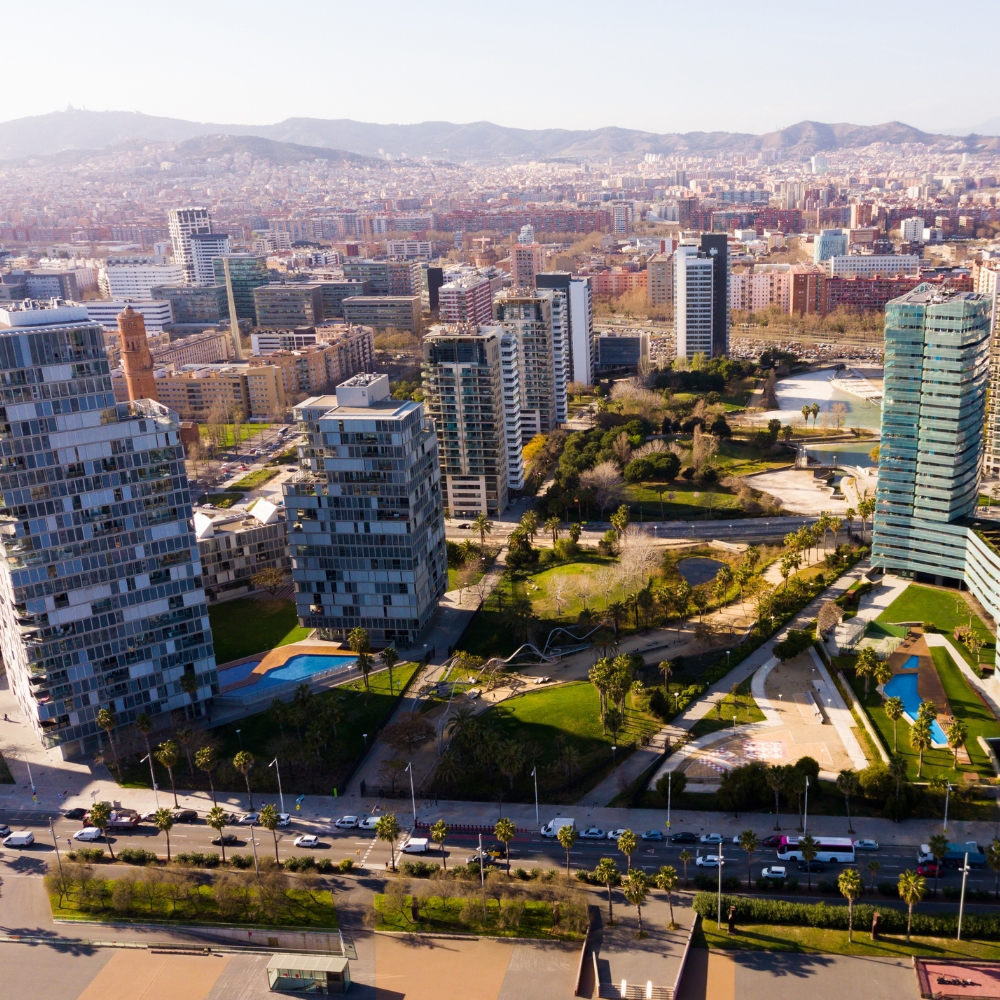
- Parc de Diagonal Mar, at Poblenou’s northeastern edge, features dramatic landscape design with an angular geometric lake, artificial hills, and extensive lawns—rare urban openness worth visiting if you enjoy contemporary landscape architecture.
Palo Alto Market
This monthly market (typically first weekend of each month—check online) transforms an open-air space near the beach into a creative marketplace. Independent designers sell clothing and art, vintage vendors offer curated finds, food trucks serve diverse cuisines, and live music creates festival atmosphere. The market attracts young, creative crowds and provides insight into Barcelona’s contemporary creative culture.
Architecture and Street Art
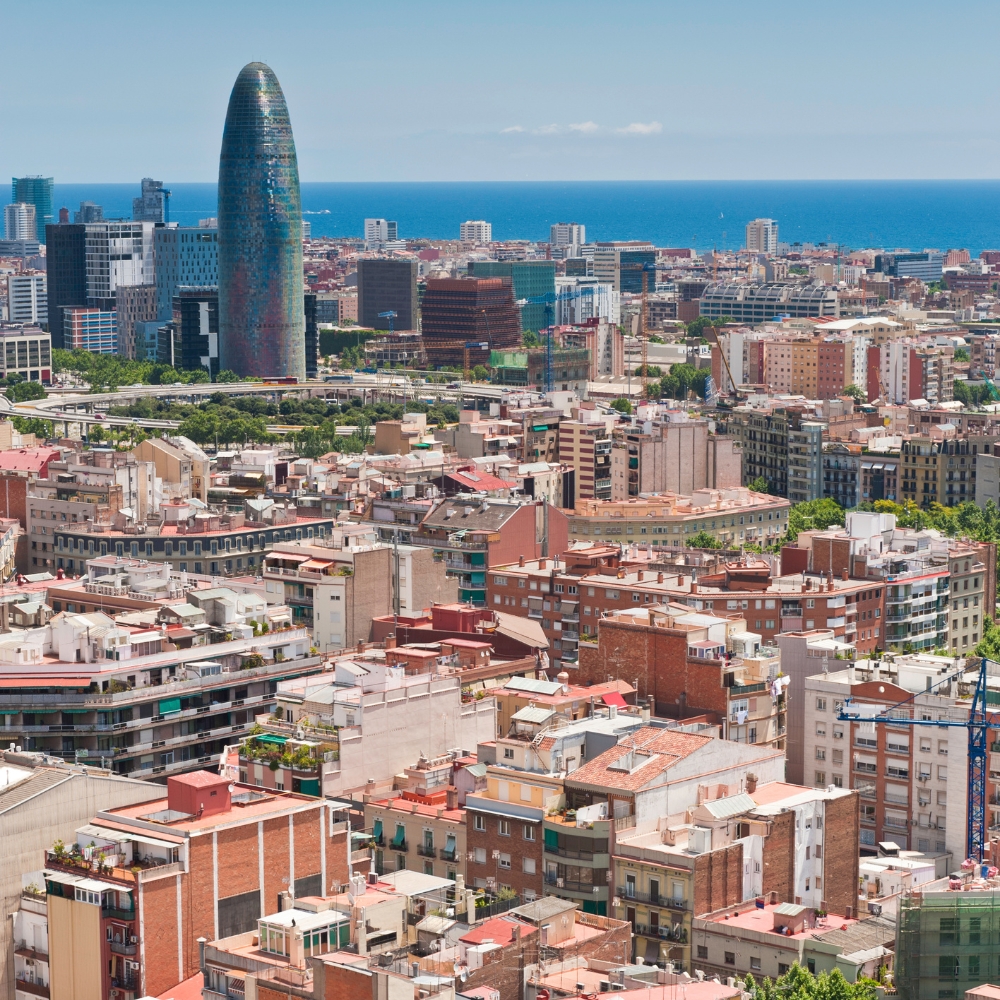
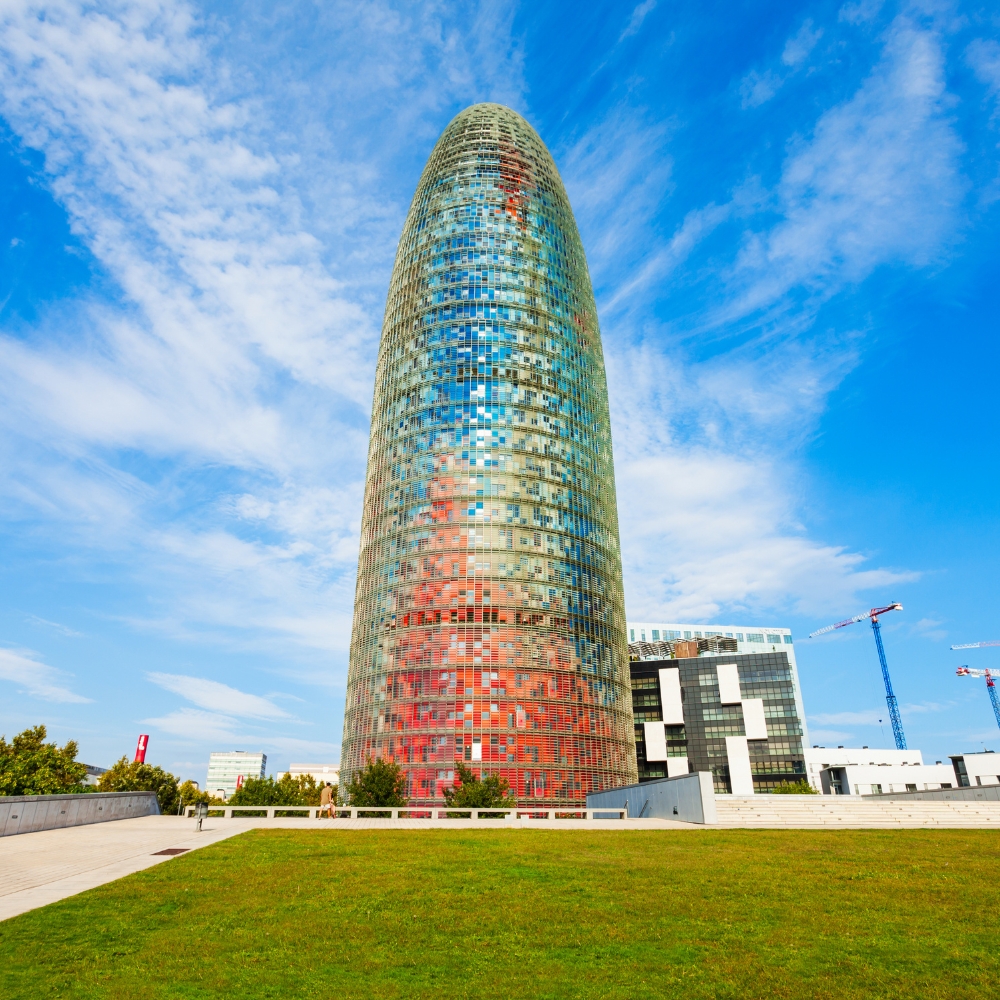
Poblenou’s mixture of industrial heritage and contemporary buildings creates interesting urban landscape. Wander streets to encounter 19th-century factory buildings with brick facades and tall chimneys, converted warehouses, and cutting-edge contemporary architecture like the Torre Glòries (formerly Torre Agbar), the bullet-shaped glass tower by Jean Nouvel.
Large-scale murals transform blank walls into public art throughout the neighborhood, with some pieces honoring working-class heritage while others represent contemporary artistic expression.
Where to Stay
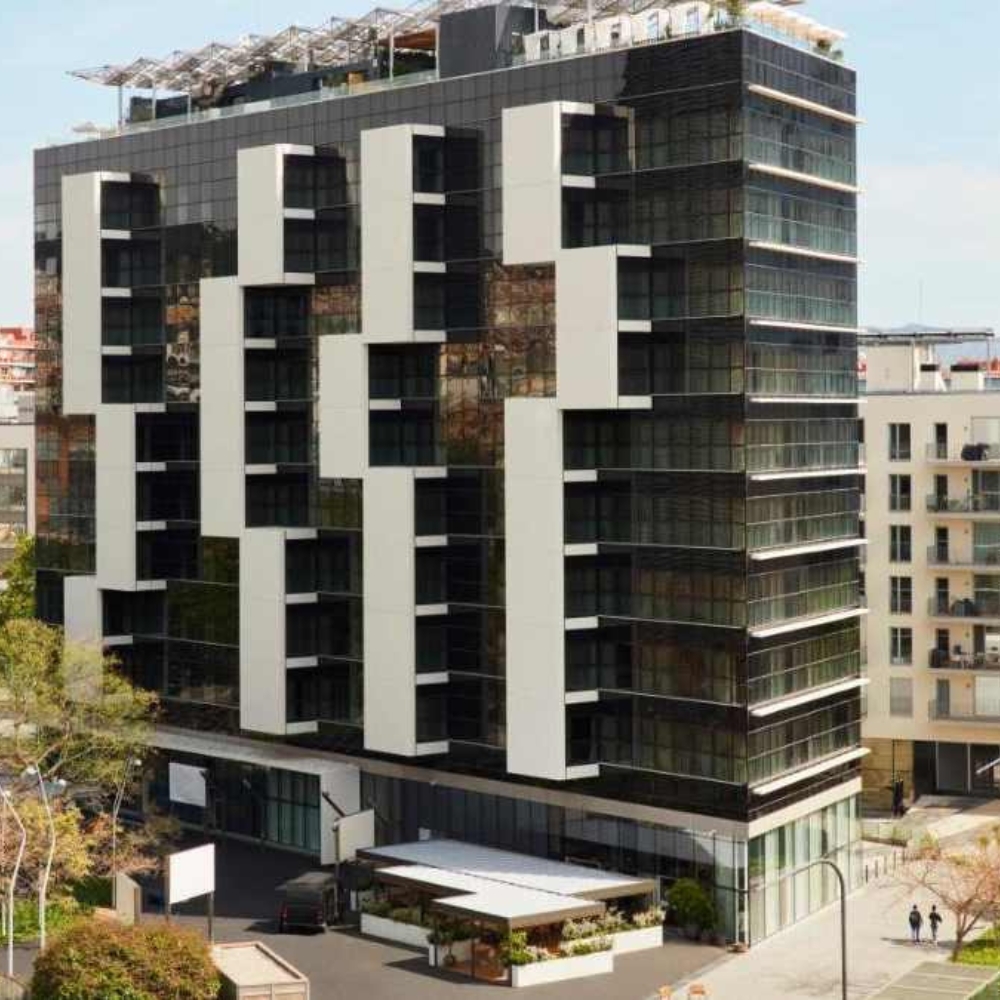
Poblenou offers diverse accommodation from budget hostels to upscale hotels, though fewer large chain hotels than central Barcelona—which many consider an advantage. Of course, Poblenou is just one of many compelling options for where you base yourself—if you’re still deciding, this guide to Barcelona neighborhoods will help you find the area that best suits your travel style and priorities.
- Hotels: Mid-range and boutique hotels provide comfortable accommodation at prices generally lower than equivalent central Barcelona hotels. Location considerations: hotels closer to the beach maximize beach access but position you farther from metro stations; hotels near Glòries provide better public transportation access but require walking or short trips to beaches.
- Vacation Rentals: Apartments offer alternatives particularly for longer stays or families. However, only properties with official tourist licenses (beginning with HUTB) are legal. Verify licensing when booking and check exact locations carefully.
- Hostels: Several hostels offer dorm beds and private rooms at significant savings, generally attracting slightly more mature, less party-oriented crowds than those in El Raval or Gothic Quarter.
- Timing: High season (July-August) brings maximum prices—book well in advance. Shoulder seasons (May-June, September-October) offer better value with good weather. Winter delivers lowest prices but cooler beach conditions.
Where to Eat and Drink
Poblenou’s dining reflects neighborhood character—traditional local spots and newer establishments catering to creative-class newcomers and international visitors.
Recommended Restaurants
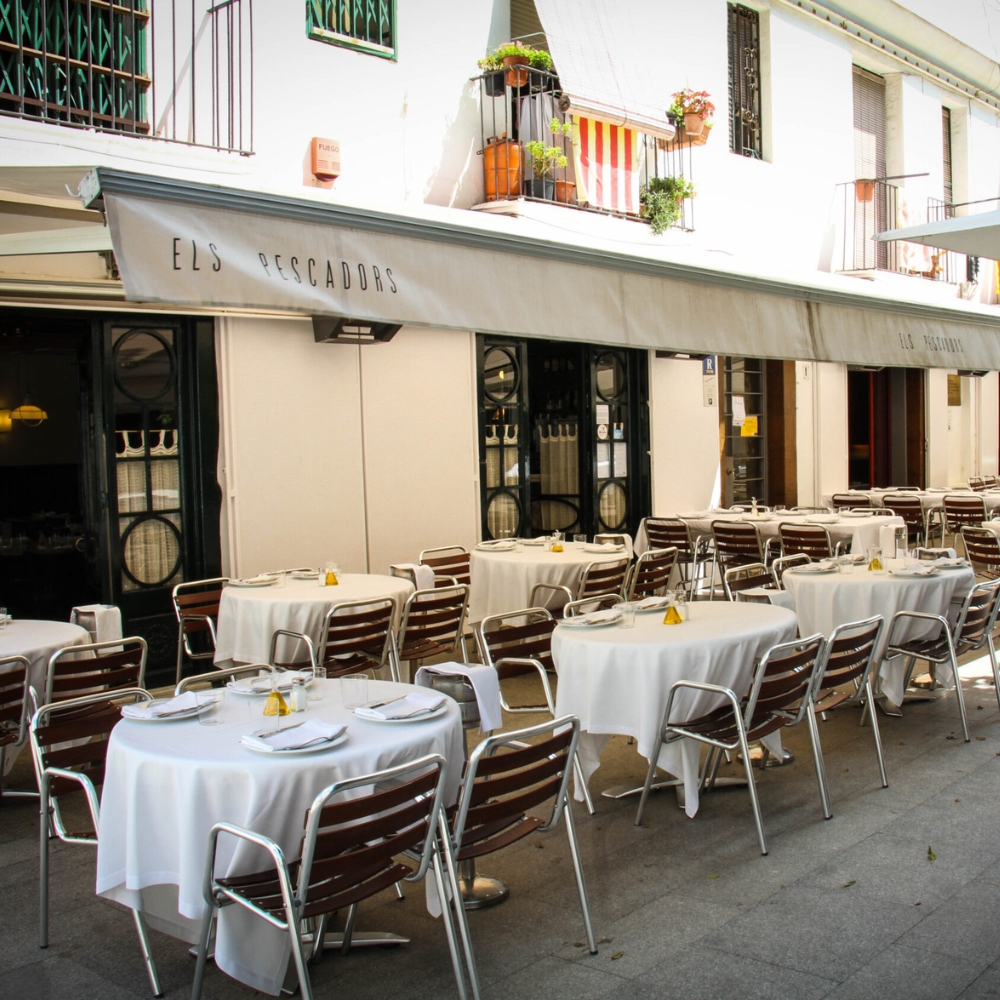
- Els Pescadors: Well-established restaurant specializing in seafood and traditional Catalan cuisine with elegant yet relaxed setting. Moderate to high prices. Reservations recommended.
- Can Recasens: Classic neighborhood tavern serving traditional tapas in rustic atmosphere. Genuinely local with authentic Catalan character, generous portions, and reasonable prices. Cash only.
- Barraca: Rice specialist at Barceloneta beach serving outstanding paellas with contemporary presentations and beachfront terrace. Higher prices but excellent quality. Reservations essential.
- La Pepita del Mercat: Market stall/restaurant hybrid serving excellent seafood and tapas using fresh market ingredients at very reasonable prices. Popular with neighborhood residents at lunch.
Cafés and Brunch
- Federal Café: Australian-style café serving excellent coffee, hearty breakfasts, and healthy food in bright, modern space with moderate prices.
- Satan’s Coffee Corner: Specialty coffee shop serving outstanding espresso drinks and light food, attracting laptop workers and coffee enthusiasts.
Traditional Bars
- Bar Primavera: Classic neighborhood bar serving vermouth, beer, and simple tapas to local clientele. Authentically working-class Barcelona with straightforward drinks in unpretentious surroundings.
Practical Dining Tips
- Meal Times: Lunch typically runs 2:00-4:00 PM, dinner 9:00-11:00 PM. Many restaurants close between services (4:00-8:00 PM).
- Menú del Día: Weekday lunch menus offer multiple courses including drink at set prices—excellent value.
- Tipping: Service is included in prices. Rounding up or small amounts for good service is appreciated but not obligatory.
Nightlife
Poblenou’s nightlife is more low-key than party districts, reflecting its residential character.
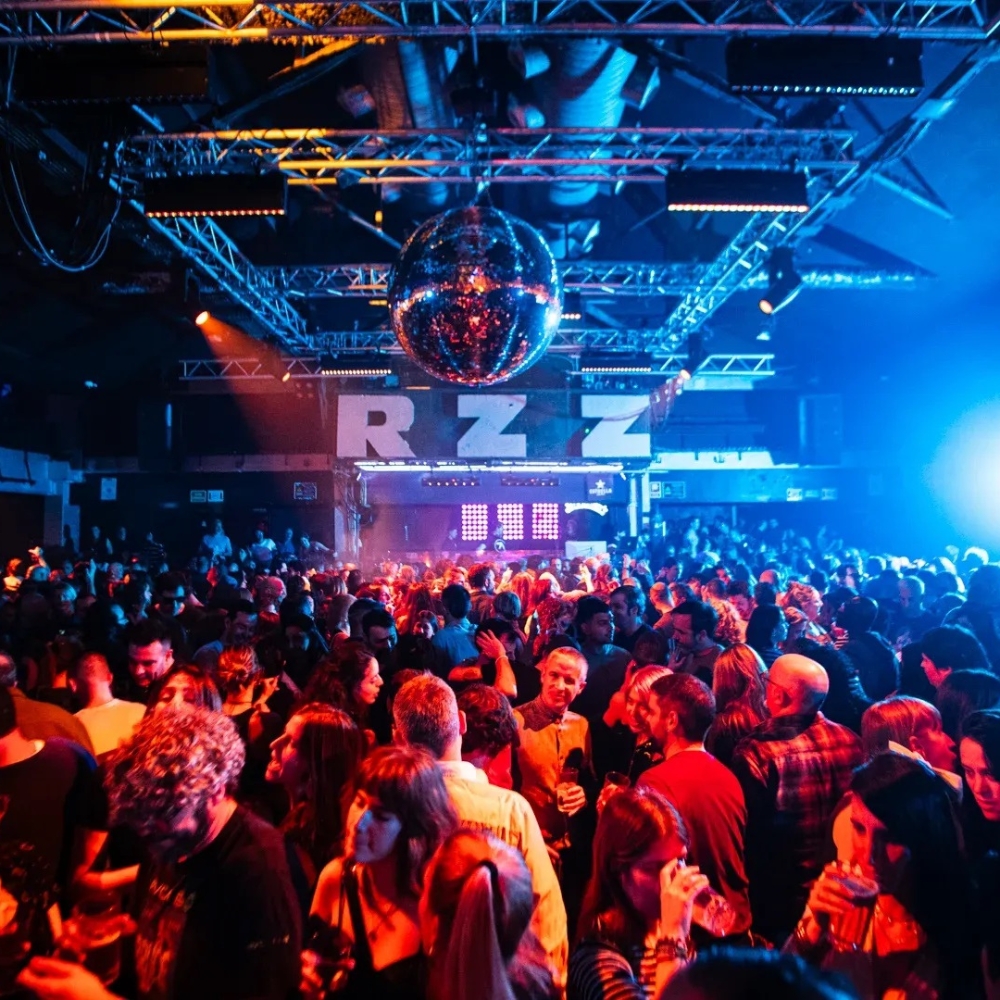
- Razzmatazz: Legendary Barcelona venue near Bogatell metro hosting live concerts and club nights across multiple rooms with different music styles. One of Barcelona’s most important music venues.
- Garage Beer Co: Microbrewery and taproom serving house-made craft beers in industrial-chic space. Good food menu and popular with beer enthusiasts.
- La Cervecita Nuestra de Cada Día: Craft beer bar with extensive selections of Spanish and international beers in casual atmosphere. Often crowded with locals on weekend evenings.
Beach clubs like Opium Barcelona and Pacha Barcelona transform into nighttime destinations during summer, featuring international DJs and electronic music with higher cover charges and drink prices, although these clubs are located in nearby Barceloneta.
Barcelona’s nightlife starts late—clubs don’t fill until midnight or 1:00 AM, with peak energy between 2:00-4:00 AM.
Getting Around
Public Transportation
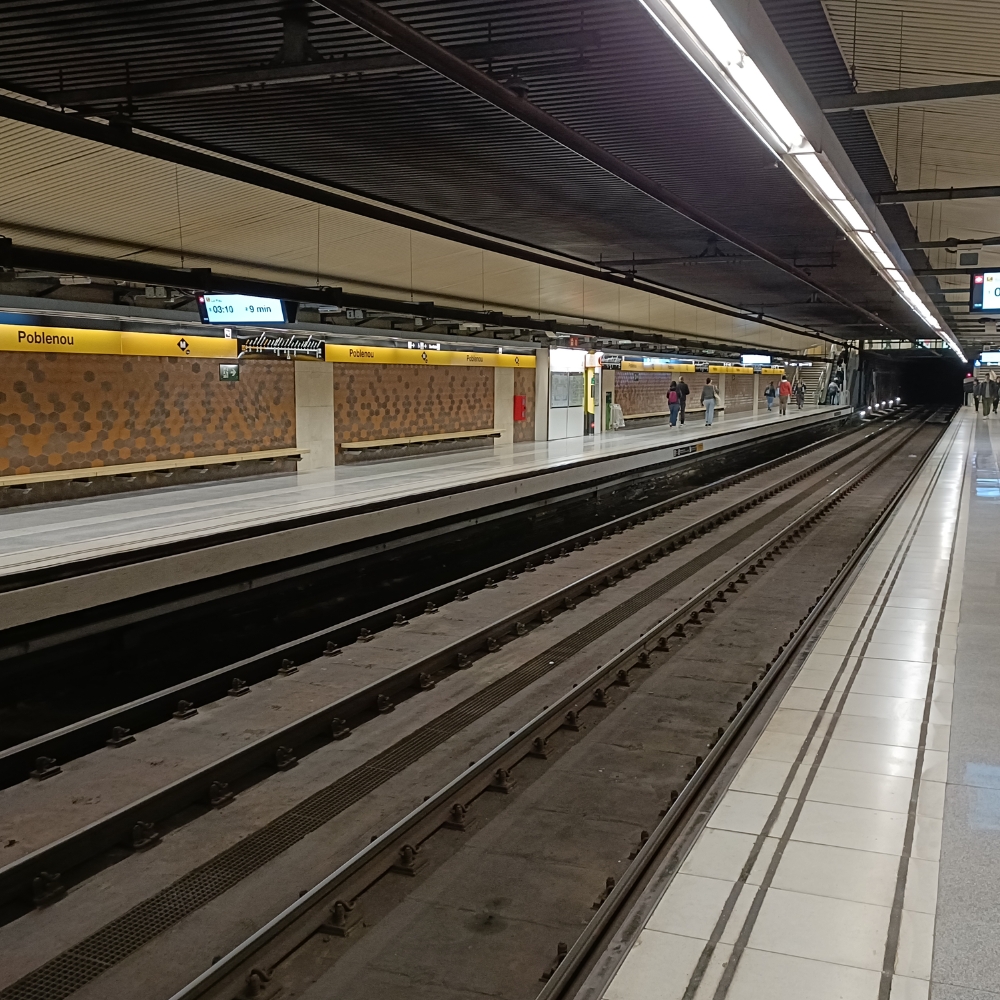
- Metro: L4 (yellow line) runs through Poblenou with stations at Poblenou, Llacuna, Bogatell, and Selva de Mar, connecting to central Barcelona. Journey from Poblenou station to Passeig de Gràcia takes approximately 15 minutes. Metro operates 5:00 AM-midnight weekdays, until 2:00 AM Fridays, and 24 hours Saturdays. Single tickets cost €2.40; ten-journey cards (T-Casual) cost €11.35 and provide significant savings across metro, bus, and tram.
- Buses: Multiple lines cross Poblenou connecting beaches, central Barcelona, and other neighborhoods. Night buses (Nitbus) operate after metro closes.
Walking and Cycling
Poblenou is highly walkable with pedestrian-friendly streets. Walking from Poblenou metro to Bogatell beach takes approximately 15 minutes.
Barcelona’s cycling infrastructure includes dedicated bike lanes throughout Poblenou. The flat terrain makes cycling easy. Various rental shops offer daily/weekly bicycle rentals (approximately €10-15 daily). Electric scooter services (Lime, Tier) provide convenient short-distance transport.
Airport Transfer
Barcelona-El Prat Airport sits approximately 20km from Poblenou:
- Aerobus: Express buses run every 5-10 minutes to Plaça Catalunya (€5.90 one-way), then take metro L4 to Poblenou. Total journey approximately 60 minutes.
- Taxi: Fixed-rate taxis cost approximately €30-35, taking 30-40 minutes depending on traffic.
Practical Information
When to Visit
- Summer (June-September): Peak beach season with warmest weather (25-32°C), longest days, but maximum crowds and highest prices.
- Shoulder Season (April-May, October-November): Ideal for many visitors—pleasant weather (15-25°C), moderate crowds, reasonable prices. Beach swimming possible for those tolerating cooler water.
- Winter (December-March): Least expensive and least crowded with mild temperatures (8-15°C). Beach activities less appealing but suits visitors prioritizing culture and dining.
Budget Considerations
- Accommodation: €80-150 nightly for mid-range hotels in shoulder season, €120-200+ in summer. Hostels from €25-40 for dorm beds.
- Meals: Menú del día lunches €12-18. Casual dinners €15-30 per person. Nicer restaurants €40-60+.
- Overall Daily Budget: Budget travelers: €50-70 daily. Mid-range travelers: €100-150 daily. Comfortable budget: €200+ daily per person.
Final Tips
- Learn Basic Phrases: Even minimal Catalan or Spanish demonstrates respect. “Bon dia” (good morning), “gràcies” (thank you), and “perdoni” (excuse me) in Catalan go far.
- Respect Local Rhythms: Adapt to Spanish meal times and schedules. Shops close for lunch (roughly 2:00-5:00 PM), dinner starts late, and rushing conflicts with Mediterranean culture’s relaxed pace.
- Support Local Businesses: Choose neighborhood restaurants, shops, and services over international chains when possible for more authentic culture and greater local impact.
- Be a Respectful Visitor: Remember you’re in someone’s neighborhood, not a theme park. Keep noise down, be aware of residents, clean up after yourself, and contribute positively.
Poblenou offers Barcelona visitors something increasingly rare in popular European destinations—authentic neighborhood life alongside beach beauty, creative energy without tourist saturation, and local culture that welcomes visitors without pandering to them.
Whether you’re seeking beach relaxation, urban exploration, culinary adventures, or simply experiencing Mediterranean life, Poblenou delivers with an authenticity that makes it special. Give it more than a rushed visit, allow time to simply be there rather than frantically sightseeing, and you’ll discover why many Barcelona visitors return specifically to this neighborhood, and why some never leave at all.