El Born stands as one of Barcelona’s most enchanting neighborhoods, where medieval streets wind between Gothic palaces, world-class museums occupy centuries-old buildings, and contemporary creativity thrives alongside deep-rooted traditions. This compact district in Barcelona’s Ciutat Vella (Old City) captures the essence of what makes the Catalan capital so compelling—a seamless blend of history and modernity, local authenticity and cosmopolitan energy, architectural beauty and vibrant street life.
Location and Character
El Born occupies the eastern section of Barcelona’s historic center, bordered by Via Laietana to the west, the Parc de la Ciutadella to the northeast, and Barceloneta to the southeast. The neighborhood takes its name from the Passeig del Born, a tree-lined promenade that once hosted medieval jousting tournaments and today serves as the district’s social heart. Those looking to explore Barcelona’s districts more broadly will find El Born an excellent starting point for understanding the city’s diverse and distinctive neighborhoods.
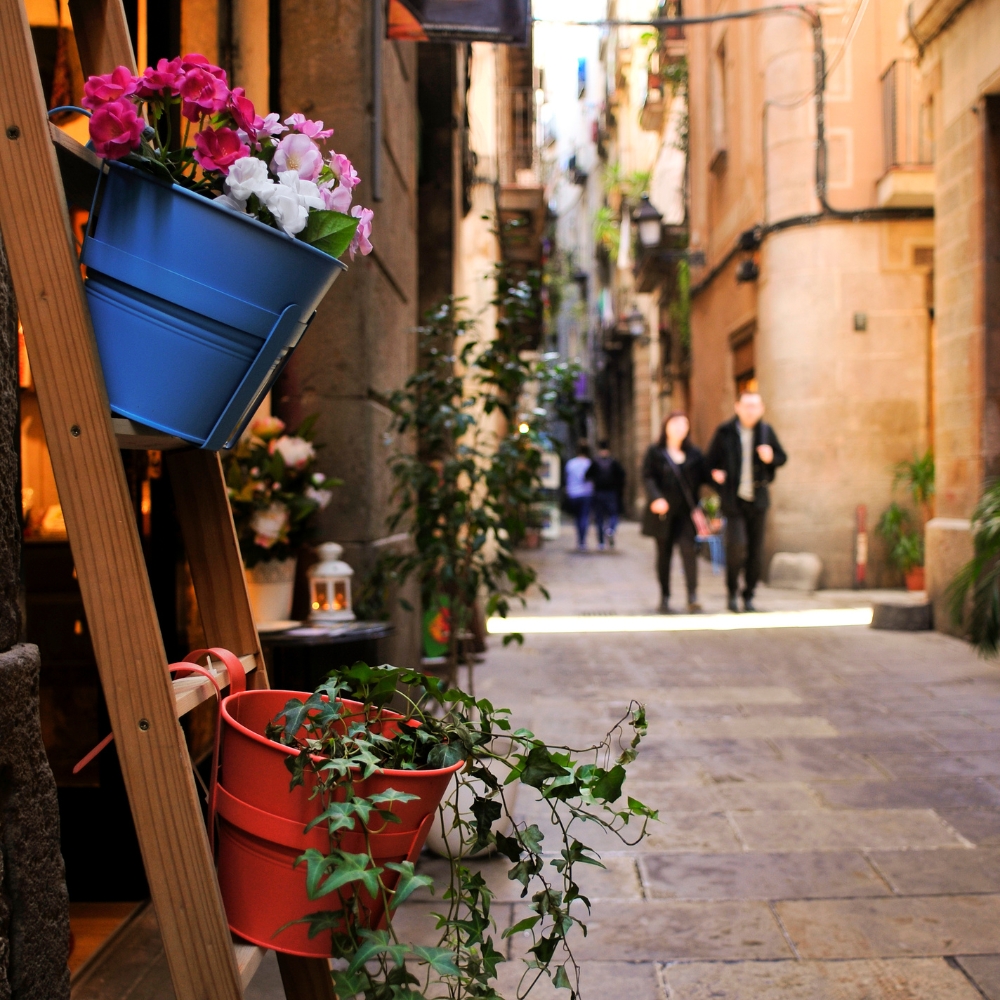
Unlike the sometimes overwhelming Gothic Quarter immediately to the west, El Born maintains a more intimate, village-like atmosphere despite sitting in Barcelona’s center. The medieval street plan remains largely intact, with narrow lanes opening unexpectedly into small squares where neighbors gather and children play. Gothic architecture dominates, with stone buildings dating back six or seven centuries standing alongside carefully restored structures housing contemporary boutiques, galleries, and restaurants.
The neighborhood has undergone remarkable transformation over recent decades. Through the mid-20th century, El Born was considered somewhat rough, a working-class district that had fallen into neglect. Gradual gentrification beginning in the 1980s brought artists, galleries, and creative businesses, followed by boutique hotels, upscale restaurants, and international visitors. Today, El Born successfully balances its role as a living neighborhood with its status as a major tourist destination, though tensions around over-tourism and rising costs persist.
Historical Background
El Born’s history stretches back to Barcelona’s medieval golden age, when the neighborhood served as the city’s commercial heart. Wealthy merchants built Gothic palaces along Carrer de Montcada and surrounding streets, establishing El Born as a center of trade, banking, and maritime commerce. The magnificent Santa Maria del Mar basilica, completed in 1383, symbolized the neighborhood’s prosperity and the power of Barcelona’s merchant class.
This prosperity ended catastrophically in 1714, when Barcelona fell after a long siege during the War of Spanish Succession. The victorious Bourbon forces demolished a large section of El Born to construct a massive military citadel designed to control the rebellious city. Entire streets vanished, families were displaced, and the neighborhood’s economic vitality was crushed. This traumatic event remains central to Catalan historical consciousness and identity.
The citadel stood until 1869, when it was finally demolished and its grounds transformed into the Parc de la Ciutadella. The late 19th and early 20th centuries brought industrial development, with the Born Market built in 1876 serving as Barcelona’s central wholesale market. However, the neighborhood declined through much of the 20th century before its remarkable renaissance beginning in the 1980s.
Must-See Attractions
Santa Maria del Mar
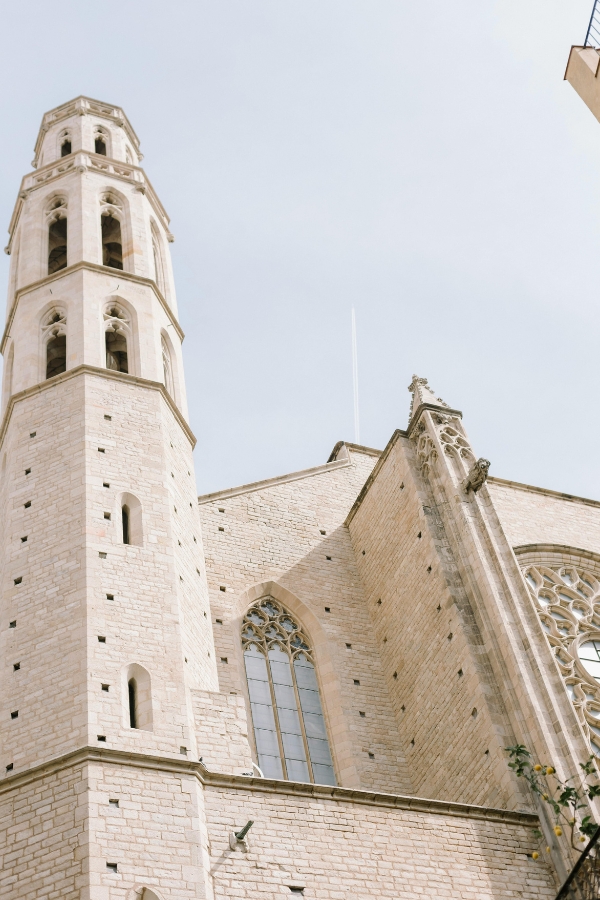
The Basilica of Santa Maria del Mar represents Catalan Gothic architecture at its purest and most powerful. Built between 1329 and 1383, this “Cathedral of the Sea” was funded by merchants and constructed by the neighborhood’s working people. Unlike Barcelona’s official cathedral, which took centuries to complete and shows multiple architectural styles, Santa Maria del Mar was finished in just 54 years, creating remarkable stylistic unity.
The exterior’s simple beauty belies the breathtaking interior space. Slender octagonal columns rise thirty meters to support stone vaulting, creating an unusually open, light-filled atmosphere. The architectural purity—three naves of nearly equal height separated by columns spaced sixteen meters apart—creates overwhelming harmony and proportion. Natural light filters through stained glass windows, and the acoustics are exceptional, making concerts here unforgettable experiences.
Visitors can explore freely, though respectful behavior is expected in this active place of worship. Guided tours, including rooftop tours offering spectacular city views, provide deeper insights into the architecture and history.
Picasso Museum
The Museu Picasso occupies five adjoining Gothic palaces on Carrer de Montcada, housing one of the world’s most extensive collections of Pablo Picasso’s work. While it lacks some of his most famous later masterpieces, the museum offers unparalleled insight into his artistic development and deep connection to Barcelona, where he spent his formative years.
The collection comprises over 4,000 works, particularly from Picasso’s youth and early training in Barcelona during the 1890s and early 1900s, plus significant later works including the remarkable “Las Meninas” series from 1957. The early Barcelona paintings reveal the young artist’s precocious talent, while Blue Period works reflect the city’s social struggles.
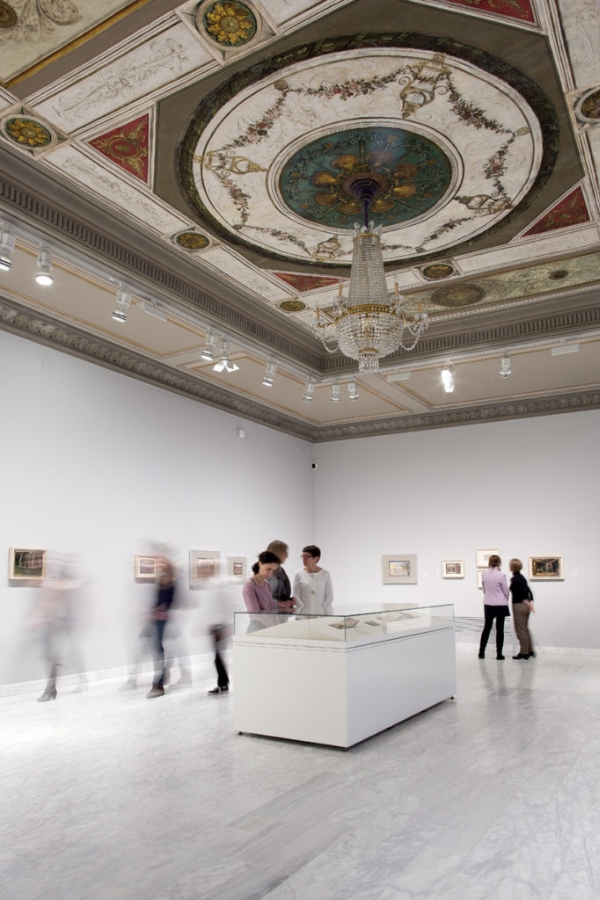
The museum’s architectural setting enhances the experience, with the five restored Gothic palaces retaining original features including courtyards, staircases, and coffered ceilings. Booking tickets online in advance is essential, as the museum is extremely popular and often sells out.
El Born Cultural and Memorial Center
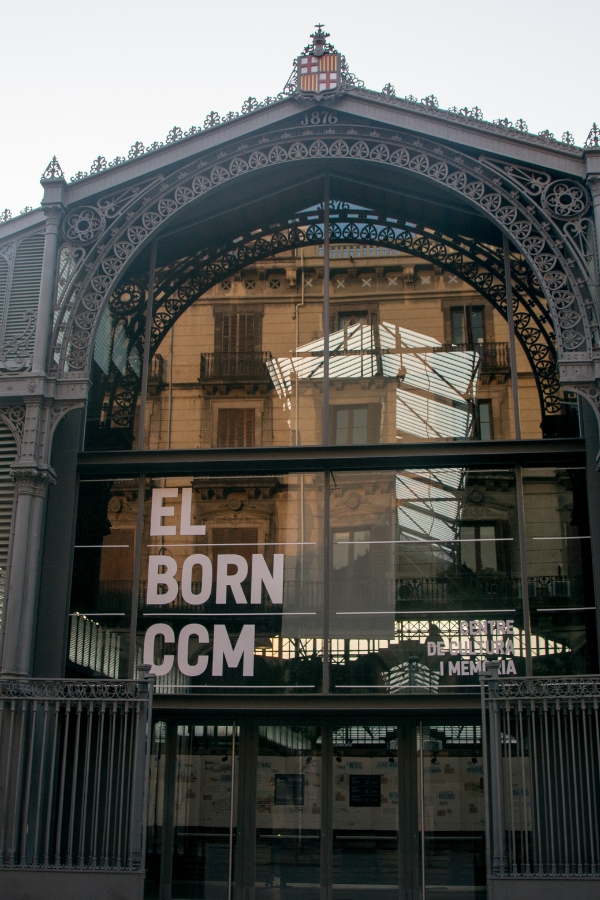
This remarkable facility preserves archaeological remains of the El Born neighborhood as it existed before its destruction in 1714. The center occupies the former Born Market, a stunning 1876 iron-framed structure that originally served as Barcelona’s central wholesale market.
When renovation work began in the 1990s, workers discovered extraordinarily well-preserved remains of medieval streets beneath the floor. Rather than covering them, authorities created an archaeological site where visitors walk on elevated platforms above excavated ruins, observing foundations of homes, shops, and streets exactly as they were frozen in time three centuries ago.
Multimedia presentations, documents, and artifacts explain the War of Spanish Succession, the siege of Barcelona, and the broader context of Catalan history. The site functions simultaneously as archaeological museum, historical memorial, and space for reflection on memory, identity, and political oppression. Admission is free on Sunday afternoons and the first Sunday of each month.
Parc de la Ciutadella
Parc de la Ciutadella occupies the site where the oppressive military fortress once stood, transforming a symbol of subjugation into Barcelona’s most beloved urban park. This green oasis borders El Born to the northeast, providing expansive lawns, shaded pathways, ornamental ponds, and numerous attractions within its thirty-one hectares.
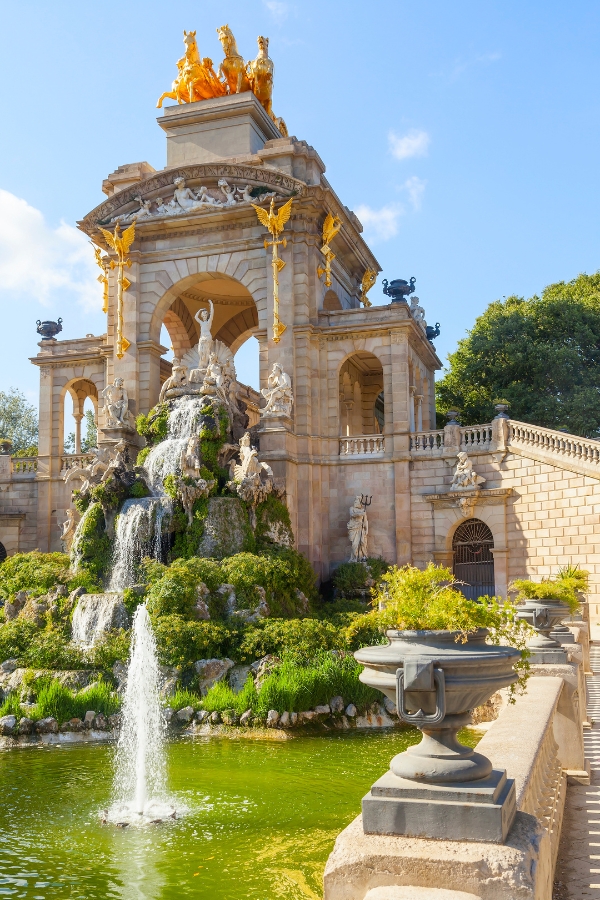
The park’s centerpiece is the monumental Cascada fountain, an elaborate baroque-style structure featuring dramatic rock formations, mythological sculptures, and a central pavilion. A young Antoni Gaudí worked on this fountain as an assistant to the park’s designer.
Within the park, visitors can explore the Barcelona Zoo, the Catalan Parliament building (in the citadel’s former Arsenal), museums, and a lake offering rowboat rentals. The park serves vital social functions for neighborhood residents and provides refreshing contrast to El Born’s dense medieval streets.
Dining and Culinary Scene
El Born’s culinary landscape ranks among Barcelona’s finest, offering everything from traditional Catalan cooking to innovative contemporary cuisine. The neighborhood is particularly famous for its tapas culture, with numerous bars offering both classic small plates and contemporary interpretations.
Traditional Catalan dishes you might encounter include suquet de peix (fish stew), esqueixada (shredded salt cod salad), botifarra amb mongetes (Catalan sausage with white beans), and seasonal specialties like calçots in late winter or wild mushrooms in autumn.
- El Xampanyet, just steps from the Picasso Museum, exemplifies the traditional neighborhood tavern. This tiny, always-crowded bar has served locals since 1929, offering simple but perfect tapas—marinated anchovies, spicy potatoes, and legendary house vermouth.
- Cal Pep focuses on impeccably fresh seafood prepared simply to showcase quality ingredients. The lively atmosphere centers on the bar where you can watch chefs at work. Arriving early or making reservations is essential.
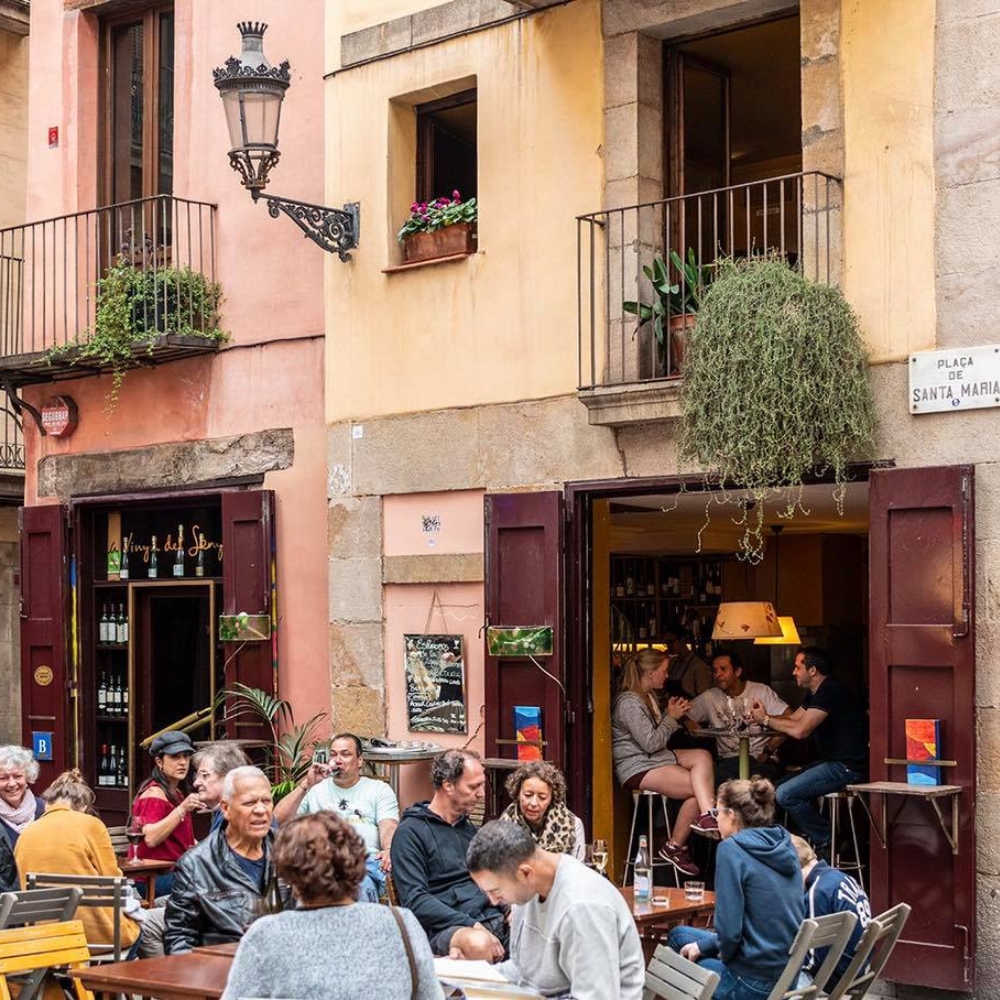
- La Vinya del Senyor offers an extensive wine selection accompanied by cheese and charcuterie plates, with its outdoor terrace directly facing Santa Maria del Mar providing one of El Born’s finest settings for afternoon or evening drinks.
Barcelona’s vermouth culture has experienced a remarkable renaissance, and El Born embraces this tradition enthusiastically. Many bars now offer house-made vermouths and classic accompaniments, extending the traditional Sunday pre-lunch ritual throughout the week.
Shopping and Arts
El Born shopping offers refreshing alternatives to chain stores, specializing in independent boutiques, artisan workshops, and unique specialty shops. Carrer del Rec functions as the primary shopping street, lined with boutiques offering clothing, accessories, and home goods from independent and Catalan designers.
Many shops feature items made locally or elsewhere in Catalonia, connecting purchases to place and supporting regional artisans. Artisan workshops continue centuries-old traditions, with craftspeople creating custom leather goods, handmade espadrilles, and traditional Catalan products.
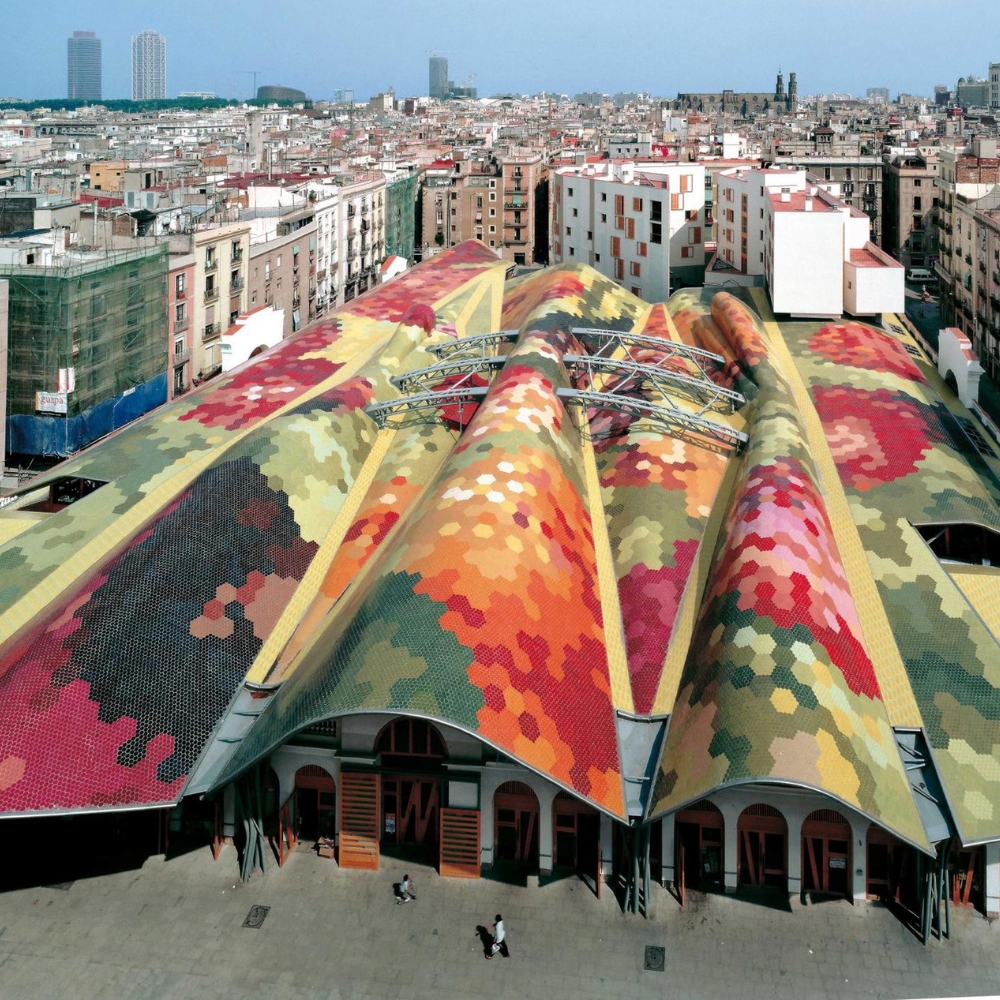
The Mercat de Santa Caterina, just outside El Born’s boundaries, serves as a vital resource for food enthusiasts. This traditional market occupies a building with a stunning 2005 renovation featuring a dramatic undulating roof covered in colorful ceramic tiles. Inside, permanent stalls sell fresh produce, seafood, meat, cheese, and prepared foods of exceptional quality.
Vila Viniteca stands out as one of Barcelona’s premier wine merchants, with an enormous selection and knowledgeable staff. The shop occupies multiple buildings, with spaces dedicated to wine, gourmet foods, and a wine bar for tastings.
Contemporary art galleries throughout El Born showcase emerging and established artists. The European Museum of Modern Art (MEAM) occupies a converted Gothic palace, dedicating itself to contemporary figurative art from across Europe. Numerous smaller galleries host opening receptions where visitors can meet artists and curators.
Practical Information
- Best times to visit: Spring (April-May) and fall (September-October) offer ideal conditions with pleasant weather, manageable crowds, and reasonable prices. Summer brings peak tourist crowds and heat, while winter sees fewer tourists and the lowest prices.
- Getting there: The Jaume I metro station (Line 4) provides the most convenient access. The neighborhood is highly walkable, with most major Barcelona attractions within easy reach on foot.
- Safety: El Born is generally very safe, though pickpocketing can occur in crowded areas near major attractions. Standard precautions are advisable.
- Language: While many residents speak English, particularly in tourism-related businesses, Catalan and Spanish dominate daily life. Learning basic phrases enhances your experience.
- Timing your visit: The neighborhood awakens slowly, with most venues opening between 9-10 AM. Visit major attractions early to avoid crowds. Shops often close during traditional lunch hours (roughly 2-4 PM), reopening around 5 PM. Restaurants fill around 9 PM, with social energy peaking between 10 PM and midnight.
Conclusion
El Born Barcelona stands as one of Europe’s most remarkable urban neighborhoods, where centuries of history remain vital in contemporary life. The medieval streets, Gothic architecture, and historical monuments provide constant connection to the past, while contemporary boutiques, innovative restaurants, and vibrant cultural life ensure the neighborhood never feels like a museum.
The neighborhood’s compact size allows you to experience substantial variety without extensive travel—visit Santa Maria del Mar in the morning, explore the Picasso Museum after lunch, shop along Carrer del Rec in the afternoon, and enjoy tapas at multiple bars in the evening, all within a few blocks. For broader trip planning across the city, the Barcelona Travel Guide is an excellent resource for transport, itineraries, and essential visitor information before you arrive.
Whether you spend a few hours or several days in El Born, approach the neighborhood with curiosity and openness to unexpected discoveries. The best experiences often come not from checking famous attractions off lists but from allowing the neighborhood’s rhythms and atmosphere to shape your visit. El Born rewards this approach, revealing its treasures gradually to those who take time to wander, observe, and engage with this living neighborhood that remains one of Barcelona’s most captivating destinations.