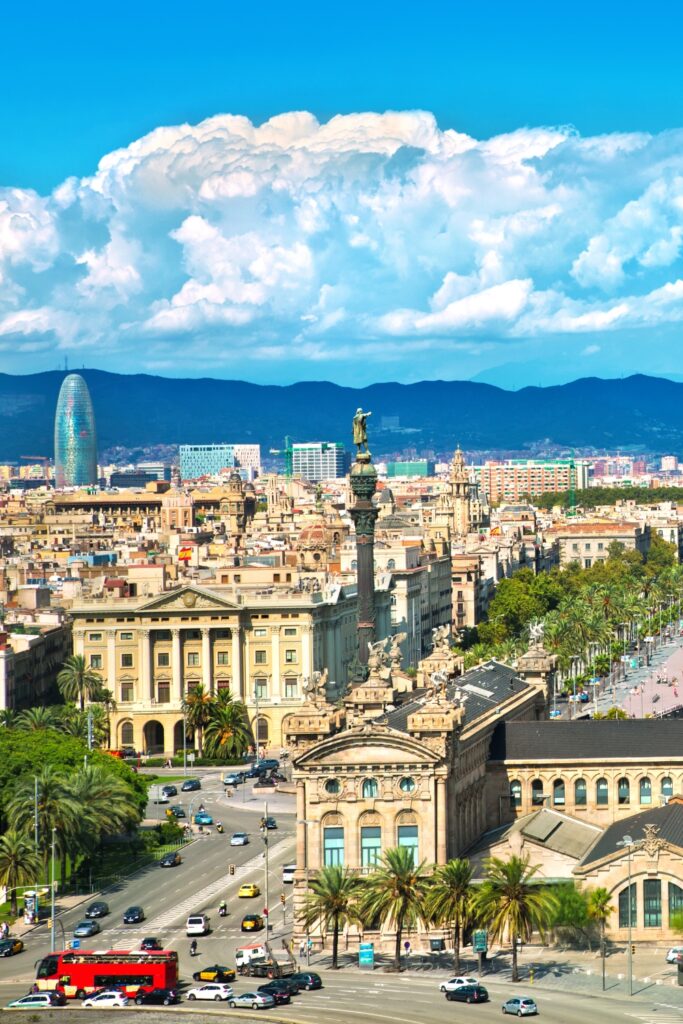
There are many things to see and do in Barcelona that can easily fill a long weekend or even a full week, and the city rewards both fast first visits and slower return trips. You notice it quickly, the light on stone in the Barri Gòtic, the ordered grid of Eixample, the smell of coffee and bread near a market, and the sea never far away.
If you want to know the best things to do in Barcelona, start with Gaudí, add one or two major museums, walk at least three distinct neighborhoods, and leave room for food, viewpoints, and one smart day trip.
If you plan to visit Barcelona well, you need more than a list of landmarks. You need a clear sense of where each area sits, which Barcelona attractions are worth booking ahead, which ones work best early or late, and how to shape a realistic Barcelona itinerary without wasting time crossing the city.
Quick Barcelona Orientation
Barcelona is easy to enjoy and surprisingly easy to misjudge. Distances look short on a map, yet the city feels very different block by block, so where you stay in Barcelona and how you group your sightseeing matters.
How the City Is Laid Out
Barcelona sits between the Mediterranean and the hills. The older core is closest to the port, with the Barri Gòtic, El Raval, and nearby Born forming the historic center. North of that, Eixample spreads out in a clean grid, with wide avenues and many of the city’s best Modernist buildings.
La Rambla, often called Las Ramblas in English, runs from Plaça de Catalunya down toward Port Vell. It is useful as a reference point, even if you will not want to spend all your time there.
Montjuïc rises to the southwest above the port. Barceloneta stretches toward the beach. Gràcia sits farther uptown and feels more local, with smaller squares and slower evenings.
Neighbourhoods to Know Before You Start
If this is your first trip, then our Barcelona travel guide will help, but our initial advice would be to focus on a few core areas:
- Barri Gòtic and the Gothic Quarter for medieval lanes, Roman traces, and the cathedral area
- Eixample for Gaudí, broad streets, shopping, and easy walking
- El Raval for MACBA, a more mixed street scene, and cultural stops
- Gràcia for plazas, cafés, and a neighborhood feel
- Barceloneta for the beach and seafood
- Passeig de Gràcia for flagship architecture and higher-end shopping
For where to stay in Barcelona, Eixample is the easiest all-round base. The Gothic Quarter puts you close to history and nightlife. Gràcia suits slower stays. Barceloneta works if the beach matters most.
Getting Around Efficiently
The metro is the fastest way to cover longer distances. Walking works best within one neighborhood at a time, especially in the Gothic Quarter, around Passeig de Gràcia, and through Gràcia.
Taxis are useful late at night or when you want to save uphill walks to Park Güell, Tibidabo, or Montjuïc connections. I usually group sights by zone, not by fame. You waste less time and see more.
Start With Gaudí’s Defining Landmarks – Things to See and Do in Barcelona
If you are choosing your core Barcelona attractions, Antoni Gaudí should anchor your plan. His buildings shape the city’s identity, and pairing them with works by Lluís Domènech i Montaner gives you a stronger read on Catalan Modernisme.
Sagrada Família
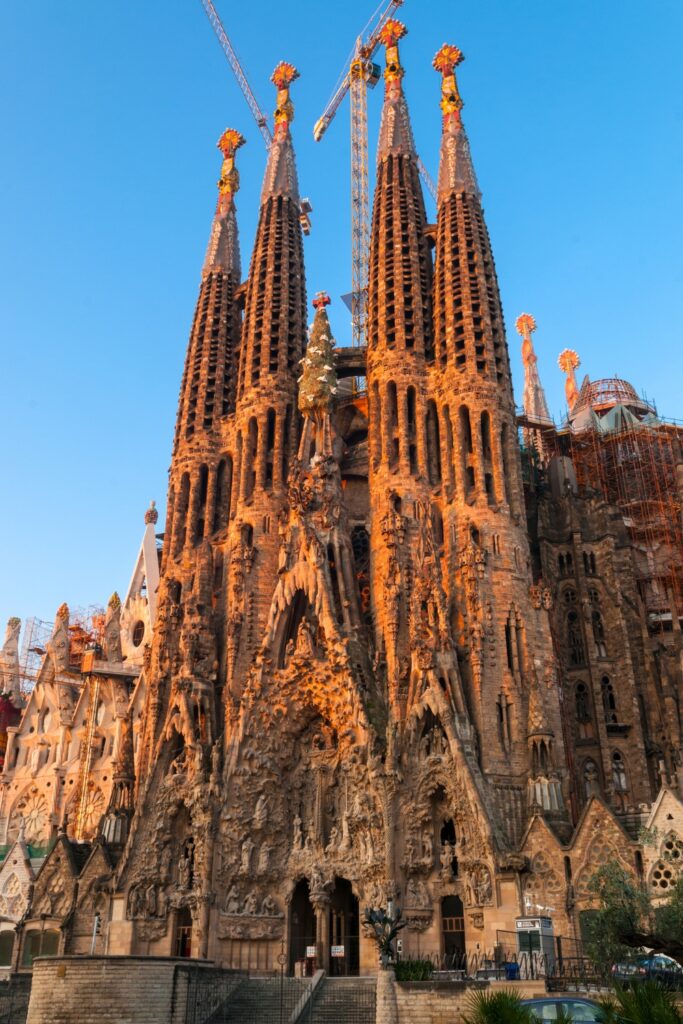
La Sagrada Família is the city’s single essential sight. Even if you know the photos well, the interior changes your sense of the building. The columns branch like trees, and the colored light shifts through the nave as the day moves.
Book Sagrada Familia tickets in advance, especially for weekends and high season. A Sagrada Familia guided tour is worth it if you want the symbolism explained clearly. If you prefer to move at your own pace, go early or late for slightly calmer conditions.
Walk north afterward to the Recinte Modernista de Sant Pau if you have time. It is one of the smartest pairings in the city.
See our full guide to Sagrada Familia tickets, towers, and timing.
Park Güell
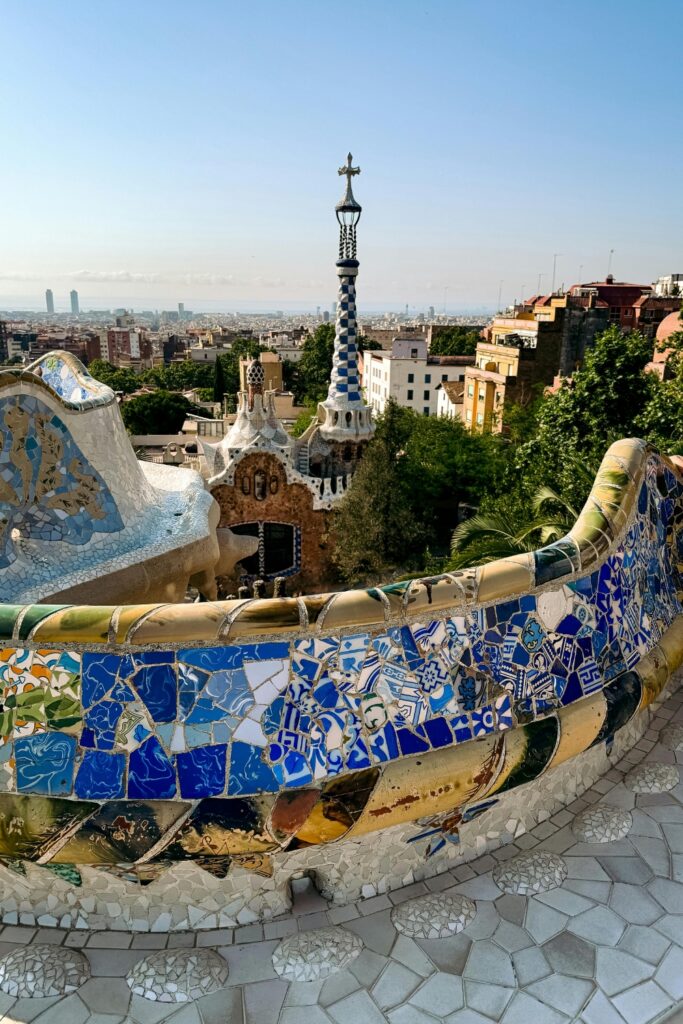
Park Güell mixes city views, mosaics, and Gaudí’s playful forms in a hillside setting. The monumental zone is the part most visitors know, with the serpentine bench and the famous tiled dragon, El Drac.
Book ahead and arrive with enough time for the uphill approach. I find the best visit is early morning or late afternoon, when the heat is lower and tour groups thin out a bit.
The free-access surrounding park area gives you more breathing room than the central paid zone. If your schedule is tight, combine Park Guell with Gràcia nearby.
Read the complete Park Güell visit guide with entrance tips and walking routes.
Casa Batlló
Casa Batlló on Passeig de Gràcia is one of Gaudí’s most visually striking works. The façade is the main draw from the street, with color, curves, and balcony shapes that feel almost skeletal up close.
Inside, you move through a carefully staged experience with light wells, flowing woodwork, and a roof terrace linked to the Saint George dragon story. It is polished and popular, and ticket prices reflect that. If you value design detail, it earns the stop.
Casa Amatller next door adds useful context. Seeing the two façades side by side helps you read the avenue better.
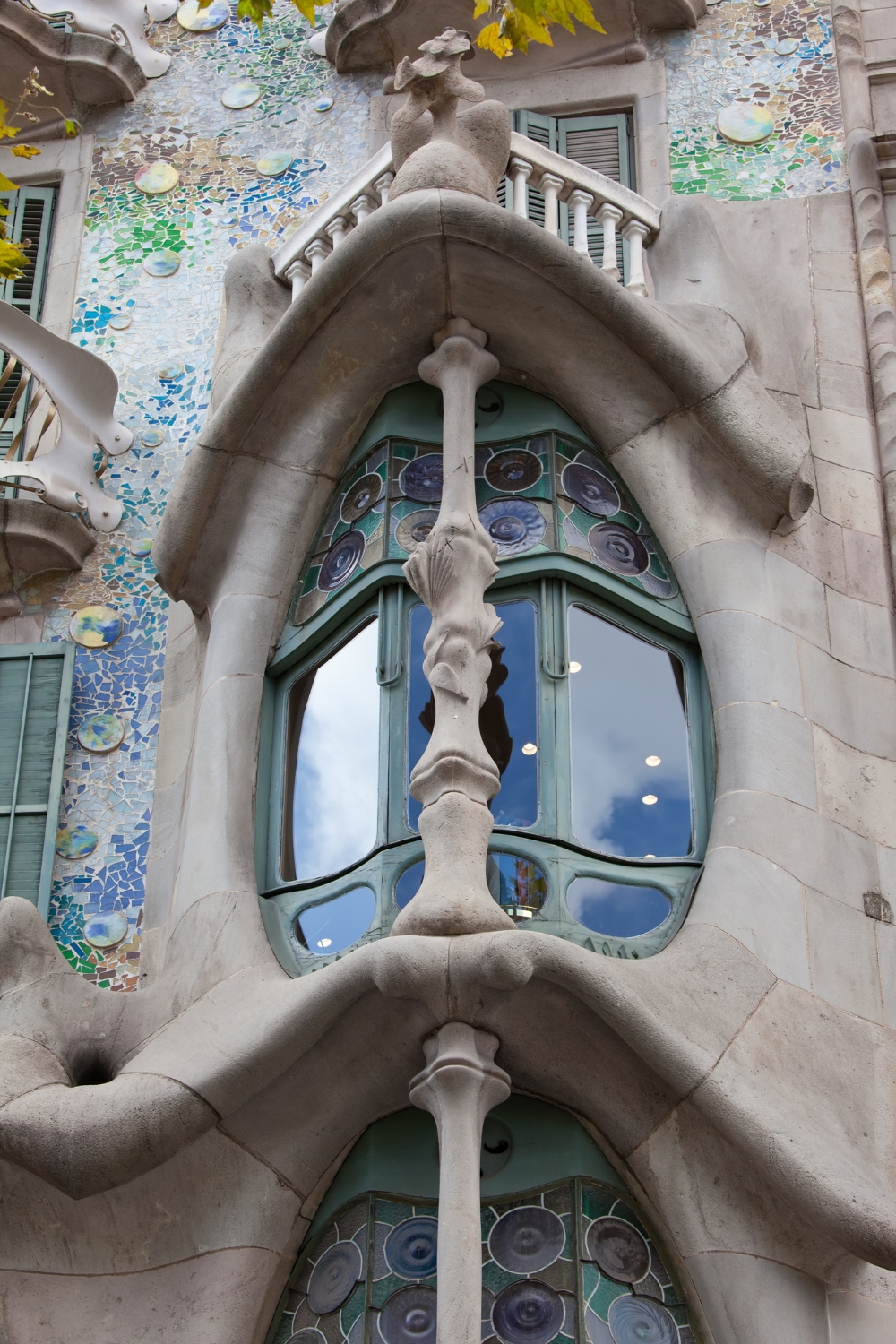
Compare Casa Batlló ticket types and whether the premium option is worth it.
Casa Milà (La Pedrera)
Casa Milà, also called La Pedrera or Casa Milà, feels more structural and less theatrical than Casa Batlló. The rooftop is the highlight for many visitors, with sculptural chimneys and strong views over Eixample.
Inside, the apartment displays and attic help explain how Gaudí worked with light, ventilation, and curved forms. If you only choose one Passeig de Gràcia house, pick the one that matches your interests. Batlló for visual drama, La Pedrera for architecture and rooftop value.
Night visits sometimes run as special formats.
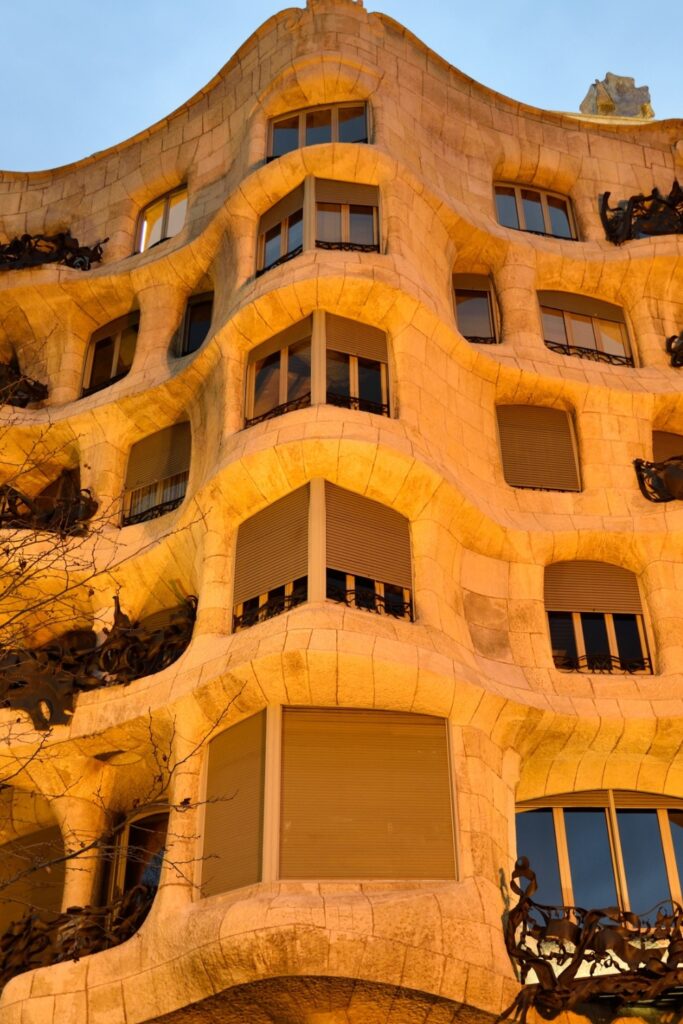
Check out our comprehensive guide for Casa Milà.
Palau Güell
Palau Güell sits just off La Rambla and is easier to fit into an Old City day. It is less crowded than the headline Gaudí sites and gives you a more intimate sense of his early interior design.
Pay attention to the central salon, the roofline chimneys, and how the mansion uses space in a dense urban setting. If you are staying near the Gothic Quarter or El Raval, it is one of the easiest UNESCO World Heritage Site visits to add.
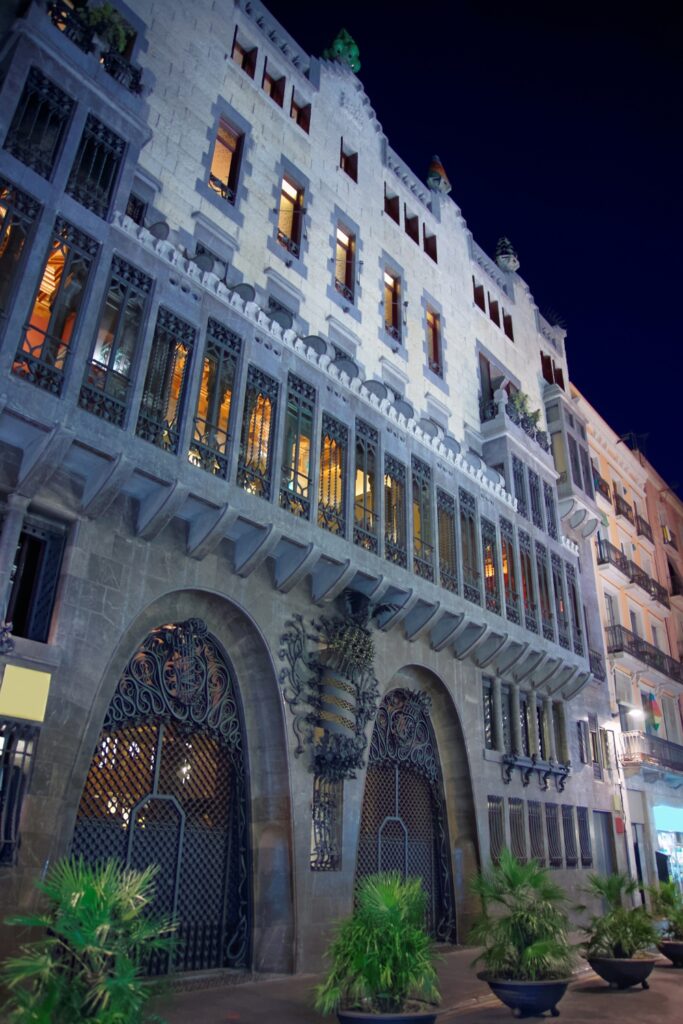
Plan a Gaudí walking route that includes Palau Güell and the Old City.
Casa Vicens
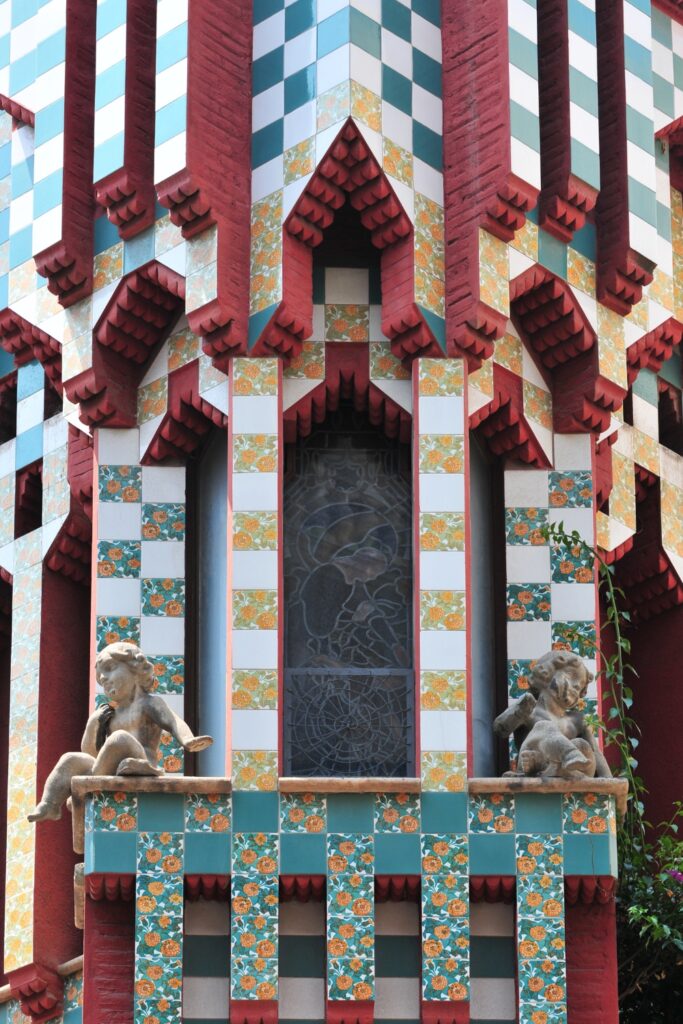
Casa Vicens, in Gràcia, is often skipped by first-time visitors, which is a mistake if you care about Gaudí’s development. The house shows a younger architect working with strong color, ceramic surfaces, and Moorish-influenced details.
It is compact, manageable, and much easier to appreciate without the crowds of La Sagrada Família. You can combine it with a proper walk through Gràcia and a long lunch in the area.
Recinte Modernista de Sant Pau
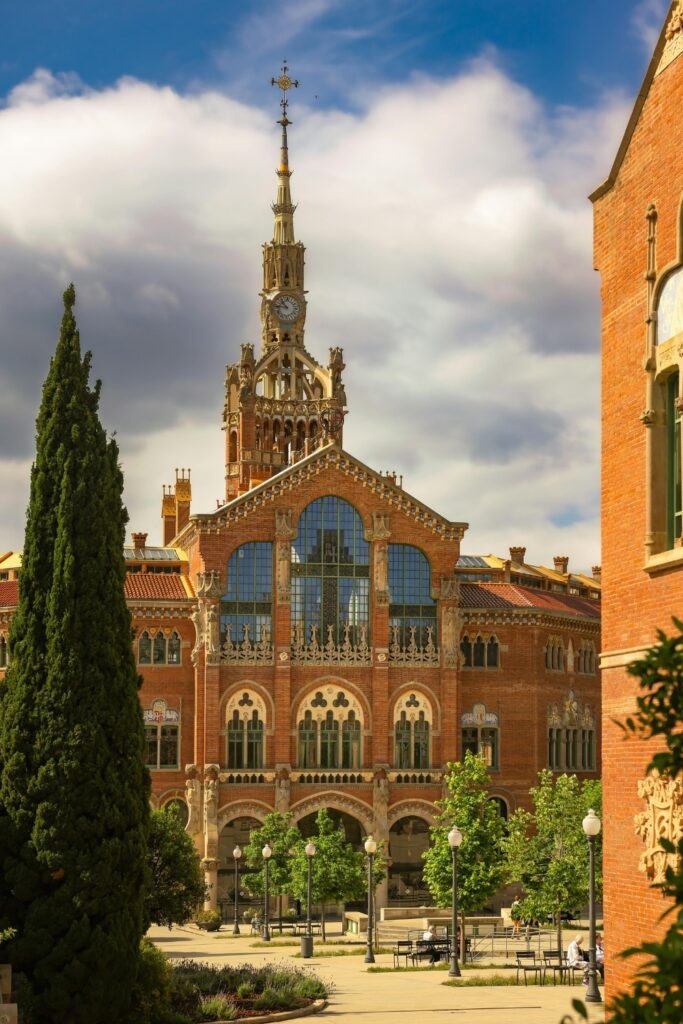
Designed by Lluís Domènech i Montaner, the Recinte Modernista de Sant Pau is one of the best-value architectural visits in Barcelona. This former hospital complex is a UNESCO World Heritage Site and one of the city’s most elegant spaces.
The pavilions, tiles, gardens, and underground connections make it feel open and calm. I often recommend it right after Sagrada Família because the two sites show different faces of Catalan ambition from the same era.
Explore Barcelona Museums and Cultural Spaces
Barcelona museums cover art, history, and architecture well, and the best choices depend on your energy as much as your interests. If you want breadth, use Articket Bcn for major art stops. [EDITOR: Verify current info]
Picasso Museum
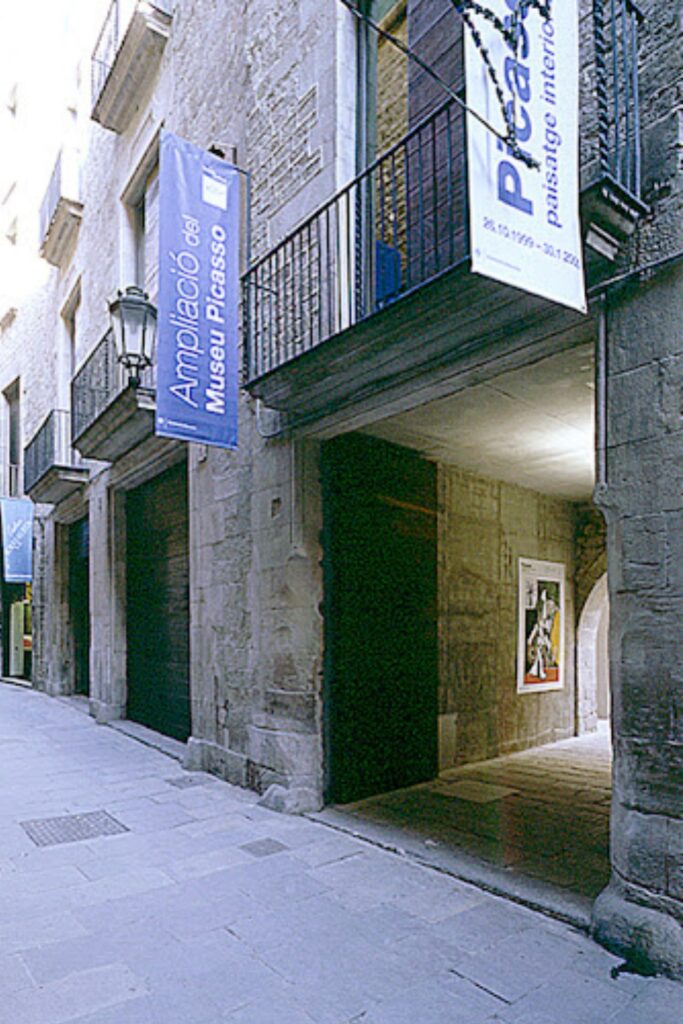
The Picasso Museum, or The Picasso Museum, is strongest for early works and the artist’s connection to Barcelona. The setting also matters. The museum sits in a series of medieval palaces in the old city, which gives the visit extra texture.
Expect demand to be high. A Picasso Museum tour helps if you want the chronology explained without gaps. If you go on your own, book an entry slot and avoid the middle of the day.
MNAC on Montjuïc
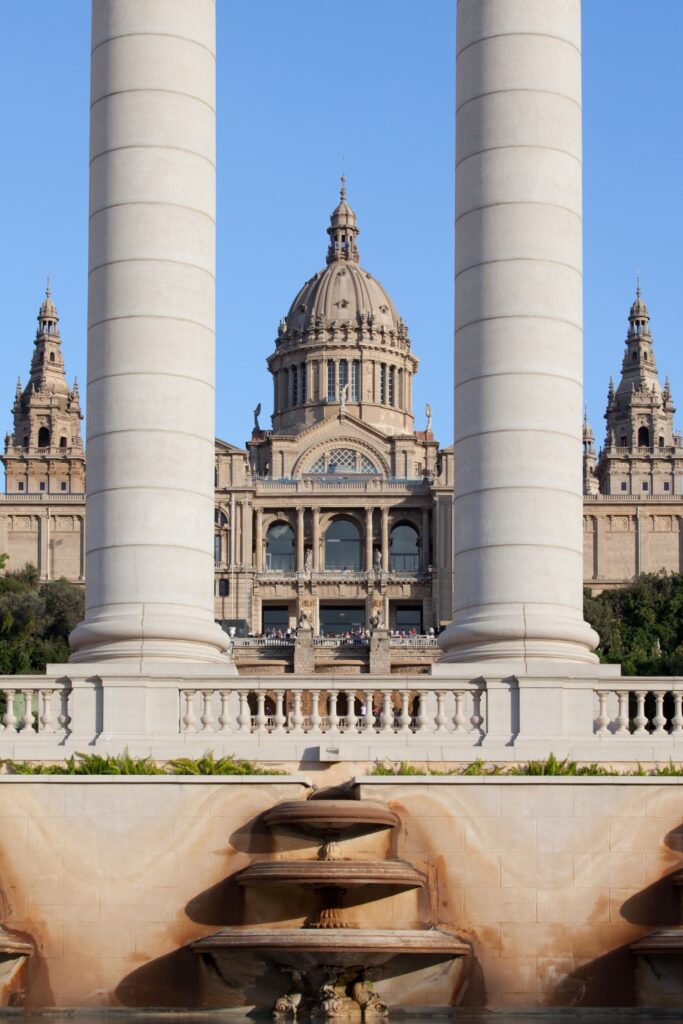
The Museu Nacional d’Art de Catalunya, usually called MNAC, is one of the top Barcelona museum choices if you want a broad sweep of Catalan art. The Romanesque frescoes are the standout collection, and the building’s hilltop setting adds major city views.
Give it at least two hours. If your museum stamina is limited, focus on Romanesque rooms and Modernisme sections, then spend time on the terrace.
Fundació Joan Miró
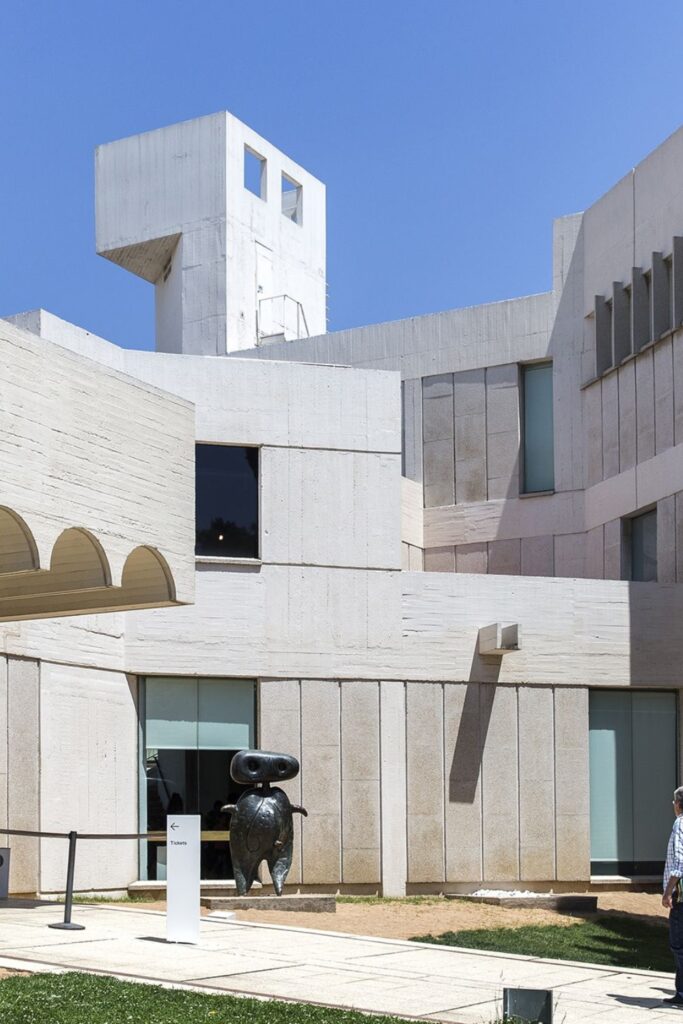
Fundació Joan Miró is one of the city’s most pleasant museum visits. The building is calm, the layout is easy to follow, and the collection is strong without feeling overwhelming.
It works especially well if you want a break from dense old-city touring. Pair it with other Montjuïc sights and keep your pace lighter.
MACBA and Contemporary Art
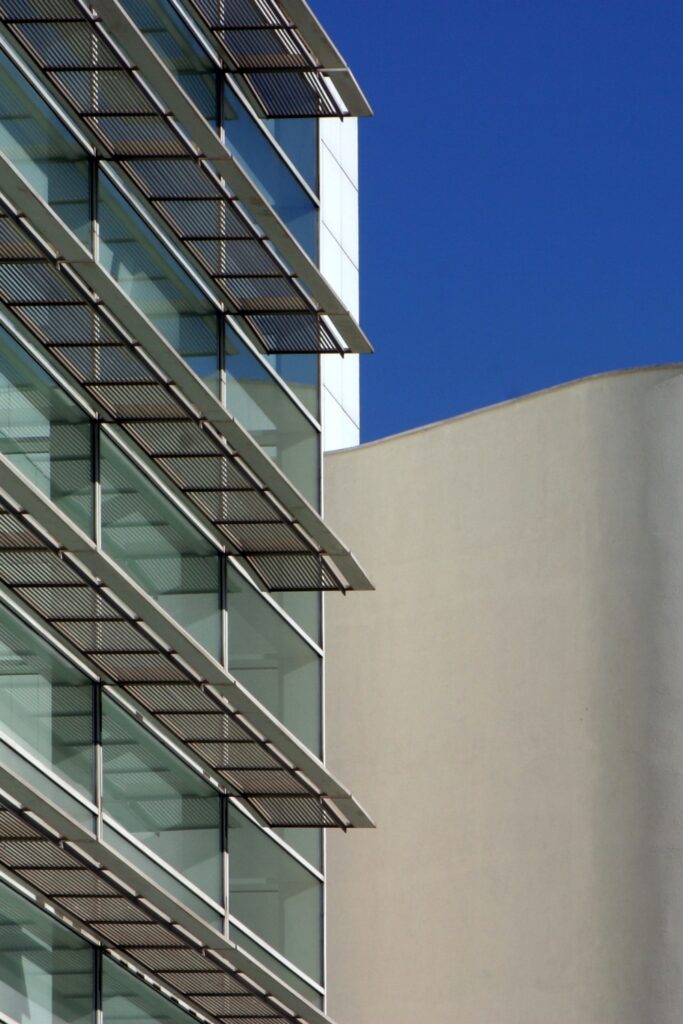
MACBA anchors the contemporary art scene in El Raval. The Richard Meier building is bright and open, and the square outside is a constant part of the experience, with skaters, students, and foot traffic shaping the mood.
The collection can feel uneven if you are not already interested in contemporary art. Go if you like modern culture and city atmosphere as much as the galleries themselves.
MUHBA and Roman Barcelona
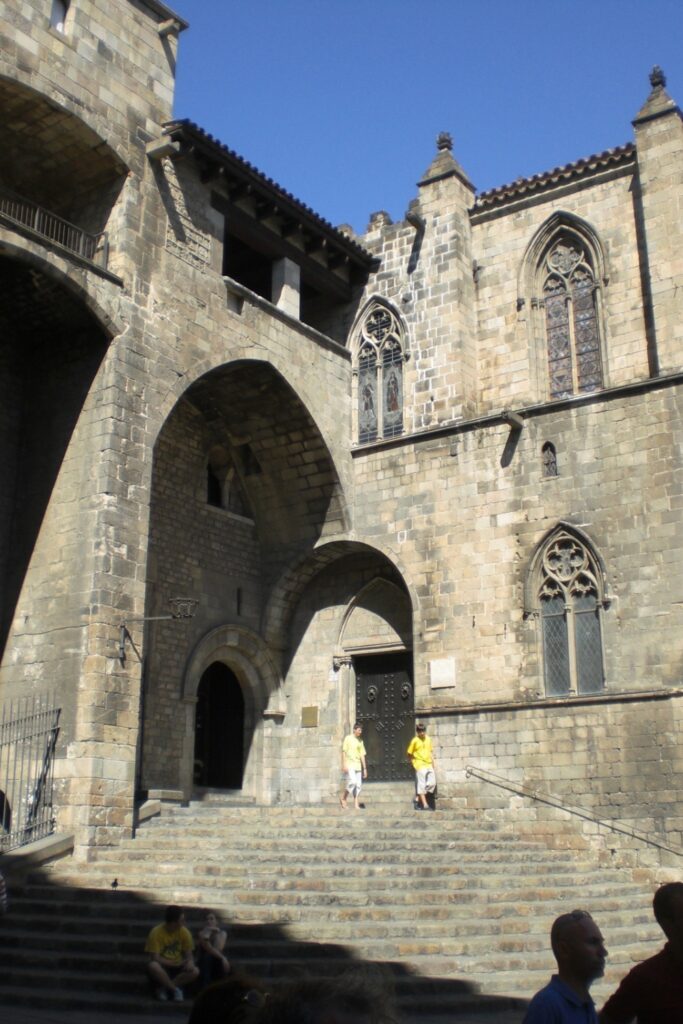
MUHBA is the best way to connect modern Barcelona to its Roman roots. Its most useful branch for first-time visitors is around Plaça del Rei, where you can see archaeological remains under the historic center.
If you walk the Gothic Quarter after visiting, the streets make more sense. You start noticing how Roman, medieval, and later layers sit on top of each other.
Palau de la Música Catalana
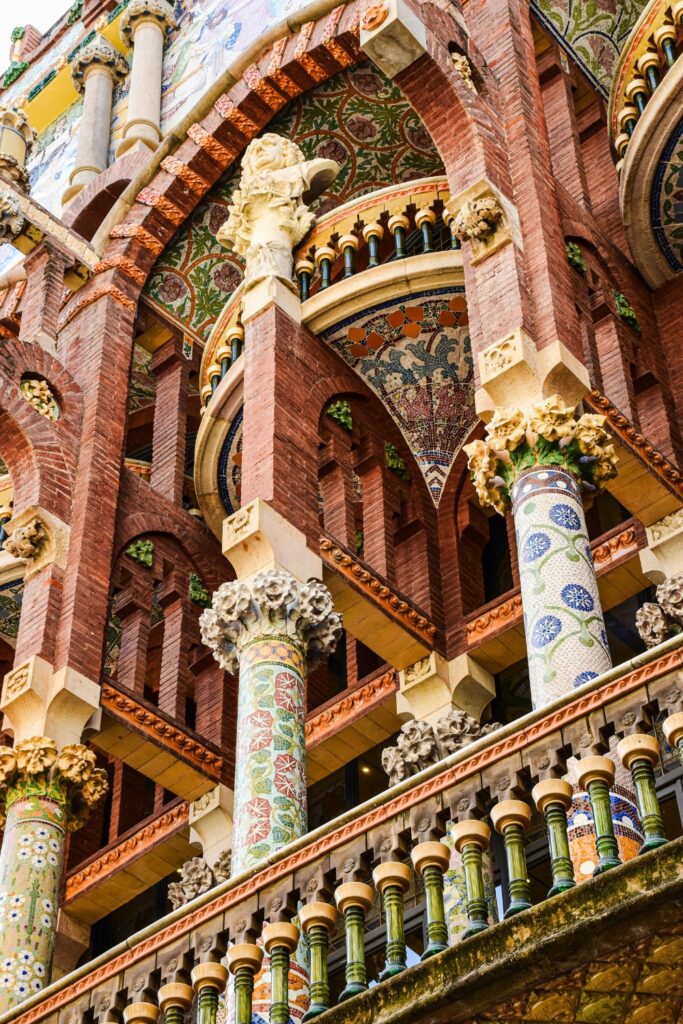
Palau de la Música Catalana is one of the city’s finest interiors, also designed by Lluís Domènech i Montaner. The stained glass, sculpture, and decorative detail are the main reason to go.
Take a guided visit if you cannot attend a performance. If you can attend a concert, that is the better use of your time. It feels less like a tour stop and more like a living venue.
Moco Museum and Smaller Stops
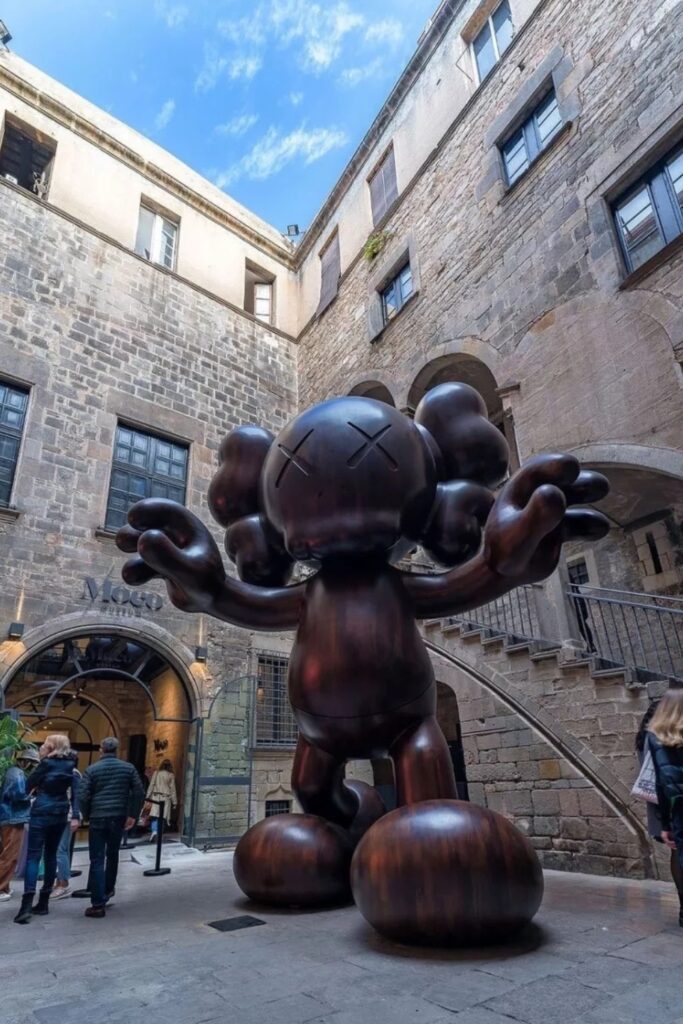
Moco Museum Barcelona draws visitors with accessible modern and contemporary names, and it is easy to fit into a Born walk. It is less essential than MNAC or the Picasso Museum, though the location helps.
Smaller stops near Arc de Triomf, Ciutadella, and Born can round out your day. If you are interested in the Spanish Civil War or the political history of Catalonia, look for exhibitions tied to Lluís Companys and 20th-century memory at city institutions.
Walk the Neighbourhoods That Give the City Its Character
The best things to do in Barcelona are not all ticketed. Some of your strongest hours will come from walking, sitting in a square, and seeing how one district changes into the next.
Barri Gòtic and the Cathedral Quarter
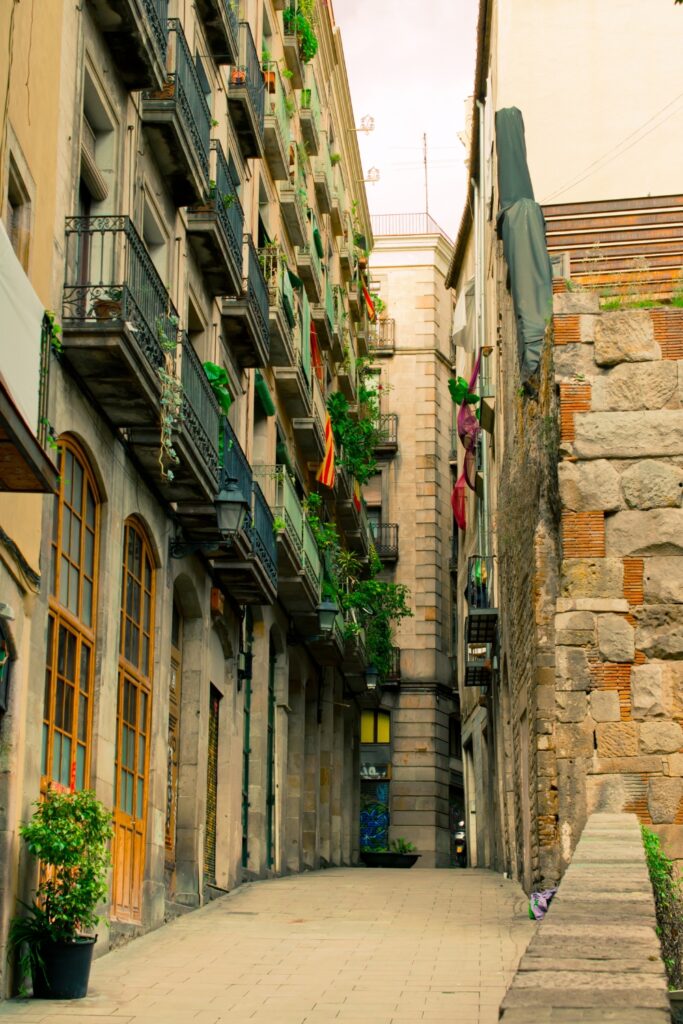
The Gothic Quarter, or Barri Gòtic, is dense, busy, and still worth your time. Go early if you want the lanes quieter. By late morning, it fills fast.
Barcelona Cathedral anchors the area, and the streets around it hold Roman fragments, small plazas, and old civic buildings. Plaça Reial, just off La Rambla, is better for a short look than a long meal unless you have chosen your spot carefully.
El Born and Santa Maria del Mar
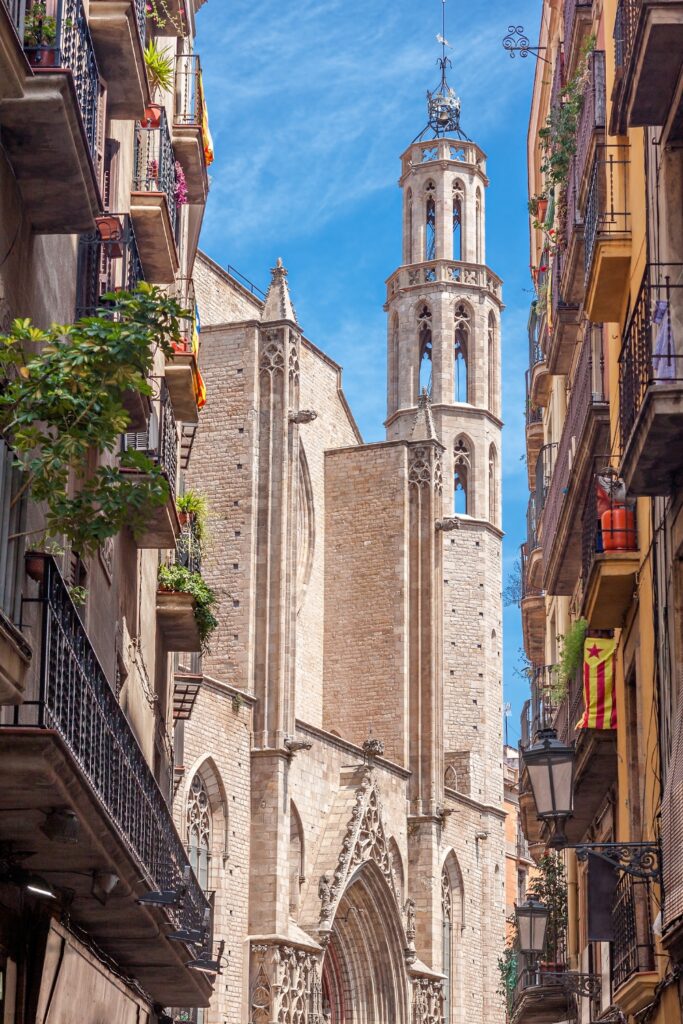
El Born feels more polished than parts of the Gothic Quarter, with boutiques, bars, and a steadier rhythm. Santa Maria del Mar, also called the Basilica of Santa Maria del Mar, is one of the city’s most satisfying church interiors.
The area works well for a half day with the Picasso Museum and a relaxed meal. It is one of the easiest neighborhoods to enjoy without over-planning.
Eixample and Passeig de Gràcia
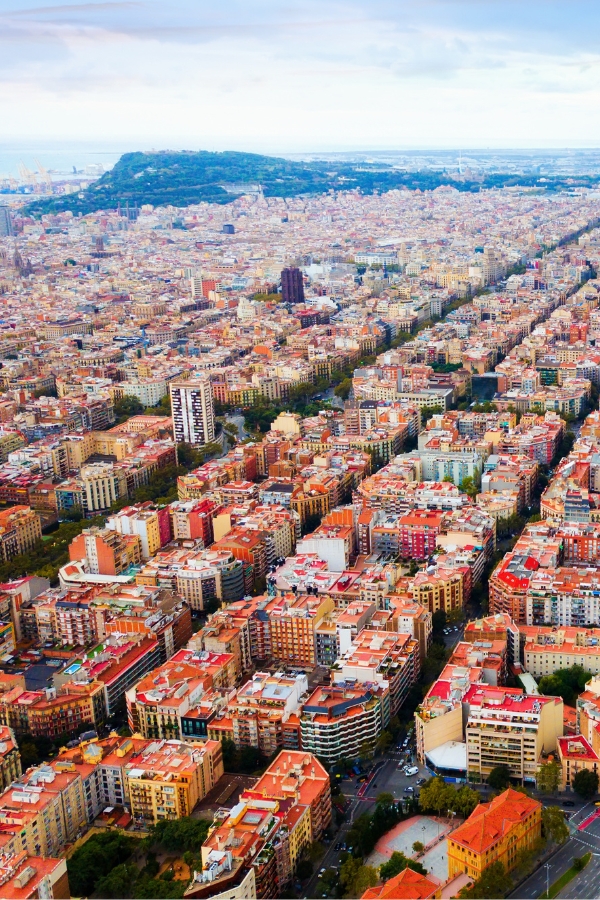
Eixample is where Barcelona becomes orderly. The wide blocks, cut corners, and long sightlines make walking easy, especially if you are moving between major architecture stops.
Passeig de Gràcia is the showcase stretch. You come here for Casa Batlló, La Pedrera, Casa Amatller, shopping, and some of the city’s best hotel and café seating if you want a break in comfort.
Gràcia Beyond the Main Sights
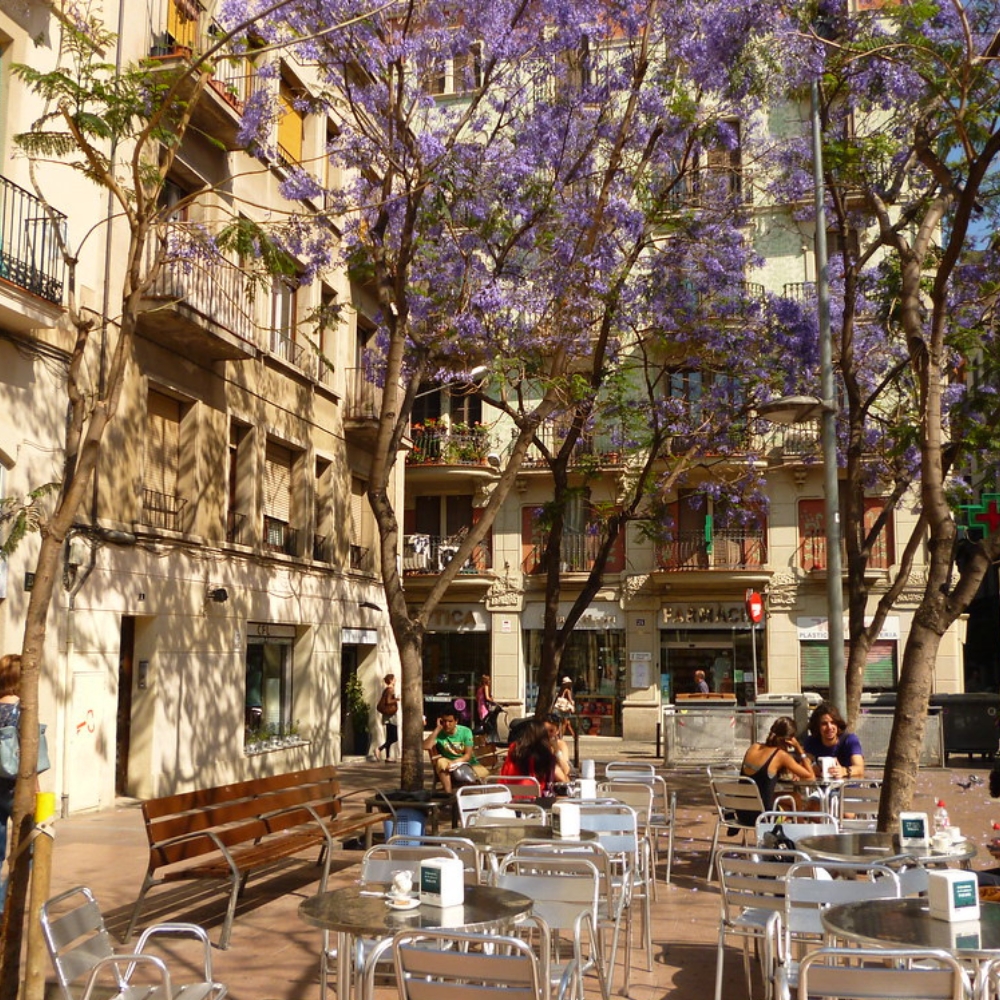
Gràcia is where many visitors slow down. Its plazas and side streets feel less performative than the center, especially in the early evening.
Come for Casa Vicens, local cafés, and neighborhood wandering. It is a good answer if you have already seen the headline Barcelona attractions and want a place that feels lived-in.
Barceloneta and Port Vell
Barceloneta is useful when you want sea air, beach time, or seafood, though the main strips can feel tourist-heavy. Barceloneta Beach is the obvious stop, and Nova Icària often feels a bit calmer if you do not mind going farther.
Port Vell is more polished than atmospheric, though it is an easy walk from La Rambla. The Barcelona Aquarium is mostly a family pick, not a must for most adult itineraries.
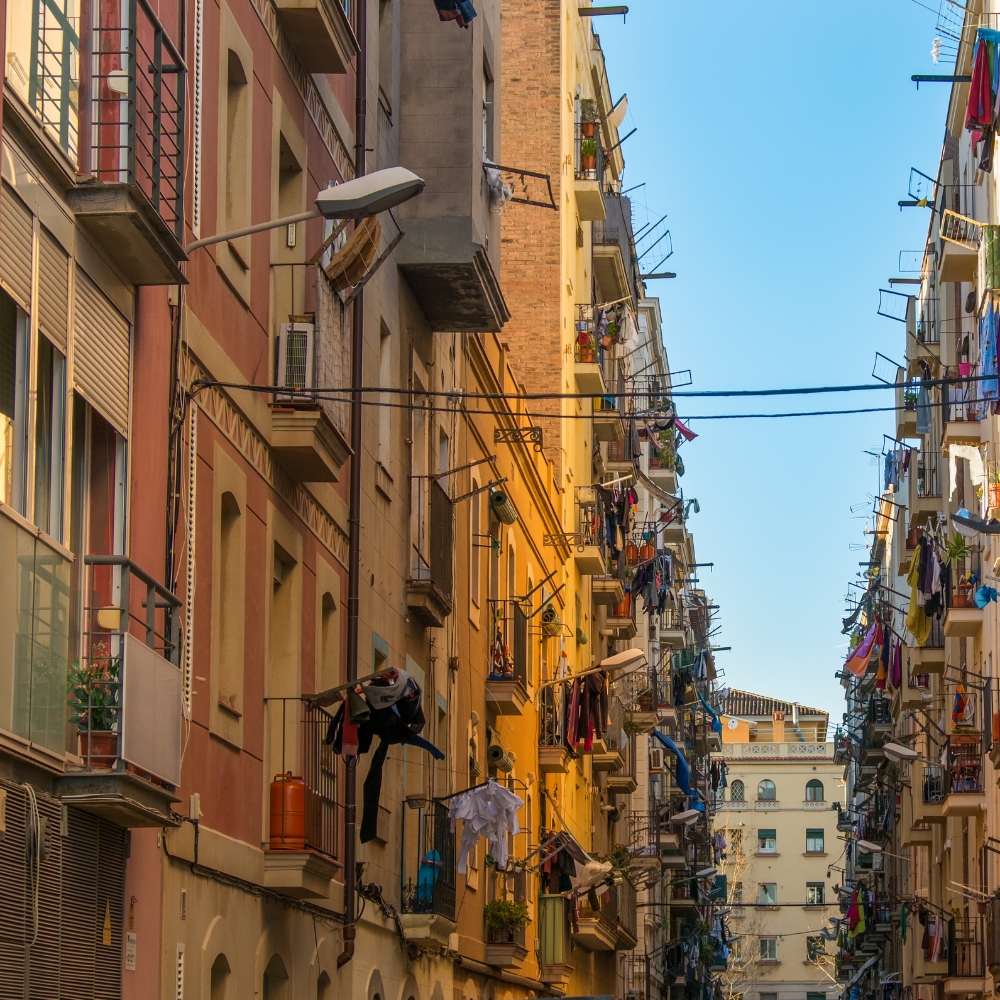
El Raval’s Grittier Cultural Side
El Raval is mixed, busy, and one of the city’s more complex districts. You should visit with normal city awareness, especially late at night on quieter side streets.
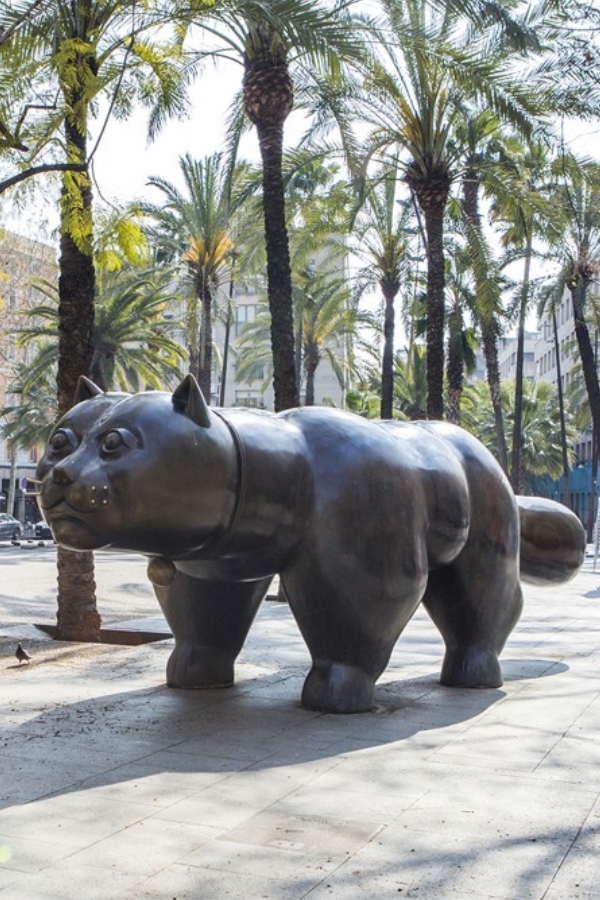
Rambla Del Raval, MACBA, and nearby food spots give the area substance beyond its reputation. I would not send every first-time visitor to stay here, though I often recommend visiting by day for its cultural layer and street life.
Viewpoints, Green Spaces, and Classic City Experiences
Barcelona works best when you mix major sights with open space and wider views. Montjuïc, Tibidabo, and the central parks help reset your pace, especially after crowded museum and church visits.
Montjuïc Hill and the Castle
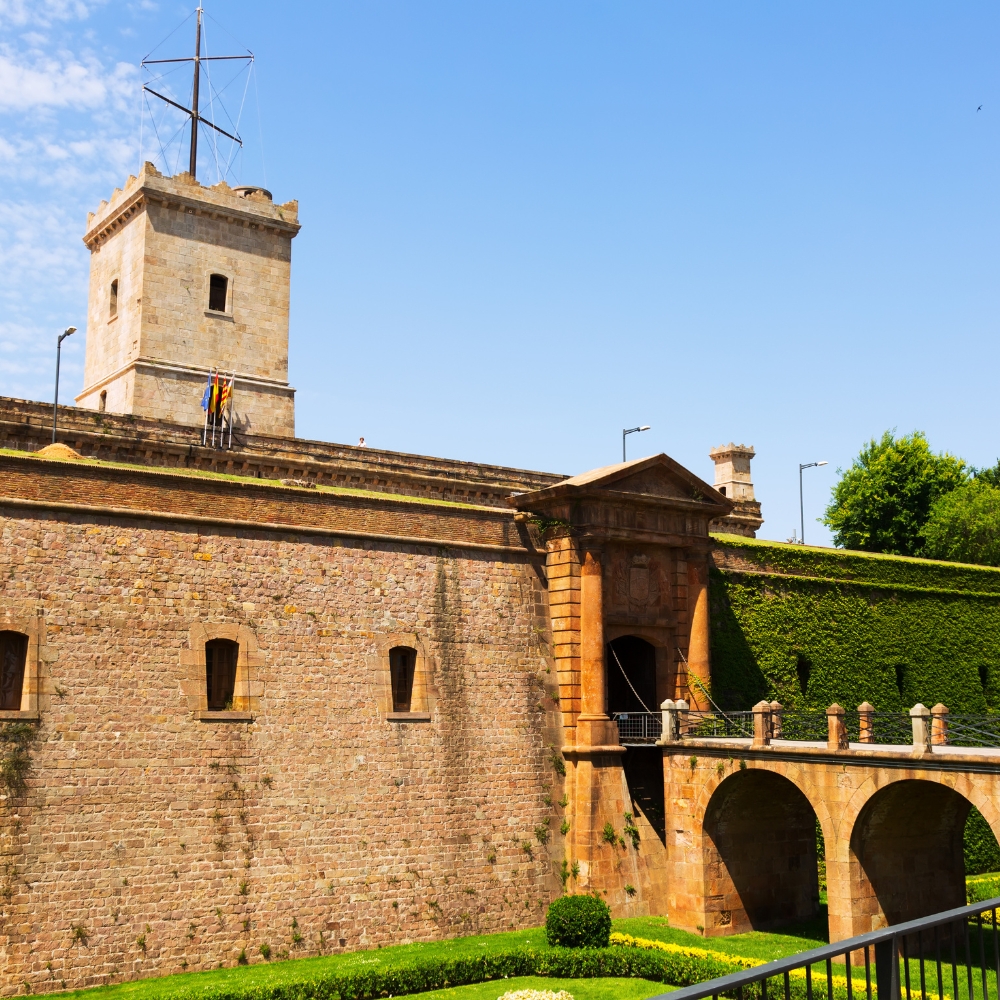
Montjuïc Hill is one of the city’s most useful half-day zones. You can combine gardens, museums, viewpoints, and Montjuïc Castle without feeling rushed if you start early.
The Montjuïc Cable Car is scenic and convenient, though not essential if lines are long. Montjuic Castle gives you harbor views and historical context. If your trip is short, pair the hill with MNAC or Miró and skip trying to see every corner.
Tibidabo and the Temple Skyline
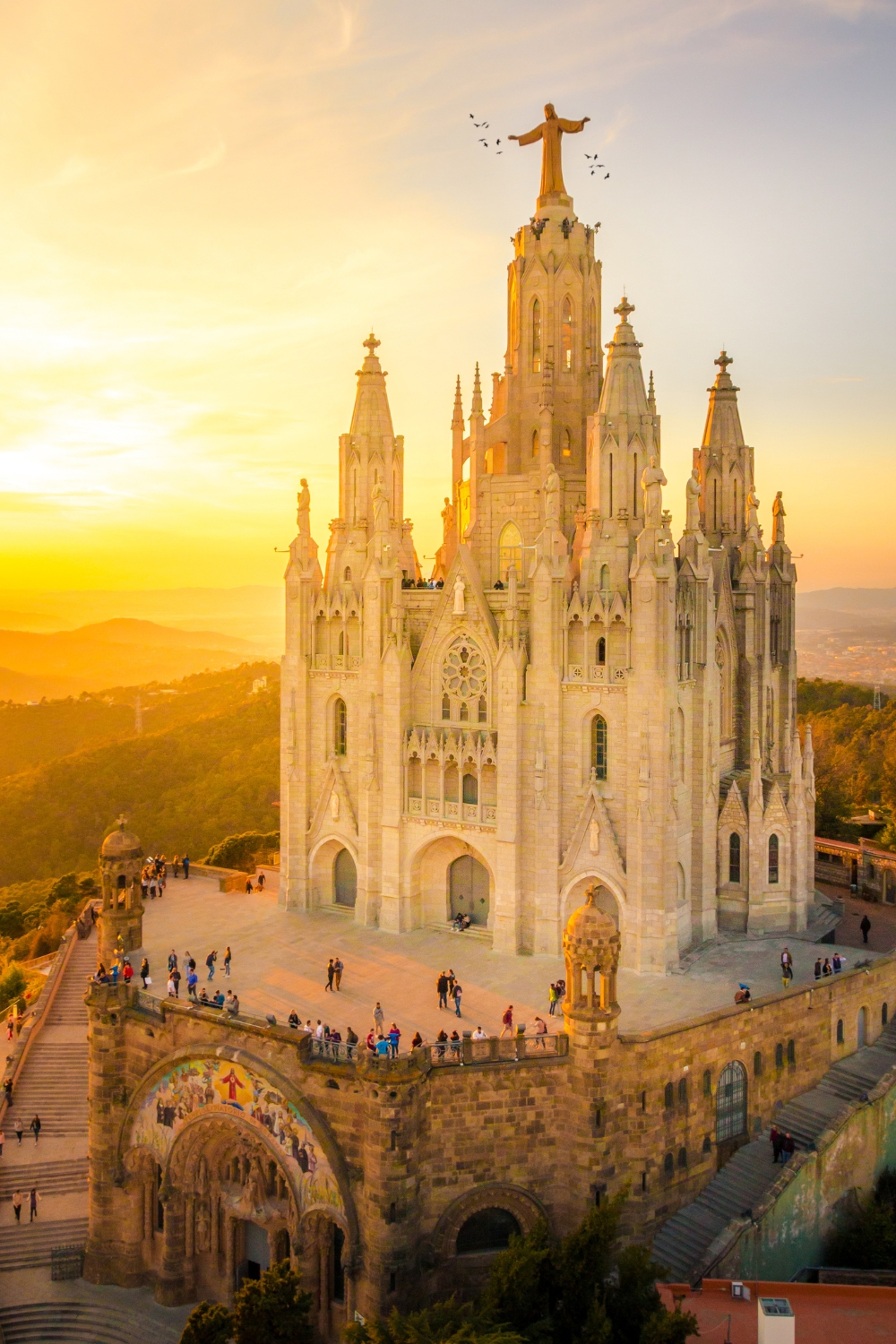
Tibidabo sits high above the city and gives you some of the best views of Barcelona. The Tibidabo Amusement Park is part nostalgia, part viewpoint, and most useful if you enjoy classic rides or are traveling with kids.
The bigger draw for many adults is the Temple Of The Sacred Heart, also known as Temple Expiatori Del Sagrat Cor or simply Sagrat Cor. The skyline setting is the point. Go on a clear day.
Ciutadella Park and the Arc de Triomf Area
Parc de la Ciutadella, or Ciutadella Park, is one of the easiest places to breathe between old-city stops. Locals use it heavily, and that is part of why it works.
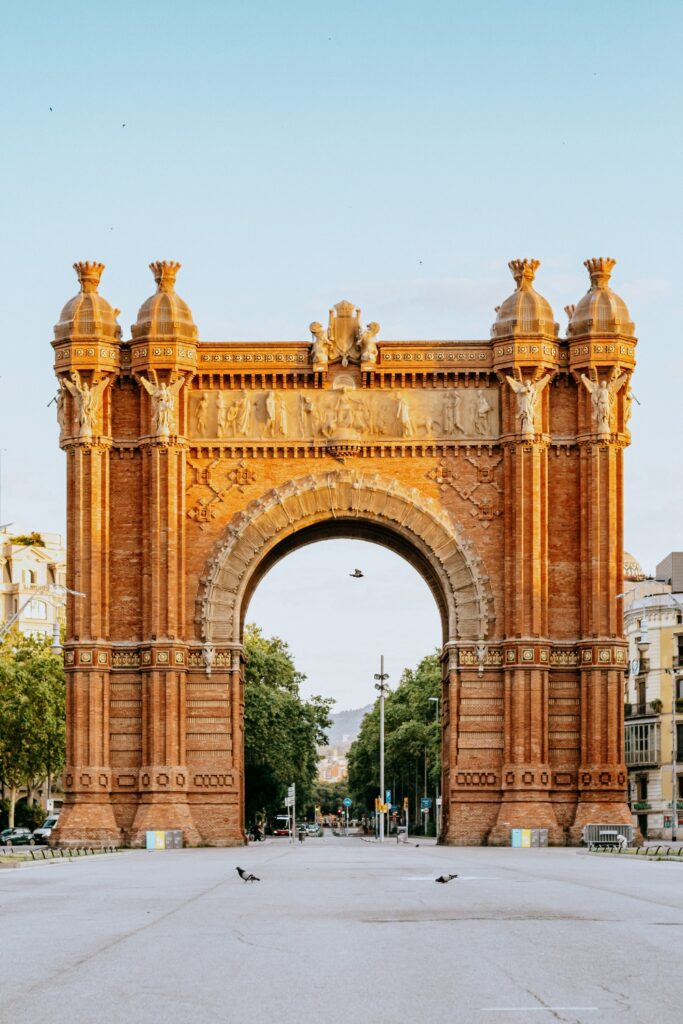
Walk in through Arc de Triomf if you can. The promenade leading to the park is broad and lively, especially on weekends. It is a good place to slow down rather than chase a checklist.
Spotify Camp Nou and FC Barcelona
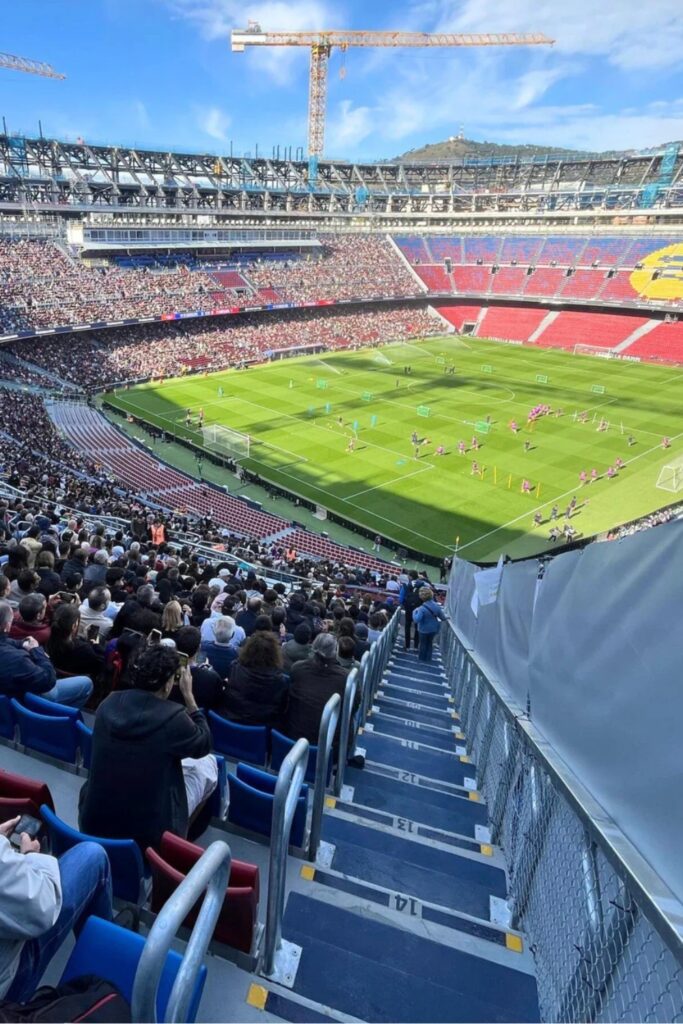
If FC Barcelona matters to you, set aside time for Camp Nou and the FC Barcelona Museum. Renovation work and access conditions can change, so check the current visit format before building your day.
For football fans, the museum is one of the stronger club experiences in Europe. For everyone else, it is optional unless you can attend a match.
La Rambla and La Boqueria
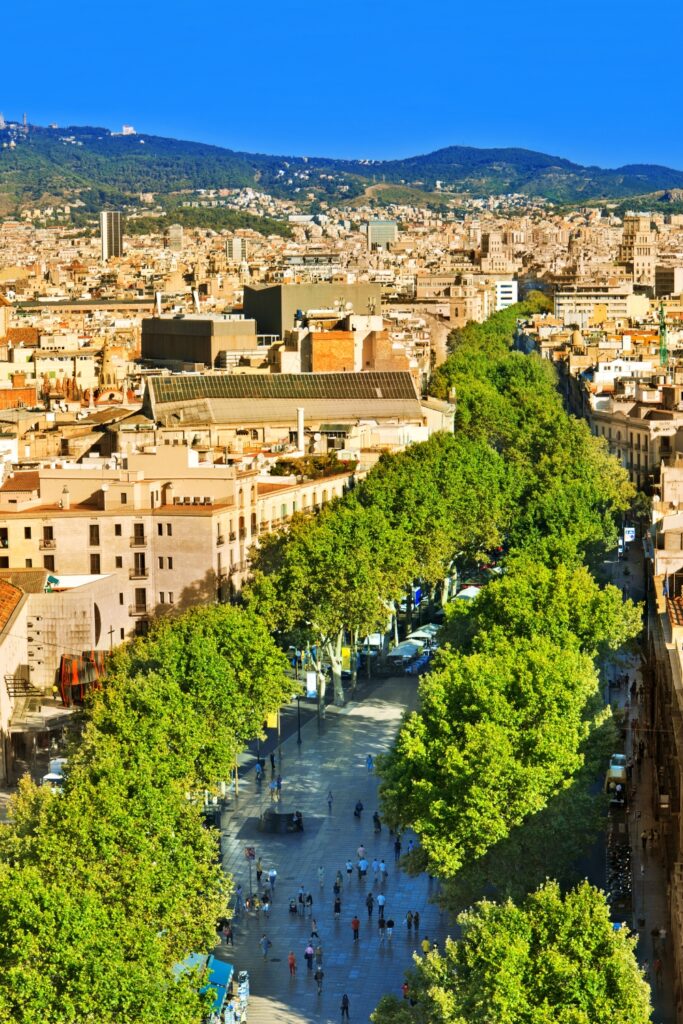
La Rambla, or Las Ramblas, is crowded and touristy, and you should still walk it once. It is part orientation, part people-watching, part route between Plaça de Catalunya and the waterfront.
La Boqueria, also called Boqueria Market, La Boqueria Market, or Mercado de La Boqueria, is best visited in the morning. Treat it as a food market, not a formal meal destination unless you know exactly where you want to eat.
Best Views of Barcelona
If you are chasing the best views of Barcelona, prioritize these:
- Tibidabo
- Bunkers Del Carmel
- Montjuïc Castle
- MNAC terraces
- Sagrada Família towers
- Rooftops along Passeig de Gràcia
A small-group tour can help if you want transport between hilltop viewpoints. If you prefer to organize your own Barcelona activities, choose one high viewpoint and one rooftop, not every option in a single day. Some Barcelona pass products include transport or attraction bundles, though value depends on how many paid sights you actually use.
Food, Day Trips, and Practical Planning
Food can be a major part of your trip without turning your whole plan into a restaurant crawl. The city is also easy to use as a base for short escapes, especially if your Barcelona itinerary extends beyond three days.
Tapas, Vermouth, and Catalan Classics
Eat with local rhythm when you can. Lunch is often a better value than dinner, and vermouth hour is still part of daily life in many neighborhoods.
Look for Catalan cuisine as well as generic tapas. Useful staples include:
- Pa amb Tomàquet
- Bombas
- Croquetas
- Jamón Ibérico
- Esqueixada
- Crema Catalana
- Cava
Flamenco shows exist in Barcelona, though they are not the city’s core cultural identity. If you go, treat it as an evening performance option, not a defining local tradition.
Markets, Cooking Classes, and What to Eat
La Boqueria remains the best-known market, though it is no longer the quiet local stop many travelers imagine. Go early, keep your expectations realistic, and avoid the most obvious tourist traps on the edges.
El Quim De La Boqueria is a well-known market counter if you want a classic splurge. A paella cooking class can be fun if you want a structured food activity, even though Spanish paella is more strongly tied to Valencia than Barcelona.
For more everyday local shopping, add Encants Market or neighborhood markets if your schedule allows. Parc Del Laberint D’Horta is not a food stop, though it is a good quieter add-on for return visitors.
Montserrat and Other Easy Escapes
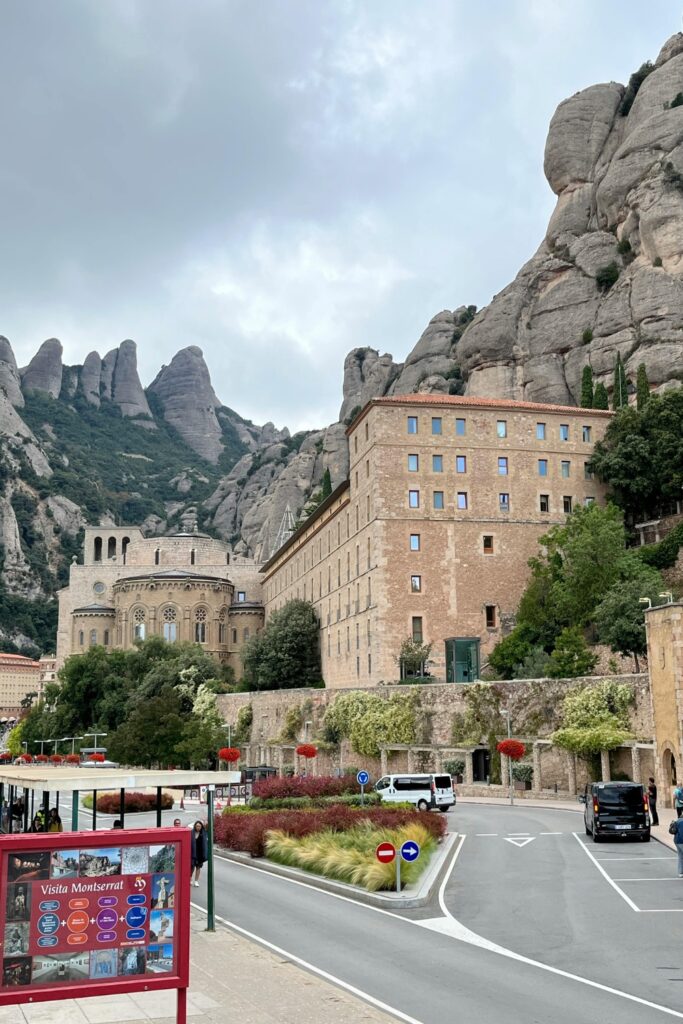
Montserrat is the easiest high-value day trip from Barcelona. Montserrat Abbey, mountain views, and short walking routes make it rewarding even if you do not hike far.
Other good day trips from Barcelona include the Costa Brava for coast scenery and beach towns. If you have only three days in the city, I would skip outside trips. If you have five or more, one escape makes sense.
When to Book Ahead and What Passes Help
Book these ahead as a rule:
- Sagrada Família
- Park Güell
- Casa Batlló
- Casa Milà
- Picasso Museum
- Popular Montserrat tours
- Camp Nou visits, if operating [EDITOR: Verify current info]
A Barcelona Pass can help if you are doing many paid attractions in a short window. It is less useful if you prefer neighborhoods, beaches, parks, and long meals. Articket Bcn is often the better-value museum product for art-focused travelers.
Smart Planning for Time, Budget, and Safety
For a first trip, three full days is the minimum. Four to five days gives you a better mix of Barcelona attractions, Barcelona museums, food, beach time, and one slower neighborhood day.
Use this quick planning guide:
| Trip Length | Best Focus |
|---|---|
| 1 day | Sagrada Família, Gothic Quarter, Passeig de Gràcia, La Boqueria |
| 2 days | Add Park Güell, one museum, Barceloneta or Montjuïc |
| 3 days | Add Gràcia, more Gaudí, one major viewpoint |
| 4 to 5 days | Add Montjuïc museums, a beach half day, or Montserrat |
Budget-wise, architecture tickets add up fast. Choose your top two or three paid landmarks and balance them with free walking time.
Safety is mostly about pickpocket awareness. Watch your phone on La Rambla, in the metro, around crowded church entrances, and at beach areas. Keep bags zipped and avoid putting valuables on café tables near the street.
Barcelona is at its best when your plan has shape without becoming rigid. Pick your anchor sights, leave room to walk, and let each neighborhood show you a different version of the city.