
Casa Batlló stands as one of Antoni Gaudí’s most extraordinary creations and remains among Barcelona’s most visited attractions. This comprehensive Casa Batlló guide will help you plan your visit to this architectural masterpiece, covering everything from ticket options to insider tips for making the most of your experience.
What Is Casa Batlló?
Casa Batlló is a UNESCO World Heritage Site located in the heart of Barcelona’s Passeig de Gràcia. Originally built in 1877, the building was completely redesigned by Antoni Gaudí between 1904 and 1906 for the textile industrialist Josep Batlló. The result is a stunning example of Catalan Modernisme that continues to captivate visitors more than a century later.
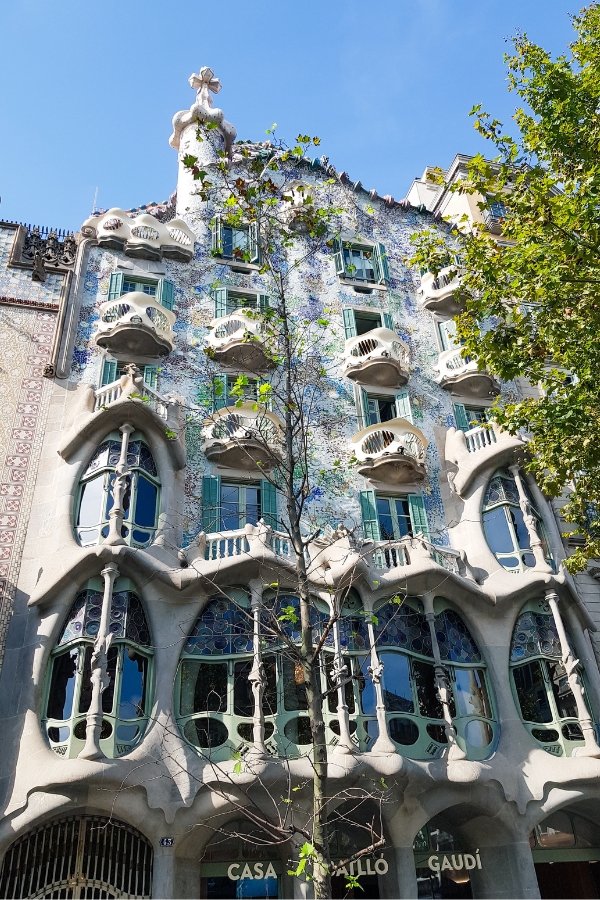
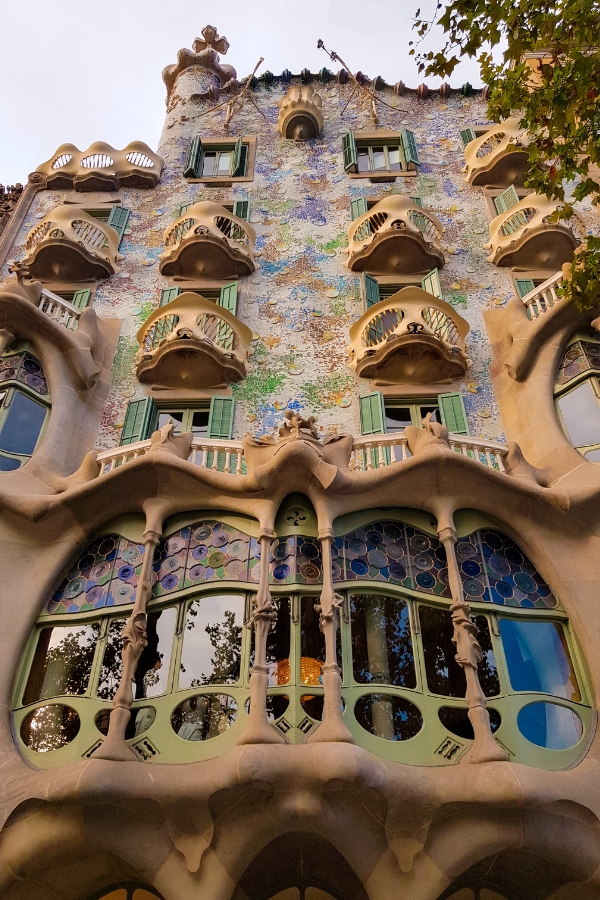
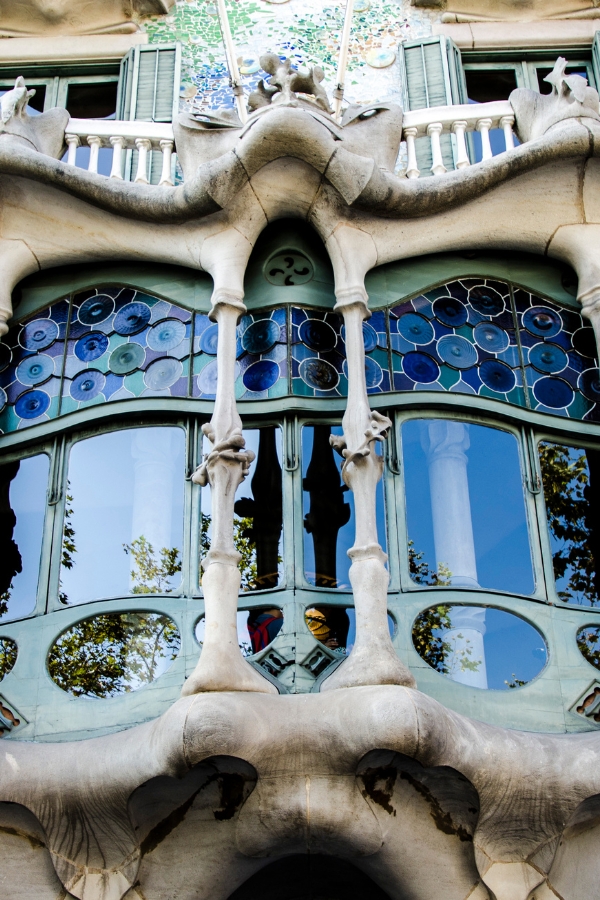
The building’s facade resembles a living organism, with skeletal balconies, colorful ceramic tiles, and undulating stone work that seems to breathe. Locals often refer to it as the “House of Bones” or “House of Yawns” due to its organic appearance. Every detail, from the door handles to the ceiling designs, reflects Gaudí’s genius and his deep connection to nature.
Book a Barcelona Tour Today
Why Visit Casa Batlló?
Visiting Casa Batlló offers an unparalleled glimpse into Gaudí’s creative mind. Unlike some Barcelona attractions that can feel overcrowded or commercialized, Casa Batlló maintains its magical atmosphere while providing modern amenities for visitors.
The building showcases Gaudí’s innovative approach to architecture, where functionality meets artistry. Natural light floods through specially designed windows and courtyards, ventilation systems work seamlessly with the aesthetic design, and every curve serves both a practical and beautiful purpose.
The immersive experience includes augmented reality technology that brings Gaudí’s vision to life, showing you how the architect imagined each space. This blend of historic architecture and modern technology makes visiting Casa Batlló a unique experience you won’t find anywhere else.
Casa Batlló Tickets: Types and Options
When planning your visit, understanding the various Casa Batlló tickets available will help you choose the best option for your needs and budget.
Blue Ticket (Standard Admission)
The Blue Ticket is the standard admission option for visiting Casa Batlló. This ticket includes:
- Access to all areas of the house
- 10D immersive experience
- Video guide with augmented reality
- SmartGuide available in multiple languages
- Access to the Noble Floor, attic, rooftop terrace, and patio
The Blue Ticket is the most popular choice among visitors and provides excellent value for a comprehensive Casa Batlló experience.
Silver Ticket (Skip-the-Line)
The Silver Ticket offers the same benefits as the Blue Ticket but with priority access, allowing you to bypass queues. This option is particularly valuable during peak tourist season (April through October) when wait times can exceed an hour.
Gold Ticket (Premium Experience)
For those seeking an enhanced experience, the Gold Ticket includes:
- Fast-track entry
- All standard attractions
- Access to exclusive areas
- Extended rooftop terrace access
- Premium gift
Night Tickets and Special Events
Casa Batlló offers various special experiences beyond standard daytime visits:
- Magic Nights: Evening visits featuring live music performances on the Noble Floor, creating an enchanting atmosphere as you explore the illuminated spaces.
- Be the First: Early morning access before the general public arrives, offering a more intimate experience with fewer crowds.
- Cultural Events: Throughout the year, Casa Batlló hosts concerts, exhibitions, and special presentations that provide unique perspectives on the building.
Casa Batlló Price: What to Expect
The Casa Batlló price varies depending on the ticket type and when you book. As of 2026, approximate pricing is:
- Blue Ticket: €35-40 per adult
- Silver Ticket: €40-45 per adult
- Gold Ticket: €55-65 per adult
- Magic Nights: €55-60 per adult
- Be the First: €45-50 per adult
Money-Saving Tips:
- Book online in advance: You’ll typically save 5-10% compared to purchasing tickets at the door
- Check for combination tickets: Some Barcelona pass options include Casa Batlló admission
- Student and senior discounts: Bring valid identification for reduced rates
- Children under 7: Generally enter free with a paying adult
- Resident discounts: Barcelona residents receive significant discounts with proof of residence
The Casa Batlló price includes all the technology and immersive experiences, making it reasonable value when compared to other major European attractions. Remember that prices may fluctuate seasonally, with slight increases during peak summer months.
**Personal Experience** – I visited Casa Batlló in June 2025 without booking my ticket in advance. I was unable to get in as there was a four week waiting list for tickets. Please don’t make the same mistake I did, especially if you are visiting during peak season. Book your ticket well in advance. Casa Batlló and La Sagrada Familia are the two most visited sites in Barcelona so pre-booking for both is a definite ‘to do’.
How to Visit Casa Batlló: Practical Planning
Location and Getting There
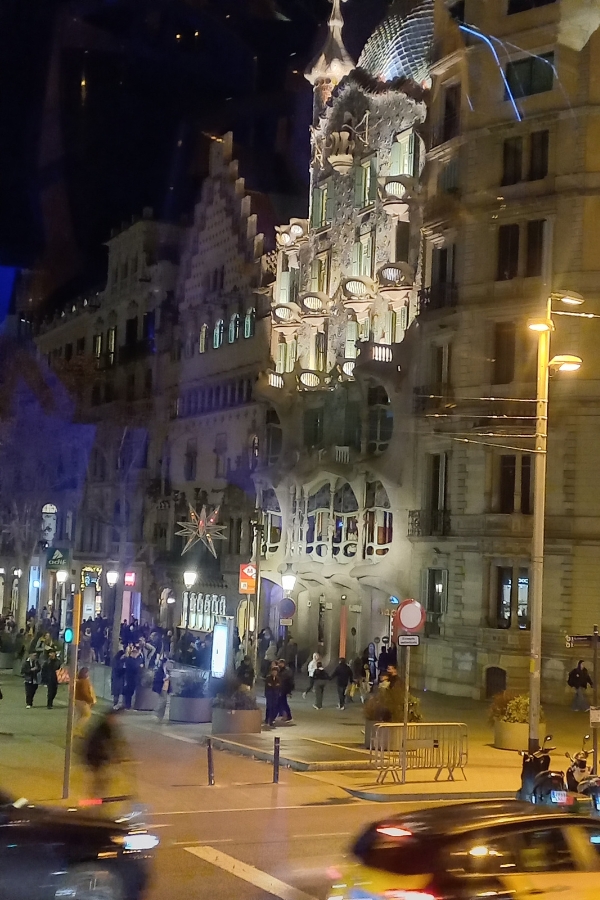
Casa Batlló is located at Passeig de Gràcia, 43, in Barcelona’s Eixample district. This prime location makes it easily accessible by various transportation methods:
- By Metro: Take the L2, L3, or L4 line to Passeig de Gràcia station. The building is just a 2-minute walk from the metro exit.
- By Bus: Multiple bus lines stop nearby, including the H10, V15, 7, 22, and 24.
- By Train: Passeig de Gràcia train station serves both local and regional lines.
- On Foot: If you’re staying in central Barcelona, Casa Batlló is within walking distance of many hotels and other attractions.
Best Time to Visit
Timing your visit strategically can significantly enhance your experience when visiting Casa Batlló:
Best Times of Day:
- Early morning (9:00-10:30 AM): Fewer crowds and beautiful natural lighting
- Late afternoon (after 5:00 PM): Crowds thin out, and you can experience the building as daylight fades
- Weekday mornings: Typically less crowded than weekends
Best Months:
- November through March: Lower tourist volumes, though weather may be cooler
- April-May and September-October: Pleasant weather with moderate crowds
Times to Avoid:
- July and August: Peak season with maximum crowds
- Midday (11:00 AM-3:00 PM): Busiest period regardless of season
- Weekends and holidays: Significantly more crowded throughout the day
Booking Your Tickets
The best way to secure your visit is by booking Casa Batlló tickets online through their official website (casabatllo.es). Here’s how to book:
- Visit the official website: Avoid third-party resellers who may charge additional fees
- Select your preferred date and time: Tickets are issued for specific time slots
- Choose your ticket type: Consider your budget and desired experience level
- Complete payment: Major credit cards and digital payment methods accepted
- Receive your e-ticket: Save it on your phone or print it for entry
Booking Timeline:
- Tickets become available approximately 2-3 months in advance
- Popular time slots sell out weeks ahead during high season
- Book at least 2-3 weeks ahead for summer visits
- Last-minute tickets may be available for off-season weekdays
Entry Process
When you arrive for your visit:
- Arrive 10 minutes before your scheduled time: This ensures you don’t miss your slot
- Present your e-ticket: Staff will scan it at the entrance
- Collect your SmartGuide: Available in 15+ languages
- Optional coat check: Free storage available for bags and coats
- Begin your exploration: Follow the recommended route or explore at your own pace
Inside Casa Batlló: What to See
The Façade
Before entering, spend time appreciating the extraordinary facade. The trencadís technique (broken ceramic tile mosaic) creates a shimmering, scale-like surface in shades of blue and green. The skeletal balconies and bone-like columns give the building its “House of Bones” nickname.
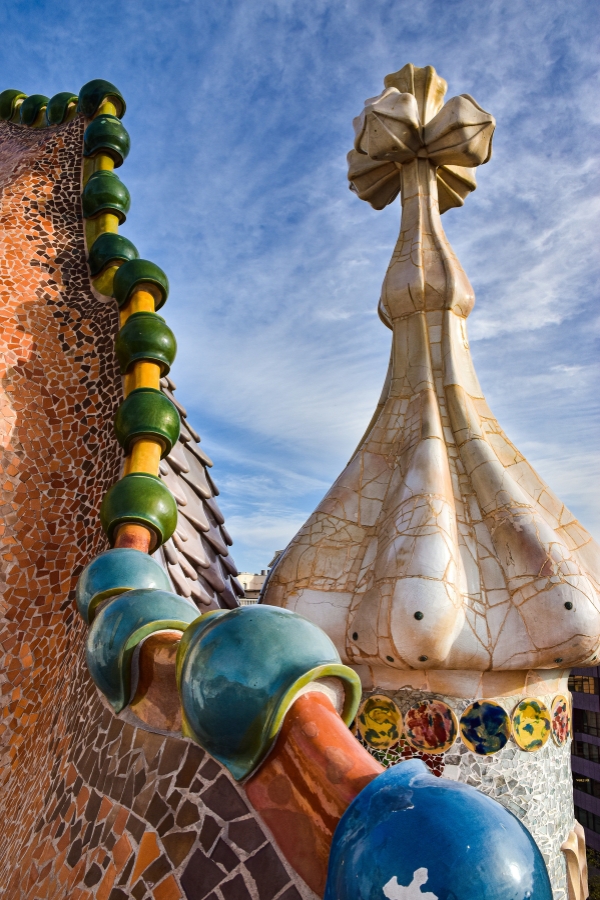
Look for the dragon scales representing Saint George’s dragon—a theme throughout Catalan architecture. The cross-shaped tower at the top symbolizes the saint’s sword plunged into the dragon’s back.
The Noble Floor
The main floor (piano nobile) was the Batlló family’s private residence. Highlights include:
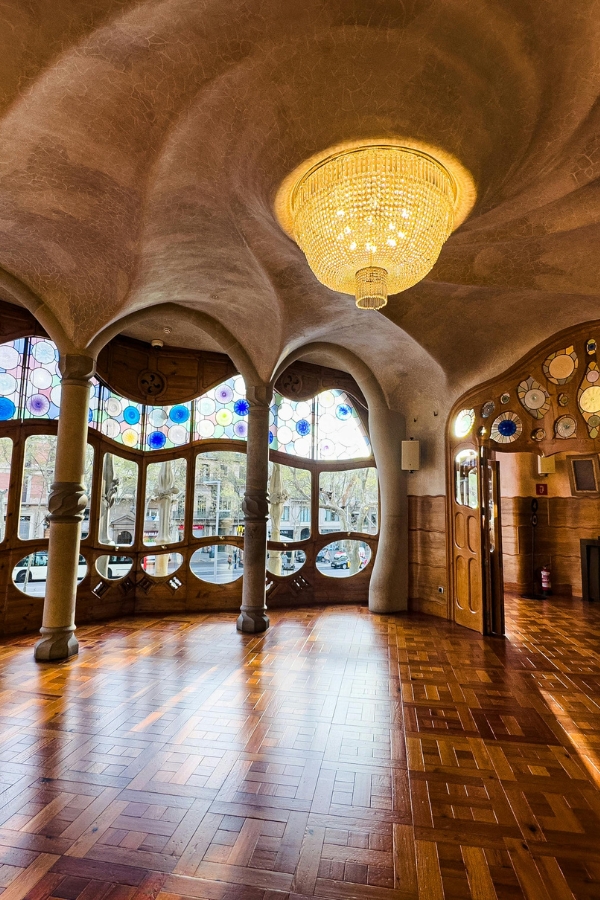
- The Main Salon: Features undulating ceilings resembling the sea’s surface, with a stunning window overlooking Passeig de Gràcia. The spiral ceiling design creates a whirlpool effect, while natural light floods through the expansive bay windows.
- Dining Room: Notice the organic ceiling details and the fireplace with its mushroom-shaped design. The augmented reality experience here reveals Gaudí’s inspiration from underwater life.
- Private Rooms: The family’s intimate spaces showcase Gaudí’s attention to detail, with custom-designed door handles, window latches, and lighting fixtures.
The Light Well and Staircase
One of Gaudí’s most ingenious solutions was the central light well. He designed it to distribute light evenly throughout the building using ceramic tiles that transition from white on the upper floors to deep blue at the bottom. The windows also vary in size—small at the top where light is abundant and larger below where natural light is scarcer.
The wooden staircase features an organic spine-like banister that feels alive under your hand.
The Attic
The attic houses 60 catenary arches that resemble a dragon’s ribcage or perhaps a whale’s belly. This space originally served as storage and service areas but now functions as an exhibition space explaining Gaudí’s techniques and inspiration.
The whitewashed walls and elegant curves create a meditative atmosphere, offering a contrast to the colorful spaces below. Interactive displays help visitors understand Gaudí’s innovative structural solutions.
The Rooftop Terrace
The rooftop is many visitors’ favorite area. Here you’ll find:
- Dragon-scale roof tiles: Creating a multicolored, iridescent surface
- Chimneys and ventilation towers: Transformed into sculptural elements resembling warrior heads
- The Cross Tower: Symbolizing Saint George’s victory
- 360-degree views: Panoramic perspectives of Barcelona, including views of Sagrada Família and Pedrera
The rooftop demonstrates how Gaudí transformed functional elements into art. Even the ventilation systems become beautiful sculptures.
The Patio and Courtyard
The rear patio showcases another ingenious design where Gaudí played with light and color. The ceramic tiling creates beautiful effects as natural light changes throughout the day.
The Augmented Reality Experience
When visiting Casa Batlló, you’ll receive a SmartGuide with augmented reality features. This technology enhances your experience by:
- Showing the spaces as they looked when inhabited: Period furniture and family members appear in rooms
- Revealing Gaudí’s nature-inspired vision: Sea creatures, plants, and organic forms animate before your eyes
- Providing historical context: Stories about the Batlló family and construction process
- Explaining architectural innovations: Technical details made accessible and engaging
The 10D experience in certain rooms adds multi sensory elements including sound, light, and even scent to create an immersive journey through Gaudí’s imagination.
Tips for Visiting Casa Batlló
What to Wear
- Comfortable shoes: You’ll be on your feet for 1.5-2 hours
- Layers: Temperature varies between floors and seasons
- No dress code: Casual attire is perfectly acceptable
What to Bring
- Charged smartphone: For the SmartGuide and photos
- Camera: Photography is permitted throughout (no flash)
- Water bottle: Can be carried but be mindful of delicate surfaces
- Light bag: Large backpacks may need to be checked
What Not to Do
- Don’t touch surfaces: Oils from hands damage historic materials
- Avoid flash photography: Damages sensitive surfaces and disturbs other visitors
- Don’t rush: Allow at least 90 minutes for a thorough visit
- Skip the audio guide at your peril: You’ll miss crucial context
Photography Tips
- Best photo spots: The rooftop, main salon window, and light well staircase
- Natural lighting: Morning light is ideal for interior shots
- Wide-angle lens: Helpful for capturing entire rooms
- Details matter: Zoom in on door handles, tiles, and smaller decorative elements
- Be courteous: Don’t block pathways while composing shots
Combining Casa Batlló with Other Attractions
Casa Batlló’s location on Passeig de Gràcia makes it easy to combine with other Barcelona highlights:
Nearby Gaudí Sites
- Casa Milà (La Pedrera): Just 500 meters away, another Gaudí masterpiece
- Casa Amatller: Directly next door, designed by Josep Puig i Cadafalch in a different Modernista style
- Sagrada Família: About 15 minutes away by metro, Gaudí’s most famous unfinished work
Shopping and Dining
- Passeig de Gràcia: Barcelona’s premier shopping street with luxury boutiques
- Casa Amatller Café: Stop next door for chocolate and pastries in another Modernist building
- Cervecería Catalana: Excellent tapas restaurant just a few blocks away
- La Boqueria Market: 15-minute walk to Barcelona’s famous food market
Sample Itineraries
Half-Day Gaudí Tour:
- 9:00 AM: Casa Batlló
- 11:00 AM: Walk to Casa Milà
- 1:00 PM: Lunch on Passeig de Gràcia
- 2:30 PM: Metro to Sagrada Família
Modernista Architecture Day:
- Morning: Casa Batlló and Casa Amatller
- Lunch: Nearby restaurant
- Afternoon: Hospital de Sant Pau and Palau de la Música Catalana
- Evening: Stroll through the Gothic Quarter
Casa Batlló vs. Other Gaudí Buildings
Many visitors wonder how to prioritize Gaudí’s works. Here’s how Casa Batlló compares:
Casa Batlló vs. Casa Milà (La Pedrera)
Casa Batlló strengths:
- More colorful and fantastical
- Superior augmented reality experience
- Better preserved interior spaces
- More compact, easier to navigate
Casa Milà strengths:
- Larger rooftop with more dramatic sculptures
- Less crowded at similar times
- Often slightly cheaper tickets
- Unique “Gaudí’s Pedrera” exhibition
Verdict: If you can only visit one, Casa Batlló offers a more complete and magical experience, though both are worthwhile.
Casa Batlló vs. Sagrada Família
These serve different purposes and aren’t directly comparable:
- Sagrada Família is a church and Gaudí’s life work—monumental, spiritual, and awe-inspiring in scale.
- Casa Batlló is an intimate residential space showcasing Gaudí’s playful creativity and attention to detail.
Recommendation: Visit both if possible, as they represent different aspects of Gaudí’s genius.
Casa Batlló vs. Park Güell
Park Güell offers:
- Outdoor experience with city views
- Free public areas (though main monuments require tickets)
- Larger scale and more space to explore
- Different architectural style
Casa Batlló offers:
- Climate-controlled indoor experience
- More complete vision of a single project
- Better technology integration
- Deeper insight into daily life and Gaudí’s residential work
Recommendation: Park Güell for those who prefer outdoor attractions and want to avoid enclosed spaces; Casa Batlló for architecture enthusiasts and those interested in design details.
Accessibility Information
Casa Batlló strives to accommodate all visitors, though the historic nature of the building presents some challenges:
Physical Accessibility
- Elevator access: Available to most floors
- Wheelchair accessibility: The Noble Floor, rooftop, and courtyard are accessible
- Limited access: The attic involves stairs and may be challenging for mobility-impaired visitors
- Wheelchair rental: Available upon request
- Accessible restrooms: Located on-site
Audio Guides for Vision-Impaired Visitors
- Audio descriptions: Detailed verbal descriptions of spaces and features
- Tactile models: Available at reception to help visualize the building’s structure
- Guided assistance: Staff can provide additional support if requested in advance
Additional Accommodations
Contact Casa Batlló in advance (at least 48 hours) if you have specific accessibility needs. The staff is generally accommodating and will work to ensure your visit is enjoyable.
Frequently Asked Questions
How long does a visit to Casa Batlló take?
Plan for 1.5 to 2 hours for a thorough visit. Rushing through in less than an hour means you’ll miss significant details, while some visitors spend 2.5 hours exploring every corner and enjoying the augmented reality features fully.
Can I visit Casa Batlló without a reservation?
While technically possible, it’s not recommended. Same-day tickets are often unavailable during peak seasons, and when available, they’re more expensive than advance bookings. Additionally, you may face long waiting lines.
Is Casa Batlló worth the price?
Most visitors agree that the Casa Batlló price is justified. The combination of stunning architecture, technological enhancements, and well-preserved spaces creates a memorable experience. When compared to other major European attractions, the price is competitive for the quality offered.
Can children visit Casa Batlló?
Absolutely! Children under 7 typically enter free, and older children often find the augmented reality features particularly engaging. However, parents should supervise children carefully around delicate historic features.
Is photography allowed?
Yes, photography is permitted throughout Casa Batlló for personal use. Flash photography is prohibited as it can damage sensitive materials. Tripods and professional photography equipment require advance permission.
What language is the audio guide available in?
The SmartGuide is available in 15+ languages including English, Spanish, Catalan, French, German, Italian, Portuguese, Russian, Japanese, Chinese, Korean, and more.
Can I bring food or drinks inside?
Water bottles are generally permitted, but eating food inside is not allowed. There’s no café inside Casa Batlló, so plan to eat before or after your visit.
Are there coat check facilities?
Yes, free coat check and bag storage are available at the entrance. This is particularly useful during winter visits or if you’re carrying shopping bags.
Can I re-enter if I leave?
No, tickets are valid for single entry only. Once you exit, you cannot re-enter with the same ticket.
Is there a gift shop?
Yes, Casa Batlló has a well-curated gift shop with Gaudí-inspired items, books, replicas, and Barcelona souvenirs. It’s located near the exit.
The History Behind Casa Batlló
Understanding the history enriches your experience when visiting Casa Batlló.
The Original Building
In 1877, Emili Sala Cortés designed and built the original Casa Batlló in a conventional style typical of Barcelona’s Eixample district. The building served as a residential property for several decades without particular distinction.
Josep Batlló’s Vision
Josep Batlló i Casanovas, a wealthy textile industrialist, purchased the building in 1903. Initially, he planned to demolish it and construct something entirely new. However, Gaudí convinced him that a complete renovation would be more economical and potentially more spectacular.
Gaudí’s Transformation (1904-1906)
Between 1904 and 1906, Gaudí completely reimagined the building. Working with his frequent collaborator Josep Maria Jujol, Gaudí:
- Redesigned the entire facade
- Reconfigured interior spaces
- Added the fifth floor and rooftop terrace
- Incorporated revolutionary ventilation and lighting systems
- Created custom furniture and fixtures
The project showcased Gaudí at the height of his creative powers, during the same period he was working on Park Güell and before beginning Sagrada Família.
The Batlló Family Period
The Batlló family lived on the Noble Floor from 1906 until the 1950s. The remaining floors were rented to other families, making Casa Batlló a functioning apartment building rather than a single-family mansion.
Modern Era
In 1954, the building changed hands, eventually being purchased by the Bernat family in 1993. They undertook extensive restoration work and opened it to the public, allowing visitors worldwide to experience Gaudí’s genius.
In 2005, UNESCO added Casa Batlló to the World Heritage List as part of the “Works of Antoni Gaudí” designation, recognizing its outstanding universal value.
Understanding Gaudí’s Symbolism
Casa Batlló is rich with symbolism, much of it related to Catalan identity and natural forms:
The Saint George Legend
Many architectural elements reference the legend of Saint George (Sant Jordi), Catalonia’s patron saint, who slayed a dragon:
- The roof represents the dragon’s back with its scale-like tiles
- The tower with cross symbolizes Saint George’s sword thrust into the dragon
- The skeletal balconies may represent victims of the dragon
- The colorful facade suggests the dragon’s skin
Nature-Inspired Design
Gaudí famously said, “There are no straight lines or sharp corners in nature.” Casa Batlló embodies this philosophy:
- Marine influences: The Noble Floor ceiling resembles water ripples, and augmented reality reveals underwater creatures
- Bone structures: The columns and balconies echo skeletal forms
- Organic shapes: Every curve follows natural patterns rather than geometric precision
- Floral motifs: Stained glass and tile work feature flowers and plants
Light and Color
Gaudí’s manipulation of light reaches its peak at Casa Batlló:
- The blue gradient in the light well compensates for decreasing natural light
- Varied window sizes ensure even light distribution
- Stained glass creates colorful light patterns throughout the day
- Reflective surfaces amplify available light in darker spaces
Sustainability and Innovation
Even in the early 1900s, Gaudí incorporated sustainable design principles:
Natural Ventilation
The building’s ventilation system works without mechanical assistance:
- Courtyards and light wells create air currents
- Window designs promote cross-ventilation
- Temperature regulation through architectural design
- Reduced need for heating and cooling
Natural Lighting
Strategic design maximizes natural light:
- Light well optimization reduces need for artificial lighting
- Variable window sizes ensure even distribution
- Reflective surfaces amplify available light
- Color choices enhance brightness
Structural Innovation
Gaudí’s engineering was ahead of its time:
- Catenary arches distribute weight efficiently
- Iron beams support the facade renovation
- Load-bearing walls repositioned to create open spaces
- Structural elements double as decorative features
Final Tips for Visiting Casa Batlló
Before You Go
- Book tickets 2-3 weeks ahead for best availability and prices
- Check weather if planning rooftop photography
- Charge your phone fully for the SmartGuide
- Wear comfortable shoes for standing and walking
- Review basic Gaudí history to enhance appreciation
During Your Visit
- Follow the suggested route for logical flow
- Take your time with the augmented reality features
- Look up frequently – ceiling details are extraordinary
- Touch the handrails (they’re designed to be held)
- Visit the rooftop last for a memorable conclusion
After Your Visit
- Explore the gift shop for quality souvenirs
- Visit Casa Amatller next door for comparison
- Enjoy the neighborhood – Passeig de Gràcia offers excellent dining
- Share your experience but encourage others to see it themselves
- Consider visiting other Gaudí works to understand his evolution
Conclusion
Casa Batlló represents one of the most extraordinary architectural achievements of the 20th century. This comprehensive Casa Batlló guide has covered everything you need to know for planning and enjoying your visit, from understanding ticket options and pricing to appreciating the deeper symbolism within Gaudí’s design.
When visiting Casa Batlló, you’re not simply touring a historic building—you’re stepping into the mind of a genius who saw architecture as a living, breathing art form. Every curve, color, and detail serves a purpose while simultaneously delighting the eye. The integration of modern technology through augmented reality enhances rather than distracts from the historic experience, making Casa Batlló accessible and engaging for visitors of all ages and backgrounds.
Why Casa Batlló Should Be on Your Barcelona Itinerary
Among Barcelona’s many attractions, Casa Batlló stands out for several reasons. The building offers an intimate glimpse into how Modernist families lived while showcasing architectural innovation that remains relevant today. Unlike larger monuments that can feel impersonal, Casa Batlló maintains a human scale that allows you to imagine daily life within its walls.
The manageable size means you can thoroughly explore everything in about two hours without feeling rushed or overwhelmed. The augmented reality technology is genuinely helpful rather than gimmicky, providing context and revealing hidden aspects of Gaudí’s vision. The preservation quality is exceptional, allowing you to see colors, textures, and details as they appeared over a century ago.
Making the Most of Your Investment
Given the Casa Batlló price, you’ll want to maximize your experience. Booking in advance online saves money and guarantees entry at your preferred time. Choosing early morning or late afternoon slots means fewer crowds and better lighting for photography. Allowing at least 90 minutes ensures you can appreciate details without rushing.
The SmartGuide is essential—don’t skip it or hurry through the augmented reality segments. These features transform your visit from simply viewing beautiful spaces to understanding the genius behind them. Pay particular attention to the explanations of Gaudí’s innovative solutions for light, ventilation, and structural challenges.
Beyond the Visit
Your Casa Batlló experience naturally leads to exploring more of Barcelona’s Modernist heritage. The building sits in the heart of the Quadrat d’Or (Golden Square), where the city’s wealthiest families commissioned elaborate homes from leading architects. Walking along Passeig de Gràcia reveals dozens of remarkable buildings, each contributing to Barcelona’s unique architectural character.
Consider how Casa Batlló fits within Gaudí’s broader body of work. His earlier projects show developing style, while later works like Sagrada Família represent his ultimate vision. Casa Batlló, created during his mature period, perfectly balances imagination with livability, fantasy with function.
Preserving the Legacy
When visiting Casa Batlló, remember that you’re experiencing a fragile piece of history. The building has survived wars, political upheavals, and changing tastes to reach the present day. Following guidelines about touching surfaces, using flash photography, and respecting other visitors helps preserve this treasure for future generations.
The entrance fees directly support ongoing conservation efforts. Historic buildings require constant maintenance, and the revenue from visitors funds restoration work, research, and educational programs. Your visit contributes to keeping Gaudí’s legacy alive and accessible.
The Lasting Impact
Most visitors leave Casa Batlló with a changed perspective on what architecture can be. Gaudí’s insistence that buildings should harmonize with nature, enhance human well-being, and inspire wonder remains revolutionary. In an era of standardized construction and efficiency-driven design, Casa Batlló reminds us that spaces can nurture the soul while serving practical needs.
The building demonstrates that sustainability and beauty aren’t opposing goals. Gaudí’s natural ventilation systems, strategic lighting design, and use of local materials anticipated modern green architecture by a century. His work proves that environmental responsibility and aesthetic excellence can coexist.
Planning Your Visit: Final Checklist
As you prepare for visiting Casa Batlló, use this final checklist:
Two Weeks Before:
- ✓ Book Casa Batlló tickets online
- ✓ Check weather forecast for your visit date
- ✓ Plan surrounding activities and restaurant reservations
- ✓ Review this Casa Batlló guide for key information
One Day Before:
- ✓ Confirm your ticket and time slot
- ✓ Charge your smartphone fully
- ✓ Check Casa Batlló’s website for any updates or closures
- ✓ Plan your route to Passeig de Gràcia
Day of Visit:
- ✓ Arrive 10 minutes early
- ✓ Bring your e-ticket (digital or printed)
- ✓ Wear comfortable shoes
- ✓ Bring a light jacket (temperature varies between floors)
- ✓ Empty your camera/phone memory for photos
How to Visit Casa Batlló: Your Questions Answered
This guide has addressed the most common questions about how to visit Casa Batlló, from logistical concerns to interpretive guidance. Whether you’re an architecture enthusiast, a casual tourist, or someone seeking inspiration, Casa Batlló offers something meaningful.
The key to a successful visit is preparation without over-planning. Know the basics—ticket type, arrival time, what to expect—but remain open to surprise and wonder. Some of the most memorable moments come from unexpected details: the way light filters through a window at a particular hour, the feel of a door handle designed for human hands, or the sudden realization of how a decorative element serves a practical purpose.
The Barcelona Experience
Casa Batlló also serves as an excellent introduction to Barcelona’s character. The city embraces creativity, values craftsmanship, and maintains deep connections to Catalan identity while welcoming the world. The building embodies these qualities, making it more than just an attraction—it’s a gateway to understanding what makes Barcelona special.
After visiting Casa Batlló, you’ll notice Modernist details throughout the city that you might otherwise have missed. Doorways, lampposts, building facades, and park benches reveal Barcelona’s commitment to design excellence. The city becomes a living museum where daily life unfolds amid extraordinary architecture.
Value for Your Barcelona Trip
At current Casa Batlló price points, some travelers wonder if the cost is justified. Consider that you’re gaining access to a meticulously preserved UNESCO World Heritage Site with cutting-edge interpretive technology, typically for less than the cost of a nice dinner. The memories and photographs will last far longer than any meal, and the inspiration you’ll gain is priceless.
Compared to other major European attractions—the Eiffel Tower, Versailles, the Colosseum—Casa Batlló offers similar or better value with smaller crowds and a more intimate experience. The included SmartGuide and augmented reality features cost extra at many comparable sites.
Sharing Your Experience
After your visit, you’ll likely want to share your experience with others. While photos capture the visual splendor, the sensory experience—the feel of organic door handles, the play of light through stained glass, the acoustic qualities of the main salon—defies documentation. This ineffable quality makes Casa Batlló special and ensures that no amount of research or photo-viewing can replace actually visiting.
When friends ask for Barcelona recommendations, Casa Batlló should top your list. It delivers everything a great attraction should: beauty, historical significance, intellectual stimulation, and emotional impact. Few buildings anywhere combine these elements so successfully.
A Final Thought
Antoni Gaudí believed that architecture should serve life, not constrain it. He designed spaces that adapt to human needs rather than forcing humans to adapt to rigid structures. Walking through Casa Batlló, you feel this philosophy in action. The building breathes, flows, and welcomes rather than imposing or intimidating.
This human-centered approach explains why Casa Batlló continues to resonate more than a century after its completion. Gaudí created something timeless by focusing on eternal human needs: light, air, beauty, and connection to nature. Trends come and go, but these fundamentals remain constant.
Your visit to Casa Batlló will likely be one of your most memorable Barcelona experiences. The building offers different revelations to every visitor—some marvel at the technical innovation, others at the artistic vision, and many simply at the sheer beauty of the spaces. Whatever you take away from the experience, you’ll leave with a deeper appreciation for what human creativity can achieve.
Ready to Visit?
Armed with this comprehensive Casa Batlló guide, you’re prepared to make the most of your visit. You understand the ticket options and pricing, know when to arrive and what to expect, and have context for appreciating Gaudí’s genius. All that remains is to book your tickets and experience this extraordinary building for yourself.
Casa Batlló awaits, ready to surprise, inspire, and transform your understanding of what architecture can be. From the dragon-scaled rooftop to the bone-like balconies, from the underwater-inspired main salon to the ribcage attic, every element contributes to a coherent artistic vision. This is architecture as poetry, structure as sculpture, and function as art.
Don’t miss the opportunity to experience one of humanity’s great creative achievements. Book your Casa Batlló tickets today and prepare for an unforgettable journey into Gaudí’s imagination. Barcelona has many treasures, but few shine as brightly as this jewel on Passeig de Gràcia.