Barcelona’s Picasso Museum (Museu Picasso) stands as one of the most visited cultural attractions in the Catalan capital, drawing art enthusiasts from around the world to explore the formative years of Pablo Picasso’s extraordinary career. Housed in five medieval palaces in the heart of Barcelona’s Gothic Quarter, this museum offers an intimate look at the relationship between one of history’s greatest artists and the city that shaped his creative vision.
Why Visit the Picasso Museum Barcelona?
The Picasso Museum in Barcelona holds a unique position among the world’s Picasso collections. Unlike museums that showcase his most famous Cubist works, Barcelona’s museum focuses primarily on Picasso’s early years, offering visitors an unparalleled journey through his artistic development. The collection contains more than 4,000 works, making it one of the most comprehensive collections of the artist’s work worldwide.
What makes this museum particularly special is its deep connection to Picasso’s personal history. Barcelona was where young Pablo lived from ages 14 to 23, a crucial period that witnessed his transformation from a talented student to a revolutionary artist. The works displayed here reveal his classical training, early experiments, and the gradual evolution toward the groundbreaking styles that would later make him famous.
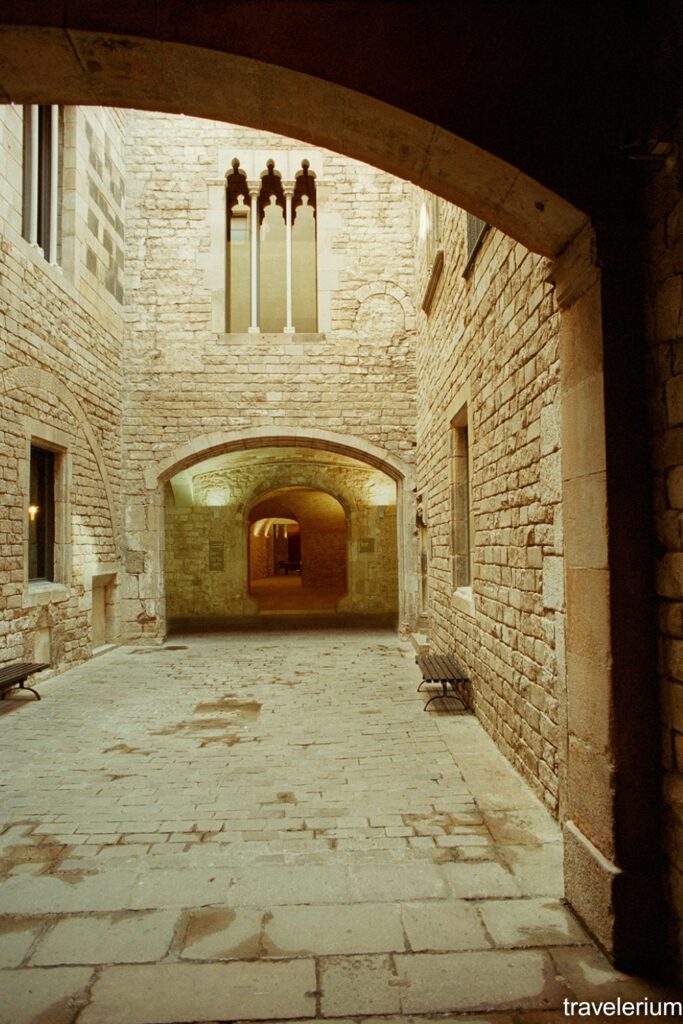
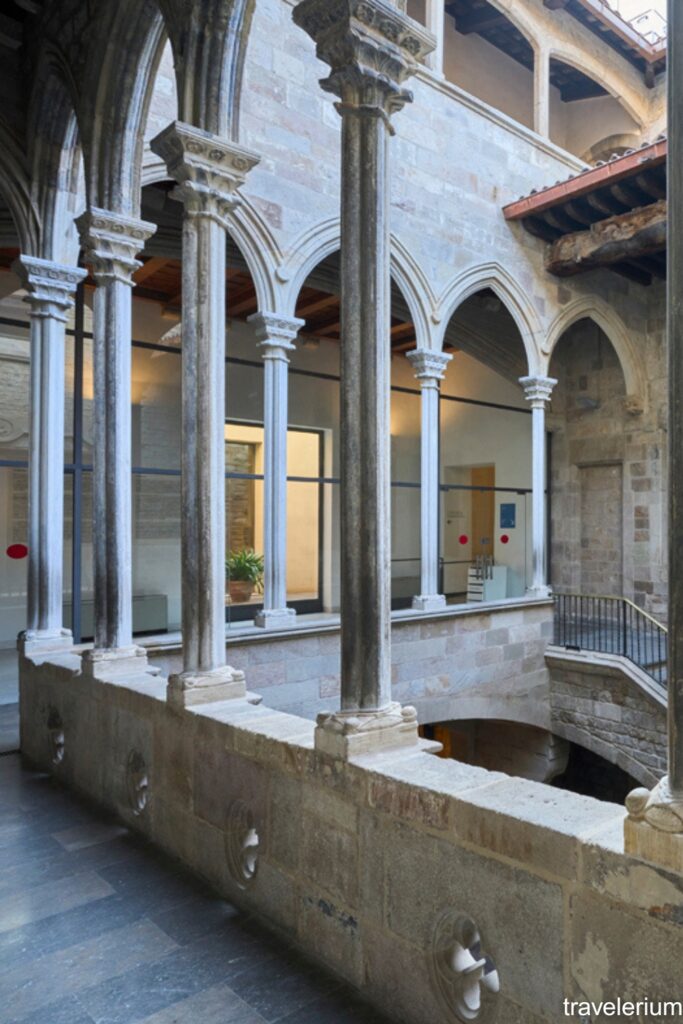
The museum itself is a work of art, spread across five adjoining medieval palaces on Carrer Montcada. These Gothic and Baroque buildings provide a stunning architectural backdrop to Picasso’s work, creating a dialogue between medieval Barcelona and modern art.
Picasso Museum Tickets: Everything You Need to Know
Ticket Prices and Types
Understanding the ticketing options for the Picasso Museum Barcelona is essential for planning your visit. As of 2026, general admission tickets cost approximately €12 for adults. Discount categories include:
- Visitors aged 18-25: €7
- Barcelona residents: €7
- Children under 18: Free
- Seniors (65+): €7
- Students with valid ID: €7
The museum also offers free admission on specific occasions:
- First Sunday of every month (all day)
- Thursday evenings from 6 PM to 9 PM
- February 12 (in honor of Santa Eulàlia)
- May 18 (International Museum Day)
- September 24 (La Mercè festival)
How to Buy Picasso Museum Tickets
- Online Booking (Highly Recommended) The official museum website offers advance ticket purchases, which is strongly recommended, especially during peak tourist season. Online booking allows you to skip often lengthy ticket lines, guarantee your entry at a specific time, and access special exhibitions. Tickets can be purchased up to four months in advance, and booking early is particularly important during summer months, Easter week, and holiday periods.
- At the Museum Same-day tickets can be purchased at the museum box office, but be prepared for potentially long waits. During high season, queues can extend for over an hour, and there’s no guarantee tickets will remain available.
- Barcelona City Passes Several Barcelona tourist passes include entry to the Picasso Museum, including the Barcelona Card and Barcelona Articket BCN (valid for entry to six major art museums). These passes can offer good value if you plan to visit multiple attractions.
Guided Tours and Audio Guides
- Guided Tours: Available in multiple languages, these tours typically last 90 minutes and cost an additional €5-10 on top of admission.
- Audio Guides: Self-paced audio tours are available for €5, offering detailed commentary on major works.
- Private Tours: For a more personalized experience, private tours can be arranged through the museum or specialized tour companies.
Barcelona Picasso Museum Guide: Planning Your Visit
When to Visit
Timing your visit strategically can greatly enhance your experience at the Picasso Museum in Barcelona.
Best Times:
- Weekday mornings (Tuesday through Friday) when the museum opens at 9 AM
- Thursday evenings during the free admission period (arrive early as crowds build up)
- Winter months (November through February, excluding holidays)
Times to Avoid:
- Weekend mornings and afternoons
- First Sunday of the month (despite free entry, crowds are overwhelming)
- Peak tourist season (June through August)
How Long to Spend
Plan to spend 1.5 to 2.5 hours exploring the museum, depending on your interest level. Art enthusiasts may want to allocate three hours, particularly if viewing temporary exhibitions.
Getting There
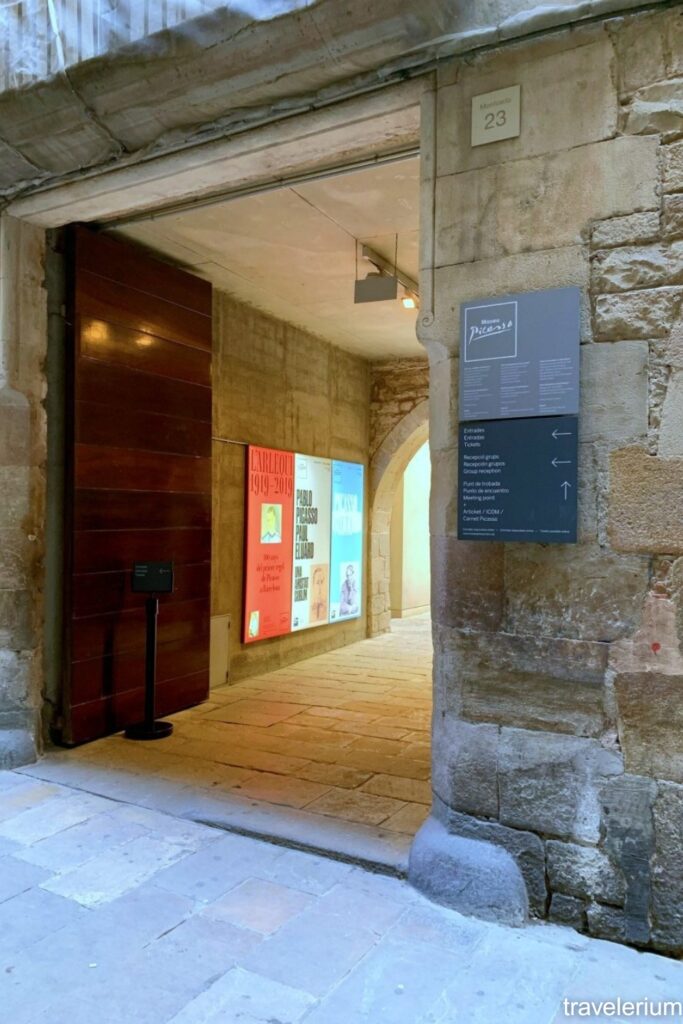
The Picasso Museum is located at Carrer Montcada, 15-23, in the El Born neighborhood.
- By Metro:
- Line 4 (Yellow): Jaume I station (5-minute walk)
- Line 1 (Red): Arc de Triomf station (10-minute walk)
- By Bus: Lines V15, V17, 120, and 45 stop nearby
- Walking: The museum is easily accessible on foot from Las Ramblas (15 minutes), the Gothic Quarter (10 minutes), or Barcelona Cathedral (8 minutes).
Accessibility
The Picasso Museum is committed to accessibility, though the medieval buildings present some challenges. Wheelchair access is available through Carrer Montcada 19, with elevators providing access to most exhibition spaces.
Museum Amenities
- Lockers: Free lockers are available for bags and coats
- Bookshop: Excellent museum shop with Picasso-related books, prints, and gifts
- Café: Small café offers refreshments
- WiFi: Free wireless internet is available
Rules and Regulations
- Photography is prohibited in exhibition spaces
- Large bags must be checked
- Food and drinks are not permitted in galleries
- Mobile phones should be silenced
What to See: Visiting Picasso Museum Barcelona Highlights
The Early Years Collection
The museum’s strength lies in its comprehensive documentation of Picasso’s formative period. The collection begins with works created when Pablo was just nine years old.
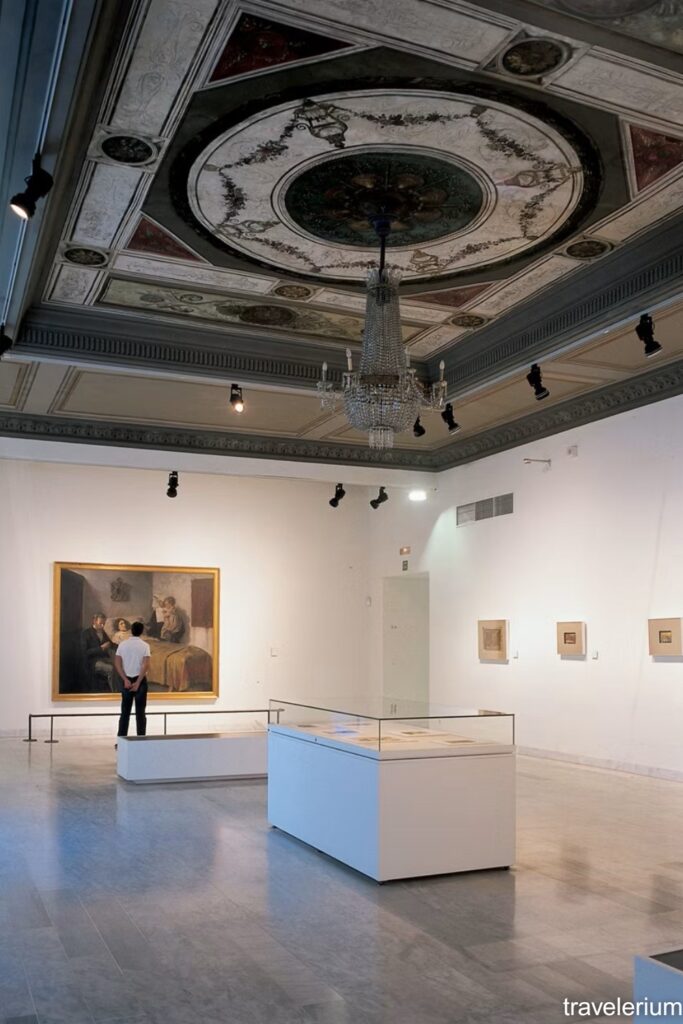
- “First Communion” (1896): This large-scale academic painting, created when Picasso was just 15, demonstrates his mastery of traditional techniques. The work depicts his sister Lola at her First Communion and shows the influence of his father, an art teacher.
- “Science and Charity” (1897): This painting earned Picasso an honorable mention at the Fine Arts Exhibition in Madrid, showcasing his technical proficiency while adhering to academic conventions.
The Barcelona Period
Works from Picasso’s Barcelona years (1895-1904) form the heart of the museum’s collection.
- Menu Designs and Sketches: The museum houses numerous sketches, menus, and drawings from Els Quatre Gats, the Barcelona café where Picasso and fellow artists gathered. These intimate works reveal his social circle and daily life in turn-of-the-century Barcelona.
- Portrait Series: Multiple portraits from this period show Picasso’s evolving approach to capturing human subjects, experimenting with color, form, and expression.
The Blue Period
Though limited, the museum’s Blue Period works are significant. This melancholic phase, characterized by monochromatic blue tones and themes of poverty and despair, began shortly after Picasso’s close friend Carlos Casagemas committed suicide.
- “The Wait (Margot)” (1901): This haunting portrait of a woman, painted in shades of blue, exemplifies the emotional depth of this period.
- “Rooftops of Barcelona” (1903): A rare Barcelona cityscape from the Blue Period, offering a melancholic view of the city.
Las Meninas Series
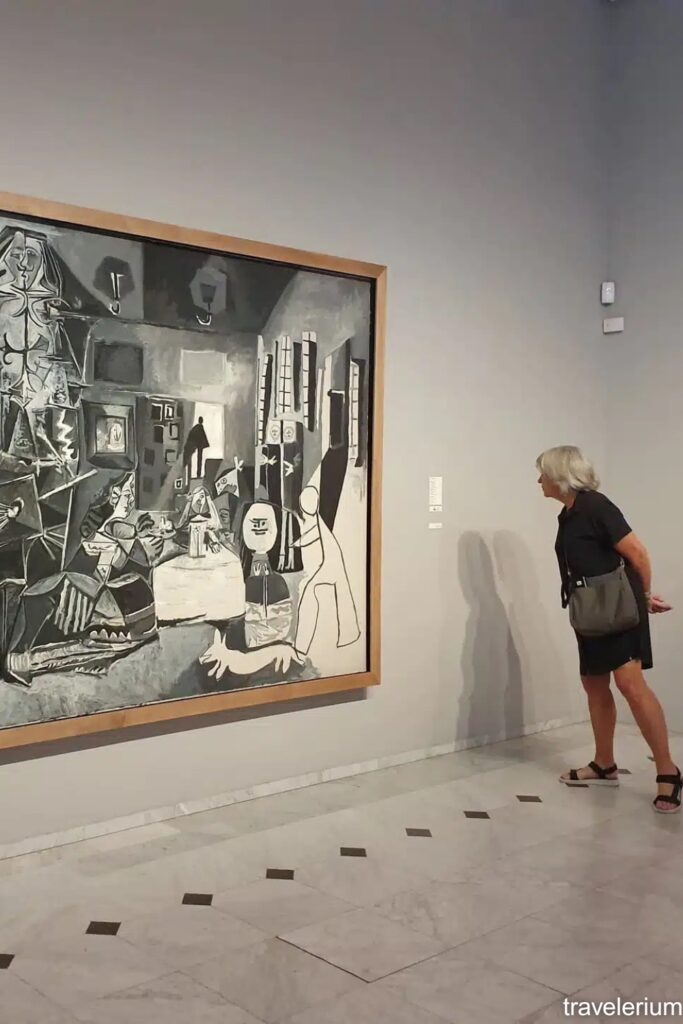
One of the museum’s greatest treasures is the complete series of 58 paintings based on Diego Velázquez’s masterpiece “Las Meninas.” Created in 1957, this series demonstrates Picasso’s lifelong dialogue with art history and his ability to deconstruct and re-imagine classical works through a Cubist lens.
The series occupies several rooms and reveals Picasso’s systematic exploration of Velázquez’s composition. Each variation isolates different elements—individual figures, spatial relationships, color schemes—showing how Picasso dissected and reinterpreted this iconic Spanish painting. This collection alone justifies a visit to the museum.
Ceramic Works
The museum’s collection includes numerous ceramic pieces created during Picasso’s later years in southern France. These playful, colorful works—plates, vases, and sculptures—demonstrate Picasso’s versatility and his continued experimentation with different media.
Understanding the Layout
The museum’s five interconnected palaces follow a roughly chronological path:
- Palau Aguilar: Houses the ticket office, early works, and paintings from the Blue Period.
- Palau del Baró de Castellet: Continues the chronological journey with works from Barcelona and Paris.
- Palau Meca: Features the Las Meninas series and later works
- Casa Mauri: Houses temporary exhibitions
- Palau Finestres: Additional exhibition space and ceramic collections.
Combining Your Visit: What Else to See Nearby
The Picasso Museum’s location in El Born places you in one of Barcelona’s most charming neighborhoods.
- Santa Maria del Mar: This stunning Gothic church, just a three-minute walk from the museum, is considered one of the finest examples of Catalan Gothic architecture.
- El Born Centre Cultural: A cultural center and archaeological site revealing layers of Barcelona’s history, located five minutes away.
- Ciutadella Park: Barcelona’s most central park, ideal for relaxing after museum visits, is a 10-minute walk away.
The neighborhood is also fantastic for dining, with numerous tapas bars, traditional Catalan restaurants, and trendy cafés along Passeig del Born.
Tips for Visiting Picasso Museum Barcelona
- Book in Advance: During peak season, the museum often sells out days in advance.
- Start with Context: Consider visiting the restaurant Els Quatre Gats before the museum. This modernist café, where Picasso held his first exhibition, helps contextualize his Barcelona years.
- Don’t Rush: The collection deserves careful attention. Focus on specific periods or works that interest you most rather than trying to see everything.
- Visit the Bookshop: The museum shop’s excellent selection of art books and catalogs provides additional insights.
- Arrive Early: Get to the museum 10-15 minutes before your time slot to avoid any delays.
Frequently Asked Questions
- Is the Picasso Museum Barcelona worth it? For anyone interested in Picasso, art history, or understanding Barcelona’s cultural significance, absolutely. The museum offers a unique perspective unavailable elsewhere, focusing on his formative years.
- Can I take photos in the Picasso Museum? No, photography is generally not permitted in the exhibition spaces. However, you can photograph the beautiful medieval courtyards.
- How busy does the museum get? The Picasso Museum Barcelona receives over one million visitors annually. Expect crowds, especially during summer months, weekends, and free admission times.
- Are there English explanations? Yes, all wall texts are available in Catalan, Spanish, and English. Audio guides and guided tours are also offered in English.
- Is the museum suitable for children? While children under 18 enter free, the museum’s academic focus means younger children may find it less engaging. The museum occasionally offers family-oriented workshops.
The History Behind the Museum
The Picasso Museum Barcelona opened in 1963, making it the first museum dedicated to Picasso’s work and the only one created during the artist’s lifetime. The museum was established through the efforts of Jaume Sabartés, Picasso’s close friend and personal secretary, who donated his extensive collection to the city.
After Sabartés died in 1968, Picasso donated additional works in his memory, including the complete Las Meninas series. Following Picasso’s death in 1973, his widow Jacqueline donated many more pieces. The museum’s location in the medieval palaces of Carrer Montcada sparked broader revival of the El Born neighborhood.
Picasso’s Barcelona: Following His Footsteps
To truly appreciate the Picasso Museum Barcelona, consider exploring city locations that shaped the young artist:
- Els Quatre Gats (The Four Cats): Located at Carrer Montsió 3, this café-restaurant remains operational. Picasso held his first solo exhibition here in 1900.
- La Llotja (School of Fine Arts): Where Picasso’s father taught and where young Pablo studied, giving him his academic foundation.
- Former Residences: The Picasso family lived at Carrer de la Mercè 3 and Carrer Nou de la Rambla 10 during their Barcelona years.
Dining Near the Picasso Museum
The El Born neighborhood offers excellent dining options:
For Traditional Catalan Cuisine:
- El Xampanyet: A beloved vermouth bar serving traditional tapas since 1929
- Cal Pep: Famous for fresh seafood (reservations essential)
For Casual Dining:
- La Paradeta: Fresh seafood served cafeteria-style
- Euskal Etxea: Basque pintxos bar with delicious small plates
For Coffee and Pastries:
- Brunells: Perfect for breakfast or brunch before museum visits
Making the Most of Your Visit
To maximize your Picasso Museum Barcelona experience:
Before Your Visit:
- Book tickets online 1-2 weeks in advance
- Read about Picasso’s Barcelona period
- Research 2-3 specific works you most want to see
- Check for temporary exhibitions
During Your Visit:
- Arrive 10-15 minutes before your time slot
- Start chronologically to understand Picasso’s evolution
- Spend extra time with the Las Meninas series
- Take breaks in the courtyards to avoid museum fatigue
After Your Visit:
- Explore the El Born neighborhood
- Visit Els Quatre Gats for a drink or meal
- Walk through the Gothic Quarter reflecting on Picasso’s Barcelona
- Consider visiting Santa Maria del Mar
Final Thoughts
The Picasso Museum offers something unique in the world of art museums: an intimate, comprehensive look at a master’s formative years. While Paris, Madrid, and Málaga have their own important Picasso collections, Barcelona’s museum provides unparalleled insight into how the city shaped the young artist who would revolutionize modern art.
Visiting the Picasso Museum isn’t just about viewing paintings—it’s about understanding the relationship between artist and city, witnessing creative evolution, and experiencing how classical training can transform into radical innovation. The medieval palaces housing the collection create a physical dialogue between Barcelona’s historic past and artistic modernity that mirrors Picasso’s own relationship with tradition and innovation.
Whether you’re an art history devotee, a casual museum-goer, or simply curious about one of the 20th century’s most influential figures, the Picasso Museum deserves a place on your things to see and do in Barcelona list. With advance planning, strategic timing, and an understanding of what makes this collection special, your visit will provide lasting insights into both Picasso’s genius and Barcelona’s enduring cultural significance.
The museum stands as a testament to how deeply place influences creativity, and how a city and an artist can remain forever intertwined. In experiencing these works, you’re not just seeing art—you’re witnessing the birth of a revolutionary vision that changed how we see and represent the world around us.