
If there is one neighborhood in Barcelona that encapsulates the city’s extraordinary ability to blend history, culture, gastronomy, and modern living into a single, walkable experience, it is Eixample. Pronounced “eh-SHAM-pluh” in Catalan, this iconic district sits at the very heart of the city and remains one of the most visited, most talked about, and most lived-in urban quarters in all of Europe. Whether you are a first-time visitor or a seasoned traveler returning to discover something new, Eixample Barcelona has an almost inexhaustible supply of things to see, do, taste, and experience.
What Is Eixample and Why Does It Matter?
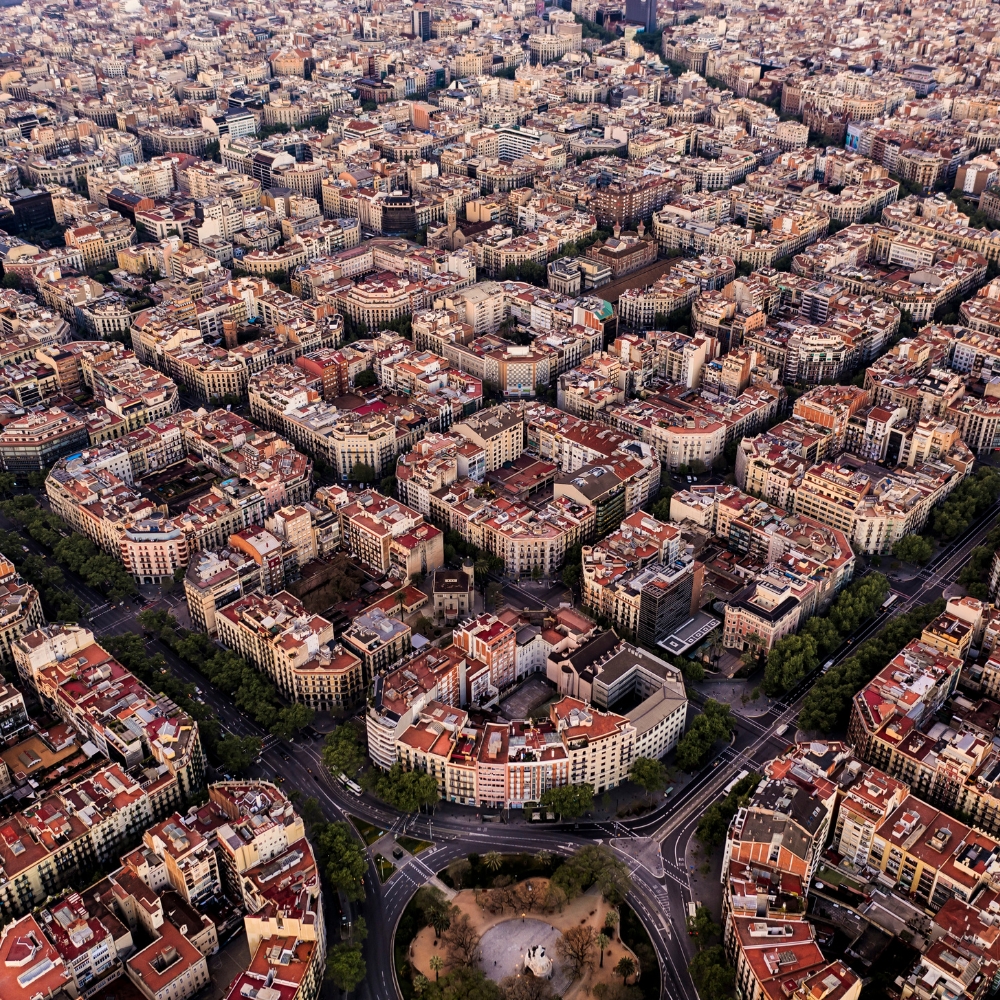
The name Eixample translates simply as “expansion” or “extension,” and that is precisely what it was designed to be. In the mid-nineteenth century, Barcelona was a city bursting at the seams, its medieval core overcrowded and unsanitary. In 1860, engineer Ildefons Cerdà was commissioned to design a new district that would relieve the pressure and create a modern, liveable city grid. His revolutionary plan produced the distinctive octagonal block layout that defines Eixample to this day — a rational, democratic grid of wide avenues and chamfered corners that allowed light, air, and traffic to flow freely.
What Cerdà could never have fully anticipated was that his utilitarian grid would become one of the most celebrated stages for architectural expression the world has ever seen. As Barcelona prospered during the late nineteenth and early twentieth centuries, wealthy bourgeois families commissioned some of the most talented architects of the age to build their homes and businesses here. The result was an explosion of Catalan Modernisme — the local variant of Art Nouveau — that transformed Eixample into an open-air museum of extraordinary proportions.
Eixample Architecture: The District’s Greatest Treasure
For many visitors, Eixample architecture is the primary reason to spend time in this part of the city, and it is difficult to overstate just how remarkable the built environment is here. The district is home to an extraordinary concentration of Modernista buildings, many of them masterworks by the three giants of the movement: Antoni Gaudí, Lluís Domènech i Montaner, and Josep Puig i Cadafalch.
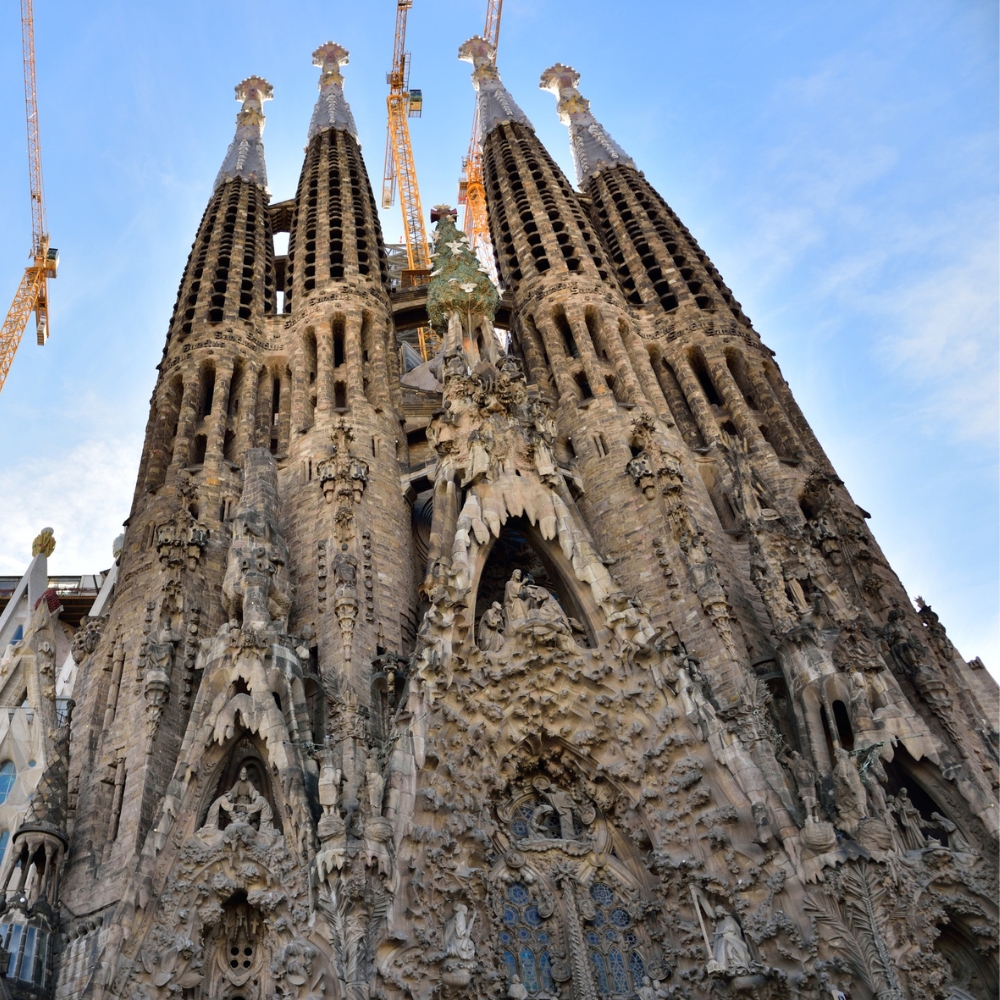
La Sagrada Família needs little introduction. Gaudí’s unfinished basilica — still under construction after more than 140 years — is not only the most visited monument in Spain but arguably one of the most extraordinary buildings on earth. The interplay of light through its stained-glass windows, the forest-like interior columns, and the sheer ambition of its towering facades are things that photographs simply cannot prepare you for. Book your tickets well in advance and consider upgrading to include tower access for a perspective that very few visitors experience.
A short walk away, the Block of Discord (Manzana de la Discòrdia) on Passeig de Gràcia presents three landmark buildings in close proximity: Domènech i Montaner’s Casa Lleó Morera, Puig i Cadafalch’s Casa Amatller, and Gaudí’s Casa Batlló. The latter is among the most visited buildings in Barcelona and rightly so — its undulating ceramic facade, skull-like balconies, and dragon-spine roofline are unlike anything else in the world. A little further up the same boulevard stands Casa Milà (La Pedrera), another Gaudí creation whose rooftop terrace, populated by warrior-like chimneys, is one of the city’s great viewpoints, particularly at dusk.
Beyond these headline attractions, Eixample rewards those willing to look up as they walk. Virtually every block contains buildings of genuine architectural interest — ornate tile work, wrought-iron balconies, sculpted facades, and modernista pharmacy signs that have survived the decades with remarkable grace.
What to See and Do in Eixample
While architecture is the district’s calling card, Eixample offers considerably more than a sightseeing checklist.
- Passeig de Gràcia is the district’s main artery and one of the most elegant boulevards in Europe. Lined with plane trees, designer boutiques, luxury hotels, and remarkable buildings, it invites leisurely strolling at any time of day. The hexagonal paving stones, designed by Gaudí himself, are a delightful detail often missed by visitors in a hurry.
- Rambla de Catalunya runs parallel to Passeig de Gràcia and has a more relaxed, neighbourhood feel. Its central tree-lined promenade is dotted with café terraces and is an ideal place to settle in with a coffee and watch Barcelona go about its day.
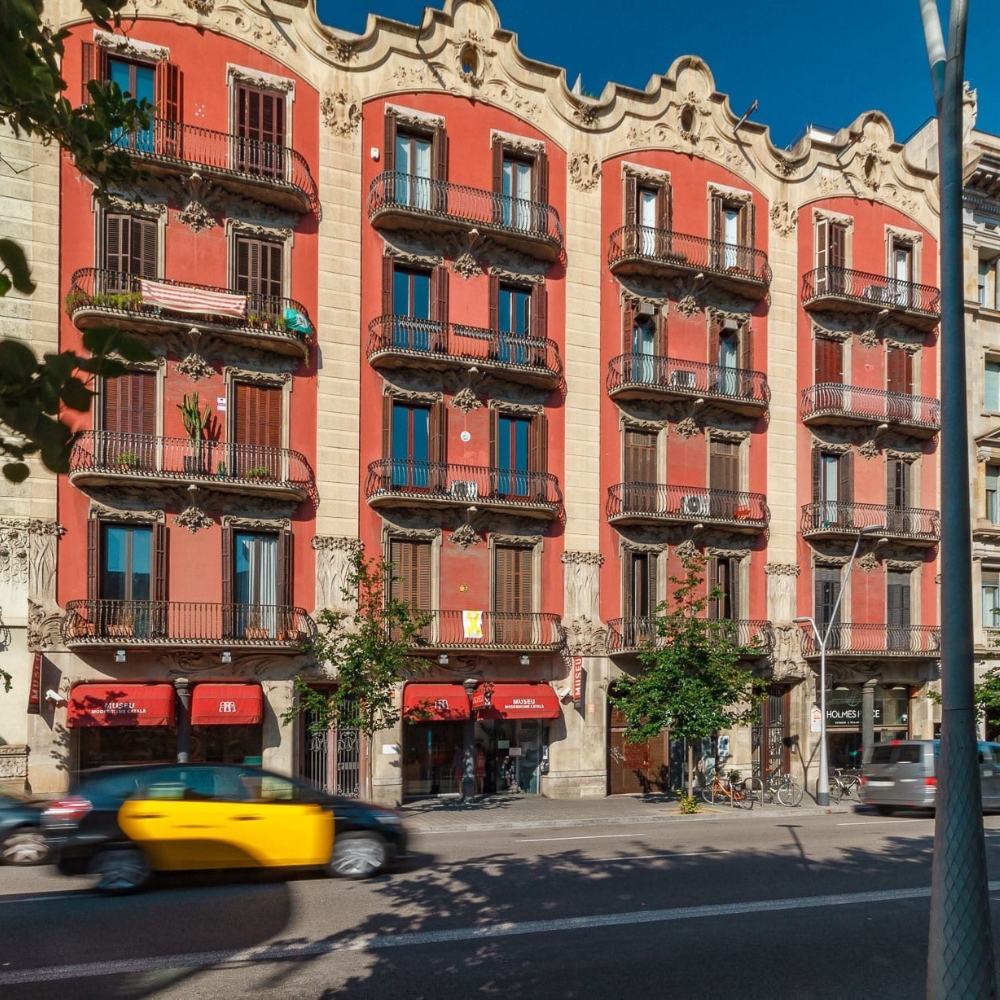
- The Museu del Modernisme de Barcelona, tucked into a Modernista building near Passeig de Gràcia, offers an excellent and often overlooked collection of furniture, paintings, and decorative arts from the period — a perfect complement to the architectural walking tours outside.
- Fundació Antoni Tàpies, housed in a stunning Domènech i Montaner building, presents one of Barcelona’s finest collections of contemporary Catalan art and is well worth an hour of your time.
For a slower-paced experience, explore the network of smaller streets within the residential blocks — particularly the interior courtyards (some of which have been converted into communal gardens) that Cerdà originally envisioned as green lungs for each block.
Where to Stay: Accommodation in Eixample
Staying in Eixample puts you at the geographic and cultural centre of Barcelona, within walking distance of most major attractions and with excellent transport connections to the rest of the city. The district caters to a wide range of budgets and travel styles.
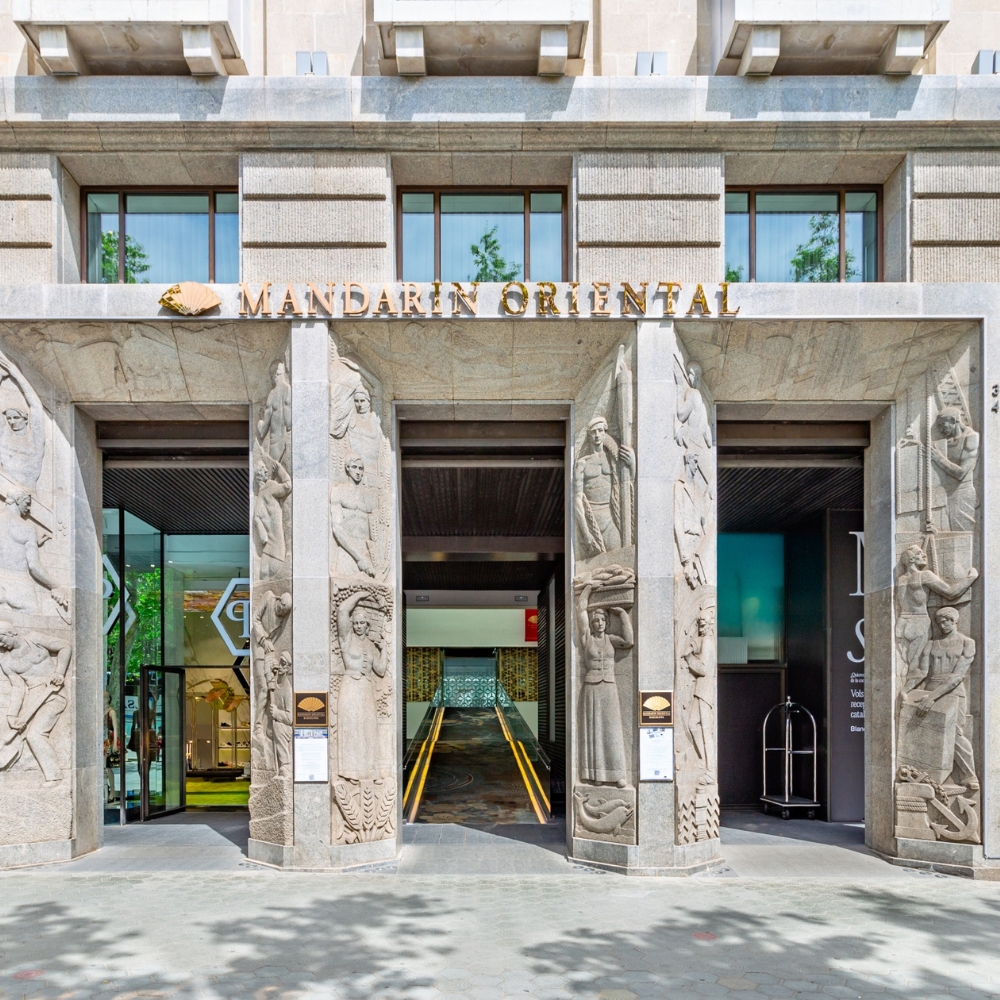
- Luxury: Eixample is home to some of Barcelona’s finest hotels. The Mandarin Oriental Barcelona on Passeig de Gràcia occupies a former bank building and offers impeccable service, a celebrated restaurant, and a rooftop pool. The El Palace Barcelona (formerly the Ritz) is another grand option with a long and storied history. For a more boutique luxury experience, Hotel Omm near Casa Milà combines bold contemporary design with a Michelin-starred restaurant and a rooftop pool with views towards Gaudí’s rooftop warriors.
- Mid-range: The district has an excellent selection of well-designed mid-range hotels. The Praktik Rambla on Rambla de Catalunya is a stylish option with a beautiful Modernista building facade and a welcoming atmosphere. Hotel Jazz near Plaça de Catalunya is consistently well-reviewed and offers great value for its central location.
- Budget and Apartments: For longer stays or those travelling on a tighter budget, Eixample has a wide range of apartment rentals and hostels. The Generator Barcelona hostel, located in the district, is considered one of the best-designed hostels in the city. Self-catering apartments are particularly popular in Eixample, allowing visitors to shop at local markets and experience daily life in the neighbourhood.
If you are still deciding where to base yourself and want to compare Eixample with other parts of the city, this guide to Barcelona neighborhoods provides a thorough overview of the city’s districts and what each one has to offer different types of travellers.
Where to Eat in Eixample
Eixample is a serious food destination. The district is home to a remarkable concentration of quality restaurants spanning every register from neighbourhood tapas bars to Michelin-starred fine dining.
- Fine Dining: Disfrutar, consistently ranked among the world’s top restaurants, is located in Eixample and offers one of the most technically adventurous tasting menus in the world. Reservations are extremely difficult to secure — book months in advance. Lasarte, the Barcelona outpost of Basque chef Martín Berasategui, holds three Michelin stars and is another extraordinary experience for those seeking the pinnacle of Catalan cuisine.
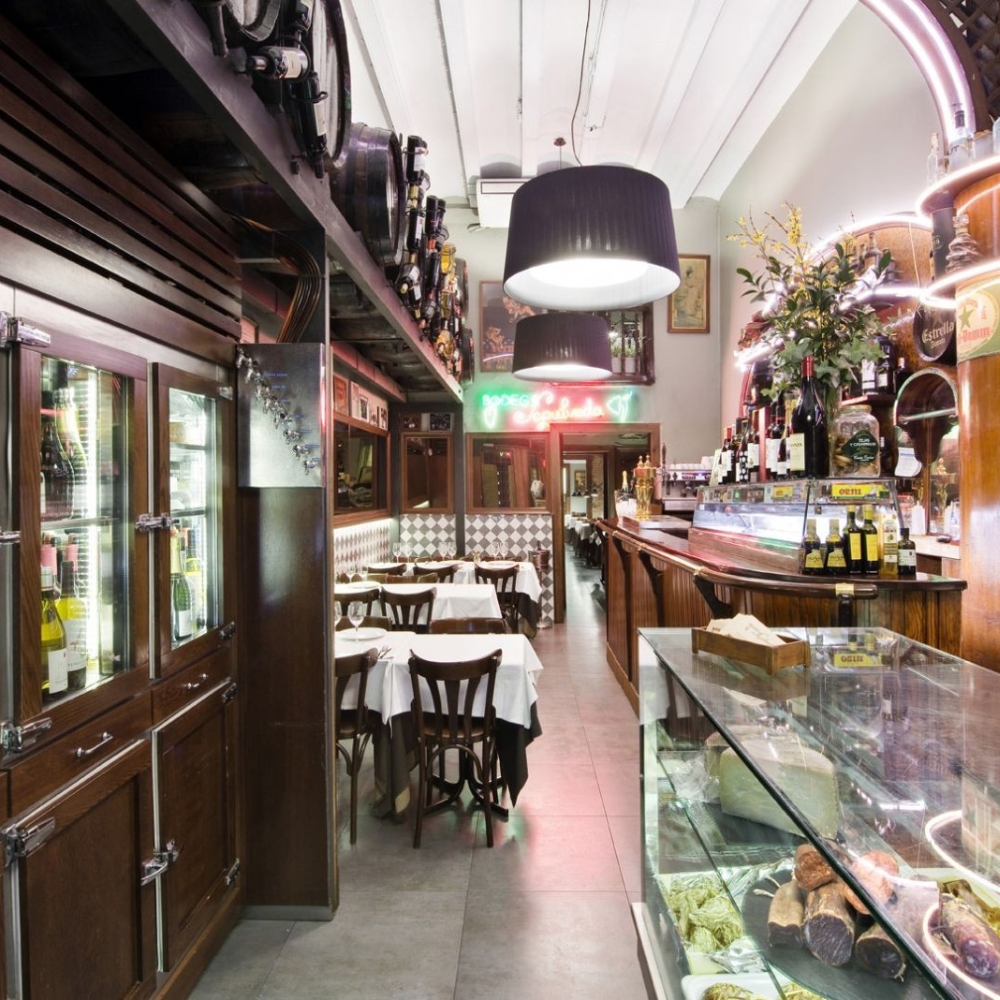
- Mid-range and Casual: The neighbourhood known as the Esquerra de l’Eixample (left side of Eixample) has developed a vibrant food and culture scene. Bodega Sepúlveda is a beloved local wine bar and restaurant with excellent vermouth and pintxos. Federal Café is a perennial favourite for brunch, drawing a creative, international crowd.
- Tapas and Traditional: The stretch of Carrer del Consell de Cent and Carrer de Muntaner are lined with excellent traditional tapas bars where you can graze on patatas bravas, croquetas, and fresh anchovies alongside locals who have been eating at the same table for years. Bar Calders in the Esquerra is a classic neighbourhood bar that should not be missed.
- Markets: While Eixample does not have a market on the scale of La Boqueria, the Mercat de l’Abaceria on the border with Gràcia and the various local food shops that line the residential streets are excellent for picking up fresh produce, cured meats, and local cheeses.
Nightlife in Eixample
Eixample has two distinct nightlife identities that coexist comfortably within the district’s broad borders.
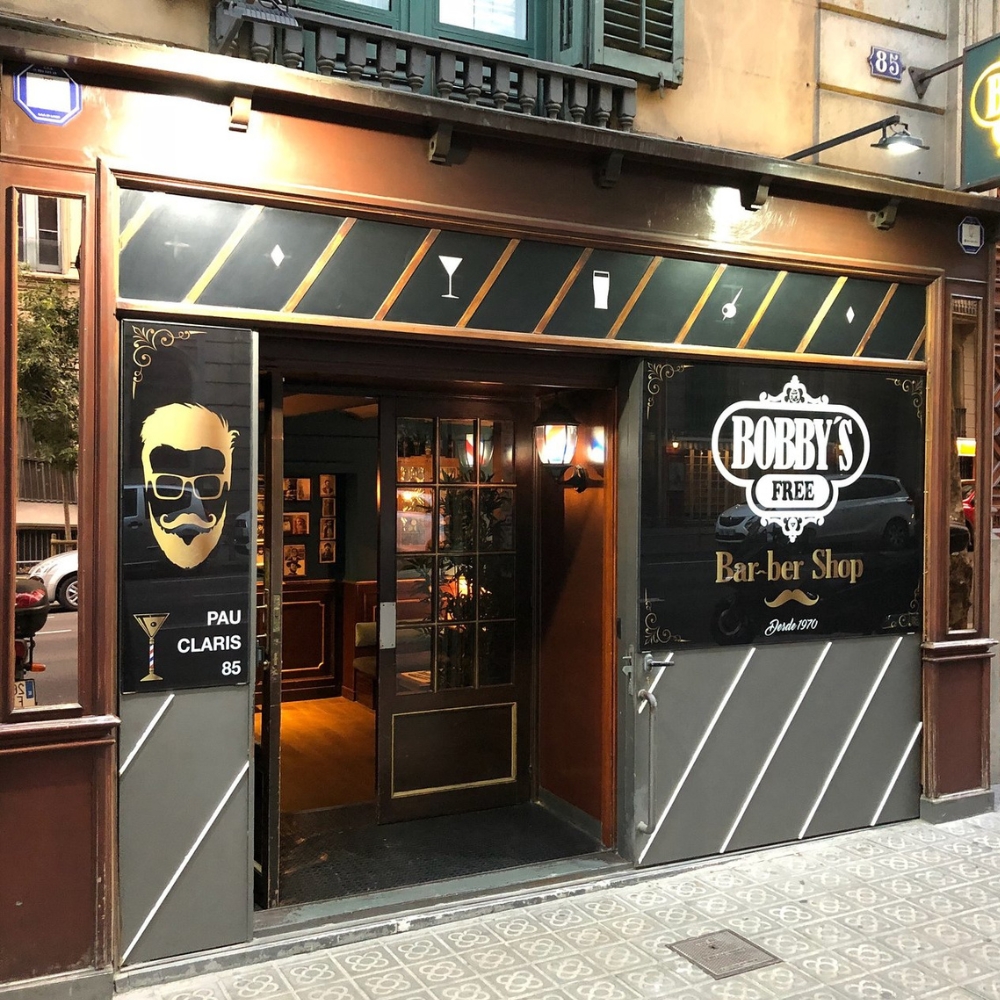
The Dreta de l’Eixample (right side) is home to elegant cocktail bars and stylish lounge venues that draw a well-heeled crowd. The bar at the Mandarin Oriental is among the city’s most sophisticated spots for an early evening drink, while Bobby’s Free on Passeig de Gràcia is an acclaimed speakeasy-style cocktail bar hidden behind a dry-cleaning shop front — look for the vintage suits in the window.
The Esquerra de l’Eixample, however, is where the district’s more vibrant and diverse nightlife scene lives. The area around Carrer del Consell de Cent and Carrer de Muntaner is commonly known as the Gayxample — the heart of Barcelona’s LGBTQ+ community — and hosts some of the city’s most welcoming, energetic, and well-regarded bars and clubs. Punto BCN is one of the neighbourhood’s most established bars, while clubs such as Sala Apolo (on the edge of Eixample toward Poble Sec) attract serious music fans with their programme of live acts and DJ nights.
For those who prefer a quieter evening, the outdoor terraces along Rambla de Catalunya come alive on warm nights, offering the perfect setting for a long dinner that drifts into a second bottle of wine and the kind of unhurried conversation that Barcelona seems purpose-built to inspire.
Getting Around Eixample
One of Eixample’s great practical advantages is how easy it is to navigate. The district’s regular grid layout makes it almost impossible to get seriously lost, and the wide streets are far more pedestrian-friendly than the tangle of Gothic Quarter alleyways.
- On Foot: For most purposes, walking is the best way to explore Eixample. The distances between major sights are entirely manageable, and so much of the district’s appeal — the architecture, the shop fronts, the café culture — is best appreciated at walking pace. Comfortable shoes are essential; the uneven tile work and cobblestones of some side streets can be challenging in heels.
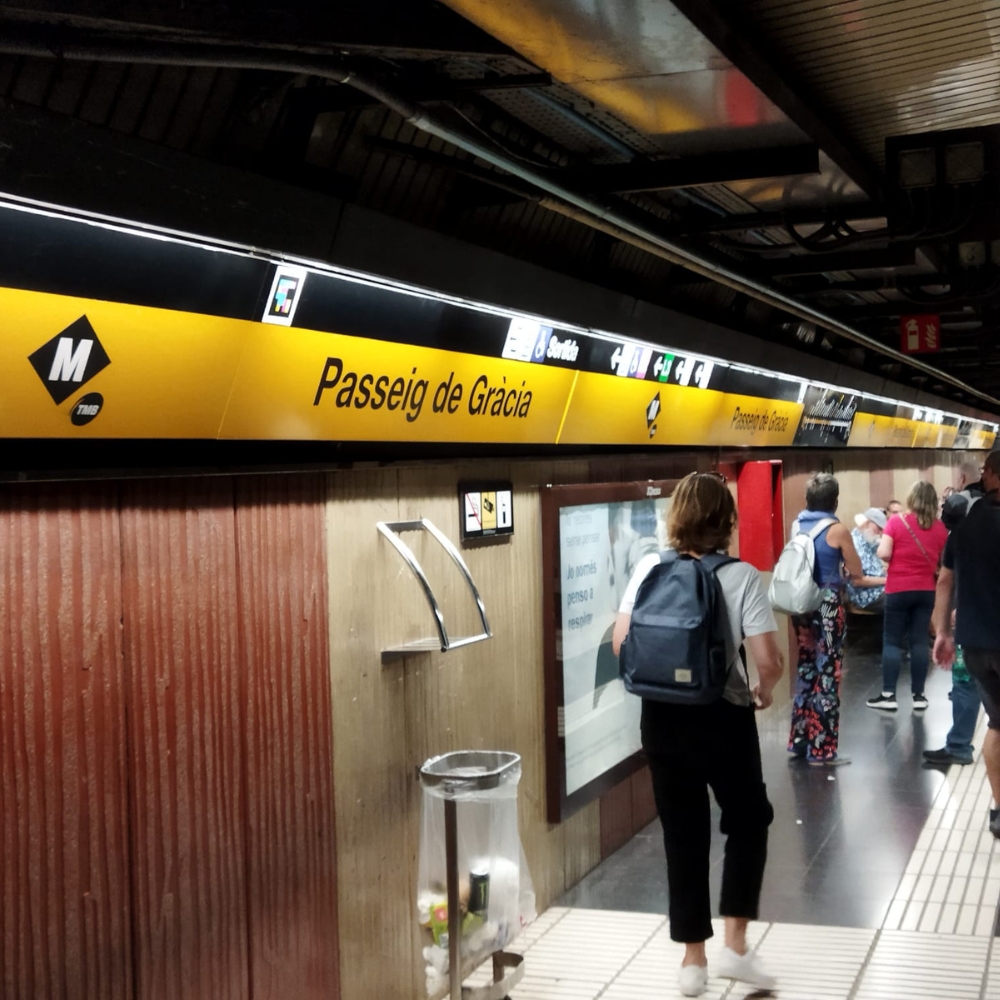
- Metro: Eixample is exceptionally well served by Barcelona’s metro system. The district is crossed by several lines, with key stations including Passeig de Gràcia (Lines 2, 3, and 4), Diagonal (Lines 3 and 5), Verdaguer (Lines 4 and 5), and Sagrada Família (Line 2 and 5). Journey times to other neighbourhoods are short and the metro runs until 2am on weeknights and continuously through Friday and Saturday nights.
- Bus: The surface bus network covers the district comprehensively, and the Bus Turístic stops at several points along Passeig de Gràcia — useful for first-time visitors who want an overview before exploring in depth.
- Cycling: Barcelona has invested heavily in cycling infrastructure, and Eixample benefits from a growing network of dedicated bike lanes. Bicing, the city’s public bike-share scheme, has numerous docking stations throughout the district, and several private operators offer electric bike rentals that make it easy to cover more ground with less effort. The flat, wide streets of Eixample are considerably more cycle-friendly than the steep lanes of Gràcia or the narrow streets of the Gothic Quarter.
- Taxis and Ride-hailing: Taxis are readily available throughout the district, and platforms such as Cabify and Free Now operate widely in Barcelona. Fares within Eixample are modest, and late-night transport is generally reliable.
Practical Tips for Visiting Eixample
- When to Visit: Eixample is a year-round destination, but the most comfortable months for exploring on foot are April through June and September through November. July and August bring intense heat and very large crowds, particularly around the major Gaudí sites. Winter visits have their own appeal — shorter queues, lower hotel prices, and a more authentic sense of the neighbourhood going about its daily life.
- Booking Ahead: This cannot be stressed enough. Tickets for La Sagrada Família, Casa Batlló, and Casa Milà sell out days and often weeks in advance during peak season. Purchase tickets online before you travel — walking up to the door without a reservation is increasingly likely to result in disappointment.
- Avoiding the Crowds: The major architectural landmarks are busiest between 10am and 2pm. Visiting La Sagrada Família at opening time or in the late afternoon will give you a noticeably more serene experience. Similarly, the rooftop of Casa Milà at sunset is magical but popular — book the Magic Nights evening session if it is available during your visit.
- Language: Catalan is the first language of Eixample, and while Spanish is universally understood and English is widely spoken in tourist-facing businesses, a few words of Catalan — gràcies (thank you), bon dia (good morning), per favor (please) — will be warmly appreciated by locals.
- Safety: Eixample is one of Barcelona’s safer districts for visitors, but the city as a whole has a well-documented problem with pickpocketing, particularly around tourist hotspots. Keep bags zipped and close to your body on Passeig de Gràcia, at La Sagrada Família, and on public transport.
- Budget: Eixample sits at the mid-to-upper end of Barcelona’s price spectrum. Expect to pay a premium for restaurants and bars directly on Passeig de Gràcia. Stepping one or two streets away from the main boulevard will typically yield the same quality of food and drink at noticeably lower prices.
Final Thoughts
Eixample Barcelona is, in many respects, the beating heart of the modern city. It is where Barcelona’s ambition, creativity, and appetite for the good life are most clearly on display — in the soaring facades of its Modernista buildings, the languid terraces of its boulevard cafés, the inventive menus of its restaurants, and the warmth of its neighbourhood bars. It is a district that rewards both the first-time visitor on a whistle-stop itinerary and the repeat traveller who has time to slow down and explore its quieter corners.
Whether you come for the architecture, the food, the nightlife, or simply to walk the streets that Cerdà laid out over 160 years ago, Eixample will not disappoint. For those still in the early stages of planning, a comprehensive guide to Barcelona will help you make the most of everything the wider city has to offer beyond the district’s borders.
Eixample is not just a place to stay in Barcelona — it is a destination in its own right.