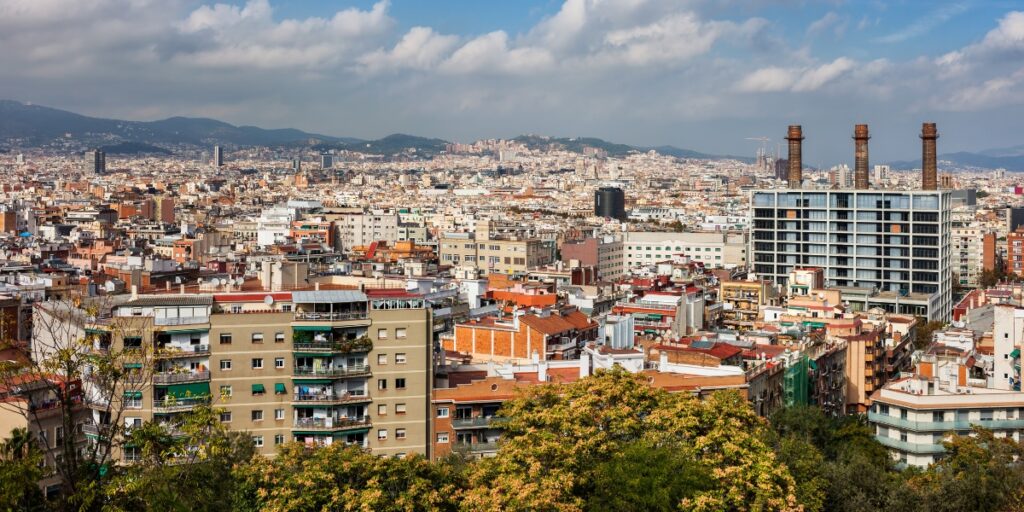
Nestled between the iconic Montjuïc hill and the bustling Parallel Avenue, Poble Sec is one of Barcelona’s best-kept secrets. While tourists flock to the Gothic Quarter and La Rambla, savvy travelers are discovering this authentic Barcelona neighborhood that offers everything you could want: incredible tapas bars, vibrant nightlife, stunning city views, and a genuinely local atmosphere. This Poble Sec Barcelona guide will show you why this former working-class barrio has become one of the city’s most exciting places to explore.
What Makes Poble Sec Special?
The name “Poble Sec” literally translates to “dry village” in Catalan, a reference to the neighborhood’s historical lack of water supply until the late 19th century. Today, there’s nothing dry about this lively district—it’s brimming with energy, creativity, and some of the best food scenes in Barcelona.
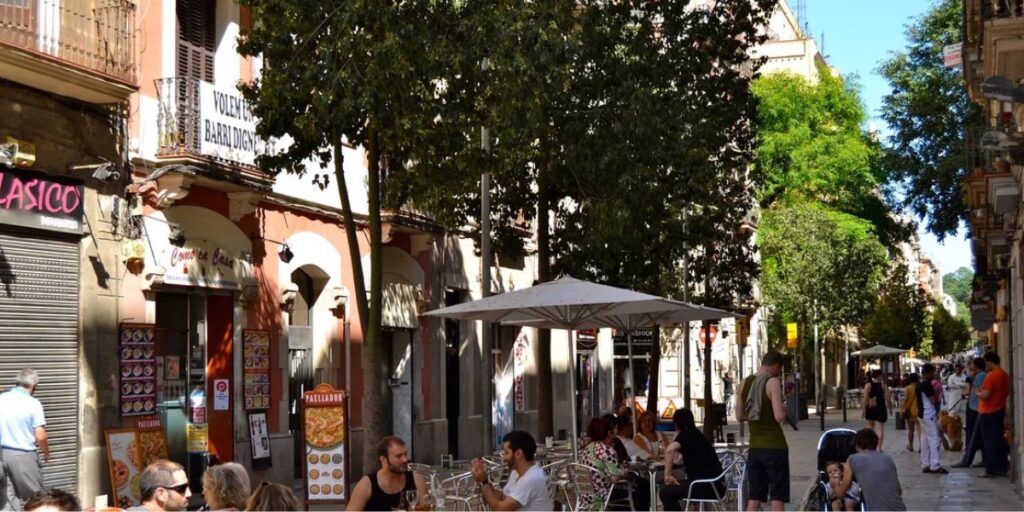
What sets the Poble Sec neighborhood apart is its perfect balance between authentic local life and visitor-friendly amenities. Unlike the sometimes overly touristy areas closer to the beach, Poble Sec maintains its residential character while welcoming newcomers with open arms. The streets are lined with traditional vermut bars next to innovative restaurants, vintage shops alongside modern boutiques, and neighborhood grocers next to artisan bakeries.
The area stretches from Parallel Avenue up to the base of Montjuïc, with most of the action concentrated along two main streets: Carrer de Blai and Carrer de Blesa. Each street has its own personality, but together they create a tapestry of Barcelona life that feels refreshingly real.
Brief History of Poble Sec
The neighborhood developed in the late 19th century as Barcelona underwent rapid industrialization. Working-class families settled here, building modest homes on the slopes of Montjuïc. The area became known for its theaters—at one point, there were more than a dozen performance venues along Parallel Avenue, earning it the nickname “the Broadway of Barcelona.”
Throughout the 20th century, Poble Sec remained a working-class neighborhood, often overlooked by tourists. In the early 2000s, young artists, chefs, and entrepreneurs began recognizing Poble Sec’s potential, attracted by affordable rents and proximity to the city center. This creative influx transformed the area without destroying its soul, creating the dynamic neighborhood you’ll discover today.
Getting to and Around Poble Sec
The Poble Sec neighborhood is incredibly well-connected to the rest of Barcelona. The Parallel metro station (Lines L2 and L3) sits at the neighborhood’s northern edge, while Poble Sec station (Line L3) provides access to the southern section. From the city center, it’s also an easy 15-minute walk from Plaça de Catalunya.
Within the neighborhood, walking is the best way to explore. The streets are pedestrian-friendly, though be prepared for some uphill walking if you’re heading toward Montjuïc—comfortable shoes are essential. The Montjuïc funicular, accessed from Parallel station, provides a scenic ride up the hill and connects to the cable car system for spectacular views.
Where to Eat in Poble Sec: A Food Lover’s Paradise
Let’s talk about what really puts Poble Sec on the map: the food. This neighborhood has emerged as one of Barcelona’s premier dining destinations, with an incredible concentration of restaurants, tapas bars, and vermut spots.
Carrer de Blai: The Heart of Tapas Culture
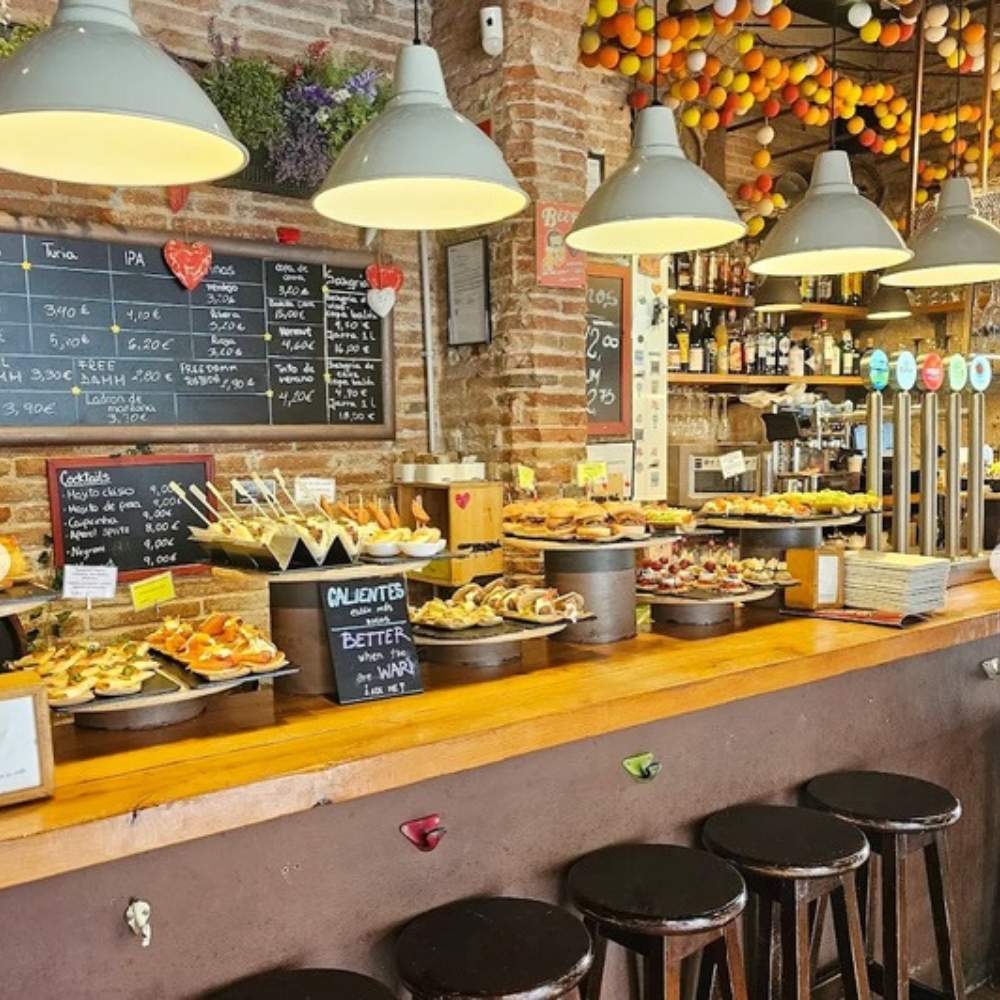
Carrer de Blai is ground zero for eating in Poble Sec. This pedestrianized street is lined with pintxo bars where small bites are displayed on the bar, and you help yourself before settling your bill. The atmosphere is casual, social, and quintessentially Spanish.
- Blai 9 is a perennial favorite, known for generous portions and creative combinations. Try their goat cheese with caramelized onion or the tortilla española. Blai Tonight offers a more modern take with fusion pintxos blending Spanish traditions with international flavors.
- La Tasqueta de Blai provides a slightly more upscale experience while maintaining the authentic neighborhood vibe. Their croquetas are legendary—creamy interiors with perfectly crispy exteriors, available in flavors from classic jamón to wild mushroom.
The beauty of Carrer de Blai is that you can bar-hop, trying a few pintxos at each spot. Most items cost between €1.50 and €3, making this one of Barcelona’s most affordable dining experiences without sacrificing quality.
Standout Poble Sec Restaurants
Beyond the pintxo bars, Poble Sec restaurants span every cuisine and price point imaginable.
- Quimet & Quimet deserves special mention. This tiny standing-room-only bar has been run by the same family for generations, and their montaditos (small open-faced sandwiches) are works of art. The shelves are lined with premium conservas (tinned seafood), wines, and vermouths. Order the salmon with honey and mustard or anything with their incredible anchovies. Arrive early (they open at noon) or late afternoon to avoid crowds.
- Bodega Montferry is where locals go for traditional Catalan cooking without pretension. The lunch menu is exceptional value—€14 for three courses including wine. Their butifarra amb mongetes (Catalan sausage with white beans) is comfort food at its finest.
- For something contemporary, Federal Café brings Australian-style brunch culture to Poble Sec. Their avocado toast and flat whites are neighborhood favorites, offering a refreshing break from traditional Spanish breakfast.
- Cañete offers refined Spanish cuisine in a beautiful, warm space. While more expensive than neighborhood stalwarts, the quality justifies the price. Their seafood is impeccably fresh, and the rice dishes rival anything you’ll find in Valencia.
Vegetarian and Vegan Options
Poble Sec has embraced plant-based dining enthusiastically. Flax & Kale offers healthy, Instagram-worthy dishes that don’t sacrifice flavor. Teresa Carles provides hearty vegetarian Catalan cuisine, proving traditional dishes don’t require meat. Their mushroom croquetas could convert any skeptic.
Vermut Culture
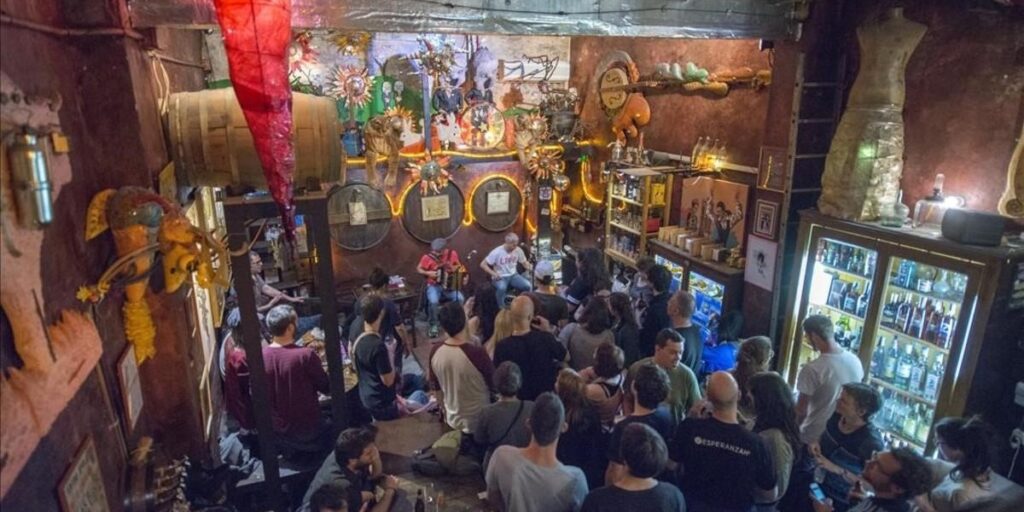
No Poble Sec Barcelona guide would be complete without discussing vermut (vermouth). Sunday vermut hour is a Barcelona institution—typically from noon to 3 pm, when locals gather for vermouth on tap, olives, and conversation before lunch.
La Tieta perfectly captures this tradition. Their house vermouth is excellent, served with a single large olive and potato chips. The atmosphere is unpretentious and welcoming. Bodega Salto offers an even more traditional experience, looking virtually unchanged since the 1960s.
What to Do in Poble Sec: Beyond Eating
While the food scene might be Poble Sec’s calling card, there’s plenty more to discover when exploring what to do in Poble Sec.
Montjuïc Access and Activities
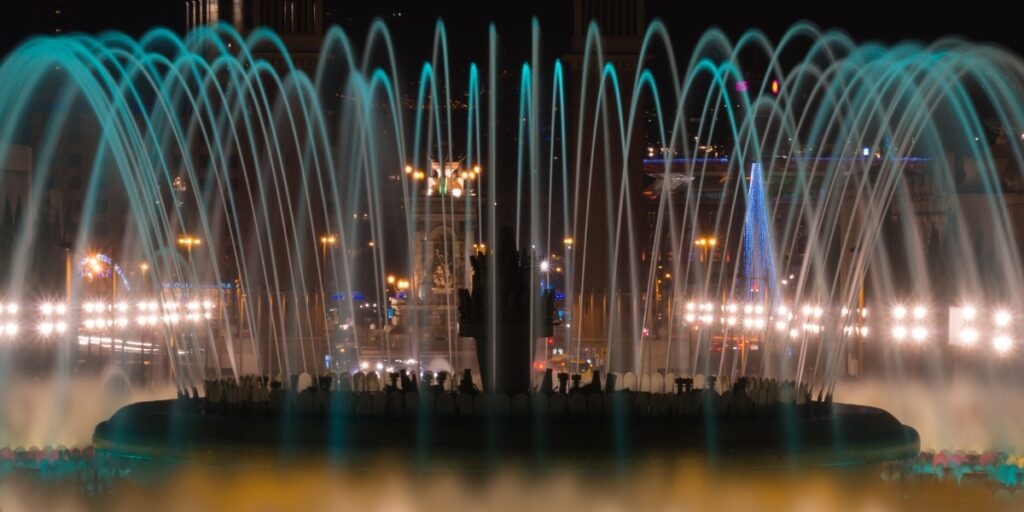
Poble Sec’s location at the base of Montjuïc means you’re within walking distance of some of Barcelona’s most important attractions. The Magic Fountain (Font Màgica) puts on spectacular light and water shows several evenings per week—the show is free and genuinely impressive.
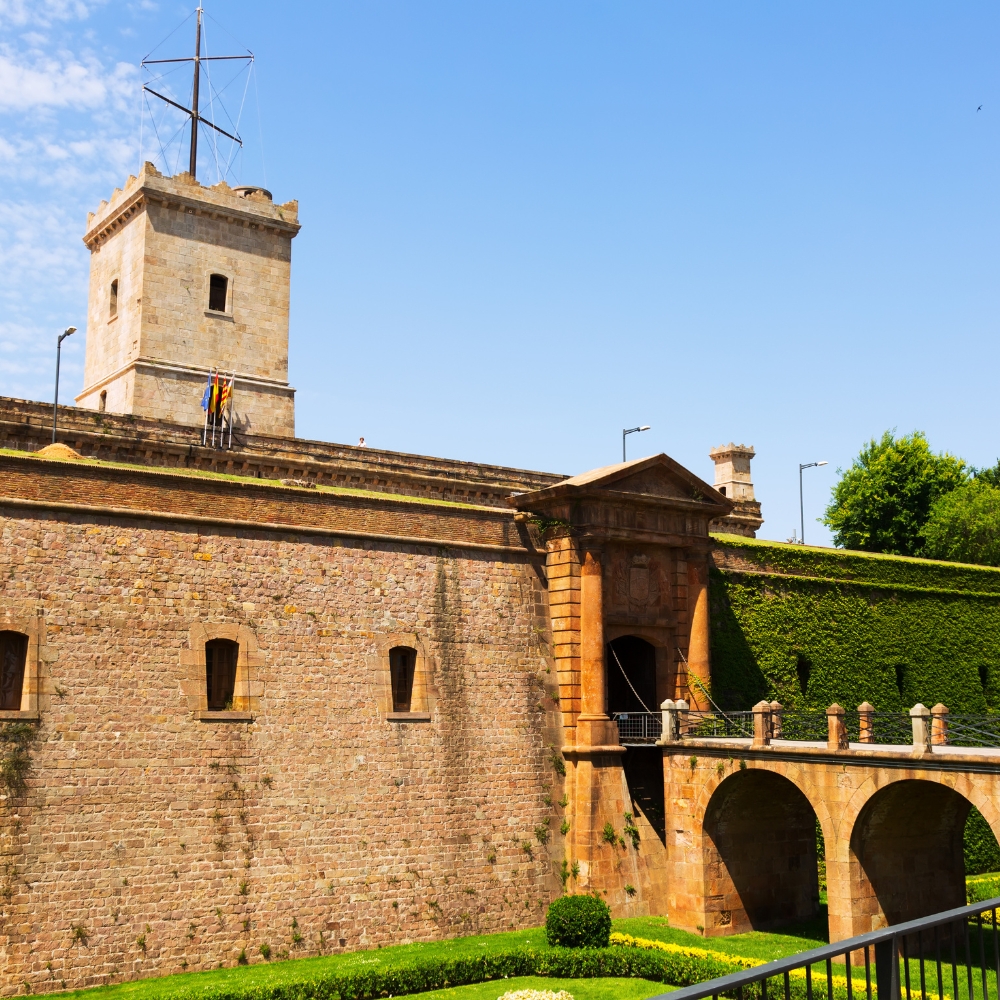
Montjuïc Castle offers both historical interest and panoramic views over Barcelona and the Mediterranean. You can walk up (it’s steep but manageable), take the funicular and cable car, or catch a bus. The castle has a complex history as both a defensive fortification and later a political prison.
The Olympic Stadium and facilities from the 1992 Olympics are also on Montjuïc. The Museu Nacional d’Art de Catalunya (MNAC) houses an incredible collection of Catalan art, particularly Romanesque frescoes and Gothic works.
Refugi 307: Spanish Civil War Shelter
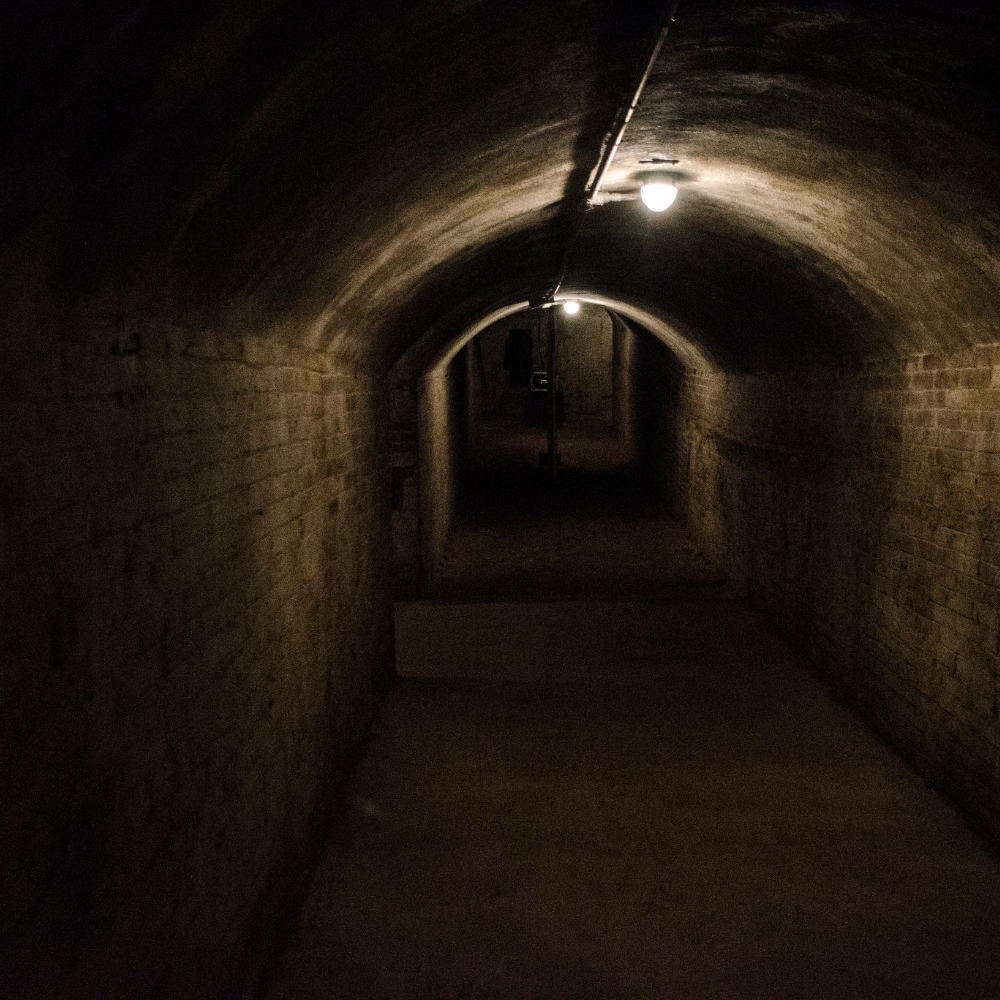
One of Poble Sec’s most unusual attractions is Refugi 307, an air-raid shelter dug into Montjuïc during the Spanish Civil War. Barcelona was repeatedly bombed between 1936 and 1939, and residents created an extensive network of underground refuges. This shelter has been preserved and can be visited on guided tours (in Catalan, Spanish, and English).
Walking through the tunnels that once protected 2,000 people provides sobering perspective on Barcelona’s 20th-century history. Tours must be booked in advance through the Barcelona History Museum (MUHBA) website.
Markets and Shopping
Mercat de Blai is a small neighborhood market where you can buy fresh produce, meat, and fish. It’s much less touristy than La Boqueria but offers an authentic glimpse into daily Barcelona life.
For shopping, Carrer de Parlament has emerged as a destination for independent boutiques, vintage shops, and design stores. Holala Ibiza offers curated vintage clothing at reasonable prices, while La Commercial stocks local designer brands.
Parks and Public Spaces
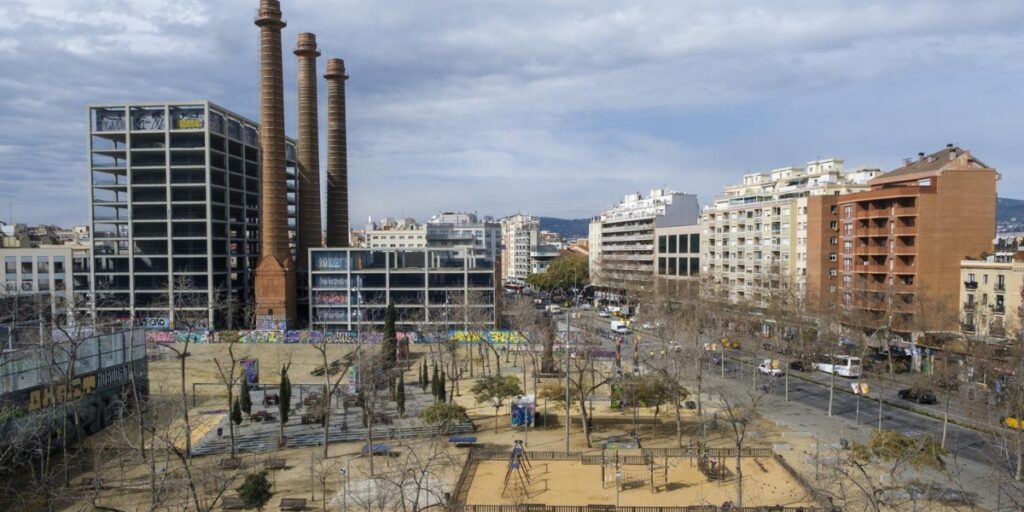
The Jardins de les Tres Xemeneies (Three Chimneys Gardens) provide green space with an industrial twist—three factory smokestacks have been preserved as monuments to the area’s working-class heritage. It’s popular with locals for exercise and relaxation.
Jardins de Joan Brossa on Montjuïc offers a peaceful escape with art installations, contemporary playgrounds, and stunning views. Most tourists miss this entirely, making it a true local secret.
Nightlife in Poble Sec
As evening arrives, the Poble Sec neighborhood transforms into one of Barcelona’s most exciting nightlife destinations.
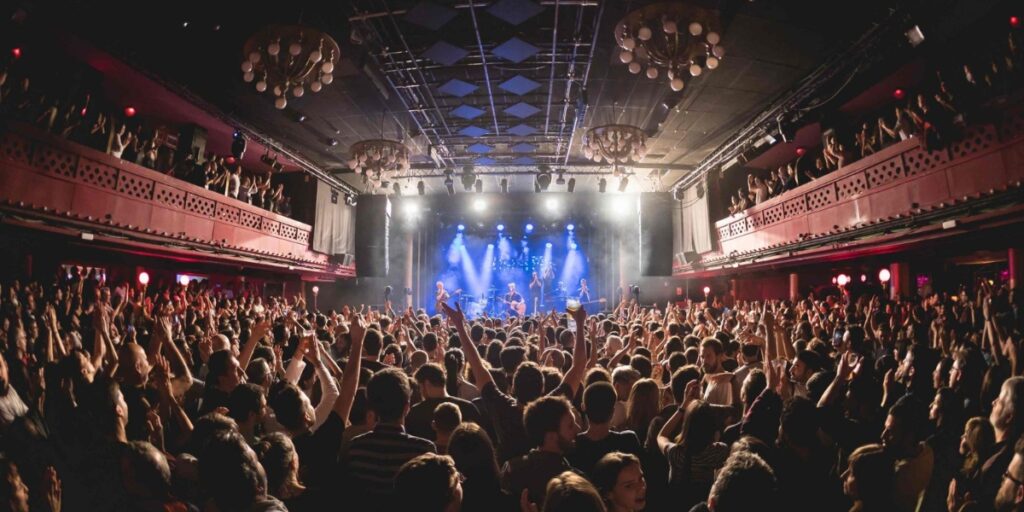
- Sala Apolo is Barcelona’s most legendary concert venue, hosting everyone from international touring acts to local bands. The adjoining Apolo 2 club features DJ nights spanning electronic, indie, and Latin music. Monday’s “Nasty Mondays” indie disco has been a Barcelona institution for years.
- Tinta Roja brings Buenos Aires to Barcelona with its intimate space, velvet curtains, and live tango performances. It’s romantic, atmospheric, and unlike anywhere else in the city.
- For craft beer enthusiasts, La Cervecita Nuestra de Cada Día offers an extensive selection of Spanish and international brews with knowledgeable staff happy to guide you through their rotating taps.
- Bar Primavera is perfect for beginning your evening—it’s casual, affordable, and always buzzing with a mixed crowd of locals and visitors. Their gin and tonics are expertly prepared.
Where to Stay: Is Poble Sec Right for You?
When considering where to stay in Barcelona, Poble Sec offers compelling advantages. The neighborhood provides excellent value compared to more central areas, with accommodation options ranging from budget hostels to boutique hotels and vacation rentals. If you’re still weighing up your options across the city, our Barcelona Neighborhood Guide offers a thorough breakdown of every district, helping you find the area that best suits your travel style, budget, and priorities.
Pros of staying in Poble Sec:
- Authentic neighborhood atmosphere with excellent local dining
- Great metro connections to major attractions
- Walking distance to Montjuïc and reasonably close to the city center
- More affordable than Gothic Quarter, Eixample, or Gràcia
- Safe, residential character with genuine local life
Potential drawbacks:
- Not directly on the beach (though easily accessible)
- Some streets have steep inclines if mobility is a concern
- Fewer tourist services (which can be a pro or con depending on your perspective)
Hotel Recommendations:
- Hotel Brummell is Poble Sec’s most stylish accommodation option, a boutique hotel with a rooftop pool, excellent restaurant, and design-forward aesthetic. The location on Carrer Nou de la Rambla puts you steps from the best restaurants.
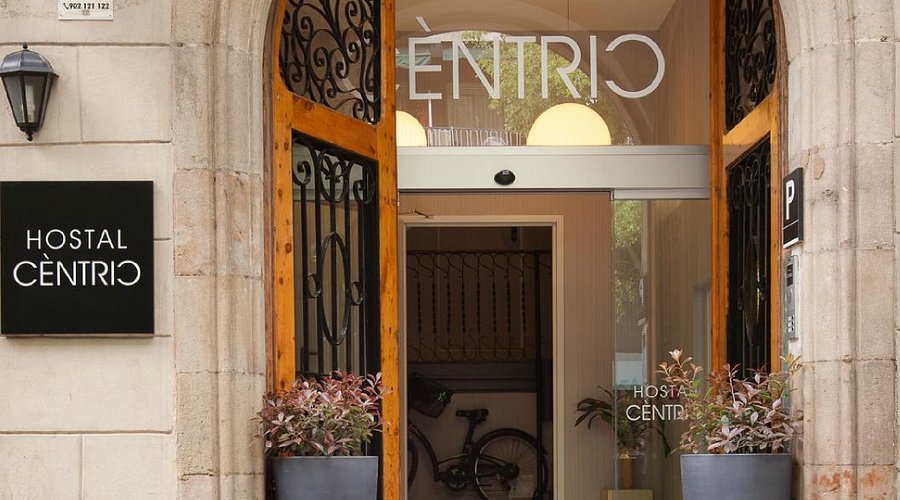
- Hostal Centric offers budget-friendly private rooms with surprising style. It’s clean, well-run, and perfectly positioned for exploring Poble Sec on foot.
- For apartment rentals, look along Carrer de Blai or Carrer de Parlament for the most convenient locations.
A Perfect Day in Poble Sec: Sample Itinerary
- Morning (9:00 AM – 12:00 PM) – Start at Federal Café with excellent coffee and breakfast. Around 10:00 AM, take the funicular up to Montjuïc and visit MNAC. Spend a couple of hours exploring the museum’s incredible Romanesque art collection.
- Midday (12:00 PM – 3:00 PM) – Descend back to Poble Sec for vermut hour at La Tieta or Bodega Salto. Around 1:00 PM, make your way to Carrer de Blai for pintxos. Bar-hop along the street, trying a few bites at each spot.
- Afternoon (3:00 PM – 7:00 PM) – Take a post-lunch siesta or gentle neighborhood walk. If you’ve booked ahead, this is a good time for the Refugi 307 tour. Around 5:00 PM, stop at **Quimet & Quimet** for their spectacular montaditos and a glass of wine. This timing usually avoids the worst crowds.
- Evening (7:00 PM onwards) – Return to your accommodation to freshen up. Around 9:00 PM (remember, Spaniards eat late), have dinner at one of Poble Sec’s excellent restaurants—perhaps Bodega Montferry for traditional Catalan cuisine or Cañete for something more refined.
- After dinner, check what’s happening at Sala Apolo—if there’s a concert that interests you, this is Barcelona’s best venue. Otherwise, enjoy cocktails at Tinta Roja or craft beer at La Cervecita Nuestra de Cada Día. Poble Sec’s compact size means you can easily wander from venue to venue.
Practical Tips for Visiting Poble Sec
When to Visit
Poble Sec is wonderful year-round, but each season offers different advantages:
- Spring (March-May): Perfect weather for exploring Montjuïc, fewer crowds than summer, and the neighborhood’s terraces begin opening for outdoor dining.
- Summer (June-August): Warmest weather but also peak tourist season. The Magic Fountain shows run most frequently, and rooftop bars are at their best. However, many locals leave Barcelona in August, so some smaller establishments close for vacation.
- Fall (September-November): Perhaps the ideal time—warm weather continues through October, summer crowds diminish, and autumn festivals bring special events. The September La Mercè festival includes neighborhood celebrations.
- Winter (December-February): Coolest weather but rarely cold by northern standards. This is low season, meaning better prices and a more exclusively local atmosphere.
Money and Budgeting
Poble Sec offers excellent value, especially compared to more touristy Barcelona neighborhoods. Budget travelers can eat very well on Carrer de Blai for €10-15 per person, while a nice dinner at a sit-down restaurant might cost €25-40. Vermut and beer are typically €3-4, cocktails €8-12.
Most establishments accept cards, but smaller bars and pintxo spots may be cash-only, so carry some euros. ATMs are readily available along the main streets.
Language
While many people in the tourism industry speak English, Poble Sec is a genuinely local neighborhood where you’ll encounter more Spanish and Catalan. Learning a few basic phrases will enhance your experience:
- “Bon dia” (good morning in Catalan) or “Buenos días” (Spanish)
- “Gràcies/Gracias” (thank you)
- “Perdona/Perdón” (excuse me)
- “La cuenta, por favor” (the check, please)
Most menu items will be in Catalan or Spanish, but staff are typically happy to explain dishes if you ask.
Safety
Poble Sec is one of Barcelona’s safer neighborhoods. The residential character means streets are active day and night with locals, creating natural surveillance. Standard urban precautions apply—watch for pickpockets on crowded metro trains and don’t leave valuables unattended—but violent crime is rare.
The walk up to Montjuïc’s less-populated areas should be done during daylight hours, but the neighborhood itself is very safe for evening exploration.
Poble Sec with Kids
Families often overlook Poble Sec, but it’s actually quite family-friendly. The pedestrianized Carrer de Blai means children can move freely without traffic concerns. The parks and gardens provide play space, and Montjuïc offers numerous family activities including the Olympic Stadium, cable cars, and gardens.
Many restaurants welcome children—Spanish culture is generally very family-oriented. Lunch is often a better bet than dinner, as restaurants are less crowded and the earlier timing suits children’s schedules better.
The Magic Fountain show captivates kids of all ages, and it’s free. Just arrive early to claim a good viewing spot, especially during summer.
Connecting Poble Sec to Your Barcelona Itinerary
Poble Sec works perfectly as either a base for your Barcelona stay or as a half-day or full-day excursion from another neighborhood. Its central location means nothing in Barcelona is more than 30 minutes away by metro.
From Poble Sec, you can easily reach:
- Gothic Quarter and Las Ramblas: 15 minutes by metro or 20-minute walk
- Barceloneta Beach: 20 minutes by metro
- La Sagrada Familia: 20 minutes by metro
- Park Güell: 30 minutes by metro
- Gràcia neighborhood: 25 minutes by metro
If you’re spending several days in Barcelona and want to understand the city beyond its most famous monuments, dedicating time to Poble Sec provides essential context. Before you travel, it’s worth consulting our Complete Barcelona Travel Guide to help you plan your wider itinerary, including all the major sites, logistics, and insider tips that will make your trip run smoothly.
Events and Festivals in Poble Sec
Festa Major de Poble Sec
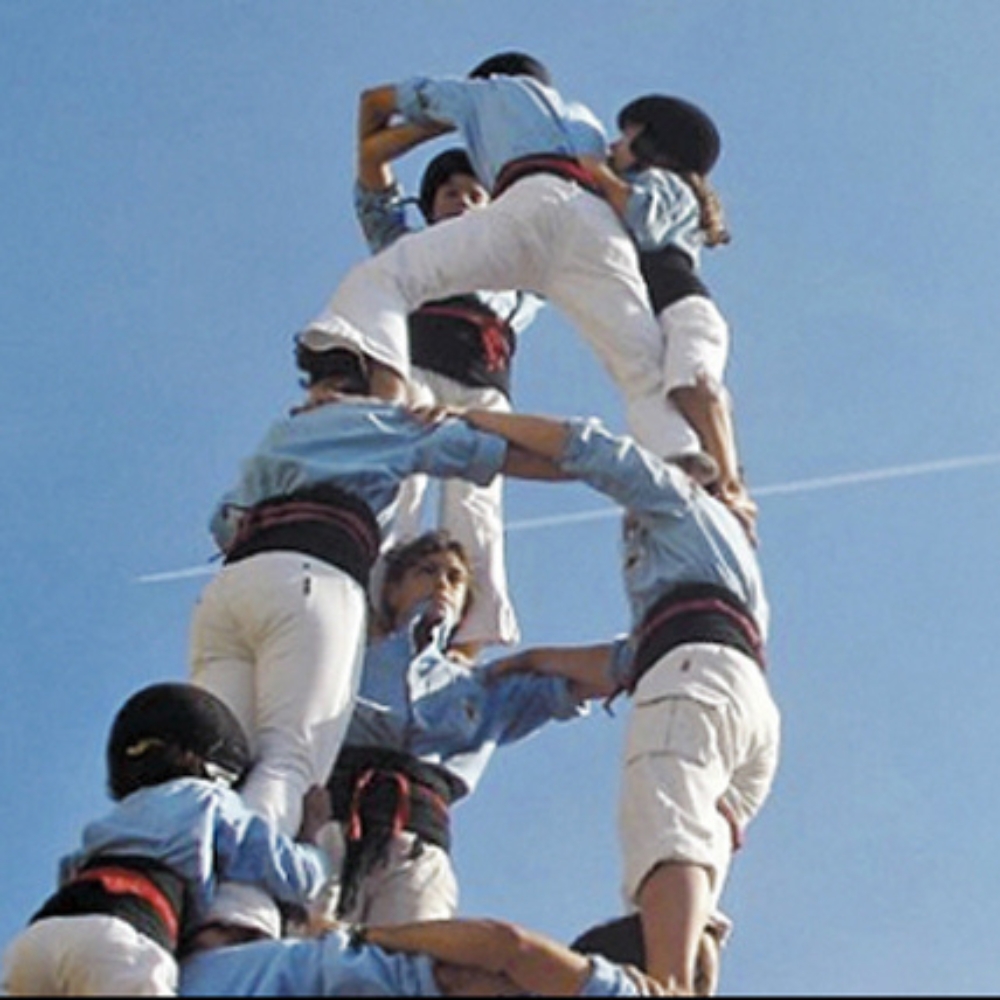
Every July, Poble Sec celebrates its neighborhood festival (Festa Major) with concerts, street parties, traditional Catalan activities like castellers (human towers), and plenty of eating and drinking. Streets are decorated with banners and lights, creating a magical atmosphere. This is when you’ll see the neighborhood at its most celebratory and community-oriented.
La Mercè
Barcelona’s biggest festival (September 24) celebrates the city’s patron saint with events throughout Barcelona. Poble Sec hosts its own programming, including concerts in the streets and special performances at the theaters along Parallel Avenue.
Carnival
February’s carnival brings costumes, parades, and parties to Barcelona, with Poble Sec participating enthusiastically. The neighborhood’s bars and restaurants often have special events, and you’ll see costumed revelers throughout the streets.
Hidden Gems and Local Secrets
Every neighborhood has its secrets, and Poble Sec is no exception. Here are a few lesser-known spots that locals love:
- La Bella Napoli serves Barcelona’s best pizza according to many residents. It’s small, unassuming, and often has a wait, but the pizza is worth it—thin crust, quality ingredients, and cooked in a proper wood-fired oven.
- Bodega Quimet (not to be confused with Quimet & Quimet) is an old-school wine shop where you can buy bottles to take home or drink on-site for a small corkage fee. The owner’s recommendations are always excellent.
- The side streets off Carrer de Parlament hide small artisan shops, including a brilliant chocolate maker, a specialty olive oil store, and a shop selling nothing but vermut and vermouth accessories.
Why Poble Sec Matters
In an era when many European city neighborhoods have become virtually indistinguishable tourist zones, Poble Sec stands out as a place that has evolved without losing its soul. The neighborhood successfully balances welcoming visitors with maintaining its identity as a real residential area where Barcelonins live, work, and raise families.
This authenticity is increasingly rare and valuable. When you eat pintxos on Carrer de Blai, you’re not experiencing a sanitized version of Barcelona culture created for tourists—you’re participating in something that exists primarily for locals and would continue existing whether visitors discovered it or not.
The neighborhood also represents Barcelona’s ability to reinvent itself while honoring its past. The former working-class barrio has become a creative, culinary destination without displacing longtime residents or erasing history. The old vermut bars thrive alongside modern restaurants; traditional shops coexist with design boutiques.
Final Thoughts: Should You Visit Poble Sec?
Absolutely. Whether you’re a first-time Barcelona visitor or a return traveler seeking something beyond the standard tourist circuit, the Poble Sec neighborhood offers rewards that few other areas can match.
For food lovers, it’s simply unmissable—the concentration of excellent, affordable dining is extraordinary. The Poble Sec Barcelona guide to eating could fill a book on its own, from the pintxo bars of Carrer de Blai to hidden vermut spots tucked down side streets. For culture seekers, the combination of Montjuïc access, historical sites like Refugi 307, and the theater district provides depth beyond typical tourist attractions.
For those wanting to experience authentic Barcelona life, the residential character and local atmosphere are perfect. You’ll find yourself shopping at the same markets as neighborhood residents, drinking vermut alongside Barcelonins who’ve been coming to the same bar for decades, and discovering what daily life actually looks like in Spain’s second-largest city.
Poble Sec Barcelona isn’t trying to be something it’s not. It’s not glamorous like Eixample, it’s not beach-adjacent like Barceloneta, and it’s not ancient like the Gothic Quarter. Instead, it’s genuine, welcoming, delicious, and thoroughly enjoyable—a hidden gem that rewards those willing to venture slightly off the main tourist path.
The neighborhood represents what many travelers are increasingly seeking: authentic experiences in places where tourism hasn’t completely transformed local life. You can still stumble upon a tiny bar where you’re the only non-Spanish speaker, or discover a restaurant where the owner personally greets every regular customer by name. These moments of genuine connection are becoming harder to find in major European cities, which makes Poble Sec all the more special.
Add Poble Sec to your Barcelona itinerary. Dedicate at least a full day, though two or three would be even better. Eat pintxos on Carrer de Blai. Sip vermut at a neighborhood bodega on a Sunday afternoon. Walk up to Montjuïc for sunset views over the Mediterranean. Explore the side streets and discover your own favorite spots that aren’t mentioned in any guidebook.
You’ll discover what makes Barcelona special isn’t just the Gaudí buildings and famous beaches—it’s neighborhoods like Poble Sec where the city’s true character shines through. And when you return home, you’ll have stories not just about checking off major monuments, but about meals shared with locals, conversations in broken Spanish-English, and the satisfaction of discovering a place that still feels like a secret, even though it’s hiding in plain sight.
The Poble Sec neighborhood is waiting to be explored and won’t stay hidden forever—Barcelona’s ongoing evolution means more travelers discover it every year. Visit sooner rather than later to experience Poble Sec at its most authentic, before it potentially transforms into just another tourist hotspot. For now, it remains perfectly balanced between accessible and undiscovered, welcoming and genuine—everything you want in a Barcelona neighborhood.