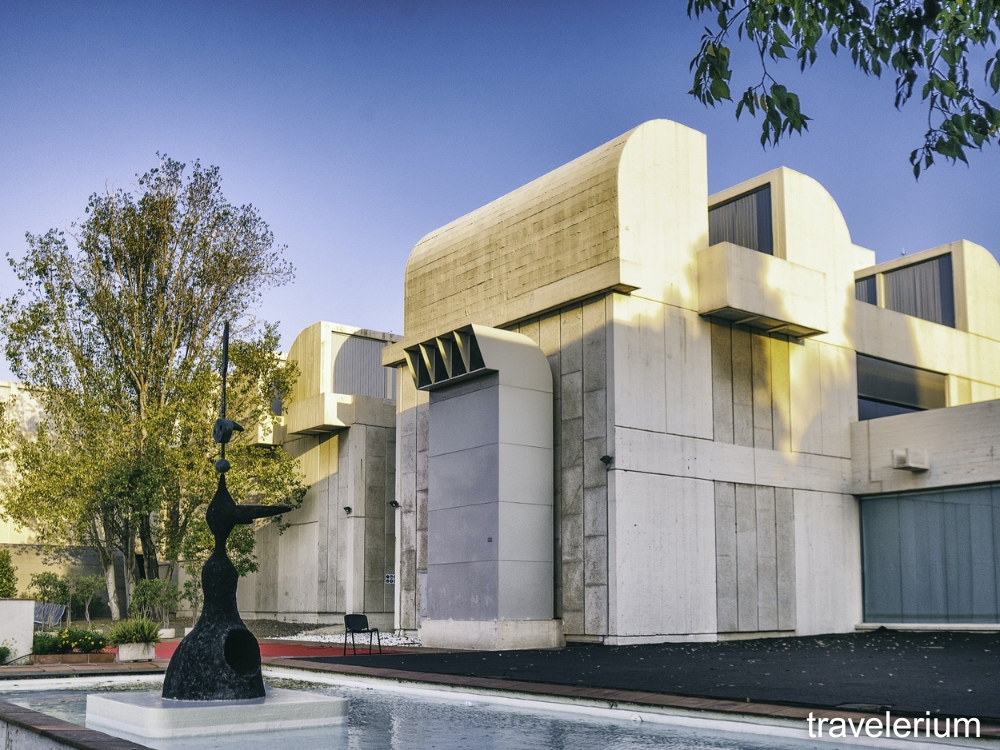
Perched on Montjuïc hill with sweeping views over Barcelona, the Fundació Joan Miró stands as one of the world’s most comprehensive celebrations of a single artist’s work. This stunning white building, designed by Josep Lluís Sert, houses the largest collection of works by Catalan artist Joan Miró, alongside temporary exhibitions of contemporary art. Whether you’re an art enthusiast or a casual visitor exploring Barcelona’s cultural landmarks, understanding how to purchase Joan Miró Foundation tickets, what to expect from pricing, and how to plan your visit will ensure you make the most of this remarkable museum experience.
Overview of Fundació Joan Miró
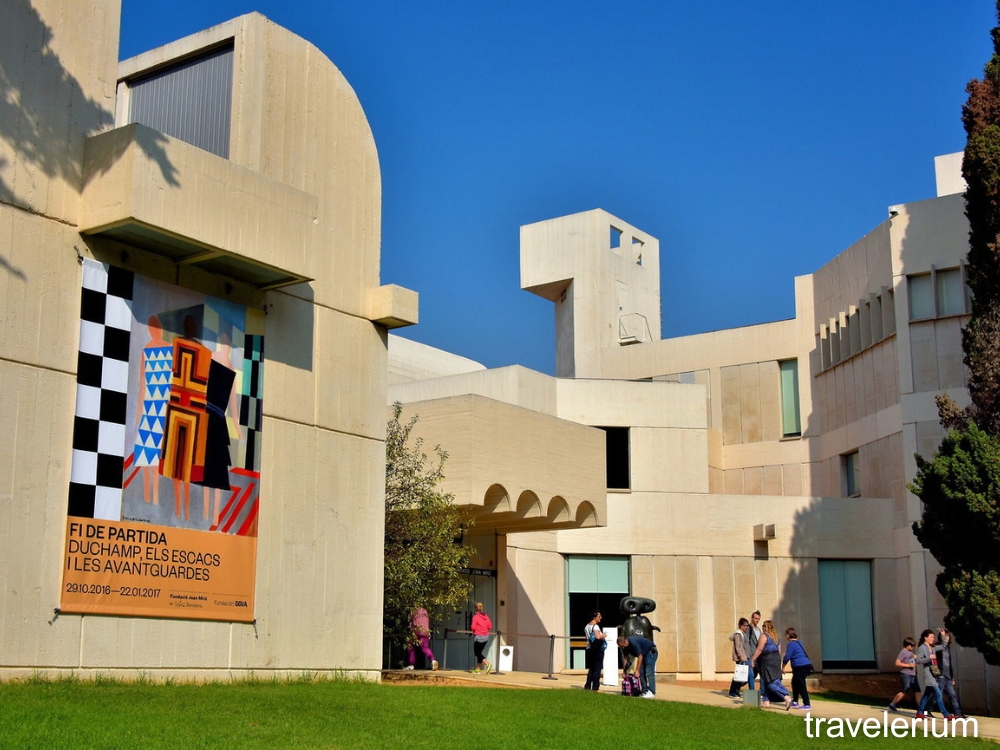
The Fundació Joan Miró opened its doors in 1975, a project initiated by Joan Miró himself to create a space dedicated to contemporary art. The foundation serves multiple purposes: it preserves and displays Miró’s extensive body of work, promotes contemporary art through rotating exhibitions, and provides educational programs for visitors of all ages. The building itself is an architectural masterpiece, with its Mediterranean-inspired design featuring terraces, courtyards, and abundant natural light that perfectly complements Miró’s vibrant, playful artworks.
The permanent collection includes more than 14,000 pieces spanning Miró’s entire career—paintings, sculptures, textiles, and ceramics that showcase his evolution from figurative work to his distinctive abstract style characterized by bright colors, organic shapes, and symbolic imagery. Beyond Miró’s own creations, the foundation regularly hosts temporary exhibitions featuring both established and emerging contemporary artists, making each visit potentially unique.
Joan Miró Foundation Tickets: How to Purchase
Buying Miró Tickets Online
Purchasing your Miró museum Barcelona tickets online is the most convenient option and highly recommended, especially during peak tourist seasons (April through October). The official Fundació Joan Miró website offers a straightforward booking system where you can:
- Select your preferred date and time slot
- Choose from various ticket types (general admission, reduced rates, family tickets)
- Add audio guides or guided tour options
- Receive instant confirmation via email
When you buy Miró tickets online, you’ll avoid potentially long queues at the ticket office, particularly during summer months and weekends. Online tickets are typically valid for the specific date and time you select, though some flexibility may be offered depending on the ticket type. After completing your purchase, you’ll receive a digital ticket that can be displayed on your smartphone or printed at home.
Third-party platforms like GetYourGuide, Viator, and Tiqets also offer Fundació Joan Miró tickets, sometimes bundled with other Barcelona attractions or including skip-the-line privileges. While these can be convenient for planning multi-attraction itineraries, they may include service fees that make them slightly more expensive than purchasing directly from the foundation’s website.
Ticket Office Purchases
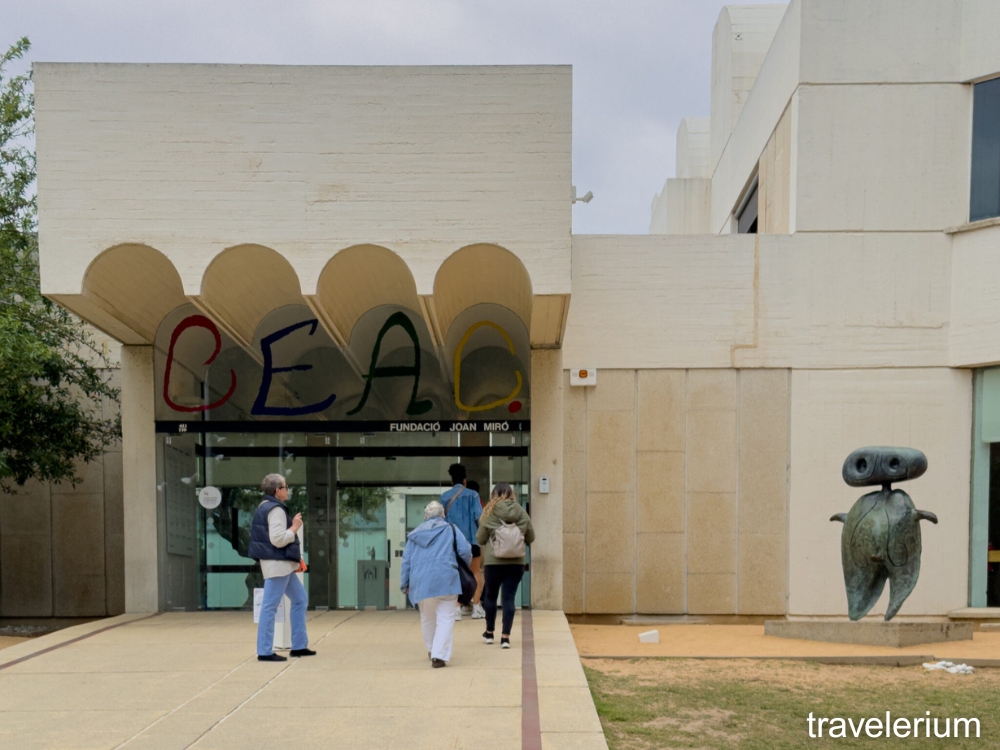
If you prefer to buy tickets in person or haven’t pre-booked, the museum’s ticket office is located at the main entrance. Arriving early in the morning (shortly after opening) or later in the afternoon typically means shorter wait times. The staff at the ticket desk can provide information about current exhibitions, available tours, and accessibility options. Payment methods accepted include credit cards, debit cards, and cash (euros).
Fundació Miró Price: Ticket Costs and Options
Understanding the Fundació Miró price structure helps you plan your budget and take advantage of potential discounts. As of 2026, the pricing typically includes:
General Admission Prices
- Full price: Generally ranges from €13-€15 for adults
- Reduced rate: Approximately €7-€9 for students (with valid ID), seniors (65+), and holders of specific discount cards
- Children and teens: Often free or heavily discounted for visitors under 15-16 years old
- Children under 14 accompanied by an adult: Typically free admission
(Note: Exact prices may vary; always check the official website for current rates)
Special Ticket Options
- Combined Tickets: The foundation sometimes offers combined tickets with other cultural institutions on Montjuïc or across Barcelona, providing savings if you plan to visit multiple museums.
- Audio Guide: Available for an additional fee (approximately €5), the audio guide offers detailed explanations of major works and provides context about Miró’s life and artistic philosophy. Available in multiple languages including English, Spanish, Catalan, French, and German.
- Guided Tours: Private or group guided tours can be arranged for an additional cost, offering expert insight into the collection and special access to certain areas not typically open to the general public.
Free Admission Opportunities
The Fundació Joan Miró offers free admission during specific times and for certain groups:
- Free evening hours: Typically Saturday evenings (usually from 7 PM to closing) and sometimes Thursday evenings
- Special free days: International Museum Day (May 18), La Mercè festival (September), and certain other cultural celebrations
- Always free: Children under a certain age (typically 14 or 15), ICOM cardholders, accredited journalists, and museum professionals with proper identification
Barcelona residents sometimes receive special discounts or free admission during designated periods, so if you’re a local, check the foundation’s website for current resident programs.
Miró Museum Hours: When to Visit
Planning your visit around the Miró museum hours ensures you have adequate time to explore the extensive collection without feeling rushed.
Regular Opening Hours
The typical schedule (subject to change on holidays and special occasions):
- Tuesday through Saturday: 10:00 AM – 6:00 PM (extended to 8:00 PM on Thursdays and Saturdays from April through October)
- Sundays and holidays: 10:00 AM – 3:00 PM
- Mondays: Closed (except certain public holidays)
Seasonal Variations
During summer months (roughly April through October), the museum extends its hours to accommodate more visitors and take advantage of Barcelona’s long daylight hours. Winter hours (November through March) are typically shorter, with earlier closing times. Always verify current hours before your visit, as they can change for special exhibitions or events.
Best Times to Visit
To experience the Fundació Joan Miró with fewer crowds:
- Weekday mornings: Arriving shortly after opening on Tuesday through Friday typically offers the quietest experience
- Late afternoons: The hours before closing often see thinner crowds, particularly on extended-hour days
- Winter months: November through February generally have fewer tourists than peak summer season
- Avoid weekends: Saturday and Sunday tend to be busiest, especially during spring and summer
If you’re visiting during peak season or on a weekend, purchasing tickets online with a specific time slot can help you avoid disappointment if daily visitor limits are reached.
What to See at Fundació Joan Miró
The Permanent Collection
The foundation’s permanent collection spans Joan Miró’s entire career, from early works showing the influence of Fauvism and Cubism to his mature style characterized by abstract forms, bright primary colors, and whimsical symbols. Key highlights include:
- Paintings: Works like “The Gold of the Azure” series and numerous pieces from different periods showing his artistic evolution.
- Sculptures: Both bronze sculptures and large-scale pieces displayed in the foundation’s sculpture garden, where Miró’s playful forms interact with the Barcelona skyline.
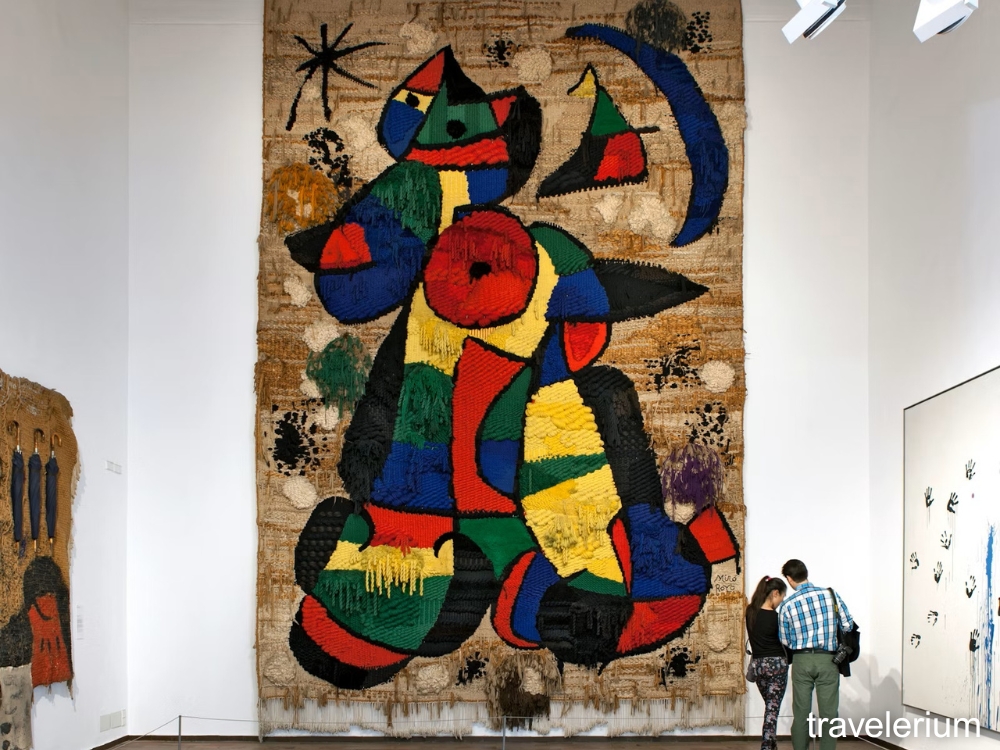
- Textiles and Tapestries: Collaborative works that demonstrate Miró’s versatility across different media.
- Drawings and Graphics: An extensive collection of sketches, lithographs, and experimental works that reveal Miró’s creative process.
- The Mercury Fountain: Alexander Calder’s kinetic sculpture, originally created for the 1937 Paris International Exposition, is permanently housed at the foundation—a moving tribute to the friendship between these two groundbreaking artists.
Temporary Exhibitions
The Fundació Joan Miró maintains an active program of temporary exhibitions featuring contemporary artists whose work resonates with Miró’s experimental spirit. These exhibitions occupy dedicated gallery spaces and change several times throughout the year, offering repeat visitors new experiences and supporting emerging artistic voices.
Architectural Features
Don’t overlook the building itself. Josep Lluís Sert‘s design, with its white walls, curved forms, natural lighting through skylights and courtyards, and outdoor terraces, creates a perfect environment for experiencing Miró’s work. The rooftop terrace offers stunning views of Barcelona and features several large-scale Miró sculptures.
Planning Your Visit
Getting There
The Fundació Joan Miró’s location on Montjuïc hill requires some planning for transportation:
- By Metro and Funicular: Take Metro Line 2 or 3 to Paral·lel station, then board the Montjuïc Funicular (included with your metro ticket) to Parc de Montjuïc. From the funicular station, it’s approximately a 10-15 minute walk or a short bus ride (bus 150).
- By Bus: Bus line 150 connects Plaça d’Espanya with various Montjuïc attractions, including a stop near the foundation. Bus 55 from Plaça d’Espanya also stops nearby.
- By Cable Car: The Montjuïc cable car (Telefèric de Montjuïc) offers spectacular views and stops near the foundation, though it operates seasonally and requires a separate ticket.
- By Taxi or Ride-Share: A convenient but more expensive option, particularly useful if you have mobility concerns or are traveling with young children.
- On Foot: If you’re staying nearby or enjoy walking, the approach from Plaça d’Espanya through the park offers beautiful views, though it involves some uphill terrain.
How Long to Spend
Most visitors spend between 1.5 to 3 hours at the Fundació Joan Miró, depending on their interest level:
- Brief visit: 1-1.5 hours to see permanent collection highlights
- Thorough exploration: 2-3 hours to see both permanent and temporary exhibitions
- In-depth experience: 3+ hours if attending a guided tour, using audio guide, and spending time in outdoor spaces
Visitor Amenities
- Gift Shop: The museum shop offers an excellent selection of Miró-related books, prints, posters, and design objects, along with contemporary art publications.
- Café: A café with outdoor seating provides refreshments and light meals, with views over the city—perfect for a mid-visit break.
- Cloakroom: Free coat check and bag storage for items not permitted in galleries.
- Accessibility: The foundation is wheelchair accessible with elevators connecting all levels. Wheelchairs are available for loan at the entrance (subject to availability).
- Photography: Personal photography is typically permitted in permanent collection areas without flash, though restrictions may apply to temporary exhibitions.
Combining with Other Montjuïc Attractions
Montjuïc hill hosts numerous cultural attractions that can easily be combined with your Fundació Joan Miró visit:
- MNAC (Museu Nacional d’Art de Catalunya): Spectacular collection of Romanesque art and Catalan works
- Montjuïc Castle: Historic fortress with panoramic city views
- Magic Fountain: Evening light and music shows (seasonal)
- Olympic Ring: Sites from the 1992 Barcelona Olympics
- Joan Brossa Gardens: Peaceful botanical spaces
Consider purchasing a combined ticket or multi-attraction pass if you plan to visit several Montjuïc sites.
Tips for Visiting Fundació Joan Miró
Before You Go
- Check the website: Verify current Miró museum hours, special closures, and temporary exhibition details
- Book online: Especially during peak season, pre-purchasing ensures entry at your preferred time
- Plan for weather: Montjuïc can be windy; outdoor sculpture terraces are best enjoyed in pleasant weather
- Wear comfortable shoes: The museum involves walking, and reaching it requires navigating some slopes
During Your Visit
- Start with the permanent collection: Orient yourself with Miró’s work before exploring temporary exhibitions
- Don’t skip the outdoor spaces: The sculpture garden and terraces are highlights
- Use the audio guide: Provides valuable context even for those familiar with modern art
- Take breaks: The café terrace offers a perfect spot to rest and reflect on what you’ve seen
- Visit the gift shop: High-quality souvenirs and art books make meaningful mementos
Photography and Social Media
While personal photography is generally allowed, be respectful of other visitors and never use flash or tripods without permission. Check specific rules for temporary exhibitions, as some contemporary artists restrict photography of their work. The foundation’s Instagram-worthy spots include the sculpture terrace with Barcelona views and Alexander Calder’s Mercury Fountain.
Special Programs and Events
Educational Programs
The Fundació Joan Miró offers various educational programs:
- Workshops for children and families: Hands-on art activities inspired by Miró’s techniques
- Art classes: Drawing and painting courses for various skill levels
- Lectures and talks: Presentations by curators, artists, and art historians
- School programs: Tailored tours and activities for student groups of all ages
Cultural Events
Throughout the year, the foundation hosts special events that enhance the visitor experience:
- Concert Series: Classical, jazz, and contemporary music performances in the auditorium or outdoor spaces, often themed around current exhibitions
- Film Screenings: Art documentaries and experimental films related to Miró’s work or contemporary art movements
- Artist Talks: Meet-and-greet sessions with featured contemporary artists during temporary exhibition openings
- Nighttime Openings: Special evening events with extended hours, live music, and sometimes wine or refreshments
Membership Programs
For frequent visitors or serious art enthusiasts, becoming a “Friend of the Fundació Joan Miró” offers benefits such as:
- Unlimited free admission for one year
- Invitations to exhibition previews and members-only events
- Discounts at the gift shop and café
- Priority booking for workshops and special programs
- Reciprocal benefits at other museums and cultural institutions
Membership costs vary depending on the level (individual, family, patron), but can pay for itself after just a few visits, particularly if you take advantage of special events and discounts.
Understanding Joan Miró’s Legacy
Who Was Joan Miró?
To fully appreciate your visit, understanding some background about Joan Miró (1893-1983) enriches the experience. Born in Barcelona, Miró became one of the 20th century’s most influential artists, associated with Surrealism but never fully embracing any single movement. His work is characterized by:
- Symbolic vocabulary: Stars, moons, birds, women, and eyes appear repeatedly in abstracted forms
- Vibrant color: Bold primary colors—especially red, yellow, and blue—against black backgrounds
- Playful spontaneity: A childlike quality that belies sophisticated technical skill
- Political engagement: Works responding to the Spanish Civil War and Franco dictatorship
- Cross-media experimentation: From painting and sculpture to ceramics, textiles, and public art
Miró spent much of his career in France but maintained deep connections to Catalonia. The foundation represents his gift to his homeland—a space for creativity, experimentation, and public engagement with contemporary art.
Miró’s Influence on Contemporary Art
The temporary exhibitions at the Fundació Joan Miró often highlight artists influenced by Miró’s innovations:
- Abstract expressionists who embraced his gestural spontaneity
- Pop artists inspired by his use of symbols and bright colors
- Contemporary artists working with biomorphic forms and playful abstraction
Understanding these connections helps visitors appreciate how Miró’s work continues to resonate with artists today.
Practical Information Summary
Contact Information
- Address: Parc de Montjuïc, s/n, 08038 Barcelona
- Phone: +34 934 439 470
- Website: Check the official Fundació Joan Miró website for current ticket prices, hours, and exhibition details
- Email: Available through the website’s contact form for specific inquiries
Ticket Booking Checklist
When you’re ready to buy Miró tickets online, have the following ready:
- Preferred visit date and approximate time
- Number of tickets needed (adults, children, reduced-rate categories)
- Payment method (credit/debit card accepted)
- Email address for confirmation
- Valid student ID, senior ID, or disability documentation if purchasing reduced-rate tickets
What to Bring
- Confirmation email or digital ticket on your smartphone
- Comfortable walking shoes
- Camera (without flash)
- Water bottle (though café is available)
- Light jacket (air conditioning in summer; outdoor terraces can be breezy)
- Student ID or other documentation for reduced-rate tickets
Accessibility Considerations
The Fundació Joan Miró is committed to accessibility:
- Mobility: All levels accessible via elevator; wheelchair loan available
- Visual impairments: Some tactile tours available by advance reservation; audio guides benefit visitors with partial vision
- Hearing impairments: Written materials available; some tours can be arranged with sign language interpreters with advance notice
- Autism-friendly: Quieter visiting hours can be recommended; sensory-friendly materials available for some programs
Contact the foundation in advance if you have specific accessibility needs so staff can ensure the best possible experience.
Frequently Asked Questions
- Is photography allowed? Yes, personal photography without flash is permitted in permanent collection areas. Restrictions may apply to temporary exhibitions—check signage or ask staff.
- Can I bring bags or backpacks? Small bags are permitted, but large backpacks must be checked in the cloakroom. No bags are allowed in the galleries that could potentially damage artworks.
- Are there guided tours in English? Yes, guided tours are available in multiple languages including English. Check the website for scheduled public tours or book a private tour in advance.
- Is there a café or restaurant? Yes, the museum café offers drinks, coffee, and light meals with outdoor seating and city views.
- How long should I allocate for my visit? Plan for 2-3 hours to comfortably explore both permanent and temporary exhibitions, plus time for breaks and the gift shop.
- Can I visit with young children? Absolutely. The foundation offers family programs and many children enjoy Miró’s colorful, playful works. Children under 14-15 typically receive free admission.
- What’s the best time of year to visit? Spring (April-May) and fall (September-October) offer pleasant weather and fewer crowds than peak summer months. Winter visits are less crowded but have shorter hours.
- Are audio guides worth it? If you’re interested in deeper understanding of Miró’s work and artistic context, the audio guide provides valuable insights beyond what’s visible on wall labels.
Making the Most of Your Fundació Joan Miró Experience
Before Your Visit: Research and Prepare
Familiarize yourself with Miró’s work by browsing online images or reading brief biographies. Understanding his symbolic vocabulary (what stars, ladders, birds, and eyes represented to him) enriches your viewing experience. Check which temporary exhibitions will be on display during your visit—some may align particularly well with your interests.
During Your Visit: Engage Actively
Rather than rushing through galleries, select a few works that speak to you and spend time with them. Notice how Miró uses color, how forms interact on the canvas, and what emotions or ideas the works evoke. The outdoor sculpture terrace offers a different perspective—see how monumental works interact with the Barcelona landscape.
If visiting with children, encourage them to find shapes they recognize (birds, stars, moons) or discuss what colors make them feel. The foundation’s playful approach to art makes it particularly engaging for young visitors.
After Your Visit: Reflect and Explore Further
The gift shop offers excellent catalogs and books that allow you to continue exploring Miró’s work after your visit. Consider visiting other Miró sites in Barcelona, including the Miró mosaic at La Rambla or his public sculptures throughout the city. The Casa Museu Castell de Púbol and the Fundació Pilar i Joan Miró in Mallorca offer additional perspectives on his life and work.
Conclusion: Why Visit Fundació Joan Miró
Among Barcelona’s many world-class museums and attractions, the Fundació Joan Miró offers a unique experience: an intimate encounter with one artist’s complete creative vision, set within an architectural masterpiece, overlooking one of Europe’s most beautiful cities. Whether you’re drawn by Miró’s joyful, colorful compositions, interested in 20th-century art history, or simply seeking a cultural experience during your Barcelona visit, the foundation delivers on multiple levels.
Purchasing Joan Miró Foundation tickets in advance ensures a smooth visit, while understanding the Fundació Miró price options helps you take advantage of discounts and free admission periods. Planning around Miró museum hours and considering the best times to visit enhances your experience by avoiding crowds and allowing adequate time to explore.
The combination of exceptional art, stunning architecture, educational programs, and breathtaking views makes the Fundació Joan Miró more than just a museum—it’s a celebration of creativity, experimentation, and the enduring power of art to inspire and delight. When you buy Miró tickets online and plan your visit thoughtfully, you’re setting the stage for one of Barcelona’s most rewarding cultural experiences.
Whether you spend an hour captivated by Miró’s symbolic universe or an entire afternoon exploring every gallery, terrace, and special exhibition, the Fundació Joan Miró invites you into a world where color, form, and imagination reign supreme. It’s an essential stop for art lovers and a delightful discovery for those just beginning to explore modern art—a Barcelona treasure that continues Joan Miró’s legacy of bringing joy, wonder, and creative inspiration to all who visit.