El Raval is one of Barcelona’s most vibrant and eclectic neighborhoods, a place where centuries of history collide with cutting-edge contemporary culture. Located in the Ciutat Vella (Old City) district, this barrio has transformed dramatically over the past few decades from a red-light district into one of the city’s most dynamic cultural hubs. Today, El Raval offers visitors an authentic slice of Barcelona life, complete with multicultural communities, world-class museums, innovative restaurants, and a bohemian atmosphere that’s increasingly rare in Europe’s major cities.
Understanding El Raval’s Geography and Boundaries
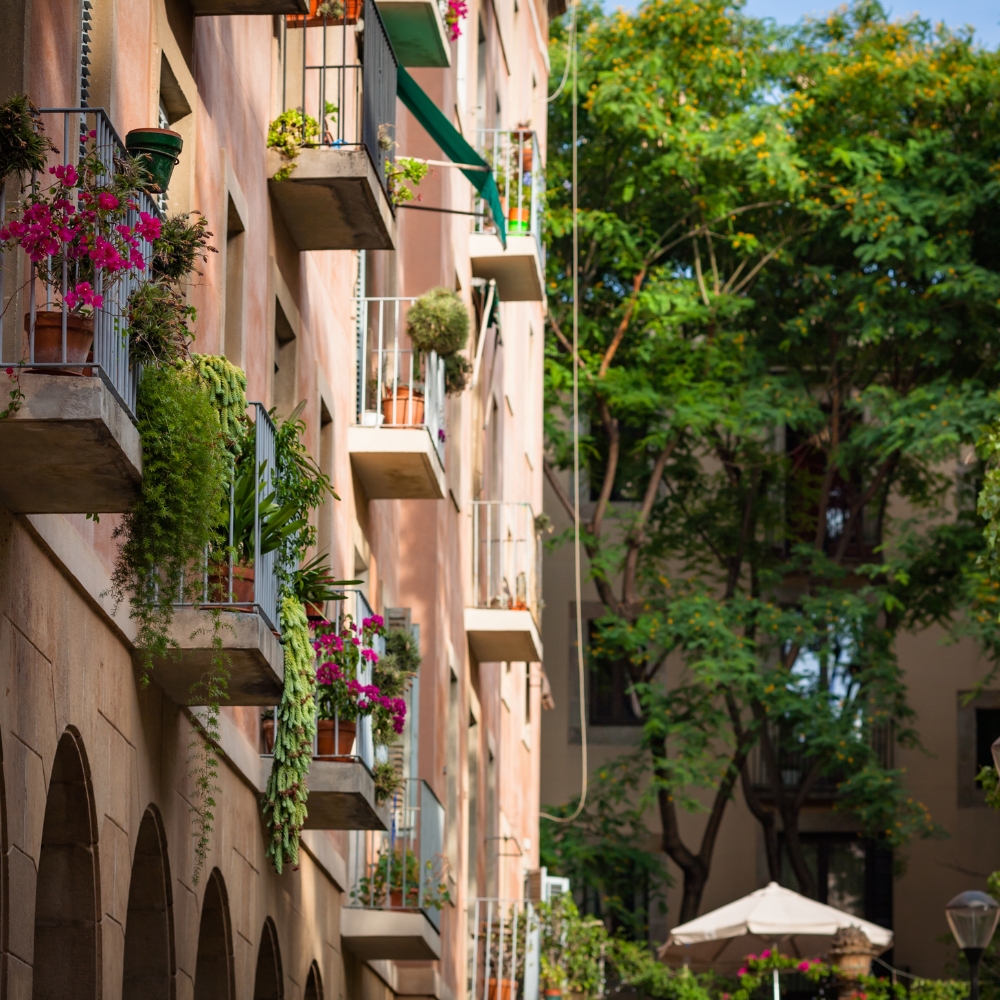
El Raval occupies the southwestern section of Barcelona’s historic center, bordered by La Rambla to the east, Avinguda del Paral·lel to the south, Ronda de Sant Antoni and Ronda de Sant Pau to the west, and Plaça de Catalunya to the north. The neighborhood is roughly divided into two sections: the upper Raval (closer to Plaça de Catalunya) tends to be more polished and museum-focused, while the lower Raval (toward the port) retains more of its gritty, authentic character.
The neighborhood’s name comes from the Arabic word “raval,” meaning suburb, as this area developed outside Barcelona’s medieval walls. This etymology hints at El Raval’s long history as a place for outsiders, immigrants, and those living on society’s margins—a tradition that continues today in its wonderfully diverse community.
A Brief History: From Red-Light District to Cultural Quarter
Understanding El Raval’s history is essential to appreciating its present character. For much of the 19th and 20th centuries, the neighborhood was known as the Barri Xinès (Chinese Quarter), though this name had nothing to do with actual Chinese residents. The nickname was inspired by American journalist Francis Carco, who compared the area to the Chinatowns he’d seen in San Francisco due to its reputation for vice, crime, and poverty.
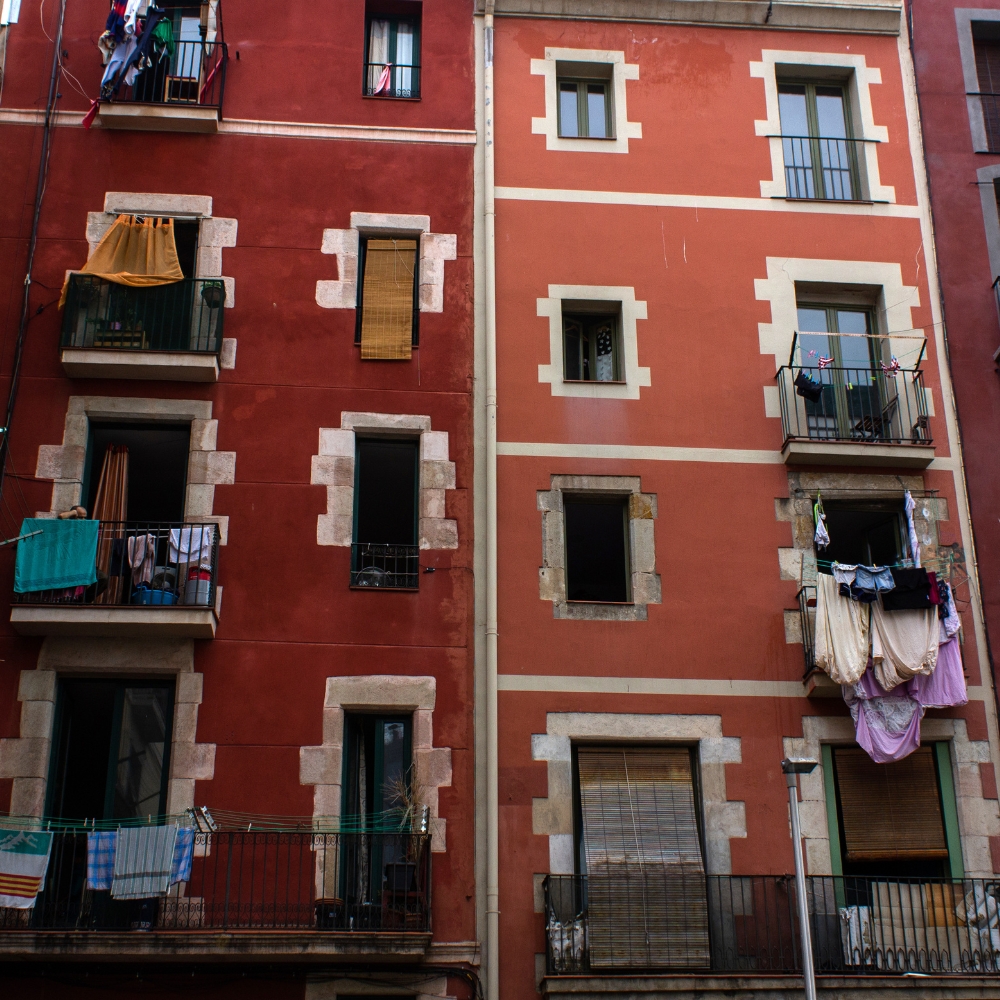
During the Franco dictatorship and well into the 1980s, El Raval was Barcelona’s most notorious neighborhood, known for prostitution, drug dealing, and poverty. The narrow medieval streets, combined with economic hardship, created challenging living conditions. Many middle-class Catalans avoided the area entirely.
The neighborhood’s transformation began in the 1990s as Barcelona prepared to host the 1992 Olympics. City planners implemented ambitious urban renewal projects, opening up the cramped medieval streets with new plazas and thoroughfares like the Rambla del Raval. The construction of the MACBA (Museum of Contemporary Art) in 1995 signaled the city’s intention to transform El Raval into a cultural destination. The opening of the CCCB (Centre de Cultura Contemporània de Barcelona) reinforced this cultural pivot.
Today, El Raval exemplifies successful (if sometimes controversial) urban regeneration. While gentrification concerns persist, the neighborhood has largely maintained its multicultural character and working-class roots while adding cultural institutions, trendy restaurants, and creative spaces that have made it one of Barcelona’s most interesting districts.
Major Attractions and Cultural Institutions
MACBA (Museu d’Art Contemporani de Barcelona)
The MACBA is El Raval’s flagship cultural institution and one of Europe’s premier contemporary art museums. Housed in a striking white building designed by American architect Richard Meier, the museum opened in 1995 and immediately became a symbol of the neighborhood’s transformation. The building itself is an architectural landmark, with its clean geometric lines creating a dramatic contrast with the surrounding medieval streets.
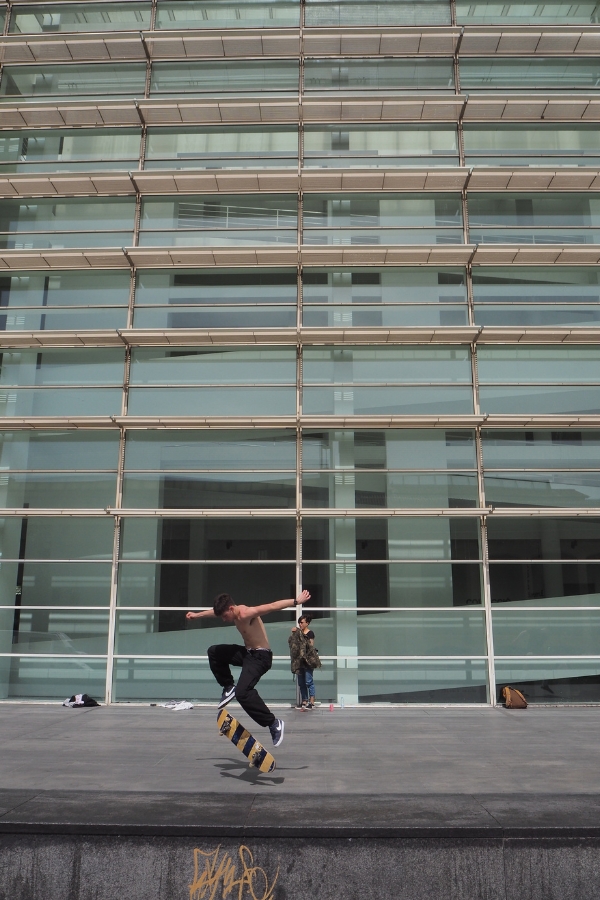
The museum’s collection focuses on post-1950s art, with particular strength in Spanish and Catalan artists, though international works are well-represented. Temporary exhibitions showcase cutting-edge contemporary artists from around the world. Beyond the galleries, the MACBA’s plaza has become a social hub, famously populated by skateboarders whose presence has become part of the museum’s identity (despite periodic conflicts with management).
CCCB (Centre de Cultura Contemporània de Barcelona)
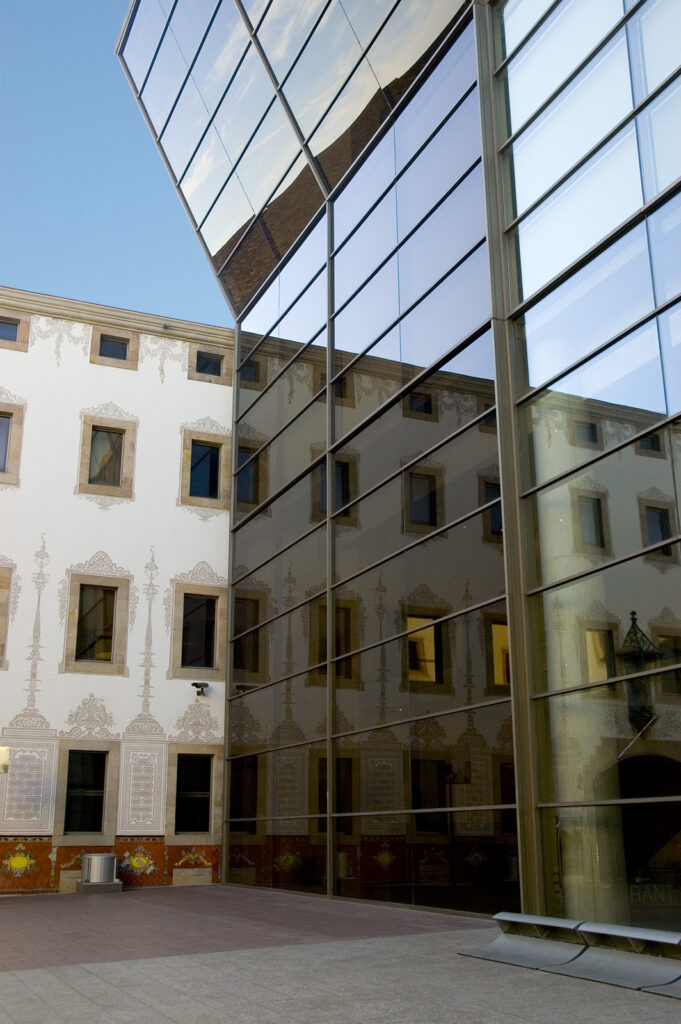
Located adjacent to MACBA in the beautifully restored Casa de la Caritat, the CCCB is a multidisciplinary cultural center hosting exhibitions, concerts, film screenings, and lectures exploring contemporary urban culture. The center’s exhibitions often address themes of city life, technology, and social change, making it intellectually stimulating for visitors interested in contemporary issues beyond traditional art.
The CCCB’s courtyard, with its dramatic glass wall reflecting the historic architecture, is worth visiting even if you don’t tour the exhibitions. The center also houses a good bookshop and café.
Palau Güell
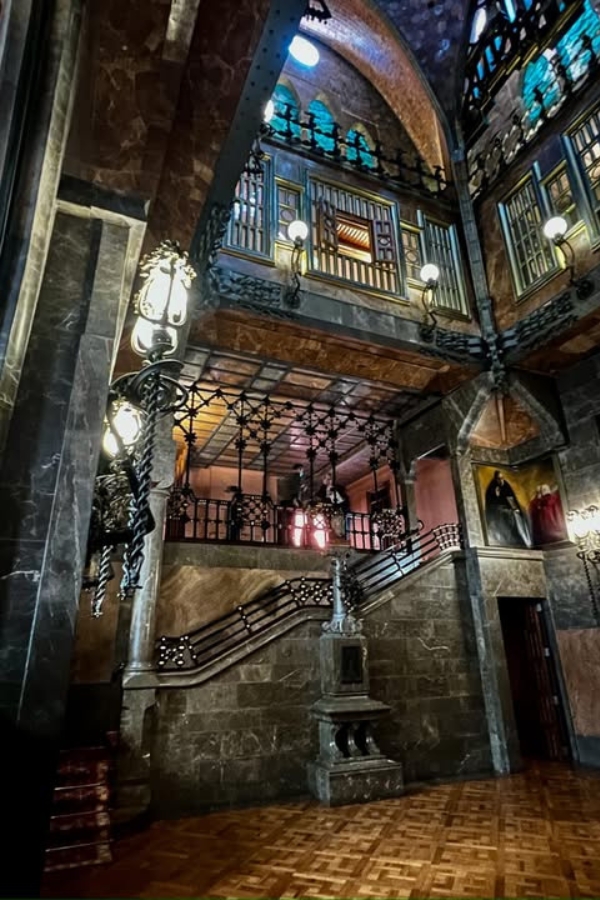
This UNESCO World Heritage Site is one of Antoni Gaudí’s earlier masterpieces, built between 1886 and 1890 for the industrialist Eusebi Güell. Located near La Rambla on Carrer Nou de la Rambla, the palace showcases Gaudí’s emerging genius, with innovative structural solutions, intricate ironwork, and his signature parabolic arches.
Unlike some of Gaudí’s later work, Palau Güell maintains a relatively sober exterior (dictated by the narrow street), but the interior is spectacular, particularly the central salon with its domed ceiling punctured by holes that create a starlight effect. The rooftop, adorned with Gaudí’s fantastical chimneys covered in colorful mosaics, offers wonderful views and hints at the directions his work would take in later projects like La Pedrera and Park Güell.
Sant Pau del Camp
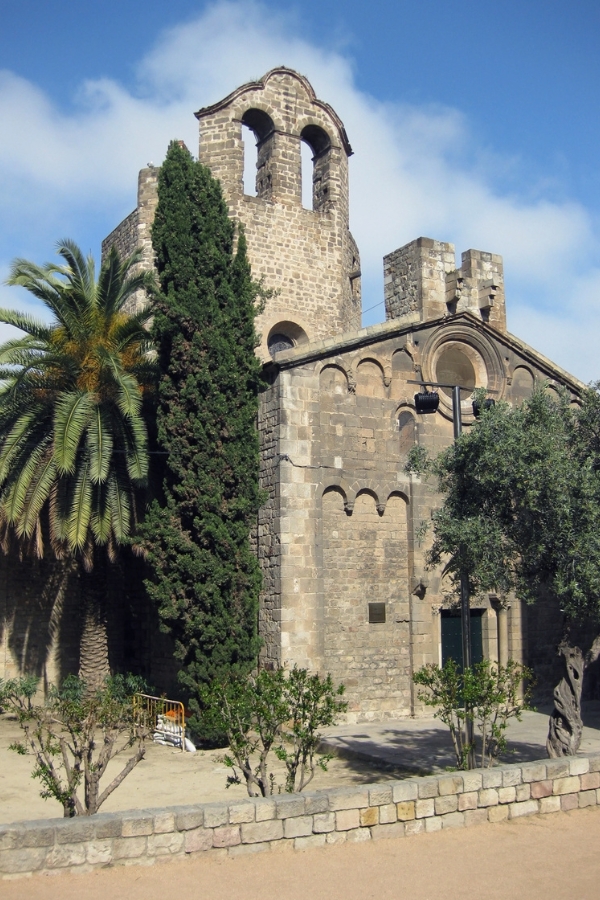
This small Romanesque church is one of Barcelona’s oldest buildings and a peaceful refuge from El Raval’s busy streets. Dating from the 10th century (though much of the current structure is 12th century), Sant Pau del Camp (“Saint Paul of the Field”) was originally located in countryside outside the city walls—a fact hard to imagine today.
The church’s cloister is particularly charming, with Moorish-influenced arches and capitals carved with biblical scenes and fantastical creatures. The simple, austere architecture provides a striking contrast to Barcelona’s more flamboyant Gothic and Modernista monuments, offering insight into the city’s medieval past.
Mercat de la Boqueria (Edge of El Raval)
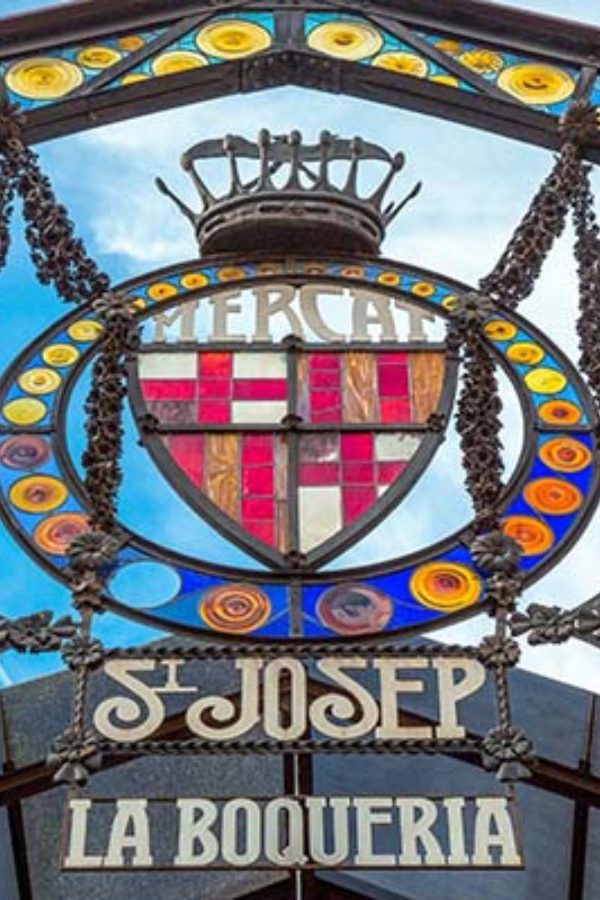
Technically located on La Rambla at El Raval’s eastern edge, La Boqueria is too significant to omit. This iconic food market is one of Europe’s most famous, with hundreds of stalls selling fresh produce, seafood, meat, cheese, and prepared foods. While increasingly touristy, La Boqueria remains a working market where many local restaurants and residents shop.
Arrive early (before 10 AM) to see the market at its most authentic, when professional chefs are selecting ingredients and the tourist crowds haven’t yet descended. The back sections of the market remain more authentic and less photographed than the photogenic fruit displays near the entrance.
The Multicultural Character of El Raval
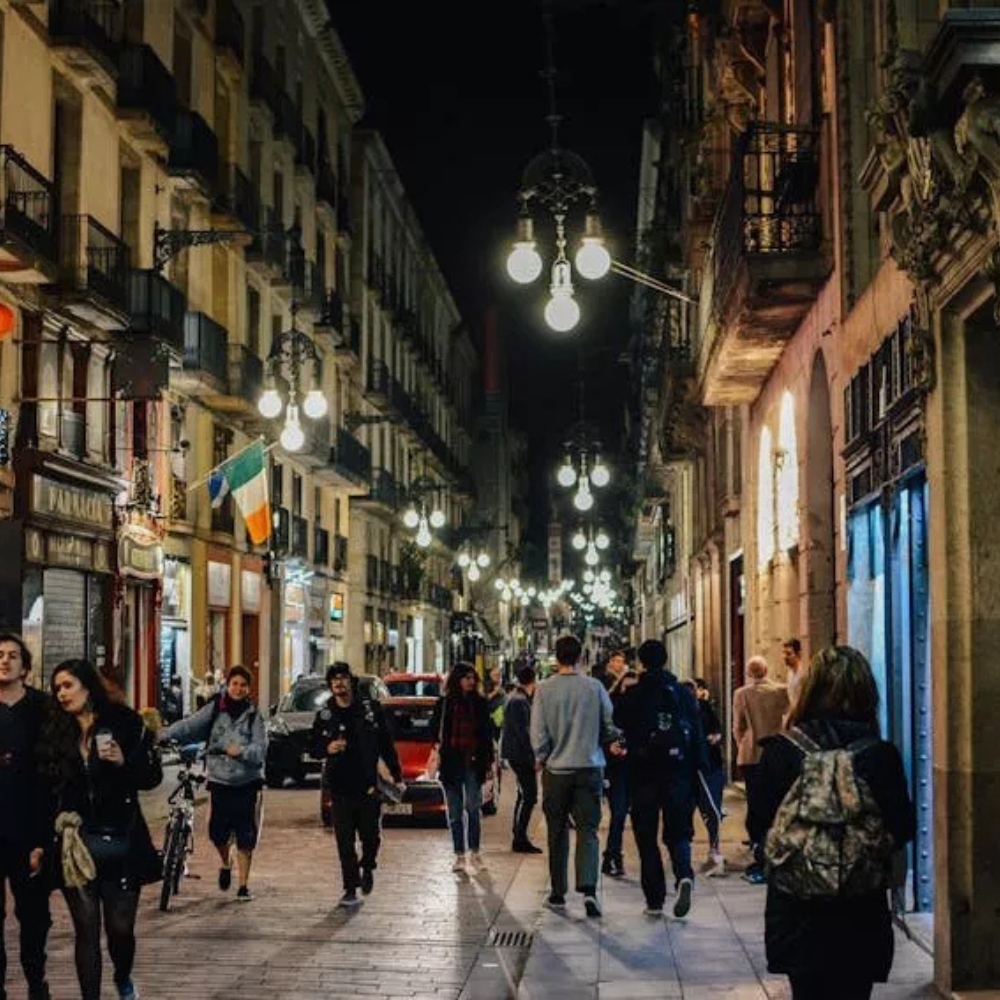
One of El Raval’s most distinctive features is its remarkable diversity. The neighborhood is home to significant Pakistani, Filipino, Moroccan, and South Asian communities, along with Chinese, Sub-Saharan African, and Latin American residents. Walking through El Raval, you’ll hear dozens of languages and pass halal butchers, Sikh temples, Filipino restaurants, and Middle Eastern grocery stores.
This diversity creates a unique atmosphere rare in Barcelona, where many neighborhoods remain more homogeneous. The multicultural character is particularly evident on streets like Carrer de l’Hospital and around Plaça de Vicenç Martorell, where you’ll find immigrant-run businesses side-by-side with trendy restaurants and galleries catering to newer residents and tourists.
This diversity hasn’t come without challenges. El Raval has higher poverty rates than most Barcelona neighborhoods, and tensions around gentrification, tourism, and integration occasionally surface. However, many residents and observers see the neighborhood’s multiculturalism as its greatest asset, creating a cosmopolitan atmosphere and preventing the museum-like preservation that has overtaken some European historic centers.
Food and Dining Scene
El Raval’s food scene reflects its multicultural character and its position at the forefront of Barcelona’s creative culture. You’ll find everything from tiny Pakistani restaurants serving authentic curry to cutting-edge vegetarian bistros, from traditional Catalan taverns to innovative fusion concepts.
Traditional Catalan Options
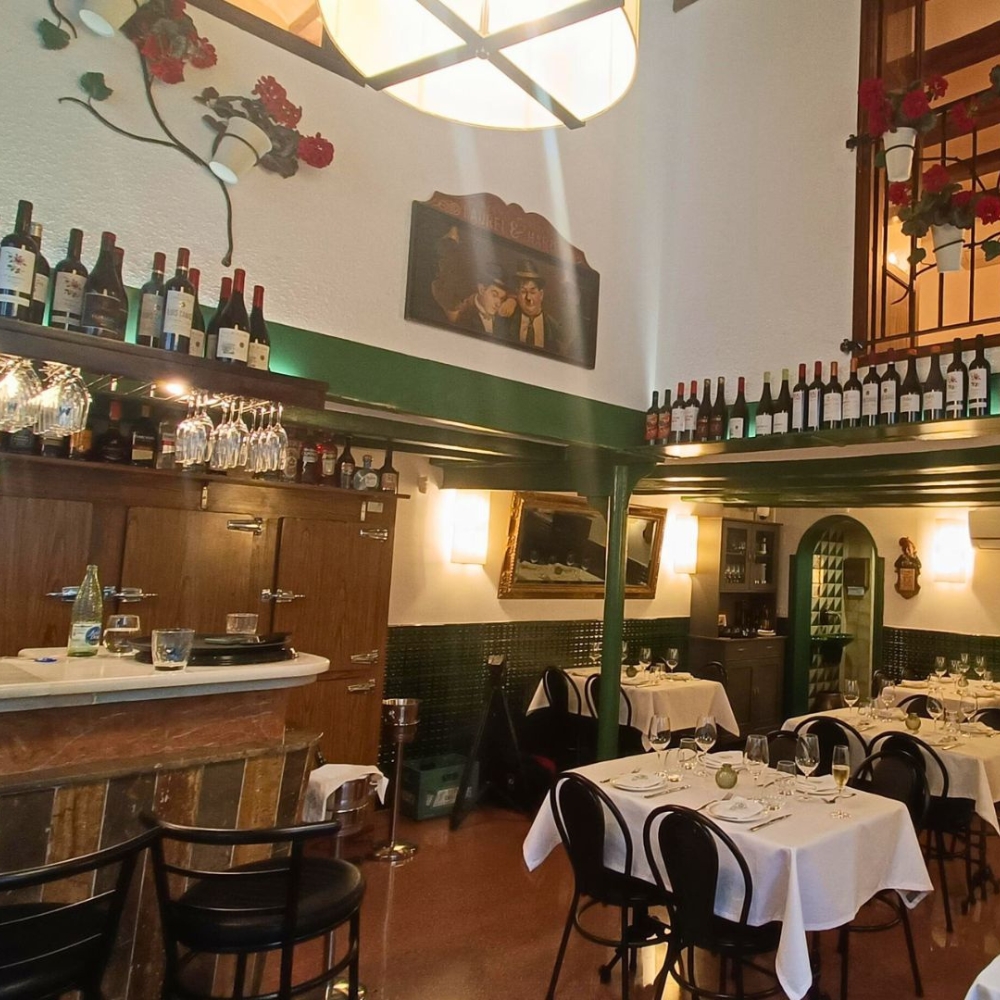
For authentic Catalan cuisine in a neighborhood that’s become increasingly international, seek out Casa Leopoldo, a family-run restaurant operating since 1929. This old-school establishment serves traditional dishes like suquet de peix (Catalan fish stew) and cargols (snails) in an atmosphere that transports you to mid-century Barcelona.
Can Lluís is another institution, serving hearty Catalan fare since 1929 in a no-frills setting that attracts locals who’ve been coming for decades. The menu features dishes like botifarra amb mongetes (Catalan sausage with white beans) and bacallà (salt cod) prepared in various traditional styles.
International Flavors
Pakistán restaurant on Carrer de Sant Pau offers some of Barcelona’s most authentic South Asian food at remarkably affordable prices. The humble setting shouldn’t deter you—the curries and biryanis are excellent and reflect El Raval’s genuine multicultural character.
For Filipino food, Tropical, located near the MACBA, serves traditional dishes from the Philippines in a simple setting. It’s a neighborhood institution frequented by the local Filipino community as well as adventurous food lovers.
Sésamo is a vegetarian and vegan restaurant that’s been serving creative plant-based Mediterranean cuisine since 1979, long before such dining became trendy. The menu changes with the seasons, and the relaxed atmosphere makes it popular with artists and students.
Contemporary and Innovative Dining
En Ville offers creative Mediterranean cuisine with international influences in a stylish setting. The small menu changes regularly and emphasizes fresh, seasonal ingredients prepared with modern techniques.
Flax & Kale represents El Raval’s health-conscious, contemporary side, offering “flexitarian” cuisine (mostly plant-based with some fish options) in a bright, modern space. It’s popular for brunch and healthy bowls.
For excellent coffee and baked goods, Federal Café brings Australian-style café culture to El Raval, serving flat whites, avocado toast, and other brunch staples that have become international café standards.
Nightlife and Entertainment
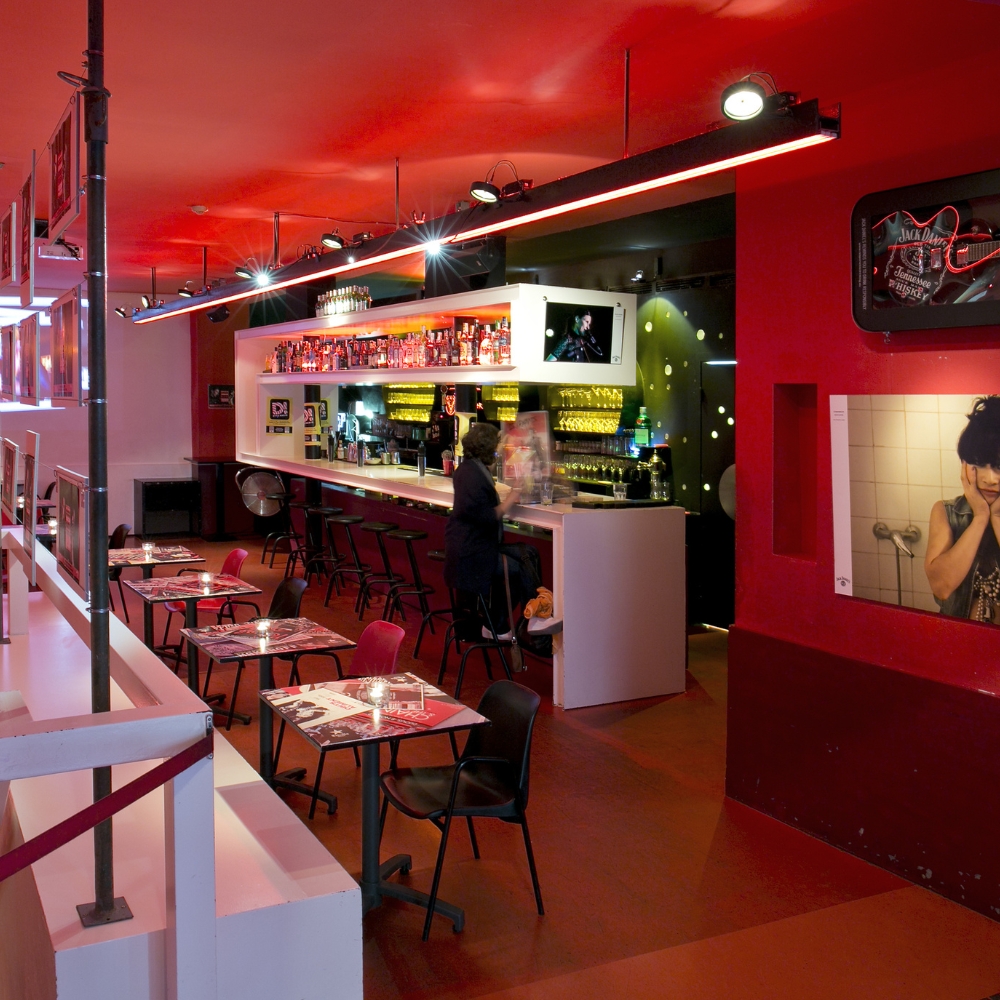
El Raval has long been associated with Barcelona’s alternative nightlife scene. While the neighborhood has cleaned up considerably from its rough past, it remains one of the city’s best areas for late-night adventures, particularly if you’re interested in music scenes beyond mainstream clubs.
Bars and Cocktails
- Bar Marsella is a legendary absinthe bar operating since 1820. This bohemian institution served Picasso, Hemingway, and generations of artists and writers. The interior hasn’t changed much in a century, and trying the house absinthe is a must for anyone interested in Barcelona’s artistic history.
- Bar Muy Buenas is a tiny cocktail bar with excellent drinks and a relaxed atmosphere. The bartenders are knowledgeable and creative, and the intimate space makes it perfect for conversation.
- Marmalade offers more upscale cocktails in a stylish setting, with creative drinks and a menu of sharing plates. The space is larger and more polished than many Raval bars, attracting a slightly older, more dressed-up crowd.
Live Music Venues
- Jazz Sí Club in the Palau de la Música Catalana’s rehearsal space offers affordable live jazz most nights, showcasing both local talent and international musicians in an intimate setting.
- Robadors 23 is a legendary dive bar that hosts live music ranging from jazz to experimental sounds. The atmosphere is decidedly underground, with a diverse crowd of artists, musicians, and neighbors.
- Sidecar Factory Club near Plaça Reial (technically just outside El Raval) hosts live indie, rock, and electronic music in a basement venue that’s been part of Barcelona’s alternative music scene for years.
Shopping in El Raval
El Raval’s shopping scene reflects its diverse character, with vintage stores, independent boutiques, record shops, and bookstores nestled among immigrant-run businesses and traditional shops.
Vintage and Second-Hand
- Holala! Ibiza and Holala! Plaza are popular vintage clothing stores offering curated selections of second-hand clothes, accessories, and housewares. The selection leans toward colorful, statement pieces rather than subtle vintage finds.
- Lailo specializes in vintage clothing and accessories from the 1920s through 1980s, with higher-quality pieces and correspondingly higher prices than some other vintage shops.
Books and Records
- La Central del Raval is an excellent bookstore in the beautifully restored Chapel of Misericòrdia. The selection emphasizes art, architecture, culture, and contemporary literature, with books in Catalan, Spanish, and English. The setting alone makes it worth visiting.
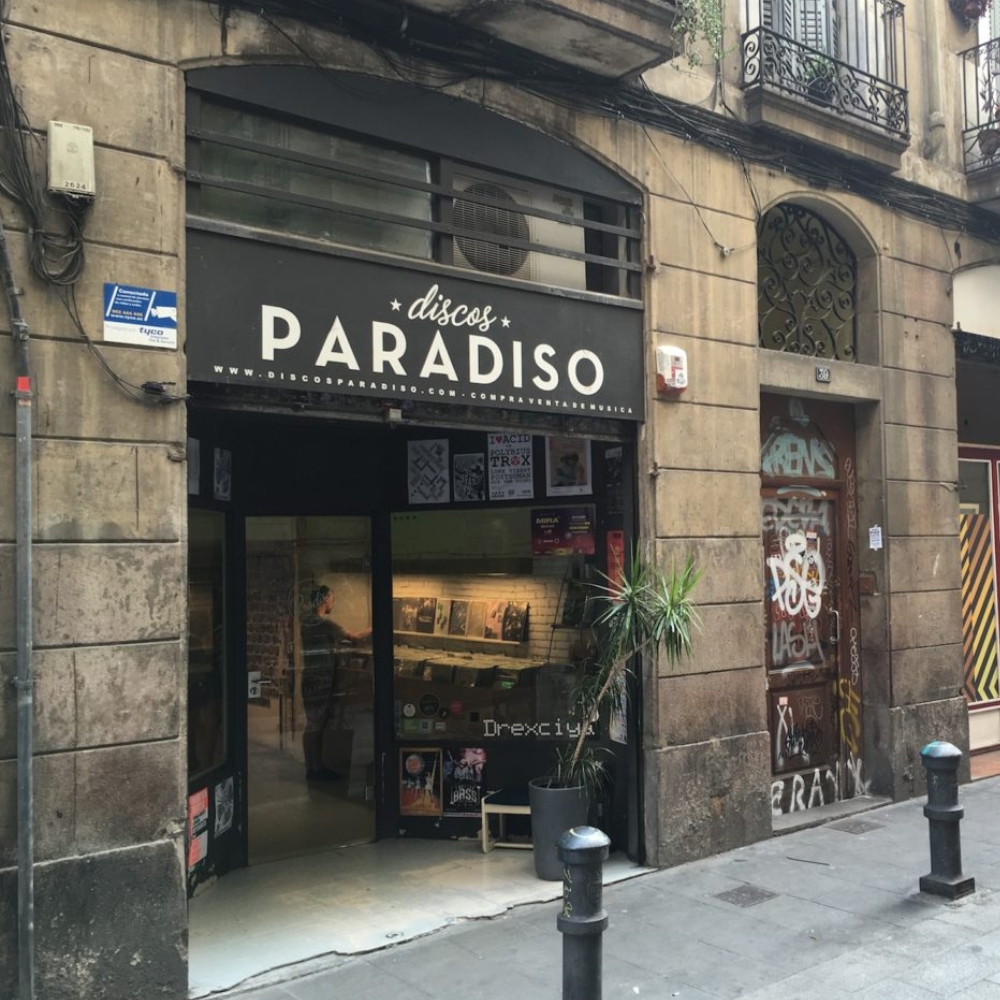
- Discos Paradiso is a small record shop specializing in house, techno, disco, and electronic music. The knowledgeable staff can guide you through their curated selection, and the shop hosts occasional in-store events and DJ sets.
- Revolver Records offers a broader selection covering rock, indie, jazz, and world music, with both new releases and used vinyl. It’s a neighborhood institution that’s been serving Barcelona’s music lovers for decades.
Independent Fashion and Design
- Lobby showcases emerging designers with an emphasis on minimalist, contemporary fashion. The carefully curated selection includes clothing, accessories, and objects for the home.
- Sopa de Sobre is a collective studio and shop where local designers create and sell their work, including jewelry, clothing, and accessories. It’s a great place to find unique pieces and meet the artists who made them.
- Gotham specializes in streetwear and urban fashion, carrying both international brands and local designers. The shop reflects El Raval’s younger, street-culture-oriented demographic.
Street Art and Urban Culture
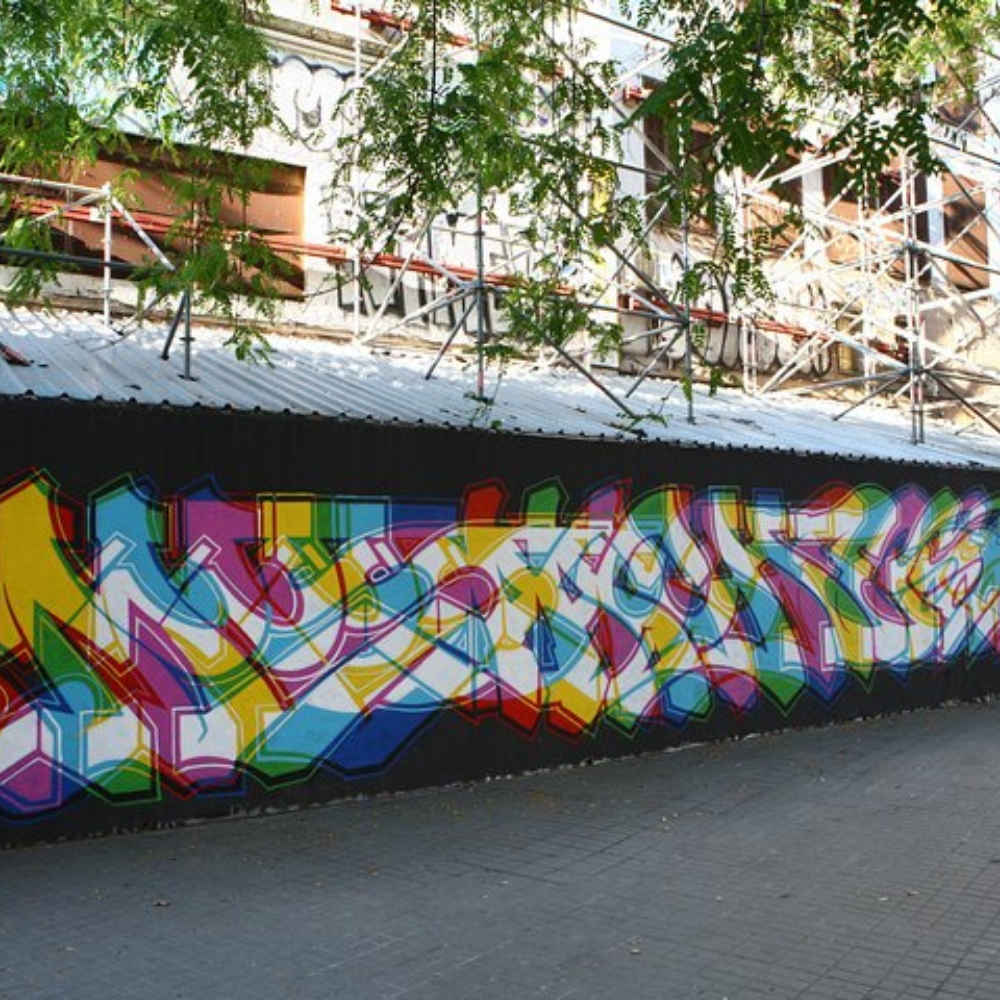
El Raval has become one of Barcelona’s street art hotspots, with murals, graffiti, and installations adding color and commentary to the neighborhood’s walls. Unlike some cities where street art is relegated to specific zones, El Raval’s street art feels organic and integrated into neighborhood life.
The area around Rambla del Raval and the streets near MACBA feature particularly impressive murals by both local and international artists. Keep an eye out for work by Barcelona-based artists like Btoy and Sixe Paredes, whose pieces appear throughout the neighborhood.
The MACBA plaza has become internationally known in skateboarding culture, attracting skaters from around the world to its ledges, stairs, and flat spaces. The constant presence of skateboarders has become part of the neighborhood’s identity, though the relationship between the museum, the city, and the skate community has been periodically contentious.
For those interested in Barcelona’s urban art scene, guided street art tours occasionally operate in El Raval, or you can simply wander and discover pieces on your own. Instagram accounts like @barcelonastreetart can help you locate specific murals.
Parks and Public Spaces
While El Raval lacks the large parks found in other Barcelona neighborhoods, its public squares serve as vital community gathering places.
Rambla del Raval
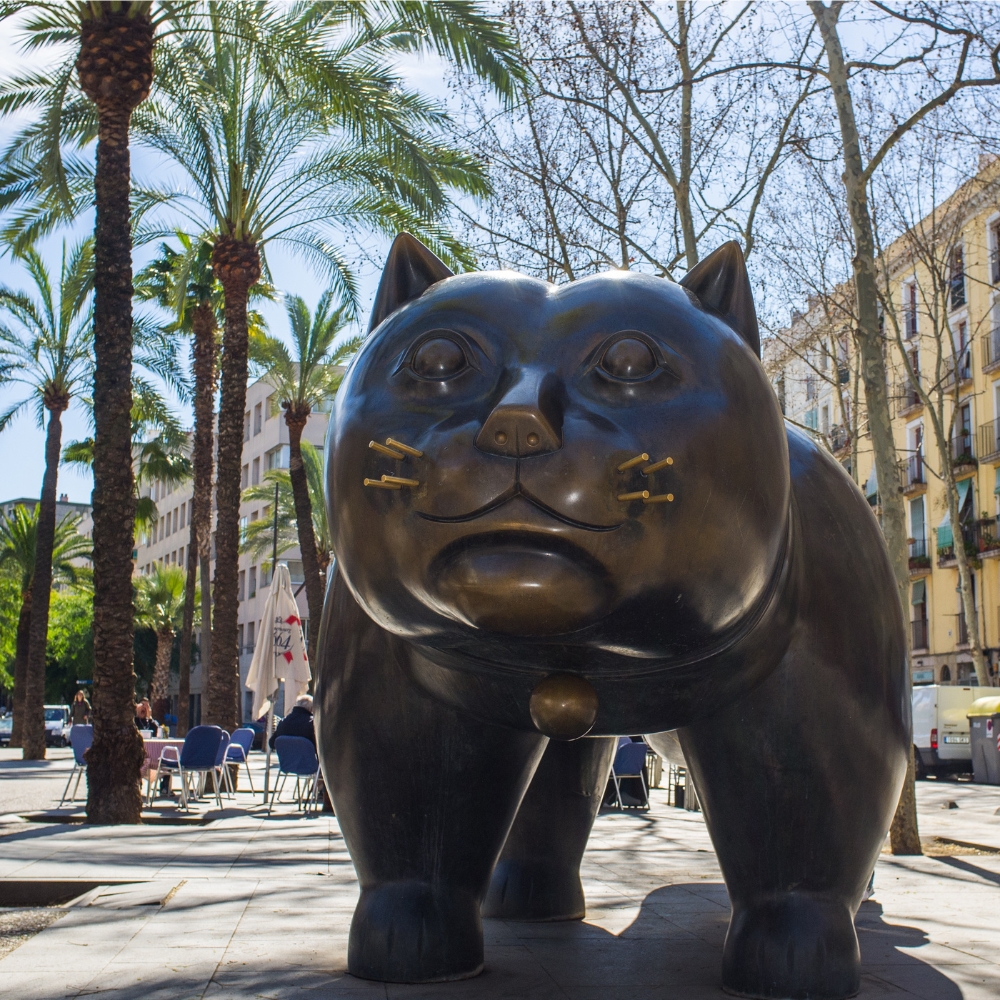
Created in 2000 as part of El Raval’s urban renewal, this pedestrian boulevard runs through the heart of the neighborhood. Palm trees line the wide promenade, with benches and outdoor café tables providing places to rest and people-watch. The boulevard hosts weekend markets selling vintage clothing, records, and crafts, and street musicians often perform along its length.
The southern end features Fernando Botero’s bronze sculpture “El Gat” (The Cat), which has become an informal symbol of modern El Raval. Children climb on the rotund feline while parents relax on nearby benches.
Jardins de Rubió i Lluch
This small garden tucked behind the CCCB offers a peaceful escape from El Raval’s busy streets. The garden occupies what was once the courtyard of the medieval Hospital de la Santa Creu and features orange trees, benches, and Gothic architectural details.
Plaça dels Àngels
The square in front of MACBA has evolved into one of Barcelona’s most vibrant public spaces, constantly animated by skateboarders, tourists, artists, and locals. While some find the skateboarding chaotic, others appreciate the energy and democratic use of public space. The white facade of MACBA creates a dramatic backdrop, particularly striking at sunset.
Practical Information for Visitors
Getting There and Around
El Raval is easily accessible via Barcelona’s metro system, sitting within the Ciutat Vella district alongside the Gothic Quarter and El Born. If you’re still deciding which part of the city to base yourself in, it’s worth taking a look at this guide to Barcelona neighborhoods to get a clearer sense of how El Raval compares to other areas before you book your accommodation.
Key stations include:
- Liceu (Line 3/Green) on La Rambla at El Raval’s eastern edge
- Drassanes (Line 3/Green) at the southern end near the port
- Sant Antoni (Line 2/Purple) on the western side
- Catalunya (Lines 1/Red and 3/Green) at the northern edge
The neighborhood is highly walkable, and exploring on foot is the best way to discover hidden corners, street art, and small shops. The narrow medieval streets can be confusing, but you’re never far from major landmarks or boulevards that can help you reorient.
Safety Considerations
El Raval’s reputation for danger is largely outdated, but reasonable precautions are appropriate. Pickpocketing can occur, particularly near La Rambla and in crowded areas, so keep valuables secure and stay aware of your surroundings. Some streets in the lower Raval near the port can feel sketchy late at night, particularly if you’re alone, though serious crime against tourists is rare.
The neighborhood’s edginess is part of its character, but most visitors never encounter problems beyond the petty theft common throughout Barcelona’s tourist areas.
Best Times to Visit
El Raval reveals different personalities at different times:
- Morning (8-11 AM): See the neighborhood at its most authentic, when locals shop at markets, bars serve coffee and pastries, and streets are relatively quiet.
- Afternoon (12-6 PM): Museums and shops are open, outdoor cafés fill with people, and the neighborhood buzzes with activity.
- Evening (6-10 PM): Restaurants fill with diners, the MACBA plaza comes alive, and the neighborhood transitions toward nightlife.
- Night (10 PM-late): Bars and music venues hit their stride, and the neighborhood shows its bohemian character, though some areas become quite quiet.
Visiting on different occasions allows you to experience El Raval’s multifaceted character.
What to Avoid
While El Raval offers authentic experiences, a few tourist traps should be avoided:
- Overpriced cafés on Rambla del Raval: While the boulevard is pleasant, many cafés charge inflated prices for mediocre food and drinks. Walk one block off the Rambla for better value.
- Extremely cheap restaurants near La Rambla: Rock-bottom prices usually mean tourist-focused establishments with poor-quality food. If a full meal costs under €8, be suspicious.
- Aggressive street vendors: Politely but firmly decline and keep walking if approached by people selling items on the street.
Where El Raval Fits in a Barcelona Itinerary
For first-time Barcelona visitors with limited time, El Raval offers an excellent counterpoint to the city’s more famous attractions. After visiting the Gaudí sites, Gothic Quarter, and Sagrada Família, El Raval provides a glimpse of contemporary, multicultural Barcelona rather than the historic or architectural city that dominates most itineraries. If you’re still in the planning stages, this Barcelona Travel Guide is a great starting point for getting the bigger picture before diving into individual neighborhoods.
Visitors interested in contemporary art, street culture, diverse food scenes, or authentic neighborhood life should prioritize El Raval. Those focused primarily on architectural tourism or beach time might find other neighborhoods more aligned with their interests, though the Palau Güell alone makes a detour worthwhile for Gaudí enthusiasts.
A half-day in El Raval works well: visit MACBA or CCCB in the late morning, have lunch at a neighborhood restaurant (Pakistani curry or traditional Catalan, depending on your mood), wander the streets discovering street art and shops, then perhaps enjoy drinks at a bohemian bar in the evening.
For visitors staying longer in Barcelona, El Raval rewards repeated visits. The neighborhood’s diversity means you can return multiple times for different experiences: a cultural day visiting museums, a culinary exploration sampling various ethnic restaurants, an evening focused on nightlife and live music, or simply a wandering afternoon discovering hidden corners.
The Future of El Raval
El Raval stands at a crossroads common to many successfully regenerated urban neighborhoods. The cultural investment and urban improvements that transformed the area from Barcelona’s most troubled district to one of its most dynamic have inevitably increased property values and attracted new residents and businesses.
Long-time residents and observers worry about gentrification displacing the working-class and immigrant communities that give El Raval its distinctive character. Rising rents have forced some established businesses to close, while new openings increasingly cater to tourists and affluent newcomers. The tension between preserving authenticity and embracing change is palpable.
At the same time, El Raval appears to be resisting complete gentrification more successfully than similar neighborhoods in other European cities. The multicultural community remains vibrant, working-class residents haven’t been entirely displaced, and the neighborhood maintains an edginess and authenticity that have disappeared from many historic centers.
The neighborhood’s future will likely depend on Barcelona’s broader policies regarding tourism, affordable housing, and immigrant integration. For now, El Raval offers a fascinating case study in urban regeneration and a neighborhood that rewards curious, open-minded visitors.
Final Thoughts
El Raval embodies the contradictions and possibilities of contemporary European cities. It’s simultaneously historic and cutting-edge, multicultural and deeply Catalan, gritty and creative, challenging and welcoming. This isn’t a neighborhood of picture-perfect squares and monuments; it’s messy, complicated, and real in ways that sanitized historic districts can never be.
For travelers seeking authentic experiences beyond Barcelona’s postcard attractions, El Raval delivers. Whether you’re browsing contemporary art at MACBA, eating Pakistani curry in a humble restaurant, exploring medieval churches, discovering street art, shopping for vintage clothes, or simply observing neighborhood life from a café table, El Raval offers a Barcelona very different from the Gaudí-Sagrada Família-beach circuit that dominates most itineraries.
The neighborhood asks visitors to engage with urban reality rather than tourist fantasy, to appreciate diversity and complexity rather than idealized history, and to embrace the slightly rough edges that make places memorable. If you’re willing to meet El Raval on its own terms, it will reward you with experiences impossible to find in Barcelona’s more polished districts.
El Raval proves that successful urban neighborhoods don’t need to be perfect—they need to be alive.