
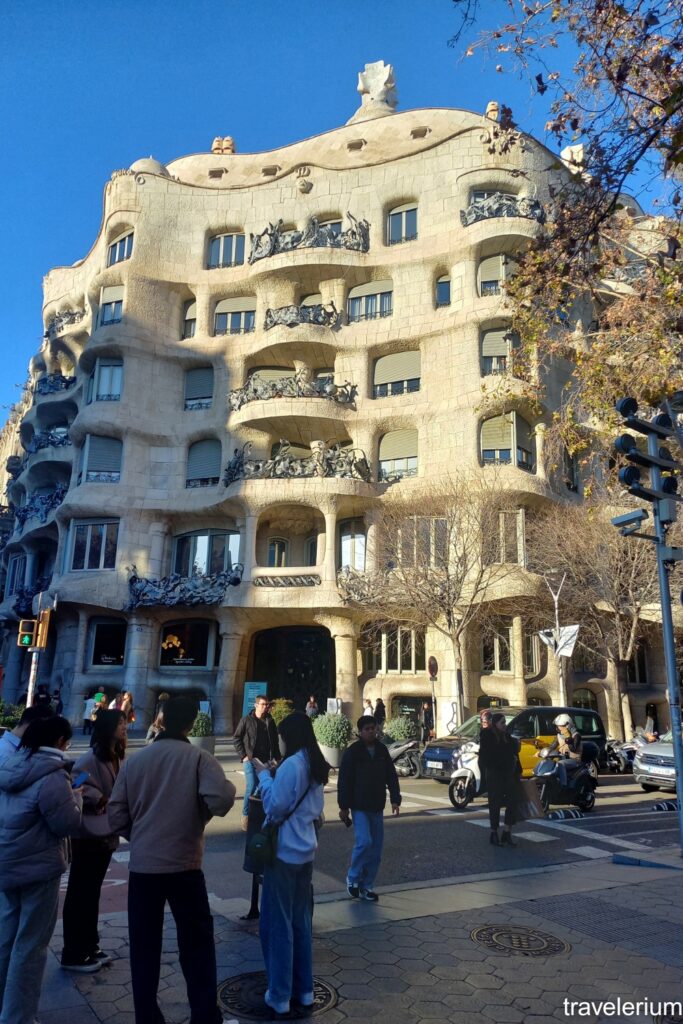
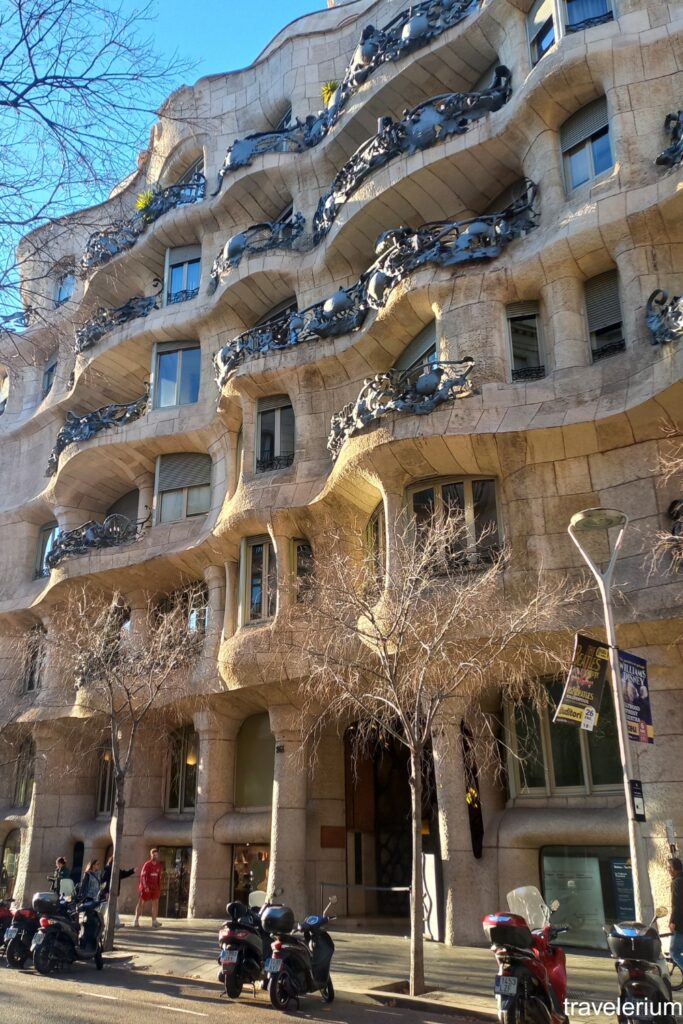
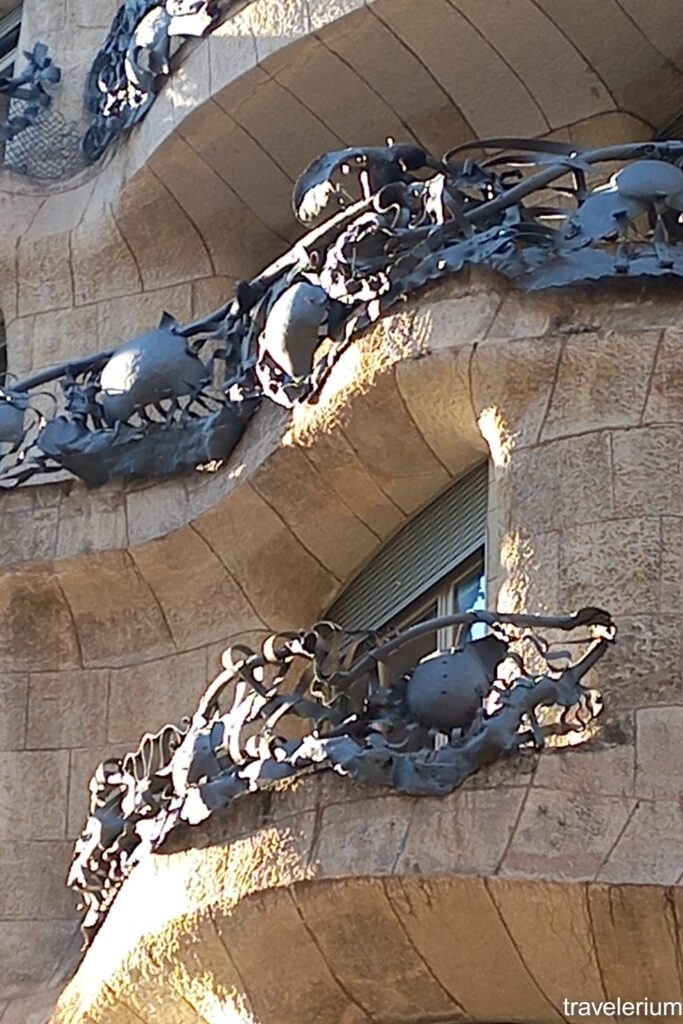
Barcelona’s skyline is punctuated by architectural marvels that seem to defy the laws of physics and conventional design. Among these extraordinary structures, Casa Milà—affectionately known as La Pedrera (meaning “the stone quarry”)—stands as one of Antoni Gaudí’s most ambitious and controversial creations. This UNESCO World Heritage Site continues to captivate millions of visitors each year with its undulating stone façade, twisted iron balconies, and surrealist rooftop that looks like something from a dream.
Whether you’re planning your first visit to Barcelona or returning to explore more of Gaudí’s genius, this comprehensive Casa Milà guide will help you navigate tickets, timing, and insider tips to make the most of your La Pedrera experience.
Understanding Casa Milà: More Than Just a Building
Before diving into the practical details of visiting Casa Milà, it’s worth understanding what makes this building so extraordinary. Commissioned by businessman Pere Milà and his wife Roser Segimon in 1906, Casa Milà was designed as a residential building—yes, people actually lived here, and some still do in the private apartments.
Gaudí’s vision was revolutionary for its time. He created a building with no load-bearing walls, allowing for an open floor plan that was decades ahead of its time. The façade appears to ripple like water or sand dunes, with no straight lines in sight. Every detail, from the ventilation system to the placement of windows, was carefully considered not just for aesthetics but for functionality.
The building was completed in 1912, though not without controversy. Many Barcelona residents initially mocked its unconventional appearance, hence the somewhat unflattering nickname “La Pedrera.” Today, it’s recognized as a masterpiece of Catalan Modernism and one of the most important buildings of the 20th century.
La Pedrera Tickets: Options and Pricing
Understanding your ticket options is crucial for visiting Casa Milà. The pricing and availability can vary depending on the season, time of day, and type of experience you’re seeking.
Standard Day Tickets
The general admission ticket to La Pedrera grants you access to all the main areas: the apartment (El Pis de la Pedrera), the attic with its Gaudí exhibition space (Espai Gaudí), and the famous rooftop terrace with its warrior-like chimneys. As of 2026, day tickets typically range from €25-€30 for adults, with reduced prices for students, seniors, and children.
Pro tip: Always book online in advance. Not only will you save money (online tickets are usually €2-3 cheaper), but you’ll also secure your preferred time slot. Walk-up tickets often sell out during peak season, and you’ll face longer queues.
Night Tickets and Special Experiences
Casa Milà offers several special experiences beyond the standard day visit:
- La Pedrera Night Experience: This magical evening tour includes a rooftop visit after dark with special lighting effects and often includes a drink. The atmosphere is completely different from the daytime visit, with Barcelona’s lights twinkling below and the rooftop sculptures dramatically illuminated.
- Gaudí’s Pedrera: The Origins: This exclusive tour takes you into areas not typically accessible to the general public, including the main floor apartment and other hidden spaces. These tours are limited in size and require advance booking.
- Morning Tours: Some early morning tickets allow you to experience La Pedrera before the crowds arrive, providing a more intimate experience and better photo opportunities.
Combined Tickets and Barcelona Passes
If you’re planning to visit multiple Gaudí sites, consider combined ticket options. Many visitors pair Casa Milà with Casa Batlló, another Gaudí masterpiece located just a short walk away on the same avenue (Passeig de Gràcia).
The Barcelona City Pass and some other tourist cards include skip-the-line access to Casa Milà, which can offer good value if you’re planning to visit multiple attractions. However, calculate carefully—sometimes individual tickets work out cheaper depending on your itinerary.
How to Visit La Pedrera: Planning Your Trip
Getting There
Casa Milà is located at Passeig de Gràcia, 92, in Barcelona’s Eixample district. This central location makes it easily accessible by various means:
- By Metro: The closest stations are Diagonal (L3 and L5 lines) and Provença (L6 and L7 lines). From either station, it’s just a short walk.
- By Bus: Multiple bus lines stop near Casa Milà, including lines 7, 16, 17, 22, 24, and V17.
- By Walking: If you’re staying in central Barcelona, Casa Milà is likely within walking distance. The building is located on the same grand boulevard as Casa Batlló, making it easy to visit both on the same day.
Best Time to Visit
Timing can dramatically affect your Casa Milà experience. Here’s what to consider:
Best Times of Day:
- Early morning (9:00-10:00 AM): Fewer crowds, better lighting for rooftop photos, and cooler temperatures in summer
- Late afternoon (after 5:00 PM): Crowds thin out as the day progresses
- Evening/night tours: Magical atmosphere and unique perspective
Best Times of Year:
- Spring (April-May) and Fall (September-October): Pleasant weather, moderate crowds, comfortable for exploring the rooftop
- Winter (November-February): Smallest crowds and lowest prices, but the rooftop can be cold and windy
- Summer (June-August): Peak season with maximum crowds and heat, but longest daylight hours
Days to Avoid: Weekends and Spanish public holidays are the busiest. If possible, visit on a weekday, particularly Tuesday through Thursday.
How Much Time to Allocate
For a thorough visit to Casa Milà, plan to spend approximately 90 minutes to 2 hours. This allows you to:
- Explore the recreated period apartment (20-30 minutes)
- Visit the Espai Gaudí exhibition in the attic (30-40 minutes)
- Explore the rooftop terrace at a leisurely pace (30-40 minutes)
If you’re a photography enthusiast or architecture buff, you might want to allocate closer to 2.5-3 hours.
What to See Inside: A Floor-by-Floor Guide
The Apartment (El Pis de la Pedrera)
Your La Pedrera guide begins with the furnished apartment, which has been meticulously recreated to show how a bourgeois Barcelona family would have lived in the early 20th century. The apartment showcases period furniture, decorative arts, and domestic technology from the era.
Pay attention to the curved walls and ceilings—Gaudí avoided straight lines wherever possible. Notice how the rooms flow into one another and how natural light illuminates the spaces. The attention to detail extends to doorknobs, light fixtures, and even the patterns in the floor tiles.
Espai Gaudí (The Attic)
The attic space, with its distinctive catenary arches resembling the skeleton of a great beast, houses an extensive exhibition about Gaudí’s life, work, and architectural innovations. This is where you’ll gain deeper insight into his design philosophy, techniques, and the context of his work within the broader Modernist movement.
The exhibition includes models, drawings, photographs, and interactive displays that explain Gaudí’s use of natural forms, his innovative structural solutions, and his integration of crafts and architecture. Take your time here—it’s easy to rush through to get to the rooftop, but this exhibition provides essential context for understanding what makes Casa Milà so special.
The Rooftop Terrace
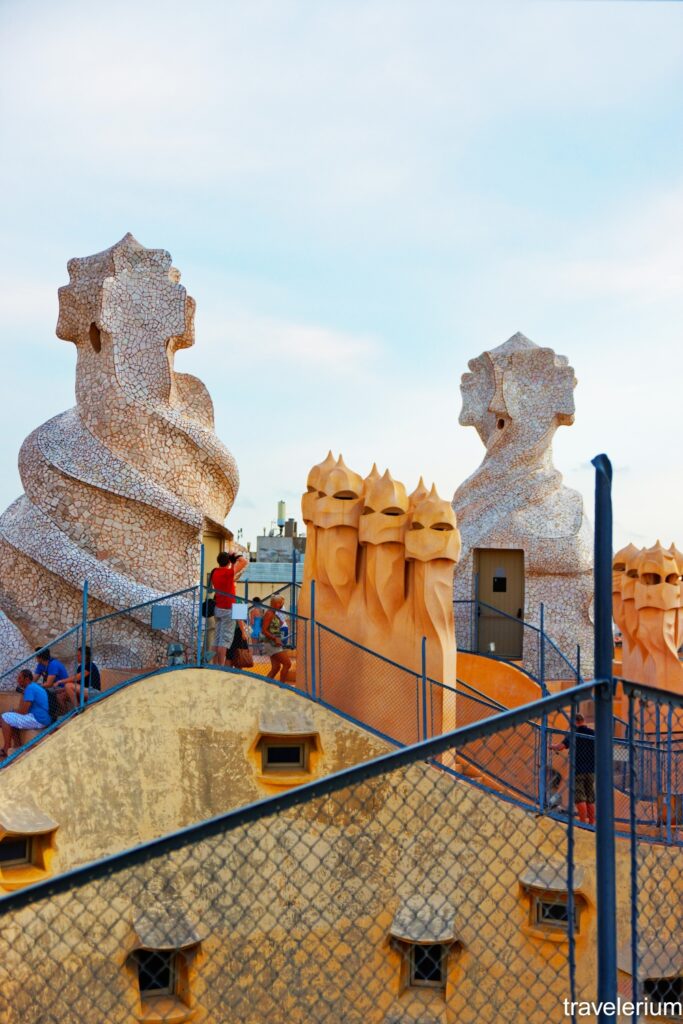
The pièce de résistance of any Casa Milà visit is the rooftop terrace. Stepping onto this surrealist landscape of chimneys and ventilation towers is like entering another world. Gaudí transformed functional elements into sculptural masterpieces—the chimneys look like medieval warriors, while the ventilation towers resemble abstract sculptures.
The rooftop also offers 360-degree views of Barcelona, including clear sightlines to Gaudí’s unfinished masterpiece, the Sagrada Família. On clear days, you can see all the way to the mountains surrounding the city.
Photography tips for the rooftop:
- The best light for photography is early morning or late afternoon (golden hour)
- The chimneys photograph beautifully from all angles—walk around to find unique perspectives
- Include the cityscape in your shots to provide context and scale
- Visit during less crowded times to capture images without tourists in the frame
Visiting Casa Milà: Insider Tips and Practical Advice
Audio Guide and Tours
Your ticket includes an audio guide, available in multiple languages. The audio guide is well-produced and provides valuable context for each area of the building. Don’t skip it—the information enhances your understanding and appreciation of what you’re seeing.
Alternatively, you can book a guided tour for a more interactive experience. Guides can answer questions and often share anecdotes and details not covered in the audio guide.
Accessibility
Casa Milà is largely accessible to visitors with reduced mobility, with elevators providing access to most areas. However, some parts of the rooftop have stairs that may present challenges. Contact the venue in advance if you have specific accessibility concerns.
What to Bring
- Comfortable shoes: You’ll be walking up and down stairs, particularly on the rooftop
- Layers: The rooftop can be windy and cooler than street level, even in summer
- Sun protection: In warm months, the rooftop offers little shade
- Charged phone or camera: You’ll want to capture the incredible architecture and views
- Water bottle: Especially important in summer months
What Not to Bring
Large backpacks and suitcases are not allowed inside. There are lockers available for storing bags, but it’s better to visit without large luggage if possible.
Comparing Casa Milà to Other Gaudí Sites
When visiting Casa Milà, many visitors wonder how it compares to other Gaudí attractions in Barcelona. Here’s a quick comparison to help you prioritize:
- Casa Milà vs. Casa Batlló: Both are apartment buildings on the same street, but they offer different experiences. Casa Batlló features more colorful, organic interiors and innovative multimedia elements in its tours. Casa Milà is arguably more architecturally significant and offers better rooftop access with superior city views. If you can only visit one, Casa Milà generally offers more value and a more authentic Gaudí experience.
- Casa Milà vs. Sagrada Família: The Sagrada Família is Gaudí’s unfinished masterwork and is unmissable if you’re in Barcelona. It’s much larger in scale and more overtly spiritual in nature. Casa Milà offers a more intimate experience and insight into how Gaudí’s genius extended to residential architecture.
- Casa Milà vs. Park Güell: Park Güell provides an outdoor experience with colorful mosaics and whimsical designs. Casa Milà is more sophisticated architecturally and offers better weather-proof visiting conditions. Ideally, try to see both, as they showcase different aspects of Gaudí’s creativity.
Beyond the Visit: Exploring the Neighborhood
After visiting Casa Milà, you’re perfectly positioned to explore one of Barcelona’s most elegant neighborhoods. Passeig de Gràcia is often called Barcelona’s Champs-Élysées, lined with high-end shops, restaurants, and multiple Modernist buildings.
Nearby attractions:
- Casa Batlló (5-minute walk): Another Gaudí masterpiece with a completely different aesthetic
- Casa Amatller (next door to Casa Batlló): A beautiful Modernist building you can tour
- La Rambla de Catalunya: A parallel street with charming cafés and shops
- Quadrat d’Or: The “Golden Square” of the Eixample district, containing the highest concentration of Modernist buildings in Barcelona
Consider having lunch or dinner at one of the many restaurants in the area. For a special treat, La Pepita or Cervecería Catalana offer excellent Catalan cuisine just a short walk away.
Frequently Asked Questions
- Do I need to book La Pedrera tickets in advance? Yes, absolutely. Advance booking is strongly recommended, especially during peak season (April-October). Same-day tickets may not be available, and you’ll save money booking online.
- Can I visit Casa Milà without a ticket? No, the building is not accessible without a ticket. However, you can admire the exterior from the street for free.
- Is photography allowed? Yes, photography for personal use is allowed throughout Casa Milà. Professional photography or commercial use requires special permission.
- Are there restrooms? Yes, rest rooms are available inside Casa Milà for visitors.
- How does the night visit differ from the day visit? The night experience focuses primarily on the rooftop with special lighting and projections, creating a magical atmosphere. It’s shorter than the day visit and doesn’t include as much access to the apartment and exhibition spaces. Many enthusiasts recommend doing both if time permits.
- Is Casa Milà suitable for children? Yes, though very young children may not have the patience for a full visit. The rooftop is usually the highlight for kids, with its fantastical sculptures. The audio guide has a children’s version that makes the visit more engaging for younger visitors.
- Can I bring food or drinks? Food and drinks are not permitted inside, except in designated areas. There’s a small café/bar area where you can purchase refreshments.
Making the Most of Your Casa Milà Guide
Visiting Casa Milà is more than just checking another attraction off your Barcelona bucket list. It’s an opportunity to step inside the mind of one of history’s most innovative architects and experience how his vision transformed everyday living spaces into works of art.
To truly maximize your La Pedrera experience, approach it with curiosity and patience. Don’t rush through the spaces. Notice the details: how light filters through the windows, how the curved walls create flowing spaces, how functional elements become decorative features. Gaudí believed architecture should work in harmony with nature, and every aspect of Casa Milà reflects this philosophy.
Consider reading about Gaudí and Catalan Modernism before your visit. Understanding the historical context—Barcelona’s industrial boom, the Catalan cultural renaissance, and the artistic movements of the early 20th century—will enrich your appreciation of what you’re seeing.
Practical Considerations: Tickets and Booking
When booking your La Pedrera tickets, here are final considerations to keep in mind:
- Cancellation policies: Check the cancellation and modification policies when booking. Some ticket types offer free cancellation up to 24-48 hours before your visit, while others may be non-refundable.
- Student and senior discounts: Bring valid identification if you’re eligible for reduced-price tickets. These discounts are often only available when booking in advance or may require verification at entry.
- Group bookings: If visiting with a group of 9 or more people, special group rates may be available, but these typically require advance coordination.
- Official website: Always book through the official Casa Milà website (lapedrera.com) or authorized resellers to ensure your tickets are valid and you’re getting fair pricing.
The Casa Milà Experience: What Visitors Say
First-time visitors to La Pedrera often report being surprised by several aspects of the experience:
- Scale and substance: Many expect a quick visit but find themselves absorbed for much longer than anticipated. The building has far more depth than photographs suggest.
- The rooftop impact: Even visitors who’ve seen countless photos report that the rooftop is even more impressive in person. The scale, the sculptural quality, and the interplay of light and shadow create an experience that images can’t fully capture.
- Functional genius: Many visitors are struck by how Gaudí seamlessly blended form and function. What appears purely decorative often serves practical purposes—ventilation, light, structural support.
- Context and learning: The Espai Gaudí exhibition transforms the visit from a simple architectural tour into an educational experience about innovation, creativity, and the intersection of art and engineering.
Beyond Tourism: Casa Milà’s Living Legacy
One fascinating aspect of visiting Casa Milà is remembering that it’s still a partially residential building. While the upper floors and rooftop are open to visitors, the lower floors contain private apartments where people live their daily lives. This living functionality adds another layer to Gaudí’s achievement—he created a building that remains practical and desirable more than a century after its completion.
The building also serves as a cultural center, hosting temporary exhibitions, concerts, and events throughout the year. If you’re visiting during a special exhibition or cultural event, your La Pedrera guide experience might include even more than the permanent features.
Sustainable Tourism and Respecting the Site
As with any popular tourist attraction, it’s important to visit Casa Milà responsibly:
- Follow all rules and regulations regarding which areas are accessible and how to behave in the spaces
- Respect the privacy of the residents who still live in parts of the building
- Don’t touch the historic furnishings or architectural elements
- Be mindful of other visitors when taking photographs—everyone deserves a chance to enjoy the spaces
- Consider the environmental impact of your visit by using public transportation and avoiding single-use plastics
Final Thoughts: Why Casa Milà Matters
In a city filled with architectural wonders, Casa Milà stands out not just for its aesthetic beauty but for what it represents: the courage to break with convention, the vision to see possibilities others miss, and the skill to transform radical ideas into functional reality.
Gaudí’s work at La Pedrera anticipated many principles of modern architecture—open floor plans, integration with nature, sustainable ventilation and lighting, and the concept that buildings should enhance rather than dominate their environment. Walking through these spaces, you’re not just seeing history; you’re experiencing ideas that remain relevant to contemporary architecture and design.
Whether you’re an architecture enthusiast, a casual tourist, or someone seeking inspiration, visiting Casa Milà offers something valuable. The building challenges you to think differently about space, form, and the relationship between the built environment and the natural world.
Your Casa Milà Visit: A Checklist
To ensure you’re fully prepared for visiting Casa Milà, here’s a final checklist:
Before You Go:
- Book tickets online in advance for your preferred date and time
- Check the weather forecast and dress appropriately
- Charge your camera or phone
- Review the location and plan your transportation
- Download the audio guide app if available for offline use
What to Bring:
- Confirmation email or ticket (digital or printed)
- Valid ID (especially if you booked student/senior tickets)
- Comfortable walking shoes
- Light jacket or layers for the rooftop
- Water bottle
- Sunscreen and hat (in warm months)
During Your Visit:
- Pick up your audio guide at the entrance
- Start with the apartment to understand the context
- Take time in the Espai Gaudí exhibition
- Save ample time for the rooftop—don’t rush this highlight
- Take photos, but also take moments to simply observe and absorb
- Visit the gift shop for unique Gaudí-inspired souvenirs
Conclusion: Embracing the La Pedrera Experience
Casa Milà is more than a building; it’s a vision made concrete, a dream rendered in stone and iron. Your visit to La Pedrera will likely be one of the highlights of your Barcelona experience, offering insights into creative genius, architectural innovation, and the unique spirit of Catalan Modernism.
By following this Casa Milà guide and planning your visit thoughtfully, you’ll be well-prepared to make the most of your time at this extraordinary UNESCO World Heritage Site. Whether you’re marveling at the undulating façade from the street, exploring the period apartment, learning about Gaudí’s techniques in the attic exhibition, or standing among the rooftop warriors with Barcelona spread below you, you’ll be experiencing one of the most significant architectural achievements of the modern era.
Remember that visiting Casa Milà is not a race. The building reveals itself gradually, rewarding those who take time to look closely, think deeply, and allow themselves to be transported into Gaudí’s unique vision of how we might inhabit space. In a world of right angles and straight lines, La Pedrera reminds us that beauty, functionality, and innovation can flow together as naturally as waves on a shore.
Book your La Pedrera tickets, mark your calendar, and prepare yourself for an unforgettable journey into the mind of a genius. Casa Milà awaits.