
The Magic Fountain of Montjuïc (Font Màgica de Montjuïc) is one of Barcelona’s most beloved and spectacular free attractions. Every year, millions of visitors gather on the broad avenue leading up to the National Art Museum of Catalonia to witness this extraordinary display of water, light, and music. Whether you’re planning your first visit or returning to relive the magic, this comprehensive guide covers everything you need to know.
What Is the Magic Fountain?
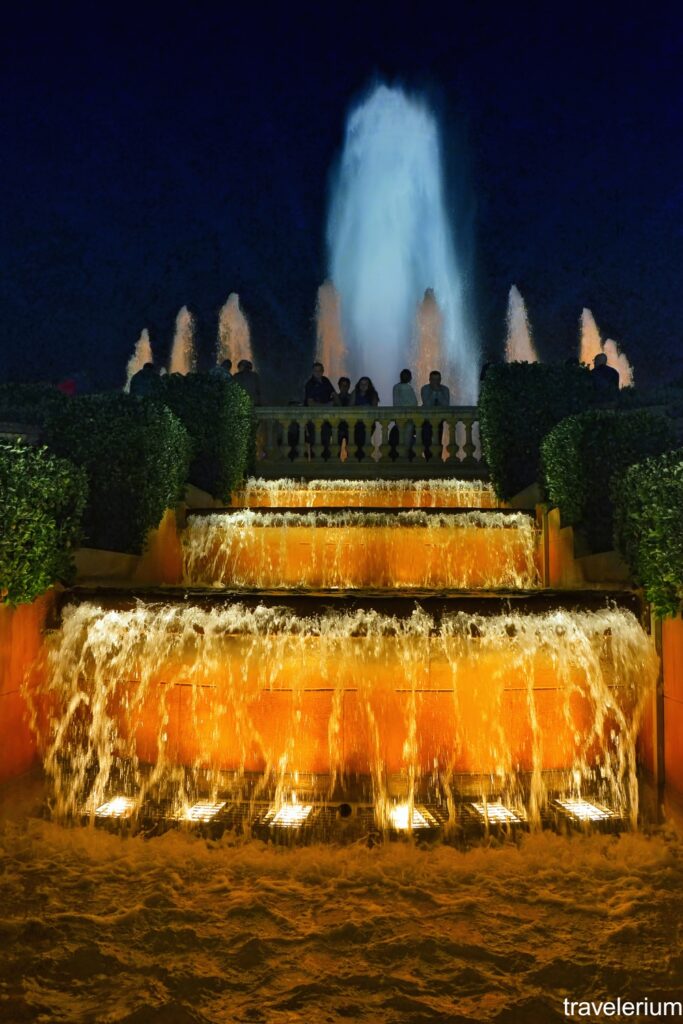
Built in 1929 for Barcelona’s International Exhibition, the Magic Fountain was designed by engineer Carles Buïgas in just one year—a remarkable achievement that showcased Spain’s technological ambition. The Magic fountain features 3,620 water jets, 4,760 lights, and an estimated 7 billion possible combinations of water and light, all choreographed to music.
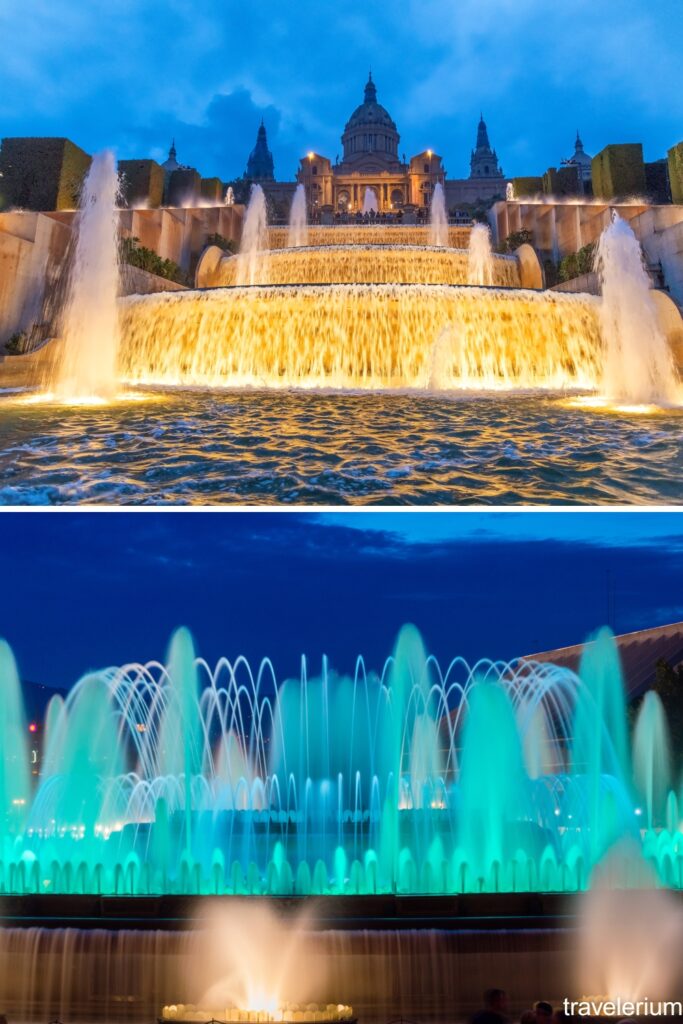
Located at the foot of Montjuïc hill, the Magic fountain sits at the top of Avinguda de la Reina Maria Cristina, flanked by the iconic Venetian Towers and framed by the majestic MNAC building above. The result is one of Europe’s most dramatic public spaces, particularly stunning after dark when the shows begin. The fountain is just one of many remarkable things to see and do in Barcelona, a city that consistently rewards curious visitors at every turn.
A Brief History
Understanding the fountain’s origins adds depth to the experience. When Barcelona was awarded the 1929 International Exhibition, city planners envisioned transforming the slopes of Montjuïc into a grand showpiece of Spanish culture and engineering. Carles Buïgas, a young engineer with a passion for theatrical spectacle, proposed a fountain of unprecedented ambition—one that would combine hydraulic engineering with artistic vision in ways never attempted before.
Working against an almost impossibly tight deadline, Buïgas and his team completed the fountain in just under a year, reportedly finishing mere hours before the Exhibition’s opening ceremony. The fountain debuted to rapturous applause and immediately became the centerpiece of the entire event.
Decades later, the fountain received a major overhaul ahead of the 1992 Barcelona Olympics, when modernized lighting systems, improved pumps, and computerized controls transformed the original mechanical marvel into the sophisticated spectacle visitors enjoy today. The Olympic renovation essentially gave the fountain a second life, cementing its status as a permanent Barcelona landmark rather than a relic of a bygone era.
Magic Fountain Show Schedule
The fountain operates on a seasonal schedule that changes throughout the year. Always verify current times before visiting, as schedules can change due to maintenance, weather, or special events.
Spring and Summer (April–September)
- Thursday to Sunday: Shows run from approximately 9:00 PM to 10:30 PM
- Peak summer months (June–August): Additional shows may be added on weekday evenings
- Shows run every 30 minutes throughout the evening
Autumn (October–November)
- Thursday to Sunday: Shows run from approximately 8:00 PM to 9:30 PM
- Reduced frequency compared to summer schedule
Winter (December–March)
- Friday and Saturday only: Shows run from approximately 8:00 PM to 9:00 PM
- January and February often see maintenance closures—check ahead
Important Notes
- The fountain is completely free to watch
- No tickets or reservations required
- Shows last approximately 15–20 minutes each
- Heavy rain or strong winds may cause cancellations
Best Viewing Spots
Choosing the right spot significantly impacts your experience:
MNAC Stairs (Recommended)
The broad stairs leading up to the National Art Museum offer the best panoramic view of the fountain against the illuminated building backdrop. Arrive at least 45–60 minutes early during peak season to claim a good spot. The central sections fill first; side positions offer less crowded alternatives with interesting diagonal views.
The Lower Plaza
Standing close to the fountain at plaza level offers an immersive experience. You’ll feel the spray and see the intricate water jet patterns up close. However, your view of the overall display is more limited than from the stairs.
Avinguda de la Reina Maria Cristina
The wide avenue leading to the fountain provides a classic straight-on view framed by the Venetian Towers. This is a popular photography spot but can become extremely crowded.
Side Terraces
Often overlooked by tourists, the terraced gardens on either side of the main avenue offer quieter viewing with unique angles. Photographers particularly appreciate these positions for creative compositions. On busy summer weekends, these terraces can be the difference between a relaxed, enjoyable evening and a frustrating battle for sightlines.
Getting There
By Metro (Recommended)
Take Line 1 or Line 3 to Plaça d’Espanya station. Exit following signs for Montjuïc or Font Màgica. The fountain is a 5–10 minute walk straight ahead from the exit. This is by far the easiest and most convenient option.
By Bus
Several bus lines serve Plaça d’Espanya, including routes 9, 27, 50, and 56. Night buses (Nitbus) provide service after the metro closes, which is particularly useful for late evening shows.
By Taxi or Rideshare
Taxis and rideshare apps (Uber, Cabify, Bolt) can drop you at Plaça d’Espanya or near the fountain base. Be aware that finding a taxi after shows end can be challenging due to high demand. Plan your return journey in advance.
By Car
Parking is available at the Las Arenas shopping center underground car park or the SABA Plaça d’Espanya car park. However, traffic restrictions and limited parking make public transportation strongly preferable, especially on weekends.
When to Visit
Best Time of Year
May and October offer the ideal balance of comfortable temperatures, manageable crowds, and reliable fountain operation. Spring evenings are pleasant with mild temperatures around 15–20°C (59–68°F), while October’s cooling air creates a crisp, atmospheric viewing experience.
Best Day of the Week
Weeknights (Thursday or Friday early in the season) are significantly less crowded than weekend shows. If your schedule allows flexibility, a Thursday evening visit during shoulder season offers the fountain experience without the overwhelming summer weekend crowds.
Best Time of Evening
The second show of the evening offers a good balance—the sky is fully dark for maximum visual impact, but the largest crowds from the first show have slightly dispersed. Arriving for the first show but staying for the second gives you the best of both worlds.
What to Bring
Preparation makes a significant difference to your comfort and enjoyment:
- Light jacket or sweater: Even summer evenings can be cool, and the fountain’s spray adds a chill
- Comfortable shoes: You’ll be walking and possibly standing for extended periods
- Camera or smartphone: Fully charged with sufficient storage
- Portable charger: Essential for longer evenings
- Snacks and water: Limited food vendors nearby; bring your own picnic
- Small blanket or cushion: The stone stairs can be hard and cold during longer waits
- Rain poncho: For unexpected drizzle (shows often continue in light rain)
A visit to the fountain pairs beautifully with a pre-show picnic on the stairs. Pick up supplies from a nearby supermarket—olives, cured meats, local cheese, bread, and a bottle of Spanish wine make for a perfect alfresco dinner while you wait for the show to begin.
Photography Tips
The Magic Fountain offers extraordinary photography opportunities for both amateur enthusiasts and seasoned professionals:
- For silky water effects: Use a 1–4 second shutter speed with a tripod and set aperture to f/8–f/11
- For frozen water droplets: Use 1/500 second or faster shutter speed with higher ISO (1600–3200)
- For smartphone users: Enable night mode, use HDR, and press the volume button as your shutter for steadier shots
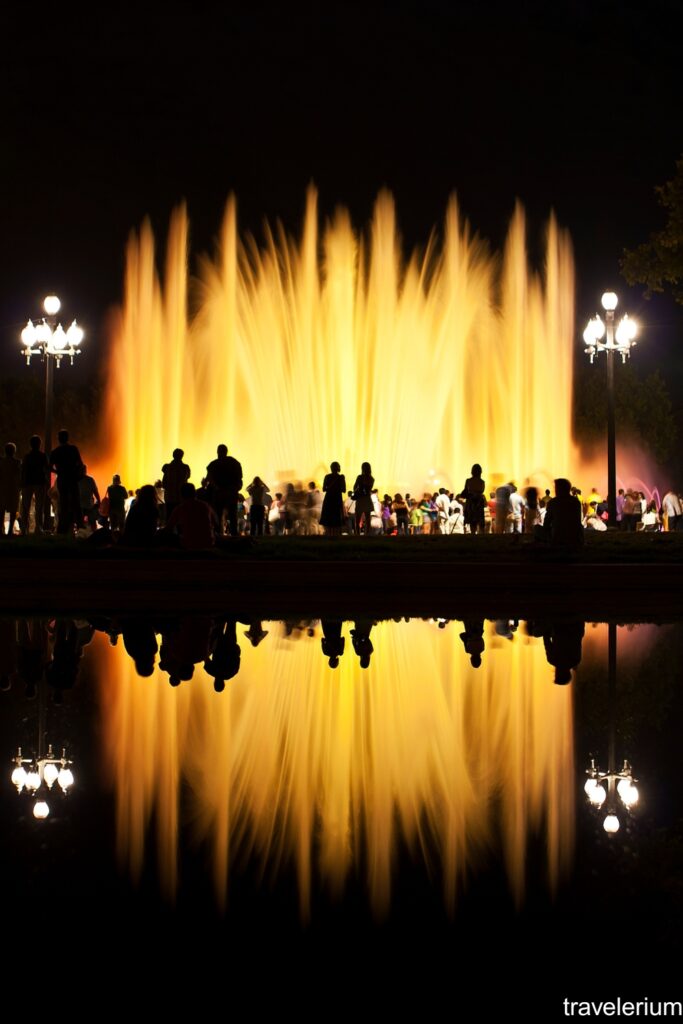
- For unique compositions: Try the side terraces for diagonal angles, or look for puddles after rain that create beautiful reflections of the illuminated fountain
- Framing and composition: Use the Venetian Towers to frame your shots, or position people in the foreground as silhouettes against the brightly lit water to add scale and human interest. The MNAC building makes a spectacular backdrop when lit at night, and incorporating it into wide-angle shots helps convey the grandeur of the entire ensemble.
The Show Experience
Each performance lasts 15–20 minutes and features carefully choreographed water movements synchronized to music. The playlist rotates between shows and across different evenings, including:
- Classical compositions (Beethoven, Bach, Handel)
- Contemporary pop songs and movie soundtracks
- Traditional Spanish and Catalan music
- Queen’s “Barcelona” (a perennial local favorite)
- Film scores and theatrical pieces
With shows running every 30 minutes, staying for multiple performances is easy and rewarding—each features different music and corresponding water choreography, meaning no two shows are identical. First-time visitors are often surprised by how different the fountain’s character feels with a dramatic classical piece compared to an upbeat pop anthem. The water jets seem to take on entirely different personalities depending on the music they accompany.
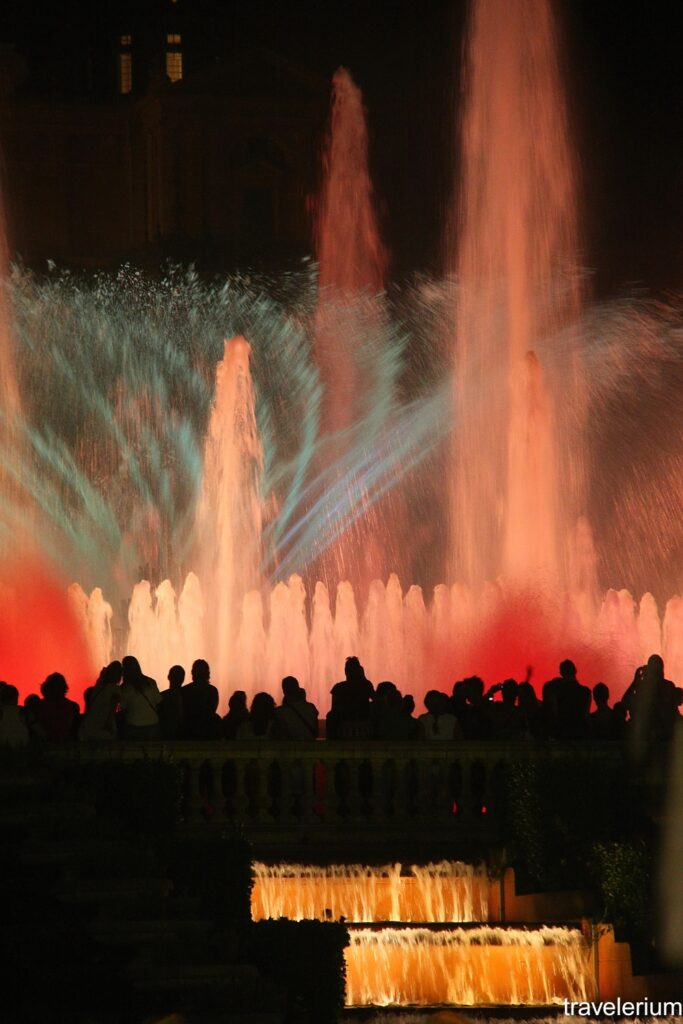
The atmosphere among the crowd is itself part of the experience. Strangers who arrived separately find themselves bonding over shared moments of wonder—spontaneous applause breaks out mid-show, children point excitedly at color changes, and couples lean into each other as the music swells. It is one of those rare public experiences that genuinely brings people together.
Nearby Attractions
Make the most of your Montjuïc evening by combining the fountain with other nearby attractions:
- MNAC (National Art Museum of Catalonia): World-class collection of Catalan art spanning 1,000 years. The museum’s exterior is spectacular even when closed, and the terrace offers sweeping city views that are particularly memorable at sunset.
- Poble Espanyol: Open-air architectural museum recreating Spanish villages from different regions. Evening visits have a magical atmosphere, and the venue frequently hosts concerts, markets, and cultural events.
- Barcelona Pavilion: Mies van der Rohe’s masterpiece of modern architecture, located just steps from the fountain area. Even non-architects are struck by its serene beauty and the revolutionary influence it has had on contemporary design.
- CaixaForum: Contemporary art space in a stunning modernist building with regular evening programming, including film screenings, lectures, and temporary exhibitions.
- Las Arenas: Former bullring converted into a shopping and entertainment complex with a rooftop terrace offering excellent views over Plaça d’Espanya and toward the fountain. The terrace is ideal for pre-show drinks.
- Montjuïc Cable Car: For visitors with more time, the cable car ride up to Montjuïc Castle offers panoramic views over Barcelona and the Mediterranean. Combining a daytime castle visit with an evening fountain show makes for an exceptionally full and rewarding day.
Practical Tips for a Great Visit
- Always check the schedule the day of your visit—unexpected closures due to maintenance or weather do occur
- Arrive early: During summer weekends, good viewing spots fill 45–60 minutes before the first show
- Use bathroom facilities before settling in: Options are limited once you’ve secured your spot. Las Arenas shopping center and the MNAC museum (during opening hours) are your best bets
- Watch multiple shows: The 30-minute intervals make it easy to watch 2–3 performances in one evening with different musical selections
- Put your phone down for at least one show: The experience of simply watching without documenting creates stronger memories and allows you to be fully present
- Be aware of pickpockets: As with any crowded tourist attraction, keep valuables secure and be aware of your surroundings, particularly in dense crowd situations
- Consider accessibility needs: The lower plaza is fully wheelchair accessible via paved pathways, while the MNAC stairs present obvious challenges for mobility-impaired visitors
- Plan your return journey: Check last metro times and have a rideshare app ready as backup, especially for late shows
- Learn a few words of Catalan or Spanish: Locals genuinely appreciate the effort, and a simple “gràcies” (Catalan) or “gracias” (Spanish) goes a long way
- Dress in layers: Mediterranean evenings can shift from warm to surprisingly cool as the night progresses, especially with the fountain’s spray in the air
Special Events
La Mercè Festival (September)
Barcelona’s biggest annual festival features the spectacular “Piromusical” at the Magic Fountain—a breathtaking combination of fireworks and the standard water and light display. This extraordinary event draws enormous crowds and requires arriving several hours early for any reasonable viewing position. If your Barcelona visit coincides with La Mercè, prioritize this experience above all others. The Piromusical is widely regarded as one of the most spectacular free public events in all of Europe, and for good reason—the combination of pyrotechnics, choreographed water, and live music creates an atmosphere that is simply impossible to replicate anywhere else.
New Year and Christmas Programming
The holiday season brings special fountain programming throughout December. Shows during this period often feature festive music and extended running times, making a winter visit far more rewarding than many visitors expect. Christmas markets at Plaça de Catalunya and Plaça de Sant Jaume pair perfectly with an evening fountain visit, making for a magical Barcelona winter itinerary.
Other Special Programming
The fountain occasionally features unique programming during major Barcelona celebrations, sporting victories, and international events hosted in the city. When FC Barcelona wins a major trophy, the area around Plaça d’Espanya often becomes an impromptu celebration hub, with the fountain providing a spectacular backdrop to the festivities. Follow Barcelona tourism social media accounts for announcements of special shows and one-off events throughout the year.
Budget Considerations
The Magic Fountain is a paradise for budget travelers and a reminder that the best experiences in life are often free:
| Expense | Cost |
|---|---|
| Fountain show | Free |
| Metro return | €4.80 |
| Picnic dinner (supermarket) | €8–12 per person |
| Coffee or drink at nearby café | €2–5 |
| Total evening cost | €15–22 per person |
For a completely free experience, walk to the fountain and bring your own food and drinks from a supermarket. Barcelona’s extensive pedestrian infrastructure makes walking from the city center entirely feasible for those with time and comfortable footwear.
It is worth noting that while the fountain itself is free, the surrounding area offers plenty of opportunities to spend money if you choose to—from rooftop bars at Las Arenas to restaurant terraces with fountain views. Setting a budget before your visit helps you enjoy these extras without guilt or financial stress.
Sustainability and the Environment
In recent years, Barcelona’s city council has made significant efforts to reduce the environmental footprint of the Magic Fountain. Traditional incandescent bulbs have been replaced with energy-efficient LED lighting systems, dramatically reducing electricity consumption without any perceptible loss of visual impact. Water recycling systems now ensure that the vast quantities of water used in each show are recirculated rather than wasted.
These sustainability improvements reflect Barcelona’s broader commitment to responsible tourism and environmental stewardship. Visitors can enjoy the spectacle knowing that the city is actively working to preserve it for future generations while minimizing its ecological impact. It is a thoughtful balance between spectacle and responsibility that adds an extra layer of appreciation to the experience.
Frequently Asked Questions
- Can I get wet from the fountain? Light spray is possible if you stand very close in the lower plaza, particularly on windy evenings. The spray is generally pleasant on warm summer nights but can feel uncomfortable in cooler weather. Bring a light jacket if you plan to stand close to the water’s edge.
- What happens if it rains? Shows typically continue in light rain but may be cancelled during heavy rain, strong winds, or thunderstorms. Check official channels for real-time updates on the day of your visit. Barcelona’s official tourism website and the city’s social media accounts are the most reliable sources for last-minute schedule changes.
- Is the area safe at night? The fountain area is well-lit and crowded during shows, making it generally safe. Standard tourist precautions apply—watch for pickpockets and stay in well-lit areas when walking to metro stations. The route from the fountain to Plaça d’Espanya metro is well-trafficked and well-lit, making it comfortable even late at night.
- Are there restaurants nearby? Several restaurants and cafés operate near Plaça d’Espanya. For the best selection and value, explore the side streets rather than tourist-facing establishments directly on the plaza. The Eixample neighborhood, a short metro ride away, offers an outstanding range of dining options at every price point, from budget tapas bars to Michelin-starred restaurants.
- Is the fountain suitable for children? Absolutely. The Magic Fountain is one of Barcelona’s most family-friendly attractions. Children are almost universally captivated by the colors and movement, and the open plaza gives them room to move around. Younger children may find the shows a little long—arriving for the second show of the evening, when they are already slightly tired, can sometimes backfire. Plan according to your children’s individual energy levels and bedtimes.
- Can I visit during the day? The fountain basin and surrounding plaza are accessible during the day, but there are no water or light shows until evening. The daytime setting is pleasant for photographs and a quiet stroll, and the MNAC stairs offer excellent city views at any hour. However, the true magic only reveals itself after dark.
Making It Part of a Wider Barcelona Itinerary
The Magic Fountain works best as the grand finale to a full day of Barcelona exploration. A well-planned itinerary might begin with a morning visit to the Sagrada Família, followed by lunch in the Born neighbourhood, an afternoon exploring the Gothic Quarter, and then an early evening trip to Montjuïc before settling in for the fountain show as night falls.
Alternatively, combining the fountain with a full Montjuïc day makes excellent sense. Spend the morning at Montjuïc Castle, enjoy lunch at Poble Espanyol, visit the Barcelona Pavilion and MNAC in the afternoon, and then claim your fountain viewing spot in the early evening. This approach maximizes your time in one area of the city and avoids the exhausting cross-city travel that can make Barcelona sightseeing feel rushed.
Barcelona is a city that rewards those who take their time. Resist the temptation to rush from landmark to landmark, and instead allow each experience—including the fountain—the breathing room it deserves.
Final Thoughts
Nearly a century after its 1929 debut, the Magic Fountain of Montjuïc continues to captivate audiences with the same wonder that thrilled visitors at the International Exhibition. As a free, accessible, and genuinely spectacular public attraction, it represents everything that makes Barcelona extraordinary—a city that believes beauty should be democratic, that public spaces should inspire, and that the best experiences don’t always come with a price tag.
The fountain has survived civil war, dictatorship, Olympic transformation, and the relentless pressures of mass tourism, emerging from each chapter of history not just intact but renewed. There is something quietly moving about standing in the same spot where crowds gathered nearly 100 years ago, watching the same jets of water rise and fall against the same Montjuïc hillside, sharing in a tradition of communal wonder that has connected generations of Barcelonans and visitors alike.
Whether you’re watching with family, sharing a romantic evening, or experiencing Barcelona solo, the Magic Fountain delivers an unforgettable moment of shared joy. Hundreds of strangers gathered in the Mediterranean evening, united by dancing water and music—it’s simple, timeless, and absolutely magical.
Check the current Font Màgica timetable, arrive early with a picnic and a sense of wonder, and let Barcelona’s most beloved fountain work its magic on you.