
Barcelona is a city of many faces, each neighborhood offering its own distinct personality, attractions, and atmosphere. Whether you’re drawn to modernist architecture, medieval alleyways, beachfront promenades, or bohemian plazas, choosing the right area to base yourself can make or break your Barcelona experience and this Barcelona neighborhood guide will certainly help you, but before diving into specific neighborhoods, it’s worth familiarizing yourself with our Barcelona Travel Guide for a broader overview of the city’s attractions, culture, and logistics. This city isn’t just a collection of tourist sites—it’s a living, breathing metropolis where each barrio has evolved its own character over centuries.
For first-time visitors, the sheer variety of neighborhoods can feel overwhelming. Do you stay near the iconic Sagrada Família in Eixample, lose yourself in the Gothic Quarter’s labyrinthine streets, wake up to Mediterranean waves in Barceloneta, or discover the village-like charm of Gràcia? Each choice offers different advantages, from proximity to major attractions to immersion in local life, from budget-friendly options to luxury accommodations.
This Barcelona neighborhood guide breaks down Barcelona’s most popular neighborhoods for visitors, helping you understand what each area offers and which might suit your travel style best. We’ll explore central districts packed with Gaudí’s masterpieces, historic quarters where Roman walls still stand, beachside communities perfect for sun-seekers, and residential areas where you’ll experience Barcelona as locals do. By understanding the city’s layout and the character of each neighborhood, you’ll be equipped to choose accommodation that perfectly matches your priorities, whether that’s nightlife access, family-friendly amenities, cultural immersion, or simply the best value for your budget.
How to Choose the Right Barcelona Neighborhood
Selecting where to stay in Barcelona requires more than just finding a good hotel deal. The neighborhood you choose will shape your entire experience, affecting how much time you spend on public transport, what local atmosphere you’ll experience, and which Barcelona you’ll come to know.
Factors to Consider: Budget, Interests, and Vibe
Your budget plays a significant role in determining which neighborhoods are realistic options. Central areas like Passeig de Gràcia and the Gothic Quarter command premium prices, particularly during peak season, while neighborhoods like Sants, Sant Antoni, and parts of Poble-sec offer more affordable options without sacrificing connectivity.
Consider what brought you to Barcelona in the first place. Architecture enthusiasts might prioritize Eixample’s modernist treasures, while history buffs would thrive in the Gothic Quarter’s medieval atmosphere. Beach lovers naturally gravitate toward Barceloneta and Poblenou, whereas foodies might prefer El Born or Poble-sec. If nightlife ranks high on your agenda, areas near El Raval, parts of Eixample, and Poble-sec offer the most options. Families often find Gràcia and certain parts of Eixample more suitable, with wider streets, parks, and a calmer atmosphere.
The vibe you’re seeking matters enormously. Do you want to be in the thick of tourist activity with easy access to major sites, or would you prefer a more authentic neighborhood experience where you’ll share tapas bars with locals? Some travelers love the energy of central districts where something is always happening, while others find the constant crowds exhausting and prefer residential neighborhoods where they can retreat from the tourist bustle.
Map Overview and City Layout
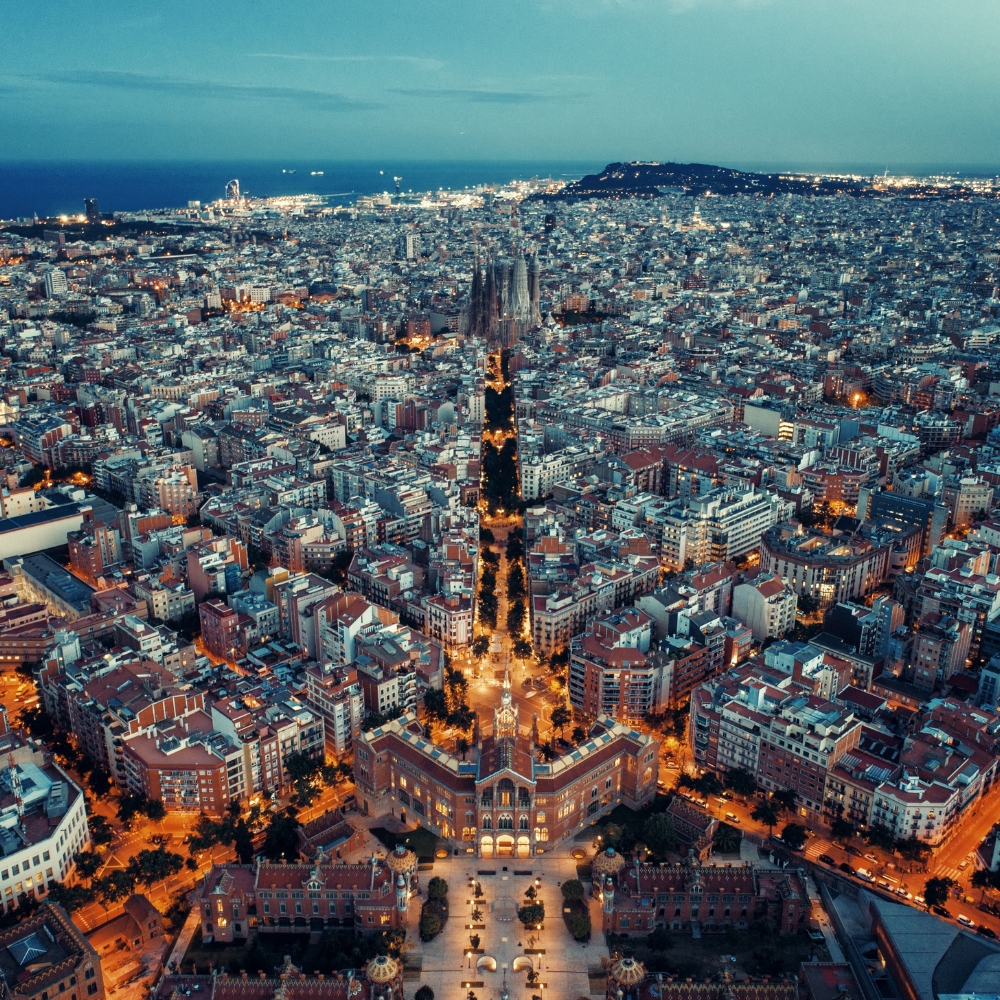
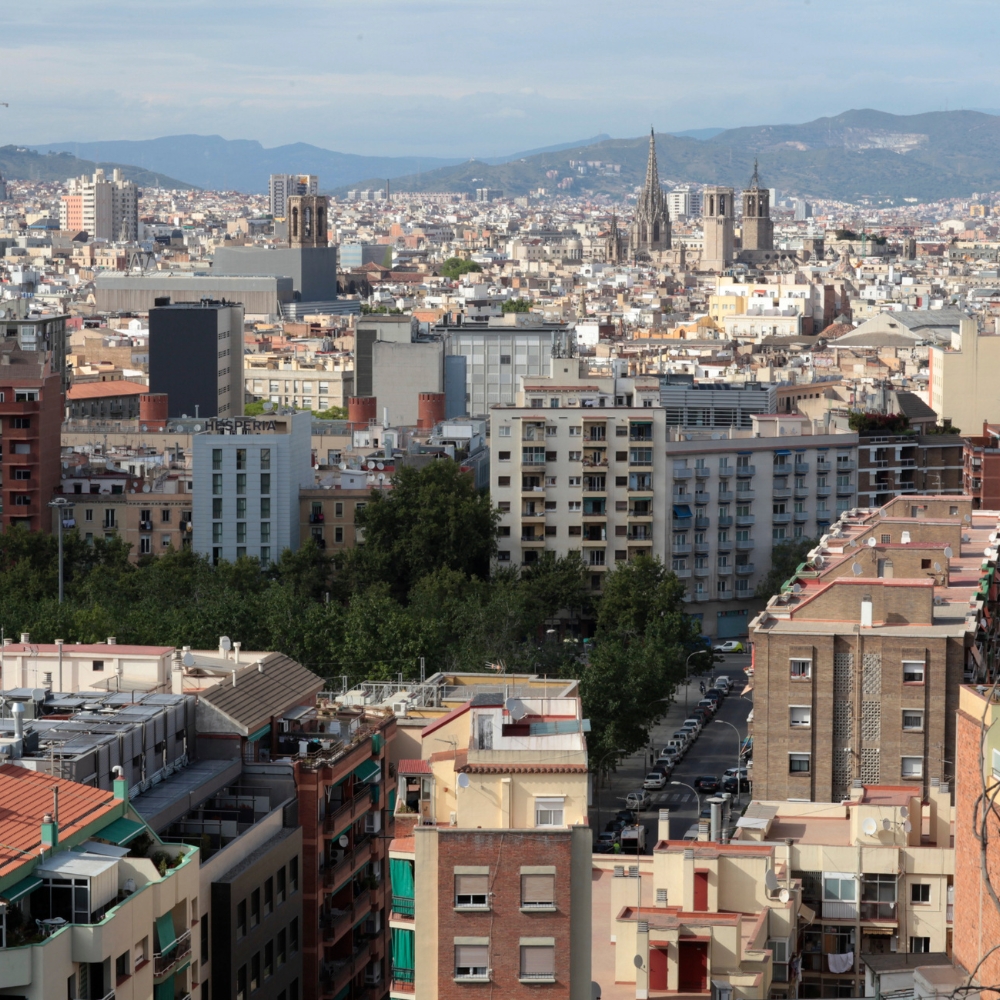
Barcelona’s layout is relatively straightforward once you grasp the basics. The city sits between the Collserola hills to the west and the Mediterranean Sea to the east. The famous grid pattern of Eixample dominates the city center, created in the 19th century as Barcelona expanded beyond its medieval walls.
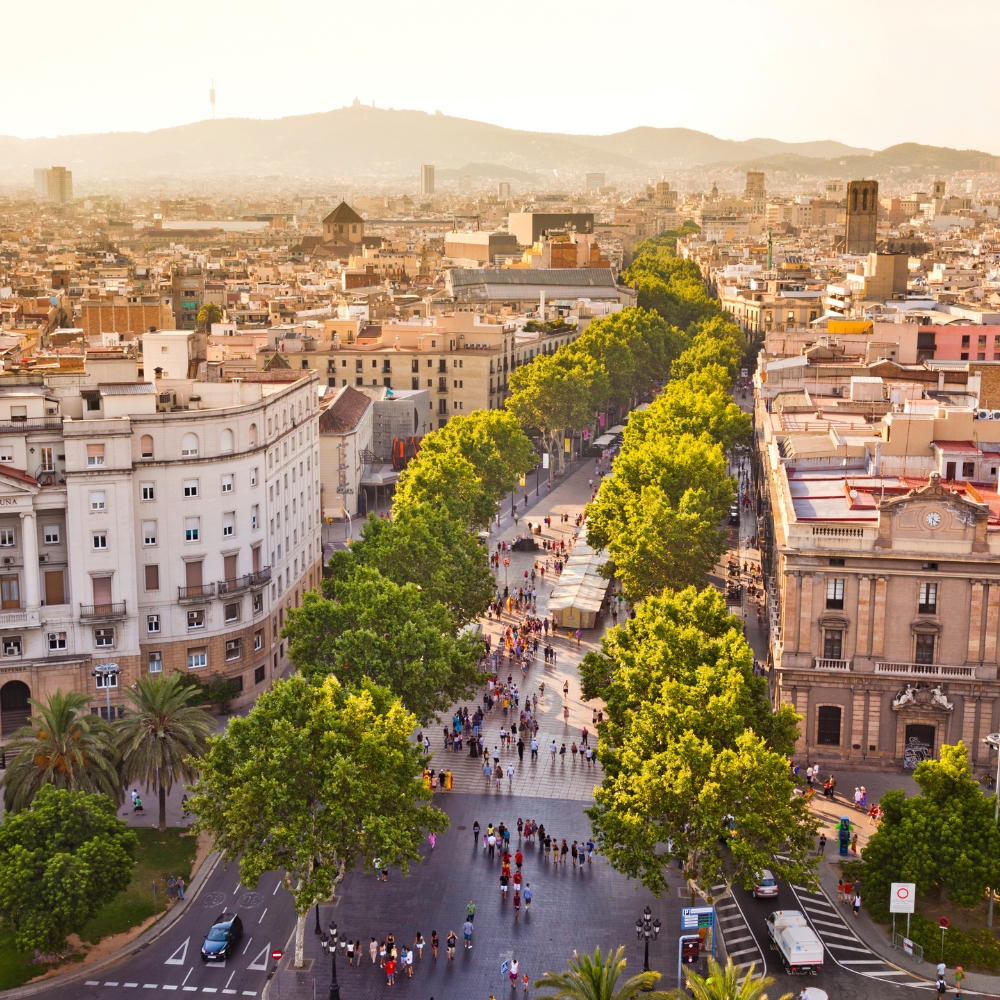
At the heart sits Plaça Catalunya, Barcelona’s central square and a useful reference point. From here, Las Ramblas descends toward the sea, with the Gothic Quarter spreading to its right (east) and El Raval to its left (west). Eixample extends upward (northwest and northeast) from Plaça Catalunya in its distinctive grid pattern, home to most of Gaudí’s major works. The coastline runs roughly northeast to southwest, with Barceloneta closest to the old city, followed by Port Olímpic, and then Poblenou’s beaches extending further out.
Montjuïc hill rises southwest of the city center, hosting museums, gardens, and the Olympic facilities. Gràcia sits north of Eixample, maintaining its own distinct identity as a former separate village. Understanding this basic layout helps you visualize distances and connections between neighborhoods.
Barcelona’s metro system is extensive and efficient, meaning you’re rarely more than 15 minutes from major attractions regardless of where you stay. However, being within walking distance of your top priorities can save significant time and energy during your visit.
Safety and Accessibility Tips
Barcelona is generally safe for visitors, but like any major tourist destination, certain areas require more awareness than others. Pickpocketing is the primary concern, particularly in heavily touristed zones like Las Ramblas, the Gothic Quarter, and crowded metro stations. The lower sections of El Raval have a grittier atmosphere, especially at night, though gentrification has improved conditions significantly.
Most Barcelona neighborhoods are quite safe for walking, even after dark, particularly areas like Eixample, Gràcia, and Poblenou. Common sense precautions—being aware of your surroundings, securing valuables, and avoiding poorly lit streets late at night—apply everywhere.
Accessibility varies considerably by neighborhood. Eixample’s wide sidewalks and grid layout make it the most accessible district for wheelchair users and those with mobility challenges. The Gothic Quarter’s medieval streets, with their uneven cobblestones and narrow passages, present the most difficulties. Many metro stations have elevators, though not all, so checking accessibility in advance is wise.
The city has excellent public transportation, with metro, buses, and trams connecting all neighborhoods. Most visitors find a T-Casual travel card (10 journeys) or unlimited Hola Barcelona travel card valuable. Taxis and ride-sharing services are readily available throughout the city.
Central Classics: Eixample and Passeig de Gràcia
For many visitors, Eixample represents the quintessential Barcelona experience. This 19th-century extension (eixample means “expansion” in Catalan) showcases the city’s unique blend of urban planning and artistic expression.
L’Eixample: Modernist Icons and Central Convenience
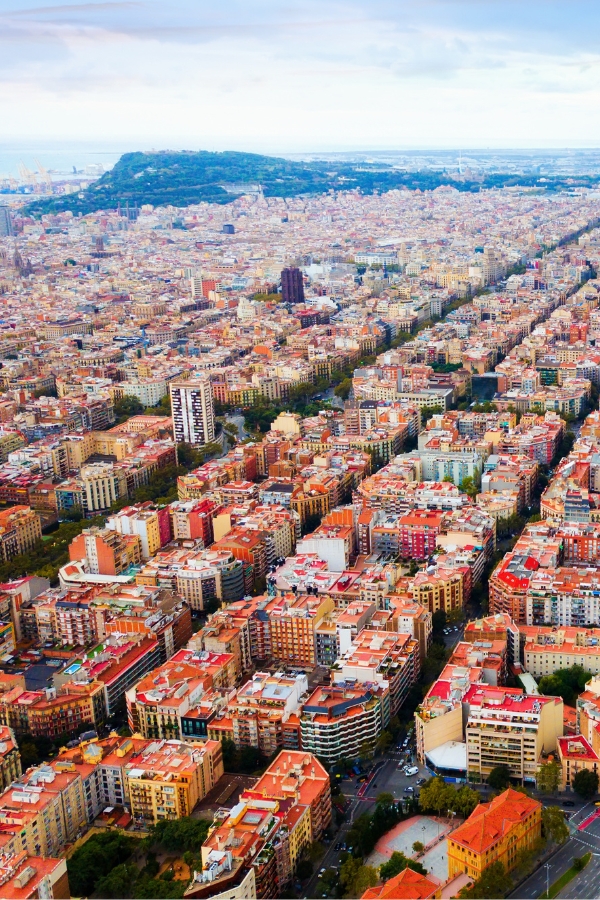
L’Eixample’s distinctive grid pattern, designed by urban planner Ildefons Cerdà, creates Barcelona’s most recognizable cityscape. The chamfered corners of each block (creating octagonal intersections) were revolutionary for their time, improving traffic flow and allowing more light into apartments. Today, this area houses the highest concentration of modernist architecture in the world.
Staying in Eixample puts you within walking distance of Gaudí’s Sagrada Família, Casa Batlló, and La Pedrera, along with works by other modernist masters like Domènech i Montaner. The neighborhood divides into Dreta (right) and Esquerra (left) sections, with Dreta generally more upscale and tourist-focused, while Esquerra (which includes the “Gayxample” area) has a slightly more local feel.
The area excels in convenience, with excellent metro connections, abundant restaurants ranging from traditional Catalan to international cuisine, and shopping options from local boutiques to major chains. The wide sidewalks make walking pleasant, and you’re never far from a pharmacy, supermarket, or other essential services.
Accommodation options span from mid-range hotels to luxury properties, with relatively few budget options due to the central location and desirability. The neighborhood attracts all types of travelers—couples, families, solo visitors, and business travelers all find something appealing here.
Passeig de Gràcia: Luxury Hotels and Shopping
Passeig de Gràcia, the grand boulevard cutting diagonally through Eixample from Plaça Catalunya to the Gràcia neighborhood, represents Barcelona’s most prestigious address. This is where luxury hotels cluster, designer boutiques line the streets, and some of Barcelona’s most photographed buildings stand.
The avenue itself functions as an open-air museum of modernist architecture, with Casa Batlló and La Pedrera among the highlights. Staying directly on or just off Passeig de Gràcia means maximum convenience for sightseeing, with both major modernist sites and the Gothic Quarter easily accessible on foot.
Luxury hotels here include historic properties and modern five-star establishments, many occupying converted modernist buildings with period details and contemporary amenities. You’ll find flagship stores for international luxury brands, sophisticated restaurants, and upscale cafés perfect for people-watching.
The trade-off for this prime location is cost—this is Barcelona’s most expensive area for accommodation. The atmosphere is more polished and less residential than other neighborhoods, with heavy tourist traffic during the day. However, for those seeking a centrally located, upscale base with easy access to major sites, it’s hard to beat.
Eixample Nightlife and Dining
While not Barcelona’s wildest nightlife district, Eixample offers sophisticated evening entertainment. The “Gayxample” area around Carrer del Consell de Cent hosts the city’s main LGBTQ+ nightlife scene, with bars, clubs, and restaurants creating a vibrant atmosphere.
Dining options span the full spectrum. Carrer d’Enric Granados and Carrer d’Aribau feature numerous restaurants with outdoor seating, while the streets surrounding Mercat de la Concepció and Mercat del Ninot offer excellent local eating. You’ll find everything from Michelin-starred establishments to traditional vermut bars where locals gather before lunch.
The neighborhood’s restaurant scene tends toward the more refined end, with prices reflecting the central location. However, exploring the blocks further from Passeig de Gràcia reveals more affordable, local-focused options where neighborhood residents actually eat.
Historic Heart: Gothic Quarter and Surroundings
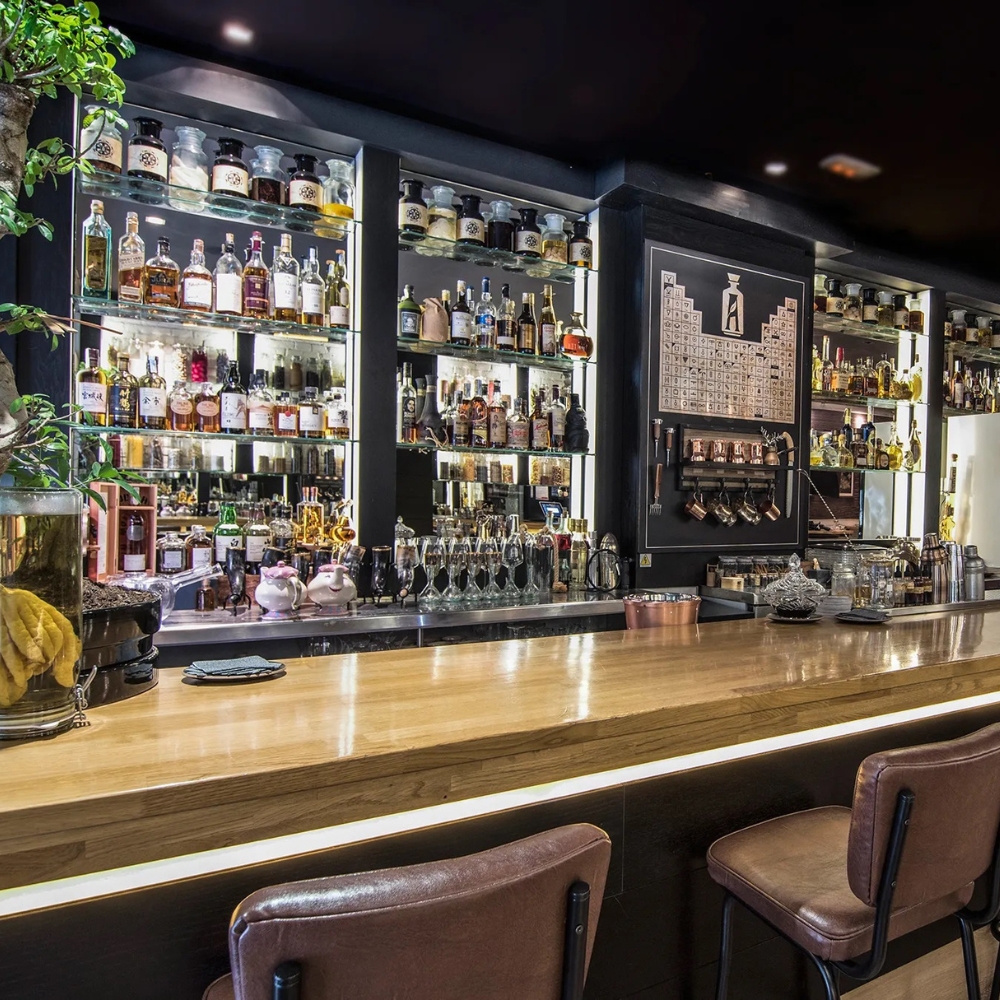
The Gothic Quarter (Barri Gòtic) represents Barcelona’s medieval soul, where Roman foundations support Gothic palaces, and centuries of history are literally built into the walls. This atmospheric district appeals to those seeking historic charm and central access to major attractions.
Barri Gòtic: Medieval Streets and Main Attractions
The Gothic Quarter’s labyrinthine streets, hidden squares, and towering cathedral create an instantly captivating atmosphere. This area contains some of Barcelona’s oldest buildings, with sections of Roman wall still standing and streets following layouts established 2,000 years ago.
Staying here places you at the heart of Barcelona’s history, with the Cathedral, Plaça Sant Jaume (site of government buildings), the Jewish Quarter, and countless medieval palaces within minutes. The neighborhood’s compact nature means you can explore on foot, discovering hidden corners, artisan shops, and atmospheric restaurants in former palaces.
The Gothic Quarter offers diverse accommodation, from boutique hotels in renovated historic buildings to hostels attracting younger travelers. Apartments are popular here, allowing you to live like a local in these ancient streets.
However, the Gothic Quarter has significant drawbacks. It’s intensely touristed, particularly around the cathedral and major thoroughfares. Streets can feel crowded during peak hours, and the concentration of tourists attracts pickpockets. Some areas, especially near Las Ramblas, have become quite commercialized, with souvenir shops and tourist-trap restaurants outnumbering authentic establishments.
The medieval street layout, while charming, means difficult navigation, noise echoing off narrow passages, limited sunlight, and accessibility challenges. Apartments in these old buildings often lack elevators and modern amenities. Still, for many visitors, the atmospheric medieval setting outweighs these practical concerns.
Las Ramblas and Plaça Catalunya: Barcelona’s Pulse
Las Ramblas, Barcelona’s most famous street, divides the Gothic Quarter from El Raval as it descends from Plaça Catalunya to the waterfront. While locals often avoid this tourist-centric thoroughfare, its central location and constant activity appeal to some visitors.
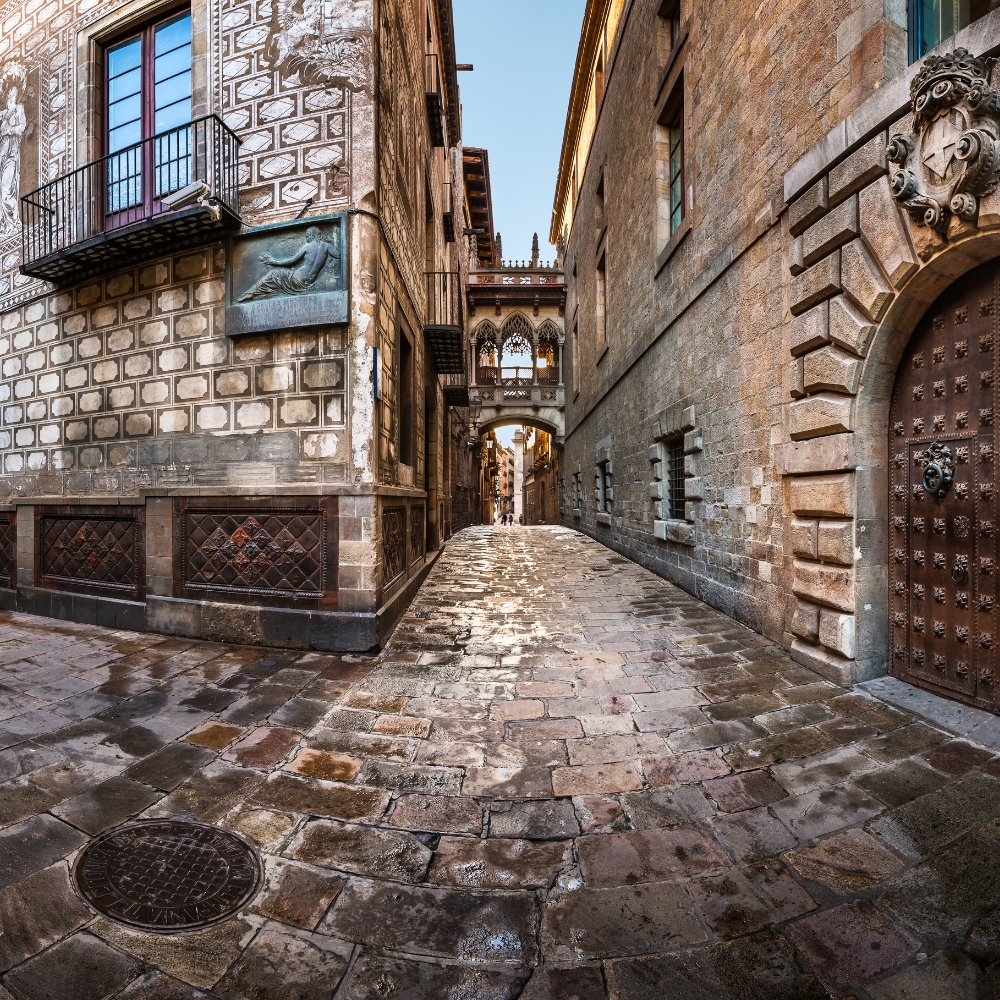
Plaça Catalunya, at the top of Las Ramblas, functions as Barcelona’s geographic heart and main transport hub. Staying near here offers unparalleled connectivity, with metro lines, buses, and trains all converging. You’re equidistant from the Gothic Quarter, Eixample, and the beach, making it an excellent base for first-time visitors wanting to cover maximum ground.
However, this area is decidedly tourist-focused, with higher prices, more commercialized offerings, and less authentic atmosphere than other neighborhoods. The constant crowds and noise may prove exhausting. Hotels here tend toward large chains rather than boutique properties, though quality options exist.
If convenience trumps atmosphere in your priorities, and you plan to spend most time out exploring rather than enjoying your neighborhood, this location works well. Otherwise, nearby areas in the Gothic Quarter or Eixample offer better value and atmosphere while maintaining accessibility.
El Born: Art, Cuisine, and Boutique Stays
El Born (also called La Ribera) sits just northeast of the Gothic Quarter, bordered by Via Laietana and the Parc de la Ciutadella. This trendy neighborhood has evolved from working-class origins to become one of Barcelona’s most desirable districts.
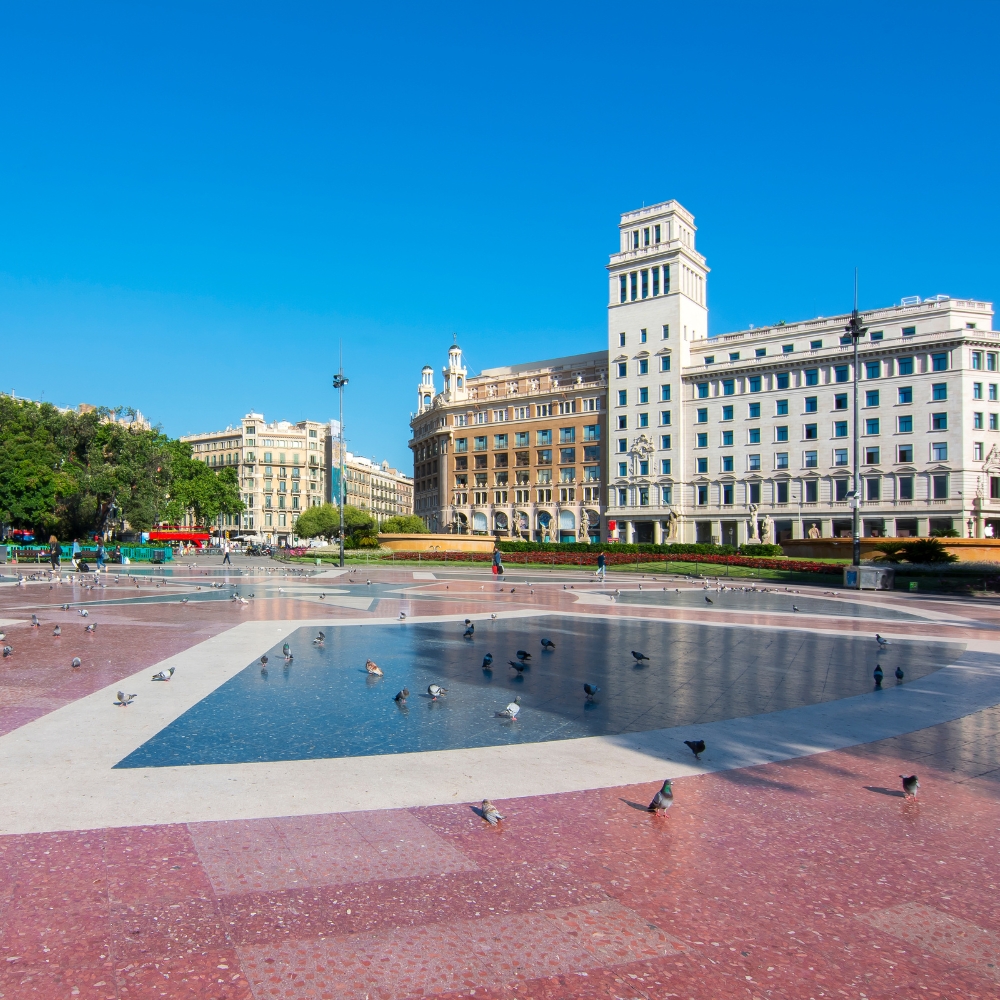
El Born combines historic architecture—including the stunning Santa Maria del Mar basilica and the Picasso Museum—with contemporary creativity. The neighborhood’s narrow medieval streets host design boutiques, artisan workshops, innovative restaurants, and stylish cocktail bars.
The neighborhood’s culinary scene is exceptional, with everything from traditional tapas bars serving vermouth and montaditos to cutting-edge restaurants experimenting with Catalan cuisine. Passeig del Born, the main thoroughfare, buzzes with outdoor terraces where locals and visitors mingle over wine and conversation.
Accommodation in El Born leans toward boutique hotels and upscale apartments, often housed in renovated historic buildings that maintain original features like exposed brick and wooden beams while incorporating modern design. The area attracts a sophisticated, culturally-minded crowd seeking authenticity with style.
The advantages of staying in El Born include proximity to major sites (you’re walking distance to both the Gothic Quarter and Barceloneta beach), excellent restaurants and nightlife, and a neighborhood that feels genuinely local despite its popularity. The main drawback is cost—this desirability translates to premium prices for accommodation and dining. The narrow streets also mean potential noise from nightlife and the same medieval layout challenges found in the Gothic Quarter.
Beachfront Options: Barceloneta and Poblenou
For visitors prioritizing sea, sand, and Mediterranean lifestyle, Barcelona’s beachfront neighborhoods offer the perfect combination of urban amenities and coastal relaxation.
La Barceloneta: Classic Coastal Living
La Barceloneta, the triangular peninsula jutting into the Mediterranean, represents Barcelona’s traditional fishing quarter. This distinctive neighborhood was built in the 18th century to house residents displaced by the construction of the Ciutadella fortress, resulting in its unusual grid of narrow streets packed with tall, thin buildings.
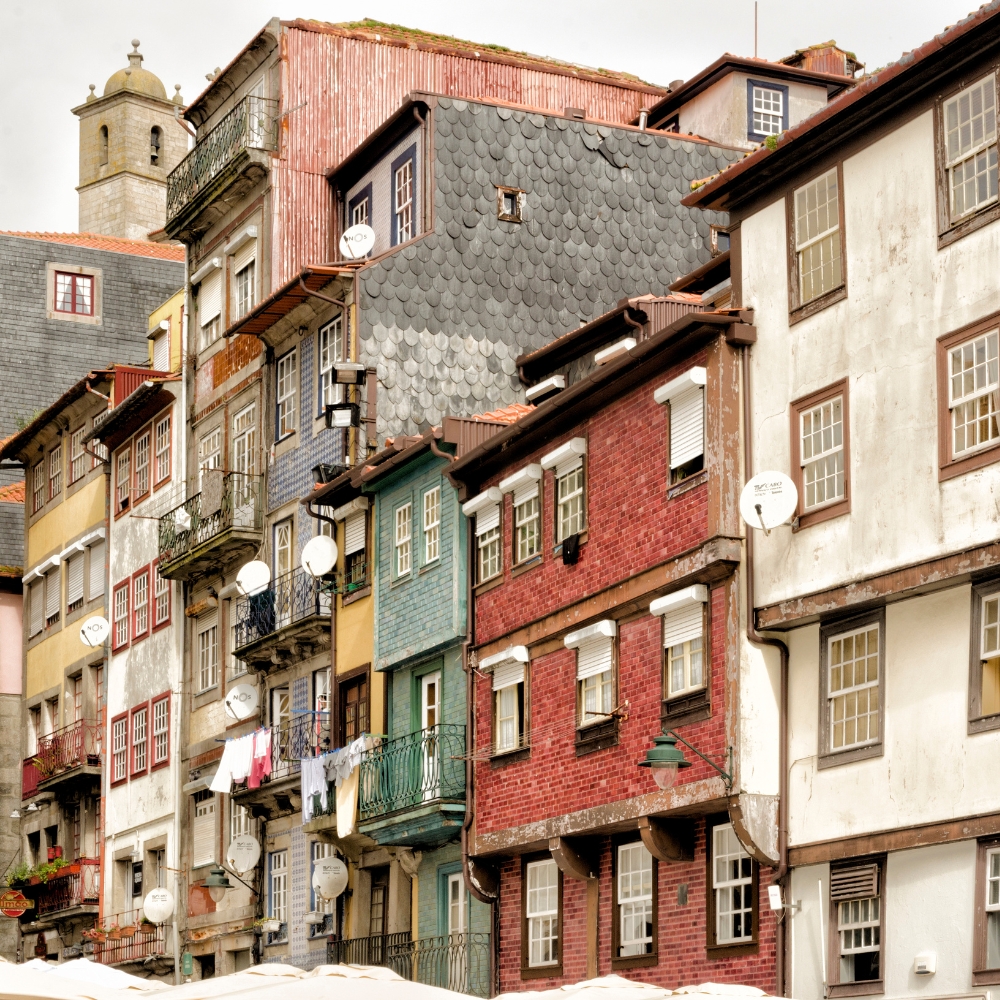
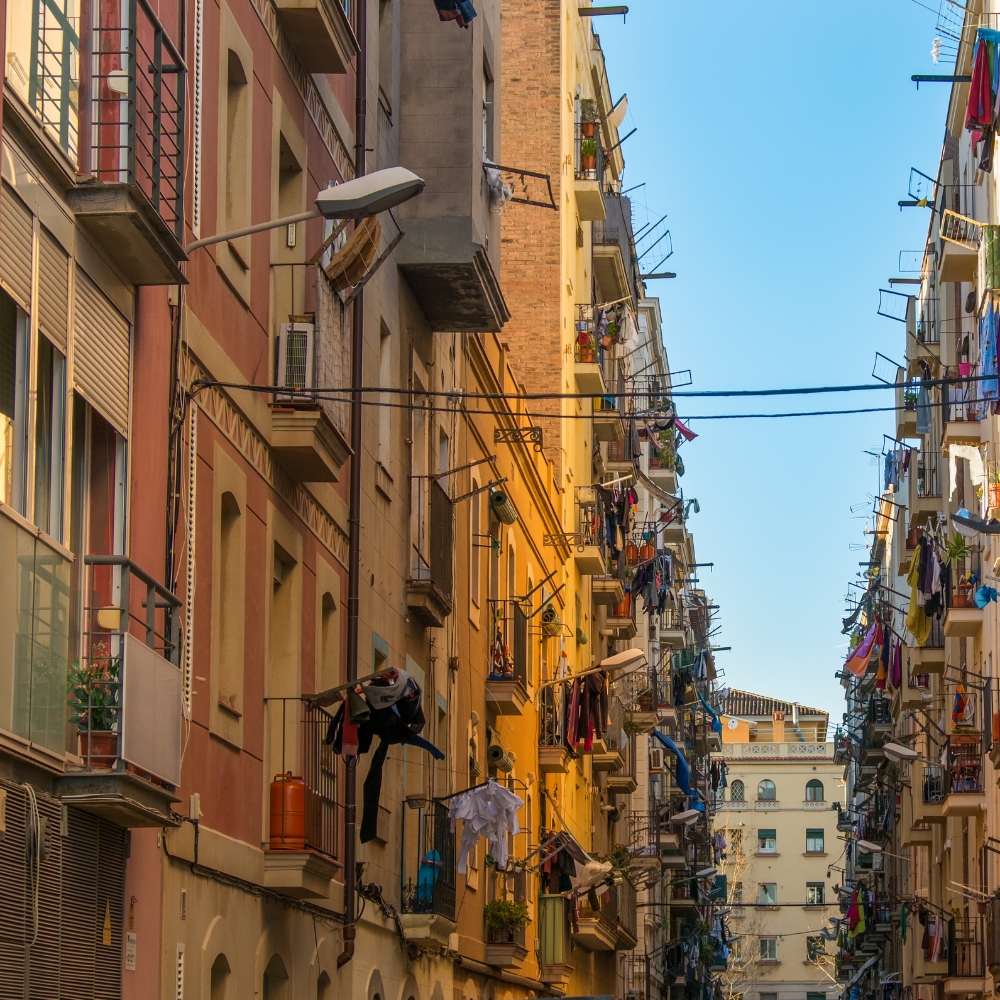
Staying in Barceloneta places you steps from the beach, with the sound of waves potentially audible from your accommodation. The neighborhood retains a genuine local character despite tourist popularity, with residents hanging laundry from balconies, neighbors chatting in the streets, and traditional seafood restaurants serving families who’ve been coming for generations.
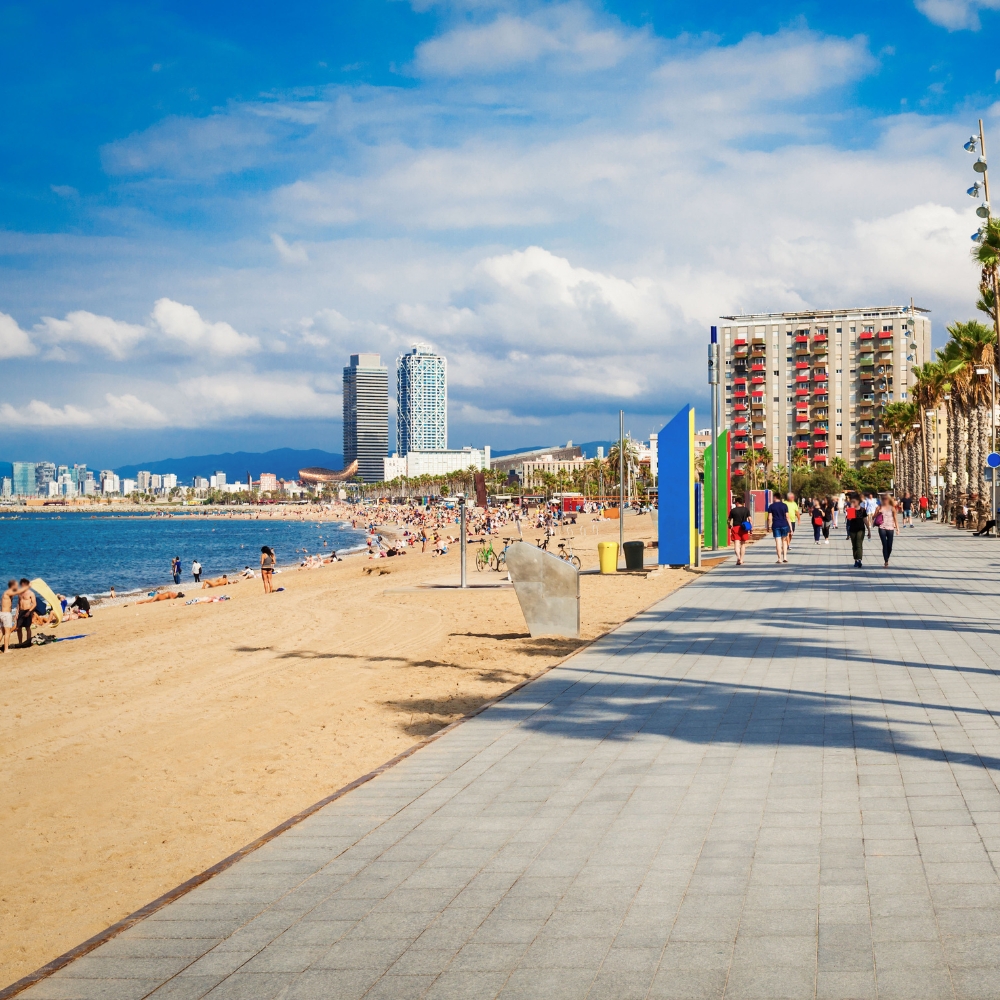
The beach itself stretches along the neighborhood’s eastern edge, wide and sandy, backed by a palm-lined promenade perfect for walking, running, or cycling. Beach clubs, chiringuitos (beach bars), and seafood restaurants line the waterfront, offering everything from paella to fresh fish.
Accommodation options include beachfront hotels with sea views, apartments in the neighborhood’s characteristic buildings, and some hostels attracting younger travelers. Prices vary considerably depending on proximity to the beach and season—beachfront properties command premium rates, especially in summer.
The atmosphere is decidedly casual and relaxed. This is where you stay if lounging on the beach, swimming in the Mediterranean, and eating seafood rank high in your Barcelona priorities. However, Barceloneta has some significant considerations. The neighborhood gets extremely crowded in summer, both on the beach and in the narrow streets. It’s somewhat removed from major cultural attractions, requiring metro rides or lengthy walks to reach sites in the old city or Eixample.
Some streets can be noisy, particularly near the waterfront nightlife areas, and the party atmosphere, while appealing to some, may not suit everyone. The area also has occasional petty crime issues, particularly theft on the beach and in crowded areas. Nevertheless, for beach lovers, the direct Mediterranean access outweighs these concerns.
Barceloneta Beach and Waterfront Activities
Beyond simply sunbathing, Barceloneta’s waterfront offers numerous activities. The Port Vell (old port) to the south features restaurants, shops, and the Maremagnum shopping center accessible via a wooden boardwalk. Water sports companies offer paddleboarding, kayaking, and sailing along the coast.
The boardwalk extending from Barceloneta through Port Olímpic and beyond creates an excellent walking or cycling route along the entire Barcelona coastline. Bike rentals are readily available, and the flat, scenic route offers a completely different perspective on the city.
For dining, venture beyond the tourist-focused beachfront restaurants into the neighborhood’s interior streets, where traditional establishments serve local families. These spots offer better value and more authentic cuisine, from seafood rice dishes to simple grilled fish.
Poblenou: Creative Scene and Urban Beaches
Poblenou, stretching northeast from Port Olímpic, represents Barcelona’s transformation from industrial district to creative hub. Once known as the “Catalan Manchester” for its textile factories, the neighborhood has reinvented itself as a center for technology companies, design studios, and artistic spaces while maintaining its working-class character.
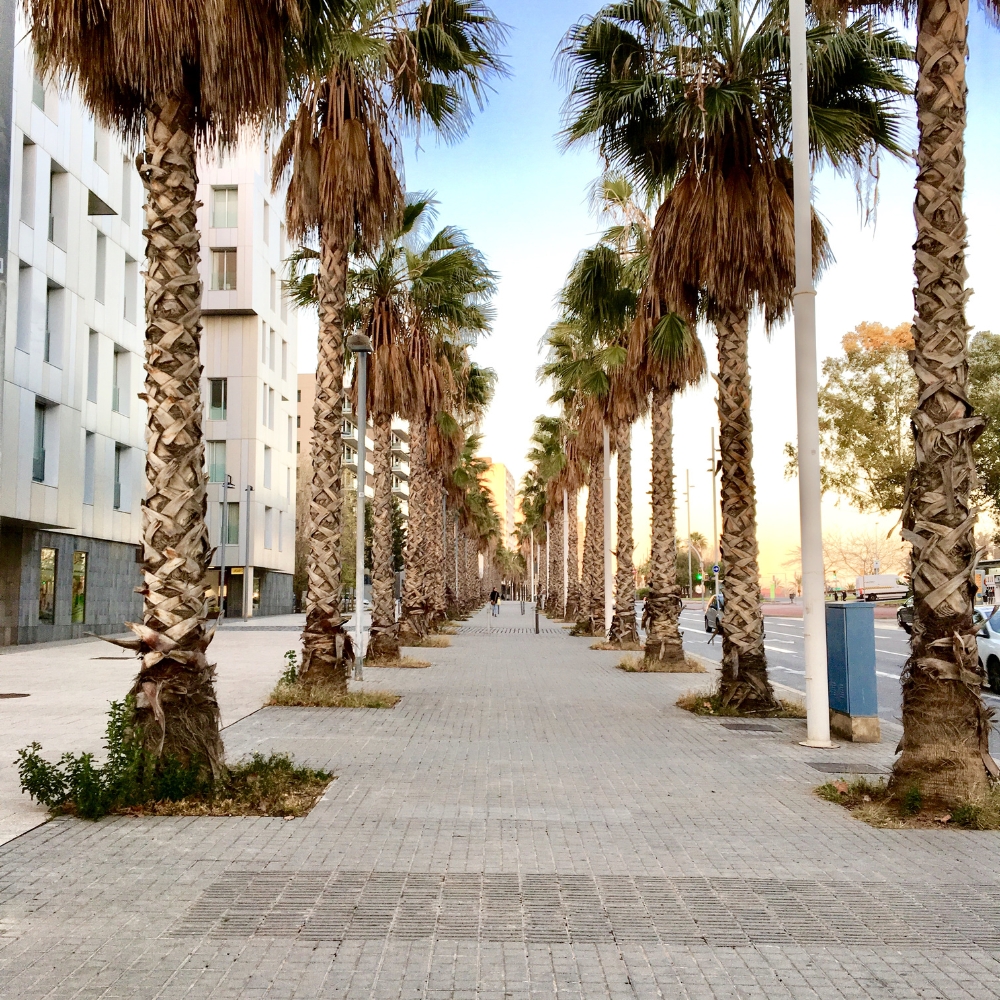
Staying in Poblenou offers the best of several worlds: beach access (with less crowded stretches than Barceloneta), local neighborhood atmosphere, interesting dining and nightlife, and relatively reasonable prices for a Barcelona beachfront location. The area features wider streets than the old city, more modern buildings, and a genuinely residential feel.
The beaches here—Bogatell, Mar Bella, and Nova Mar Bella—attract more locals than tourists, particularly Barceloneta’s main beach. Mar Bella includes Barcelona’s official nudist section, and the beaches generally feel more spacious and relaxed. Beach facilities, including showers, bathrooms, and seasonal lifeguards, match those of Barceloneta.
Rambla del Poblenou, the neighborhood’s main street, maintains a village-like atmosphere with local shops, traditional bars, and a genuine sense of community. The area between the Rambla and the beach features the highest concentration of restaurants and bars, including trendy spots in converted industrial spaces.
Accommodation options include modern hotels, many apartments (both renovated industrial spaces and newer buildings), and some budget-friendly options. The neighborhood attracts a creative, younger crowd along with families seeking beach access with more local atmosphere than Barceloneta offers.
The main consideration is distance from major tourist sites—you’re further from the Gothic Quarter, Sagrada Família, and other central attractions, requiring metro rides or longer walks. However, the metro connection is excellent, and many visitors appreciate the evening retreat to a less touristy neighborhood.
Bohemian and Local: Gràcia and Poble-sec
For travelers seeking authentic neighborhood experiences where locals significantly outnumber tourists, Gràcia and Poble-sec offer distinctly Barcelona character without the crowds.
Gràcia: Village Ambience and Catalan Charm
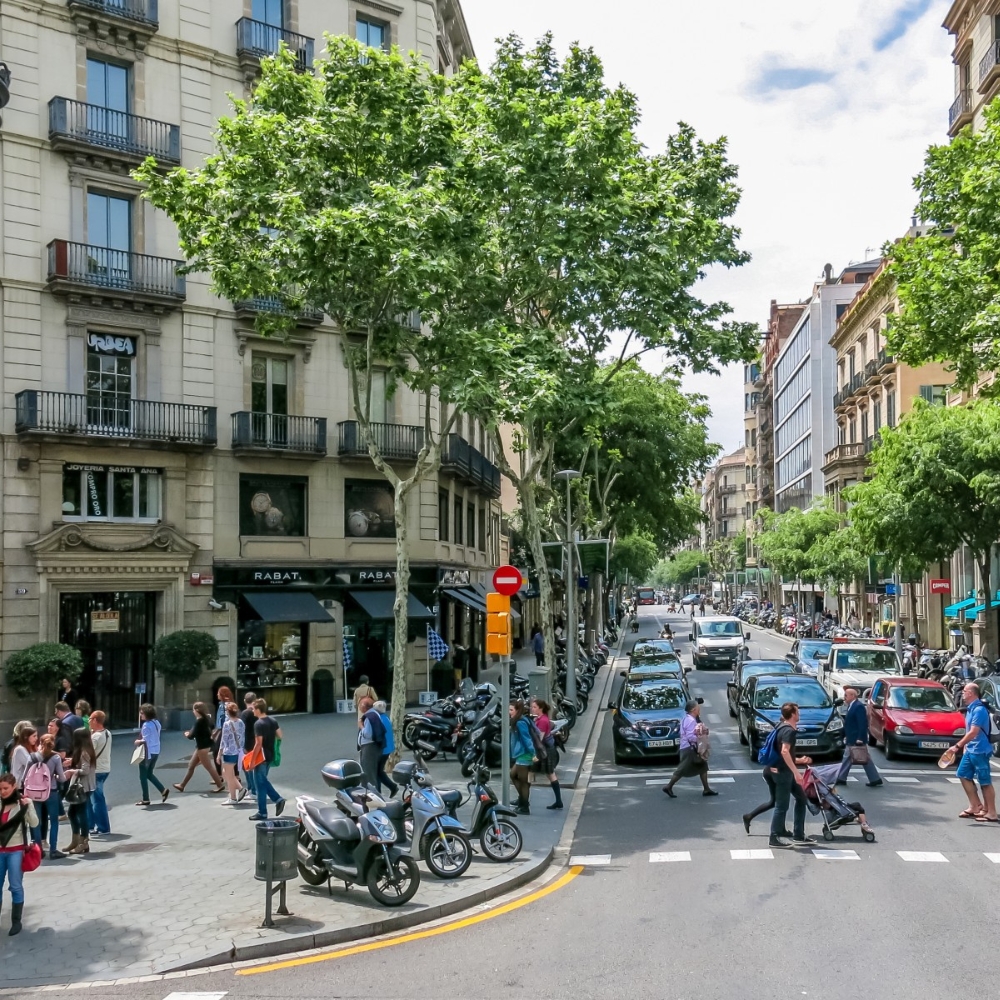
Gràcia, once an independent village absorbed by Barcelona’s expansion, fiercely maintains its separate identity. This neighborhood’s maze of narrow streets opens into numerous charming plazas, each serving as a social hub where neighbors gather at cafés and children play.
The atmosphere is decidedly local and bohemian, with independent boutiques, vintage shops, organic markets, and artisan cafés far outnumbering chain stores. Gràcia attracts artists, students, and long-time residents creating a genuinely diverse community. The neighborhood’s famous festivals, particularly the Festa Major de Gràcia in August, showcase incredible street decorations and community spirit.
Staying in Gràcia means experiencing Barcelona as residents do—shopping at neighborhood markets, having coffee in local-filled plazas, and dining at restaurants where menus might not be translated. The neighborhood sits just north of Eixample, connected by several metro lines, putting major attractions within easy reach while offering an evening escape from tourist crowds.
Accommodation options include small boutique hotels, numerous apartments, and some guesthouses, generally offering better value than more central neighborhoods. The area’s residential nature means limited large hotels, which helps maintain its intimate character.
Gràcia’s advantages include authentic atmosphere, excellent value, charming streets and plazas, strong sense of community, and proximity to Park Güell (on the neighborhood’s edge). The primary consideration is that you’re in a genuinely local area—English is less commonly spoken, restaurants cater to local tastes, and you’ll be somewhat removed from the tourist infrastructure that makes navigation easier in central districts. For many travelers, this represents Gràcia’s greatest appeal rather than a drawback.
Poble-sec: Tapas, Nightlife, and Hidden Gems
Poble-sec, stretching up the hillside below Montjuïc, has transformed from working-class neighborhood to one of Barcelona’s hottest dining and nightlife districts while maintaining its local character and affordable prices.
The neighborhood’s main street, Carrer de Blai, functions as a tapas paradise, with bar after bar offering pintxos, montaditos, and small plates. The tradition here involves hopping between establishments, trying different specialties and accumulating toothpicks that servers count for your bill. It’s social, fun, and relatively affordable.
Beyond Carrer de Blai, Poble-sec hosts numerous excellent restaurants, craft beer bars, wine bars, and cocktail establishments that locals consider among the city’s best. The Avinguda del Paral·lel, bordering the neighborhood, features several theaters and music venues, maintaining its historic role as Barcelona’s entertainment district.
Staying in Poble-sec offers authentic Barcelona lifestyle, exceptional dining value, easy access to Montjuïc’s attractions, and decent metro connectivity. The neighborhood feels residential and safe while offering nightlife options that central areas can’t match for value and local atmosphere.
Accommodation includes small hotels, many apartments, and several hostels, with prices generally lower than similarly-located central neighborhoods. The area appeals to younger travelers, food enthusiasts, and those seeking local experiences.
The hillside location means some walking uphill, which may not suit everyone, though metro stations at the base reduce this concern. You’re also slightly further from major attractions than in central neighborhoods, though the trade-off in value and atmosphere appeals to many visitors.
Family-Friendly and Budget Hotels
Both Gràcia and Poble-sec offer excellent options for families and budget-conscious travelers. Gràcia’s plazas provide spaces for children to play, the neighborhood’s relaxed pace suits family rhythms, and the abundance of affordable restaurants makes dining out with kids feasible.
Poble-sec’s casual tapas culture works well for families—children can try different foods without committing to full meals, and the informal atmosphere welcomes families. Both neighborhoods have significantly lower accommodation costs than central districts, making them attractive for families needing multiple rooms or larger apartments.
Budget hotels and hostels in these areas often provide better value than comparable options in the Gothic Quarter or near Las Ramblas, where prices reflect tourist demand rather than quality. You’ll find modern, clean, well-managed properties at prices that would only secure basic accommodation in more central locations.
Culture and Views: Montjuïc and Surrounding Areas
Montjuïc, the hill rising southwest of the city center, offers cultural attractions and spectacular views rather than being primarily a residential neighborhood where visitors stay. However, the areas surrounding Montjuïc provide interesting accommodation options.
Montjuïc: Museums and Panoramic Scenery
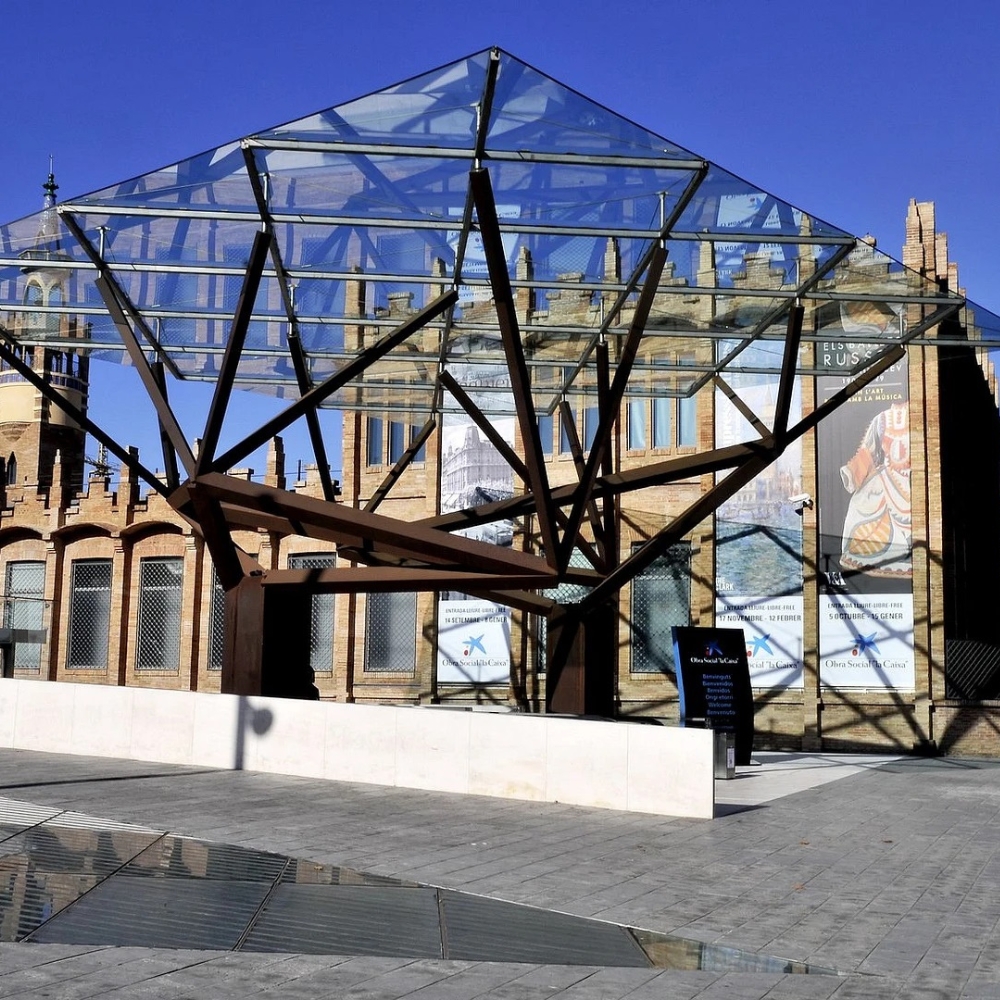
Montjuïc itself hosts an impressive concentration of museums, gardens, and historic sites. The MNAC (National Art Museum of Catalonia), Fundació Joan Miró, CaixaForum, and Montjuïc Castle provide days worth of cultural exploration. The Olympic facilities from 1992, the Magic Fountain light shows, and numerous gardens offer additional attractions.
Few hotels actually sit on Montjuïc hill—most accommodations are in surrounding neighborhoods like Poble-sec or near Plaça Espanya at the hill’s base. However, staying nearby means easy access to Montjuïc’s attractions, which are less crowded than comparable city-center sites.
The hill’s elevation provides spectacular city views, particularly at sunset, making it worth visiting regardless of where you stay. Cable cars and funiculars access the hilltop, creating scenic journeys, while walking paths crisscross the forested areas.
For visitors prioritizing museums, gardens, and panoramic views over beach access or medieval atmosphere, accommodation near Montjuïc offers an alternative to standard tourist neighborhoods while maintaining good city connectivity.
Sant Antoni and Sants: Emerging Stays and Local Life
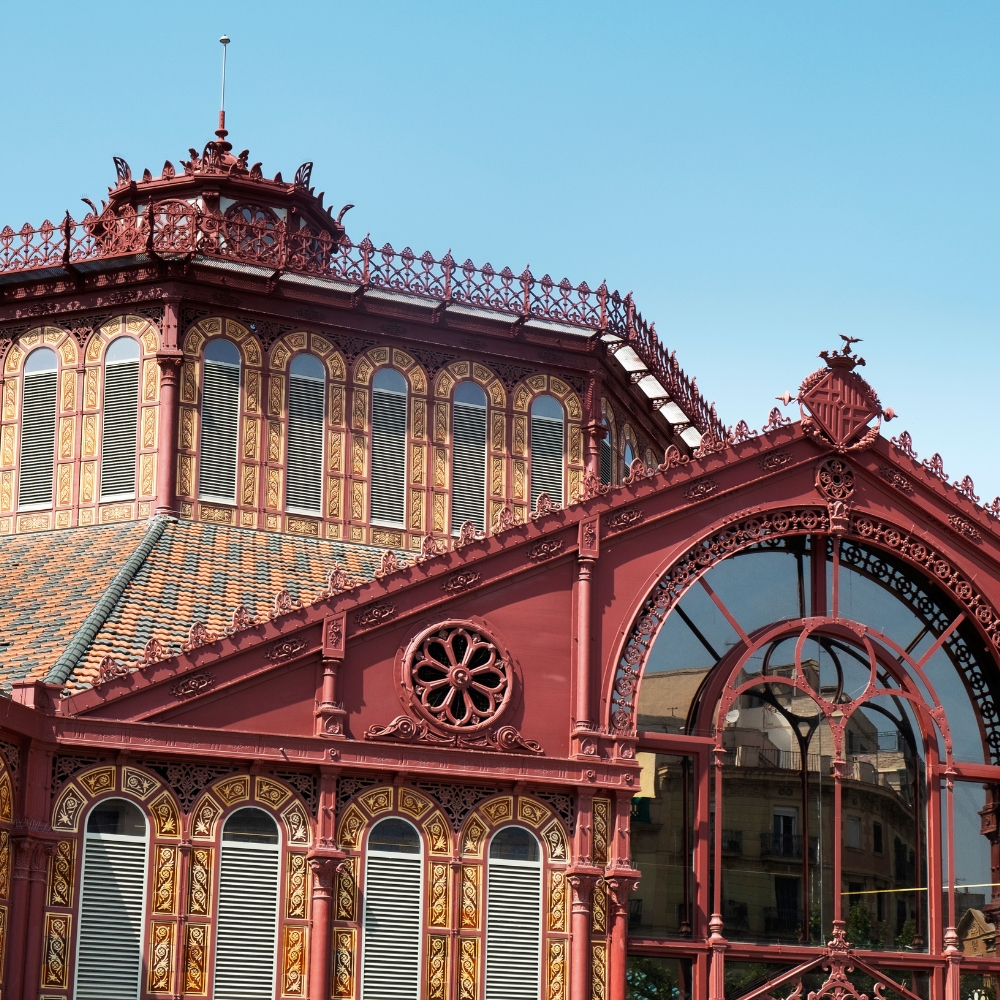
Sant Antoni, between Poble-sec and Eixample, has rapidly gentrified, transforming from working-class neighborhood to trendy residential area. The recently renovated Mercat de Sant Antoni, a stunning iron structure, serves as the neighborhood’s heart, hosting a fantastic food market downstairs and restaurants upstairs.
The neighborhood offers Eixample’s grid layout and wide sidewalks with more local atmosphere and lower prices. Independent cafés, wine bars, and restaurants have proliferated, creating a dining scene that rivals more famous districts. The Sunday book market around the mercat attracts locals browsing for secondhand books, vintage magazines, and collectibles.
Staying in Sant Antoni means good metro access (several lines cross the neighborhood), proximity to both Montjuïc and central Barcelona, authentic neighborhood atmosphere, and better accommodation value than Eixample proper. Hotels and apartments here generally cost 20-30% less than comparable properties a few blocks into Eixample.
Sants, further west, remains more working-class and authentically local. The neighborhood hosts Barcelona’s main train station (Sants Estació), making it convenient for travelers arriving by train or needing easy access to the airport train. While lacking major tourist attractions, Sants offers very affordable accommodation, excellent public transport, and genuine neighborhood life.
Both Sant Antoni and Sants appeal to travelers who’ve visited Barcelona before and want deeper local experiences, or those prioritizing budget and authenticity over proximity to major sites. These neighborhoods see very few tourists despite being just 10-15 minutes by metro from central attractions.
Accommodation Types and Booking Tips – Barcelona Neighborhood Guide
Beyond choosing the right neighborhood, selecting the appropriate accommodation type and employing smart booking strategies can significantly enhance your Barcelona experience and budget.
Hotels: From Boutique to Luxury
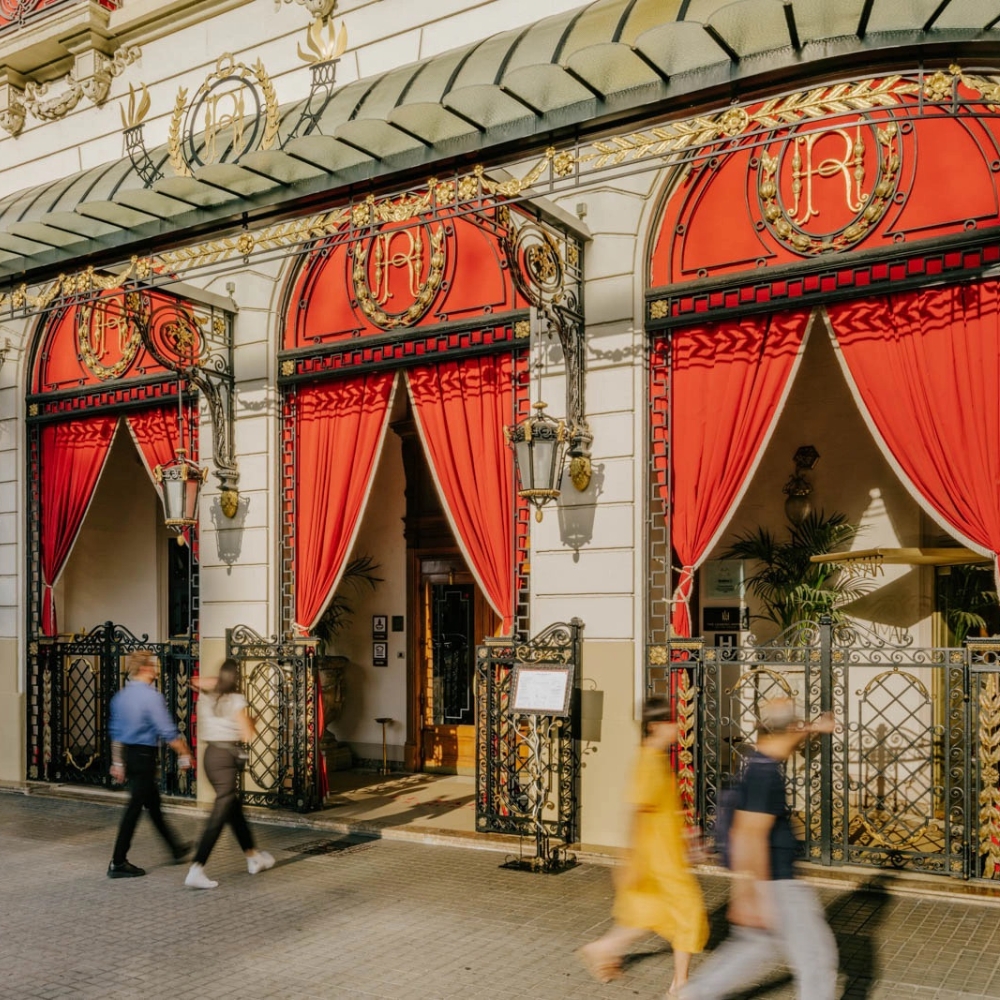
Barcelona’s hotel scene spans the full spectrum, from international luxury chains to intimate boutique properties housed in historic buildings. The city excels particularly in boutique hotels, often occupying renovated modernist apartments, medieval palaces, or converted industrial spaces that provide unique character alongside modern amenities.
Luxury hotels concentrate along Passeig de Gràcia and in the Gothic Quarter, offering rooftop pools, Michelin-starred restaurants, spa facilities, and impeccable service. These properties often occupy landmark buildings—staying in a Gaudí-designed structure or medieval palace adds another dimension to your Barcelona experience. Expect to pay €300-600+ per night for five-star properties, with premium suites commanding even higher rates.
Mid-range hotels (€100-250 per night) dominate most neighborhoods, offering comfortable, well-located bases without luxury frills. These properties typically provide clean, modern rooms, breakfast options, and convenient locations. In Barcelona, mid-range often delivers excellent value, particularly in emerging neighborhoods like Sant Antoni or Poblenou where newer hotels compete on quality rather than location premium.
Boutique hotels, which can fall anywhere on the price spectrum, emphasize design, personalized service, and unique character. Barcelona’s boutique properties frequently feature innovative interior design, rooftop terraces, small pools, and carefully curated atmospheres. These hotels typically have fewer rooms (often 15-40), creating more intimate, personalized experiences than large chain hotels.
Budget hotels (€50-100 per night) exist throughout Barcelona, though quality varies considerably. In tourist-heavy areas like near Las Ramblas, this price point often means very basic, small rooms in older buildings. However, in neighborhoods like Gràcia, Poble-sec, or Sants, the same budget might secure recently renovated, well-managed properties with modern amenities.
When booking hotels, read recent reviews carefully, as Barcelona’s rapid neighborhood transformations mean that a hotel’s surroundings might have changed significantly even since guidebooks were published. Pay attention to comments about noise, as Barcelona’s active street life and thin walls in older buildings can mean sleepless nights in poorly-soundproofed rooms.
Hostels and Apartments
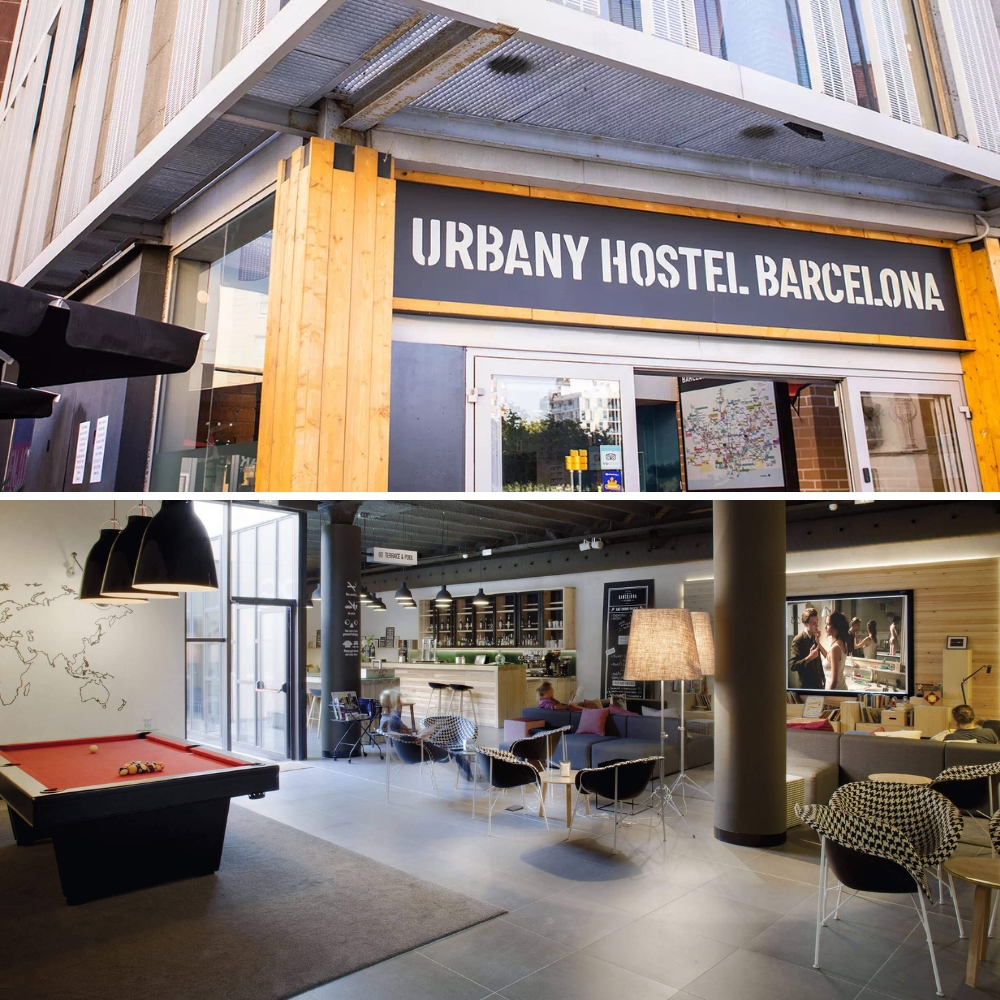
Hostels in Barcelona cater primarily to younger travelers and backpackers, offering dormitory beds from €15-40 per night and private rooms from €50-100. The city’s hostels range from party-focused establishments with organized pub crawls and nightly events to quieter, design-oriented properties emphasizing social spaces and cultural activities.
The Gothic Quarter and El Raval host the highest concentration of hostels, placing budget travelers in the historic center with easy access to major sites. However, these areas’ party reputation means noise can be significant. Hostels in Gràcia and near beaches often provide more relaxed atmospheres while maintaining social opportunities.
Modern hostels frequently offer amenities that rival budget hotels—private bathrooms, air conditioning, lockers, communal kitchens, and social spaces. Some Barcelona hostels occupy beautiful buildings with rooftop terraces, pools, or historic architectural details. For solo travelers, hostels provide built-in social opportunities and organized activities that hotels rarely match.
Apartments have become increasingly popular in Barcelona, offering more space and kitchen facilities at competitive prices. Short-term rental platforms provide countless options, from basic studios to luxury apartments in modernist buildings. Entire apartments typically cost €80-200+ per night depending on size, location, and amenities.
Advantages of apartments include more living space (particularly valuable for families or longer stays), laundry facilities, kitchens allowing you to shop at Barcelona’s fantastic markets and prepare some meals, and authentic residential experiences in neighborhood buildings. You’ll also have more privacy and independence than hotels provide.
However, apartment rentals require more research and carry more risk than hotels. Barcelona has implemented strict regulations on tourist apartments, so ensure your rental is legally licensed (look for the registration number in listings). Unlicensed apartments risk fines for owners, potentially disrupting your stay. Check-in procedures are often less convenient than hotels, sometimes requiring meeting someone at specific times or navigating self-check-in systems.
Location matters even more with apartments since you won’t have hotel concierge services—ensure the neighborhood feels safe and comfortable to you, and check proximity to metro stations if you’re hauling luggage. Read reviews carefully regarding noise, accuracy of photos, cleanliness, and host responsiveness.
Booking Strategies and Seasonal Considerations
Timing significantly impacts both availability and pricing in Barcelona. The city experiences distinct tourism seasons that savvy travelers can leverage for better deals and experiences.
Peak season runs from June through September, when beach weather attracts maximum visitors and prices reach their highest. August sees many locals leave for vacation, creating a paradox where the city is simultaneously packed with tourists yet many neighborhood restaurants and shops close for several weeks. July and early September often provide better experiences than August—warm beach weather with slightly fewer crowds and more establishments open.
Shoulder seasons (April-May and October-November) offer Barcelona’s best combination of pleasant weather, manageable crowds, and reasonable prices. May and October are particularly lovely, with warm days, fewer tourists than summer, and most attractions fully operational. Hotel prices typically drop 20-40% from peak season rates, and you’ll find better availability at popular restaurants and easier access to major sites.
Winter (December-March) brings Barcelona’s lowest prices and smallest crowds, though weather remains mild by northern European standards. You can often find exceptional hotel deals, sometimes 50% less than summer rates. However, beach activities become less appealing, and days are shorter. The Christmas season (late November through early January) sees prices increase temporarily due to holiday visitors.
For booking strategies, flexibility often yields savings. Booking several months in advance can secure better rates at popular hotels, particularly for peak season travel. However, last-minute deals sometimes emerge, especially for shoulder and low seasons, as hotels try to fill empty rooms. Comparison sites help identify competitive rates, though booking directly with hotels sometimes provides better cancellation policies or extras.
Consider accommodation location relative to your arrival time and departure logistics. If arriving late at night or departing very early, proximity to metro stations or the airport train becomes more important than neighborhood character. Similarly, if visiting primarily for a specific event (conference, concert, festival), prioritizing proximity to that venue over general tourist attractions makes sense.
Package deals combining flights and hotels occasionally offer savings, though Barcelona’s competitive accommodation market means independent booking often provides better value and flexibility. However, packages can simplify planning and provide protection if travel disruptions occur.
Loyalty programs matter if you regularly use specific hotel chains—the points and perks can provide significant value. However, don’t let loyalty override choosing the right neighborhood for your Barcelona experience. A slightly cheaper chain hotel in a less suitable location might save money but cost you valuable time and enjoyment.
Finally, cancellation policies deserve careful attention. Barcelona’s popularity means last-minute room-shopping can be difficult during peak seasons, so book early. However, ensure you understand cancellation terms—flexible rates cost more but provide insurance against changed plans. In uncertain times, this flexibility proves particularly valuable.
……and finally!
Barcelona’s neighborhood diversity means there’s genuinely no single “best” place to stay—the ideal choice depends entirely on your priorities, budget, and travel style. First-time visitors often prefer central locations like Eixample or the Gothic Quarter for easy access to major attractions and tourist infrastructure. Repeat visitors frequently venture to more local neighborhoods like Gràcia, Poble-sec, or Poblenou, trading some convenience for authentic experiences and better value.
Beach lovers obviously gravitate toward Barceloneta and Poblenou, accepting the distance from central cultural sites in exchange for Mediterranean access. Architecture enthusiasts might prioritize Eixample’s modernist concentration. Food-focused travelers could choose El Born or Poble-sec for their culinary scenes. Families often find Gràcia’s village atmosphere and Eixample’s spacious streets most comfortable.
The beauty of Barcelona’s compact size and excellent public transport is that no neighborhood choice is truly wrong—you’re rarely more than 20 minutes from anywhere you want to be. Understanding each area’s character simply helps you choose the Barcelona experience that most appeals to you, whether that’s waking to medieval church bells, having coffee in local-filled plazas, or falling asleep to the sound of Mediterranean waves.
Consider visiting multiple neighborhoods even if you can only stay in one. Barcelona rewards exploration, and the metro system makes neighborhood-hopping easy. Staying in Eixample doesn’t prevent you from spending evenings in Poble-sec’s tapas bars, and basing yourself in Gràcia doesn’t stop you from enjoying Barceloneta’s beaches. Many experienced travelers actually prefer staying slightly outside the main tourist zones, finding that the commute to major sites proves minimal while their evenings in authentic neighborhoods provide richer experiences.
The accommodation landscape continues evolving as neighborhoods gentrify and new areas emerge. Sant Antoni’s recent transformation shows how quickly Barcelona neighborhoods can change character. Areas once considered too far out or lacking interest suddenly become desirable as creative businesses move in and infrastructure improves. This dynamism keeps Barcelona fresh even for frequent visitors—there’s always a new neighborhood to discover or a familiar area that’s evolved since your last visit.
Budget travelers should particularly consider looking beyond obvious tourist neighborhoods. The price difference between a basic room near Las Ramblas and a modern, spacious apartment in Sant Antoni or Sants can be dramatic, often 30-50% less for objectively better accommodation. The trade-off is simply a 10-15 minute metro ride to major attractions—time you’d likely spend anyway if staying in a large hotel with slow elevators and breakfast queues.
Accessibility considerations may narrow your neighborhood choices. Travelers with mobility challenges should prioritize Eixample’s wide sidewalks and modern buildings with elevators, avoiding the Gothic Quarter’s medieval streets and buildings. Barcelona’s metro has improved accessibility significantly, with many stations now featuring elevators, though not all lines are equally equipped. Checking your specific accommodation’s accessibility features and nearby transport options before booking prevents difficult surprises upon arrival.
Seasonal neighborhood character can also influence decisions. Barceloneta’s appeal in summer—vibrant beach culture, outdoor dining, Mediterranean swimming—transforms considerably in winter when beach activities diminish and weather drives life indoors. Similarly, Gràcia’s outdoor plaza culture becomes less central during colder months. If visiting off-season, neighborhoods whose appeal centers on outdoor activities and spaces might not deliver the experience you’re imagining based on summer photos and descriptions.
Group dynamics matter too. Solo travelers might prioritize hostels with social atmospheres or neighborhoods like El Born and Poble-sec where solo dining feels natural at communal tapas bars. Couples often prefer romantic neighborhoods like the Gothic Quarter or boutique hotels in Eixample. Friend groups might choose apartments with multiple bedrooms in residential areas like Gràcia or Poblenou. Understanding how your travel group functions—whether you split up to explore independently or prefer staying together—should influence both neighborhood and accommodation type choices.
Length of stay impacts ideal neighborhoods differently. For a quick 2-3 day Barcelona introduction, central locations maximize sightseeing efficiency and minimize transit time. However, for week-long stays or longer, residential neighborhoods provide more sustainable, relaxed experiences. Living in Gràcia for a week, establishing routines at local cafés and markets, creates different memories than tourist-focused sightseeing. Many travelers find their longer Barcelona stays most rewarding when they embrace slower, neighborhood-based rhythms rather than maintaining intensive tourist pace.
Ultimately, Barcelona’s magic lies not just in Gaudí’s buildings or Gothic architecture, but in the lived experience of its neighborhoods—the morning bustle of markets, the evening paseo along tree-lined streets, the neighborhood festivals that close entire districts for days of celebration. Your accommodation choice determines which version of Barcelona you’ll experience most intimately. Whether you’re sipping vermouth in a Gràcia plaza, watching sunset from Montjuïc, navigating Gothic Quarter’s medieval maze, or falling asleep to Mediterranean waves, you’re experiencing authentic facets of this multifaceted city.
Research your options thoroughly, but also trust your instincts about what kind of experience appeals to you. Barcelona rewards both careful planning and spontaneous discovery. The neighborhood you choose for accommodation provides your home base, but the entire city remains accessible for exploration. By understanding each area’s character, connectivity, and offerings, you’re equipped to select the Barcelona base that transforms your visit from merely good to genuinely unforgettable.