Barcelona is one of Europe’s most exciting cities, where stunning architecture meets Mediterranean beaches and world-class food. This Spanish city draws millions of visitors each year with its unique mix of Gothic history, modernist buildings, vibrant culture, and seaside location. This Barcelona Travel Guide will help you make the most of your time, whether you’re planning a quick weekend trip or a longer stay.
This guide covers everything from choosing the best time to visit and finding the right neighborhood to stay in, to getting around the city and discovering top attractions like the Sagrada Família and Park Güell. You’ll also find practical tips on transportation options, where to eat authentic Catalan food, and how to experience Barcelona like a local rather than just another tourist.
Your Complete Barcelona Travel Guide
In this Barcelona Travel Guide, you’ll find everything from choosing the best time to visit and finding the right neighborhood to stay in, to getting around the city and discovering top attractions like the Sagrada Família and Park Güell. You’ll also find practical tips on transportation options, where to eat authentic Catalan food, and how to experience Barcelona like a local rather than just another tourist.
Barcelona works for different types of travelers. You can spend your days exploring Gaudí’s masterpieces, relaxing on the beach, wandering through medieval streets, or enjoying tapas at local bars. The city is walkable, affordable, and offers something new around every corner.
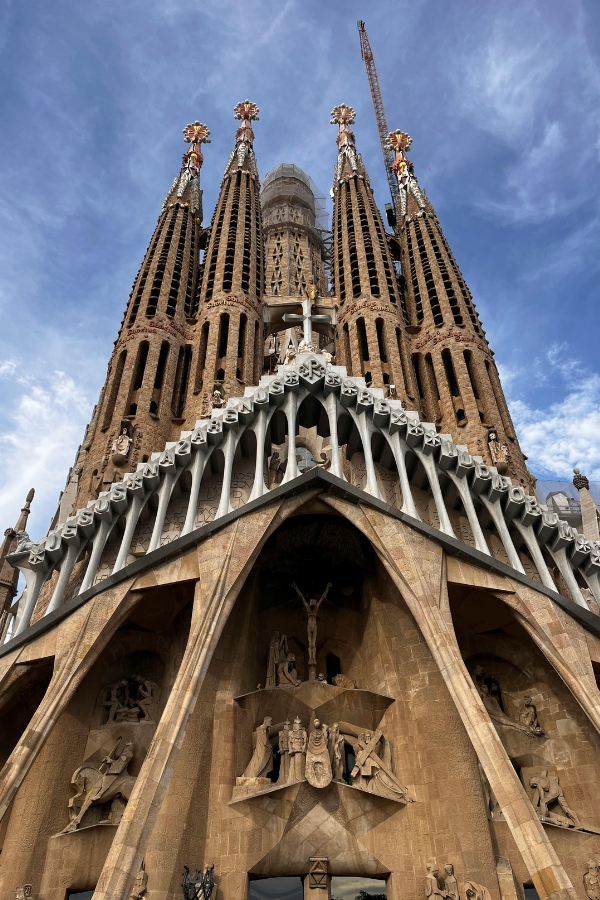
Basilica de Sagrada Família
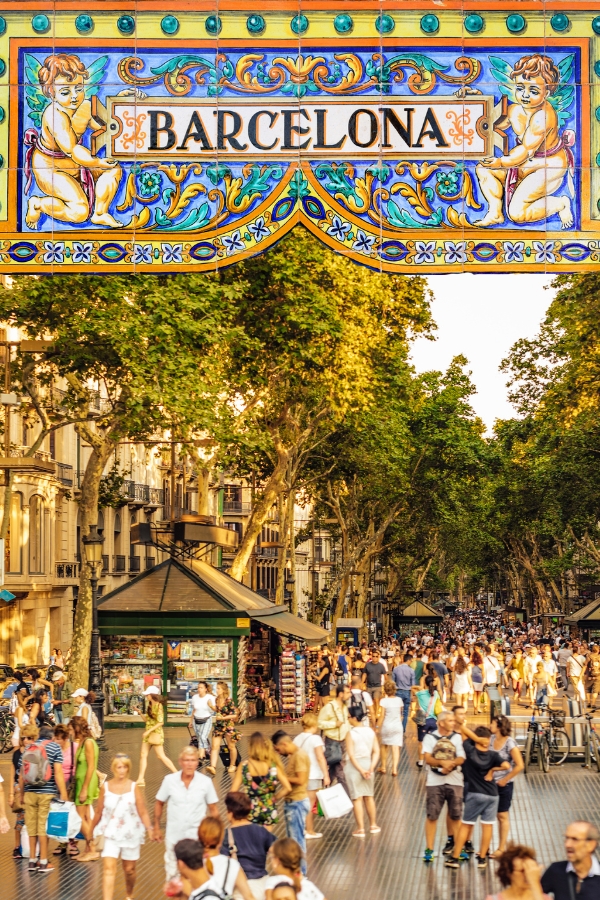
Barcelona La Rambla
Why Visit Barcelona
Barcelona combines ancient Roman history with cutting-edge design, Mediterranean beaches with Gothic architecture, and world-class museums with lively street life. The city offers something meaningful for every type of traveler, whether you’re seeking culture, relaxation, or adventure.
Top Reasons to Explore Barcelona
You’ll find architectural masterpieces unlike anywhere else on earth. Antoni Gaudí’s Sagrada Família, Park Güell, and Casa Batlló showcase the Modernist movement that transformed the city in the early 1900s. These aren’t just buildings to photograph—they’re full sensory experiences with color, light, and organic shapes.
The city sits directly on the Mediterranean coast, giving you access to sandy beaches within minutes of major attractions. You can spend your morning exploring Gothic cathedrals and your afternoon swimming in warm, clear water.
Barcelona’s food scene ranks among Europe’s best. You’ll taste fresh seafood paella, authentic tapas, jamón ibérico, and Catalan specialties like pa amb tomàquet. The city has everything from casual tapas bars to Michelin-starred restaurants.
Walkable neighborhoods make exploring easy and enjoyable. Each district has its own personality, from the medieval lanes of the Gothic Quarter to the wide, tree-lined streets of Eixample. Public transportation connects everything efficiently.
Barcelona’s Unique Charm
Barcelona is the capital of Catalonia, a region with its own language, customs, and cultural identity. You’ll notice signs in Catalan, hear locals speaking the language, and experience traditions distinct from the rest of Spain.
The city balances 2,000 years of history with modern energy. Roman walls stand beside contemporary art galleries. Medieval markets operate next to innovative restaurants. This mix creates a dynamic atmosphere where old and new coexist naturally.
Barcelona’s climate supports year-round visits. Winters stay mild compared to northern Europe, while summers offer long, sunny days perfect for beach activities. Spring and fall bring comfortable temperatures ideal for walking tours and outdoor dining.
The compact size means you can see major sights without rushing. Most attractions sit within a 30-minute metro ride of each other. You won’t waste time on long transfers between destinations.
Barcelona for Different Types of Travelers
Families benefit from child-friendly beaches, playgrounds in nearly every plaza, and attractions that engage kids. The hop-on hop-off bus solves transportation challenges with tired children. Many restaurants welcome families and serve early dinners that fit kids’ schedules.
Couples find romantic settings throughout the city. Watch sunsets from Montjuïc Hill, stroll through lamplit Gothic Quarter streets, or share tapas at intimate neighborhood bars. The combination of beaches, architecture, and excellent dining creates perfect conditions for romantic getaways.
Culture enthusiasts can spend days visiting museums, galleries, and historic sites. The Picasso Museum, MNAC, Barcelona Cathedral, and Gaudí buildings provide endless exploration opportunities. The city’s artistic legacy extends from Roman times through medieval periods to modern movements.
Beach lovers get urban convenience with seaside access. Barceloneta, Nova Icaria, and Bogatell beaches offer different atmospheres, all within the city limits.
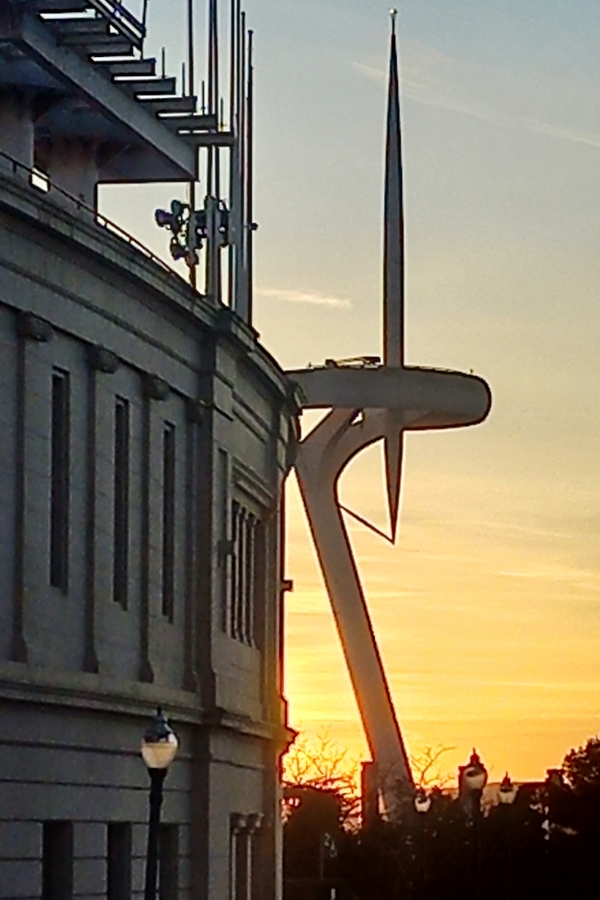
Sunset Montjuic – Olympic Ring taken in January 2025
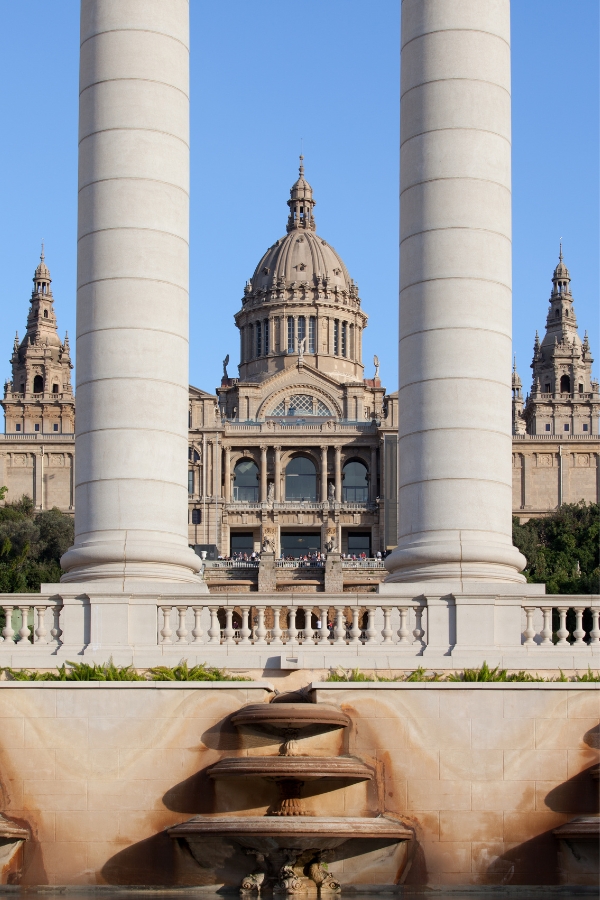
Museu Nacional d’Art de Catalunya (MNAC)
Best Time to Visit Barcelona
May through June offers the best weather and experience for most visitors, with comfortable temperatures in the low-to-mid 70s°F (21-24°C) and beaches warm enough for swimming. September and October provide similar conditions with fewer crowds and lower prices.
Seasonal Weather Overview
Barcelona’s Mediterranean climate means mild winters and hot summers. Spring temperatures range from 55-75°F (13-24°C), making it comfortable for walking tours and outdoor exploration. Summer months of July and August can reach 83°F (28°C) or higher, with beaches becoming the main attraction.
Fall brings temperatures back down to 60-80°F (16-27°C) in September, cooling further as November approaches. Winter stays relatively mild, with daytime highs around 55-60°F (13-16°C). Rain is most common in October and November, though it rarely lasts more than a few days.
You won’t need heavy winter clothing even in the coldest months. A light jacket and layers work well for winter visits, while summer requires sunscreen and breathable fabrics.
Barcelona in Spring and Fall
Spring (March-May) and fall (September-November) are ideal if you want to avoid extreme heat and massive crowds. You’ll find shorter lines at La Sagrada Familia and Park Güell during these shoulder seasons.
March through April temperatures sit between 55-68°F (13-20°C), perfect for exploring neighborhoods like the Gothic Quarter without overheating. Parks and gardens display vibrant colors in spring, particularly at Parc de la Ciutadella and the Botanical Gardens.
September maintains summer warmth without the August crowds, with beach weather lasting well into the month. October brings wine harvest season to nearby regions, creating opportunities for food and wine festivals. Hotel rates drop significantly compared to peak summer months, stretching your budget further for dining and attractions.
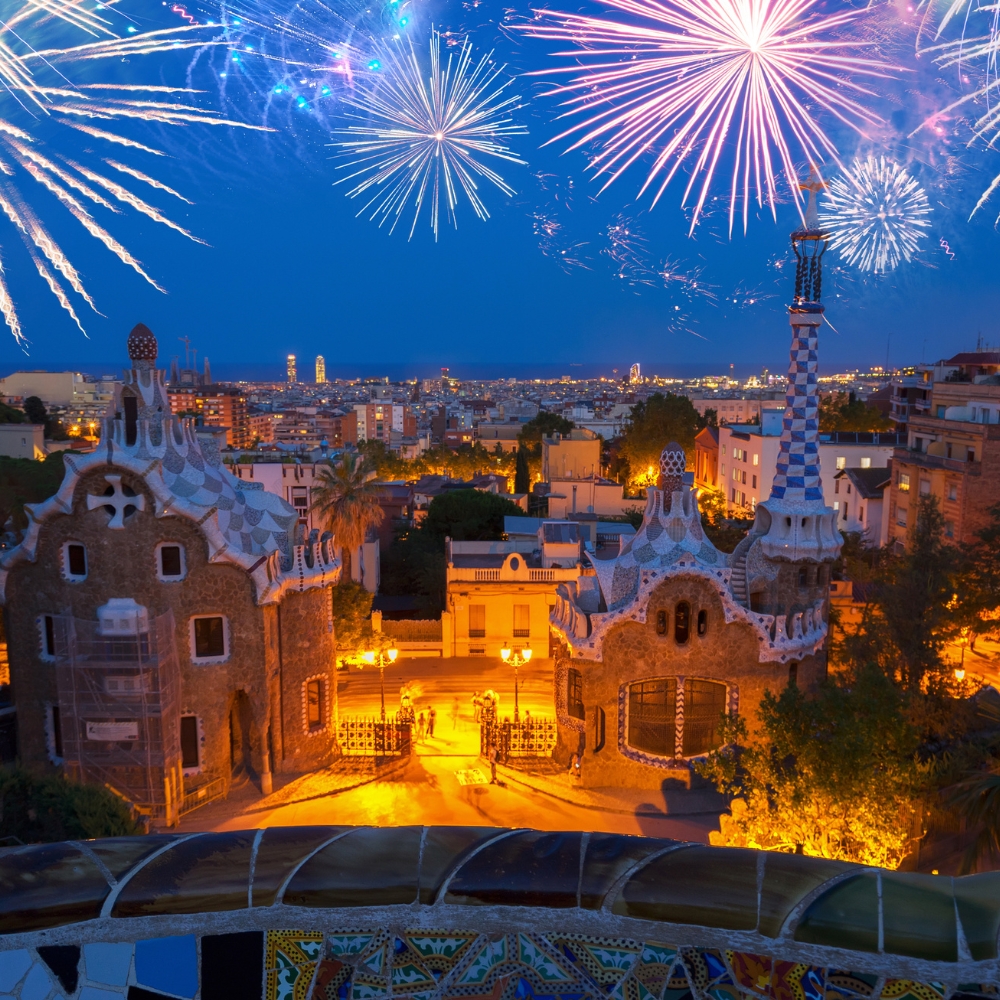
Festivals and Major Events
Sant Joan on June 23-24 transforms Barcelona’s beaches into all-night celebrations with bonfires and fireworks. This midsummer festival draws both locals and visitors for one of the city’s wildest nights of the year.
La Mercè festival in late September honors Barcelona’s patron saint with street performances, concerts, and human tower competitions called castells. The city offers free museum entry and cultural events throughout the week-long celebration.
August features Festa Major de Gràcia, where neighborhoods compete to create the most elaborate street decorations. Christmas markets and holiday lights fill December, particularly along the main boulevards and in front of the cathedral.
Visiting Barcelona in January and Other Months
Barcelona in January offers the lowest hotel rates and smallest crowds of the year. Temperatures range from 45-55°F (7-13°C), too cool for beach activities but comfortable for museum visits and indoor attractions.
You’ll walk through Park Güell and tour the Picasso Museum without fighting through crowds. Restaurants are easy to book, and you can actually see the architectural details of Gaudí’s buildings without tourists blocking your view. Pack layers and a light rain jacket for occasional drizzle.
July and August bring peak crowds, highest prices, and intense heat. Beach clubs and nightlife reach maximum energy, but expect long lines at major attractions. February maintains January’s quiet atmosphere with slightly warmer weather, making it another budget-friendly option for city exploration.
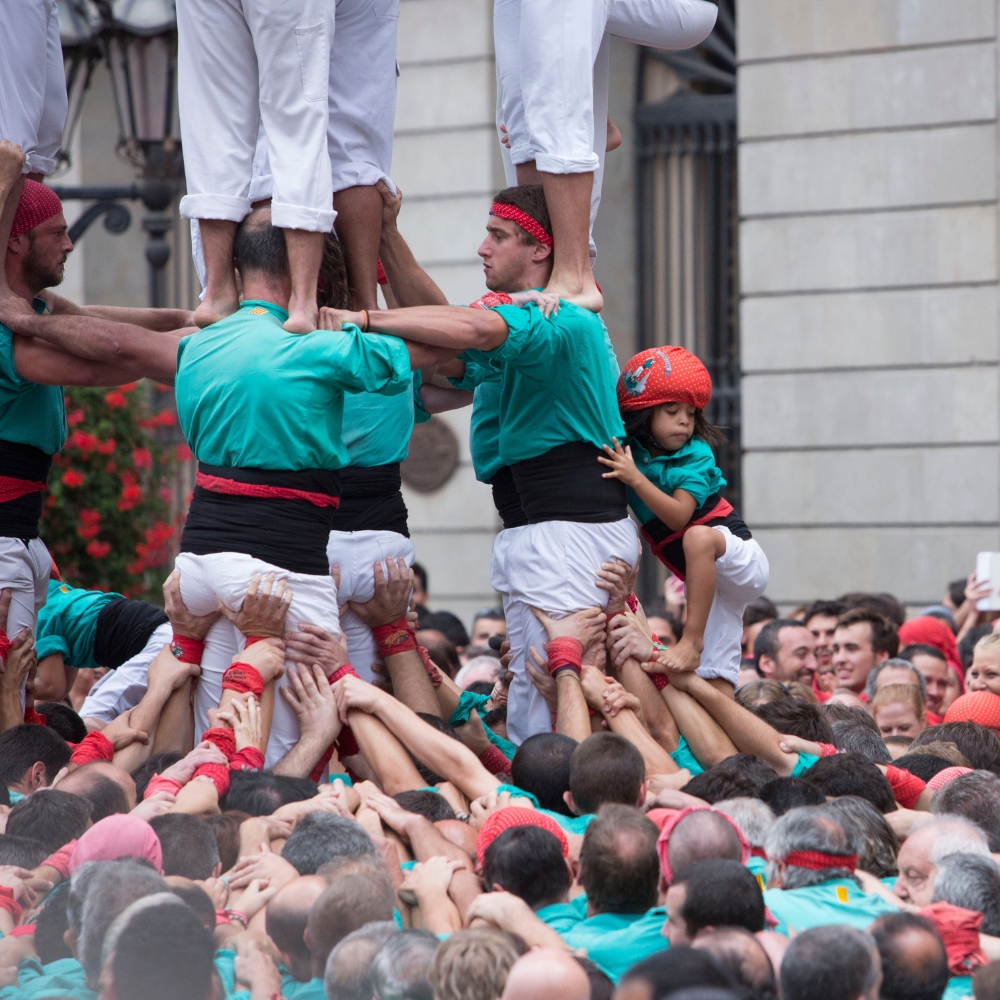
La Mercè Festival
Getting to Barcelona
Barcelona connects to major cities worldwide through multiple airports and an extensive rail network. Most visitors arrive at El Prat Airport, though some budget flights use nearby alternatives.
By Air: El Prat Airport and Other Airports
El Prat Airport (BCN) sits about 7 miles southwest of Barcelona’s city center. It’s the main international airport serving the city and handles most major airlines from Europe, North America, and beyond.
The airport has two terminals. Terminal 1 (T1) serves most international flights, while Terminal 2 (T2) handles budget carriers and some European airlines. A free shuttle bus connects both terminals every 6-7 minutes.
Girona-Costa Brava Airport operates about 65 miles north of Barcelona. Ryanair and other budget airlines use this airport. The journey to Barcelona takes 70-90 minutes by bus.
Reus Airport is another budget option, located about 70 miles south of the city. It mainly serves seasonal flights and requires a longer transfer time into Barcelona.
By Train or Bus
Sants Station is Barcelona’s main railway hub. High-speed trains connect Barcelona to Madrid (2.5-3 hours), Valencia, and other Spanish cities. International trains arrive from France and other European destinations.
You can also reach Barcelona by bus from cities across Spain and Europe. The main bus station, Estació del Nord, handles most long-distance routes. Buses typically cost less than trains but take longer.
Transfers and Transport from the Airport
From El Prat Airport (BCN), you have several options to reach the city center:
- Aerobús runs every 5-10 minutes to Plaça Catalunya. The journey takes about 35 minutes and costs around €6-7 one way.
- Metro Line L9 Sud connects both terminals to the city. It’s cheaper than the Aerobús but requires transfers for most destinations.
- Trains (Renfe) run from Terminal 2 to Sants Station and other stops. Terminal 1 passengers must take the shuttle to Terminal 2 first.
- Taxis charge a flat rate of about €30-35 to central Barcelona. Private transfers and ride-sharing services are also available.
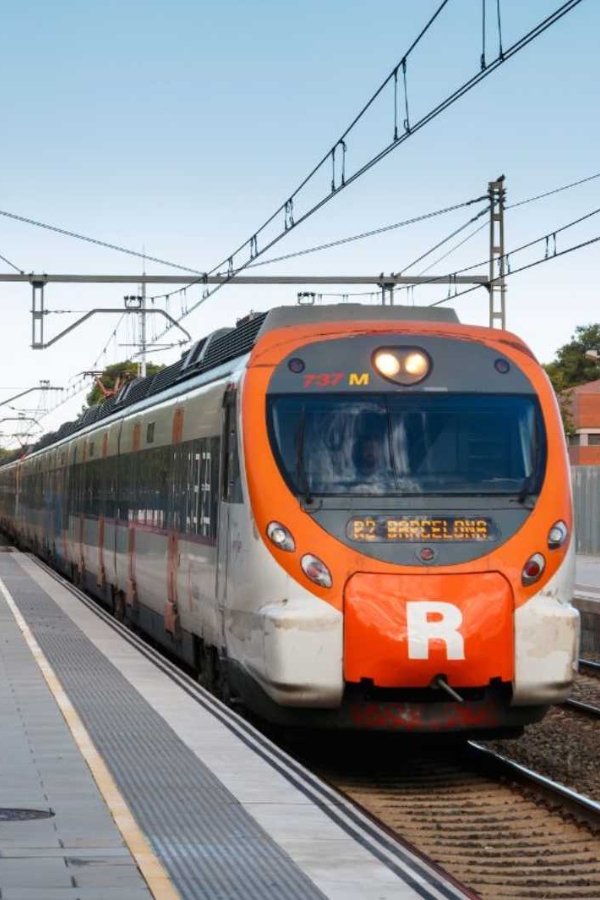
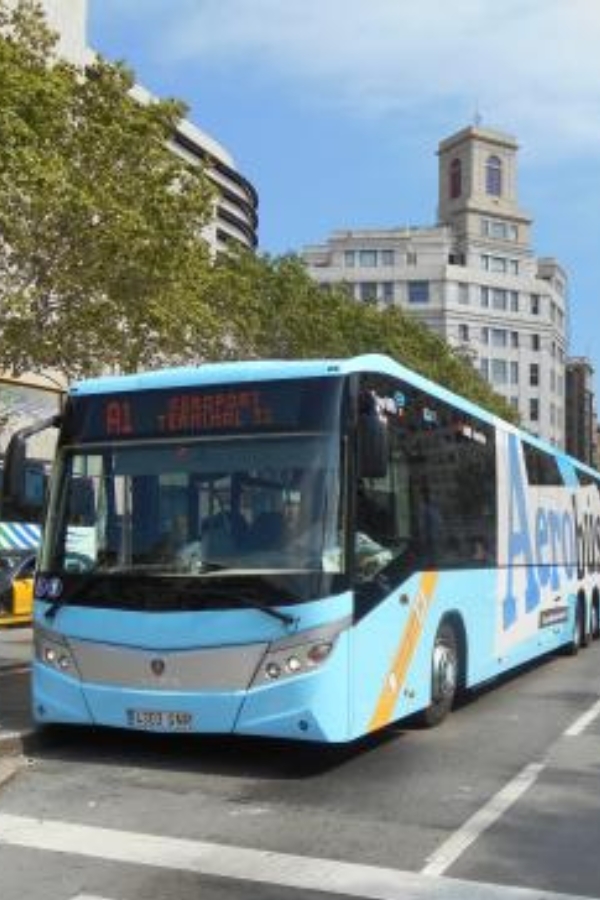
How to Get Around Barcelona
Barcelona has a well-developed transportation system that makes moving around the city straightforward and affordable. You can choose from metro lines, buses, taxis, bikes, or simply walk through the compact city center depending on your destination and preferences.
Using the Metro and Other Public Transport
The Barcelona Metro is the fastest and most efficient way to navigate the city. It operates eight color-coded lines connecting over 150 stations across Barcelona, running from 5:00 AM to midnight on weekdays and extending to 2:00 AM on weekends.
A single metro ticket costs €2.40, but you’ll save money with a T-Casual card that includes 10 rides for around €12.15. The metro connects major attractions like La Sagrada Família, Park Güell, and Barceloneta Beach.
Beyond the metro, Barcelona’s bus network covers areas the underground doesn’t reach. The NitBus night service runs from 10:30 PM to 5:00 AM when the metro closes. Trams operate on six lines serving the outer neighborhoods and are less crowded than buses.
All public transport uses the same ticketing system, so you can switch between metro, bus, and tram within a 75-minute window on a single ticket. The TMB app shows real-time schedules and helps you plan the quickest routes.
Taxis and Ride-Sharing
Barcelona’s official taxis are black and yellow vehicles you can hail on the street or find at designated taxi stands throughout the city. The starting fare is approximately €2.50, with additional charges based on distance and time.
You can book taxis through apps like AMB Taxi Barcelona or Free Now. Having your destination written down or pulled up on Google Maps helps if your driver doesn’t speak English.
Uber doesn’t operate in Barcelona, but Cabify works as a reliable alternative. Download the app to see fare estimates before booking, and watch for promotional discounts that can make rides cheaper than traditional taxis.
Both options are safe for late-night travel and useful when you’re carrying luggage or heading to the airport.
Walking and Biking in Barcelona
Walking is the best way to discover Barcelona’s hidden gems, especially in neighborhoods like the Gothic Quarter and El Born where narrow streets aren’t accessible by vehicle. The city center is compact, and you’ll find tapas bars, street art, and historic plazas around every corner.
Wear comfortable shoes since you’ll encounter cobblestone streets and hills in areas like Montjuïc.
Barcelona is bike-friendly with dedicated lanes and mostly flat terrain in central areas. You can rent bikes from shops or services like Donkey Republic for around €10 per day. Electric scooters are available through apps like Reby, Bird, or Lime for about €1 to unlock plus per-minute charges.
Stick to bike lanes and avoid sidewalks when riding.
Barcelona Card and Travel Passes
The Barcelona Card offers unlimited public transport plus discounts at museums and attractions. It covers the airport train and Montjuïc funicular, with options ranging from 2 to 5 days starting at different price points.
The Hola Barcelona Card provides unlimited metro, bus, and tram travel for 2 to 5 days, starting at €16.40 for 48 hours. It includes airport metro access and works across all main transport zones.
For shorter stays, the T-Casual card gives you 10 rides for €12.15 and works on all public transport except airport services.
You can buy these cards at airport kiosks, metro stations, or online before your trip. They eliminate the hassle of buying individual tickets and save money if you’re planning multiple trips per day.
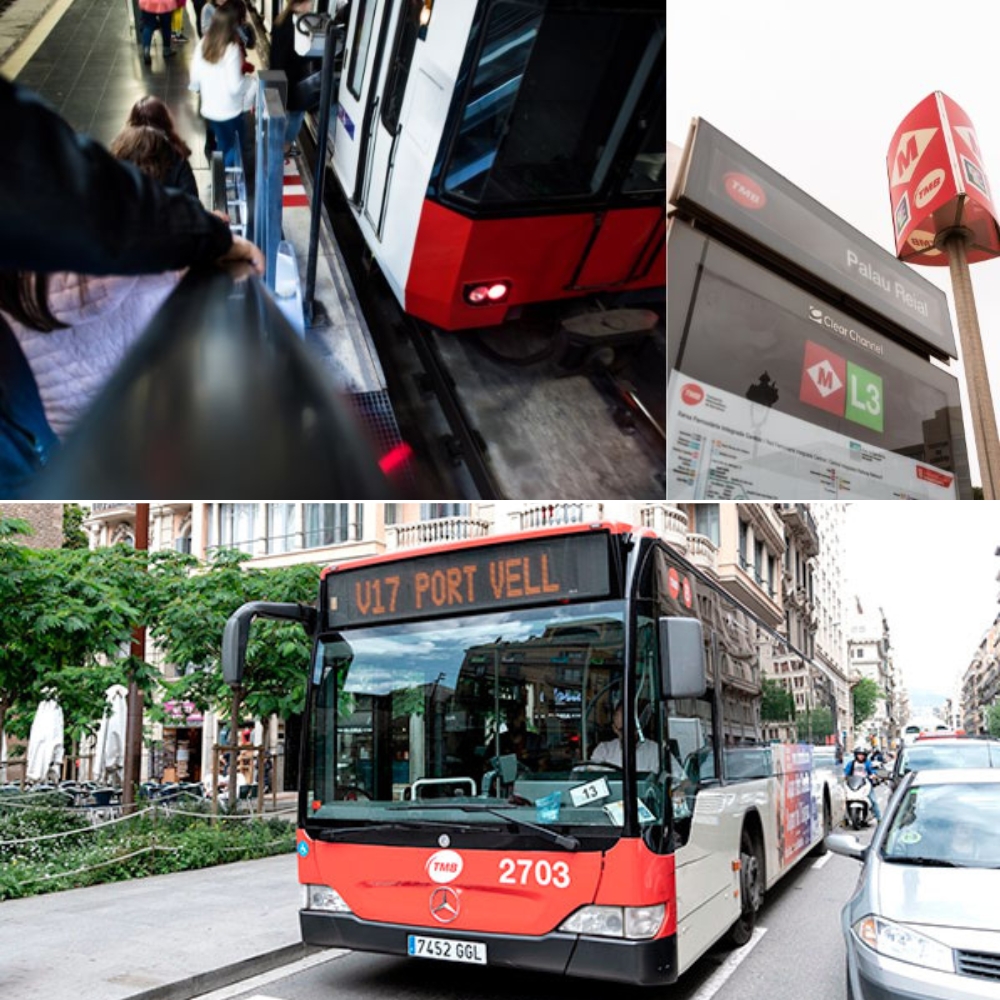
Getting around Barcelona is very easy thanks to an excellent public transport system
Where to Stay in Barcelona
Barcelona’s neighborhoods each offer distinct experiences, from medieval streets in the old town to beachfront hotels and upscale boulevards. Your choice of location shapes your entire trip, whether you prioritize proximity to landmarks, beach access, or local nightlife.
Best Neighborhoods for Accommodation
Ciutat Vella forms Barcelona’s historic core and includes several key areas worth considering. The Barri Gòtic sits at the heart of it all, placing you within walking distance of Barcelona Cathedral, Las Ramblas, and countless tapas bars. The narrow medieval streets create an authentic Barcelona atmosphere, though they can feel crowded during peak tourist season.
El Born offers a more refined version of the old town experience. You’ll find boutique hotels tucked into restored buildings, plus the Picasso Museum and Santa Maria del Mar basilica nearby. The neighborhood attracts a mix of locals and visitors, creating a balanced energy.
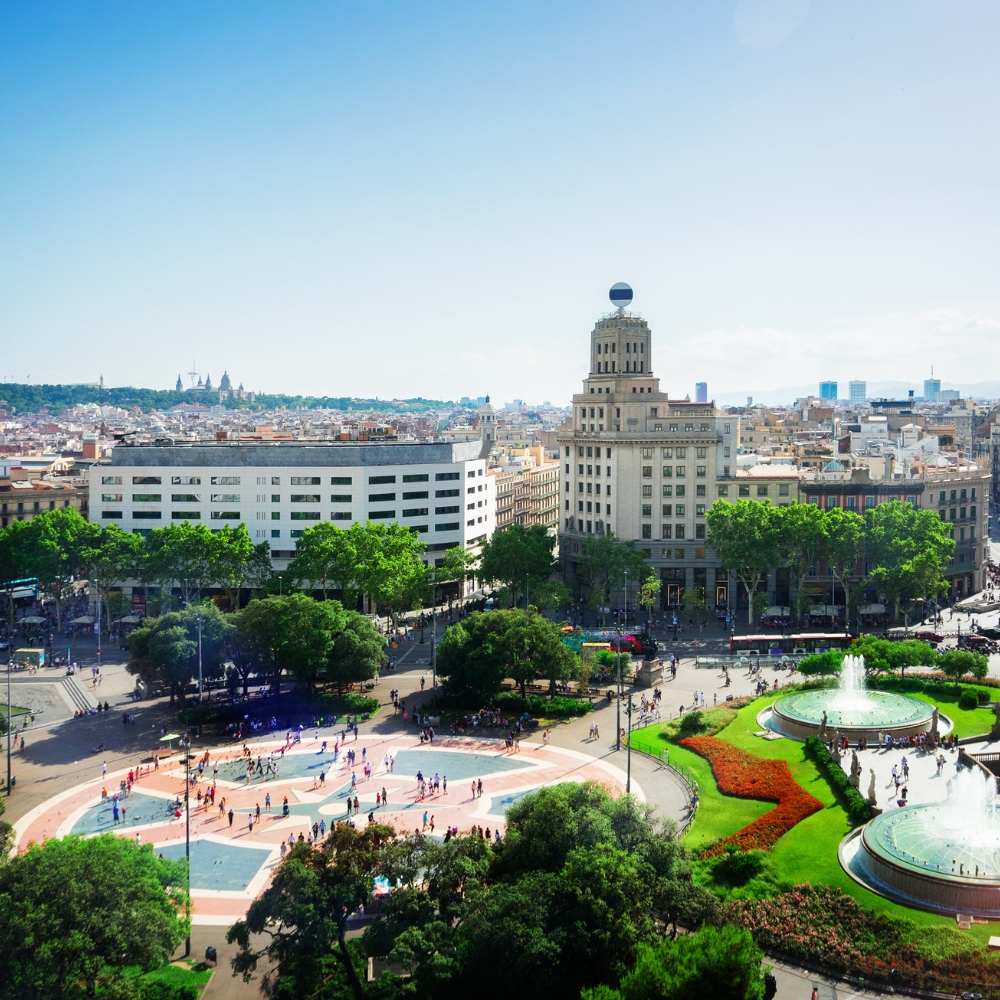
Eixample spreads north of Plaça Catalunya with its distinctive grid layout and modernist architecture. This area puts you near Casa Batlló, Casa Milà, and Sagrada Família. The wide avenues and upscale feel make it popular with travelers who want polish without sacrificing central access.
Barceloneta delivers beach access right outside your hotel door. The Mediterranean coastline and seafood restaurants define this neighborhood, though it gets packed with beachgoers during summer months. Gràcia sits further north and provides a local, residential feel with plaza culture and fewer tourists.
Family-Friendly and Luxury Hotels
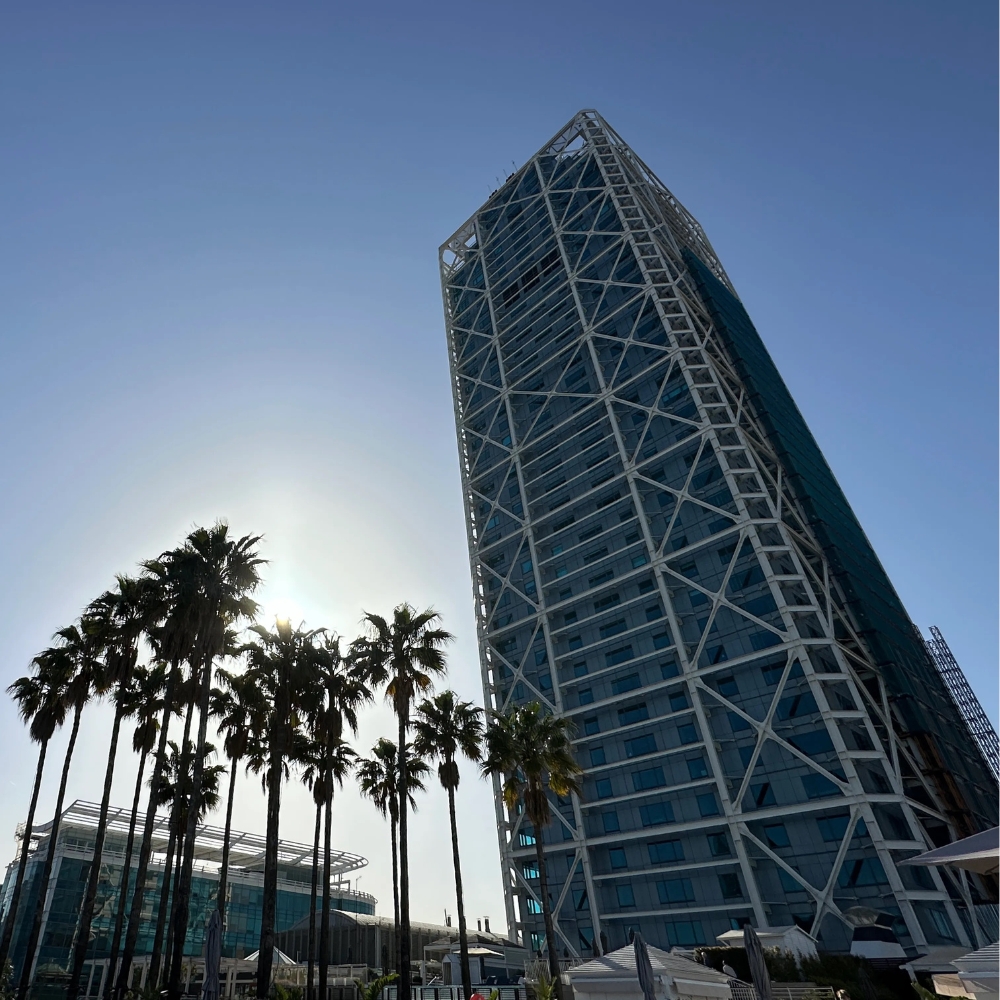
Hotel Arts Barcelona stands as one of the city’s most recognized luxury properties. The 44-story tower sits right on the beach in Barceloneta, offering sea views, multiple pools, and direct beach access. Families appreciate the spacious rooms and kid-friendly amenities.
W Barcelona provides another beachfront luxury option with its distinctive sail-shaped design. The hotel welcomes both families and pets, features multiple pools, and maintains a resort atmosphere while keeping you close to the city center.
In Eixample, you’ll find properties like Monument Hotel and Cotton House Hotel, both offering rooftop pools, spa facilities, and refined service. These hotels suit couples and families who prefer staying in a quieter, more upscale setting while remaining within walking distance of major attractions. The wider streets and planned layout of Eixample make it easier to navigate with strollers or young children.
Budget Stays and Apartments
El Raval offers some of Barcelona’s most affordable hotel options without sacrificing central location. You’ll stay within walking distance of MACBA, the Gothic Quarter, and Las Ramblas. The neighborhood has an edgier, more bohemian character than other central areas, with diverse restaurants and nightlife.
The Gothic Quarter includes budget hotels and hostels scattered throughout its medieval streets. You sacrifice space and modern amenities but gain unbeatable access to Barcelona’s main attractions.
Apartment rentals work well for longer stays or groups. Platforms offer options across all neighborhoods, with the best value typically found in Gràcia or outer parts of Eixample. Apartments in El Born and the Gothic Quarter cost more but place you in the historic center. Look for properties near metro stations if you choose a location outside Ciutat Vella, as this gives you quick access to beaches and major sights without the premium pricing of central hotels.
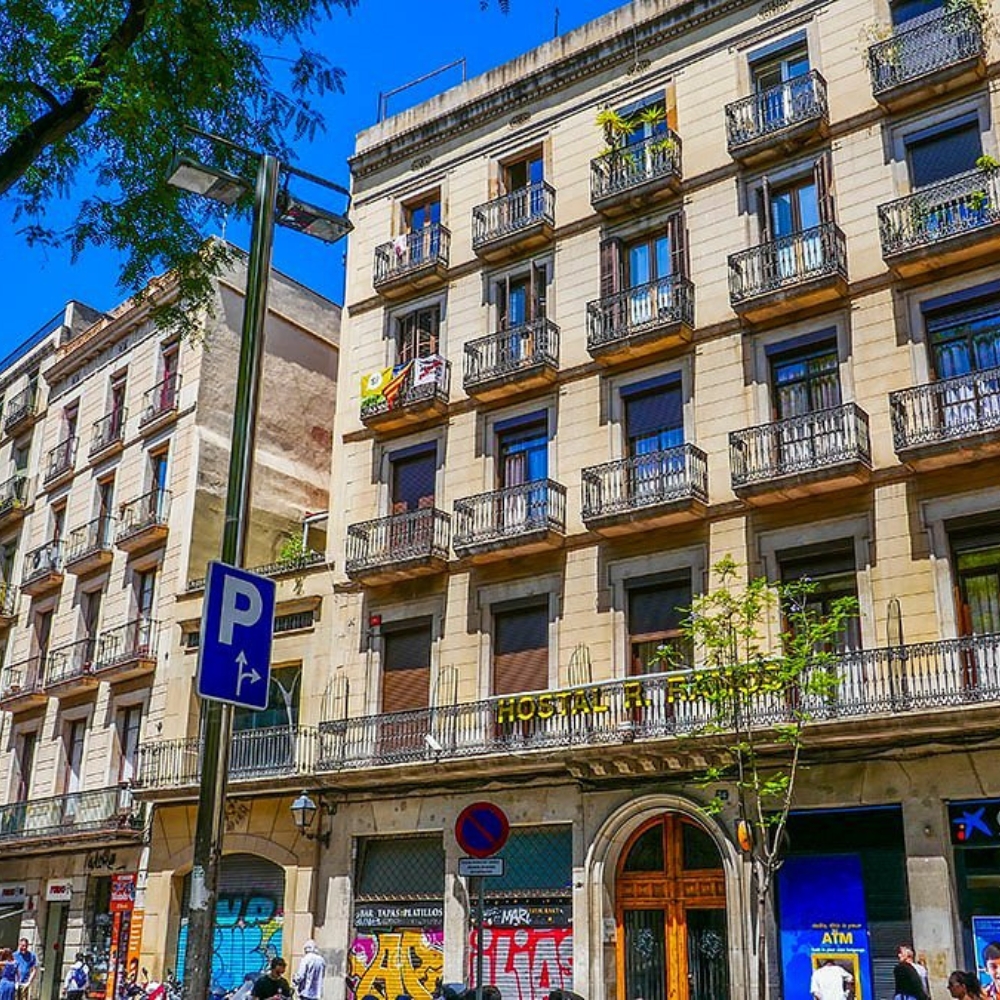
Top Attractions in Barcelona
Barcelona draws millions of visitors each year to experience Antoni Gaudí’s architectural wonders, world-class museums, and stunning viewpoints across the Mediterranean city. You’ll find everything from unfinished basilicas to medieval quarters packed into this Catalan capital.
La Sagrada Familia and Religious Landmarks
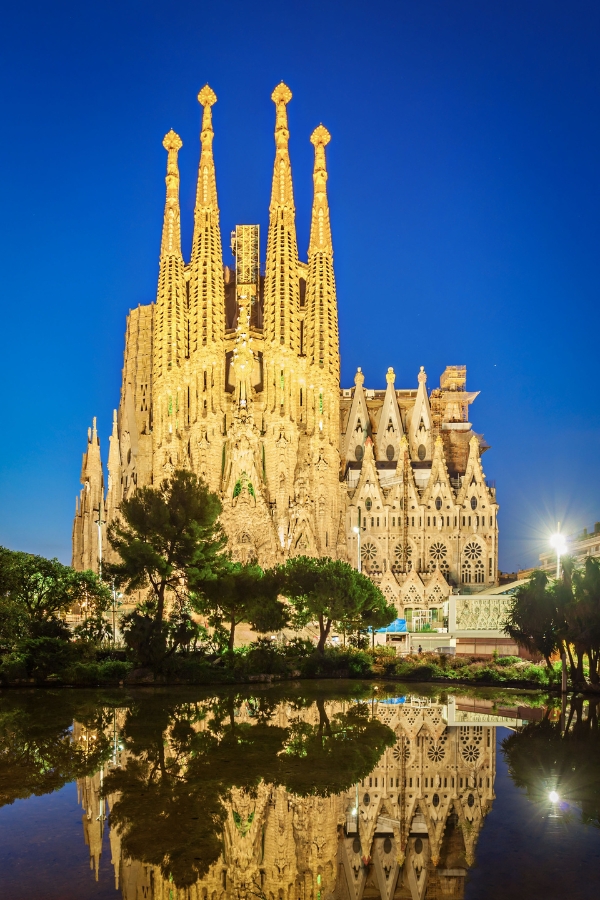
La Sagrada Familia stands as Barcelona’s most visited attraction, drawing three million tourists annually. This basilica has been under construction for over 130 years and is expected to be completed in 2026, when it will become the world’s tallest church. Gaudí’s visionary design brings together nature, light, and religion through soaring columns that mimic trees and stained glass that bathes the interior in color.
The basement museum lets you watch sculptors working on plaster-cast models in real time. You need to book tickets in advance because lines stretch around the block during peak season.
Barcelona Cathedral offers a different religious experience in the Gothic Quarter. This Cultural Heritage Site was built in Gothic style and holds the remains of Saint Eulalia, Barcelona’s patron saint, in its crypt. The cloister houses 13 white geese, one for each year of the saint’s life. On Sundays around noon, you might see locals performing the traditional Sardana dance in the square outside.
Hospital de Sant Pau, designed by Lluís Domènech i Montaner, combines healthcare history with modernist architecture across its pavilions and underground tunnels.
Gaudí’s Modernist Masterpieces
Park Güell sits high in the Horta-Guinardó neighborhood, offering sweeping views of the city and sea. This World Heritage Site features the famous mosaic salamander on the main steps, the serpent bench covered in colorful tile work, and the Chamber of 100 Columns. The Monumental Zone requires a €10 ticket, but the views and architectural details make it worth the cost.
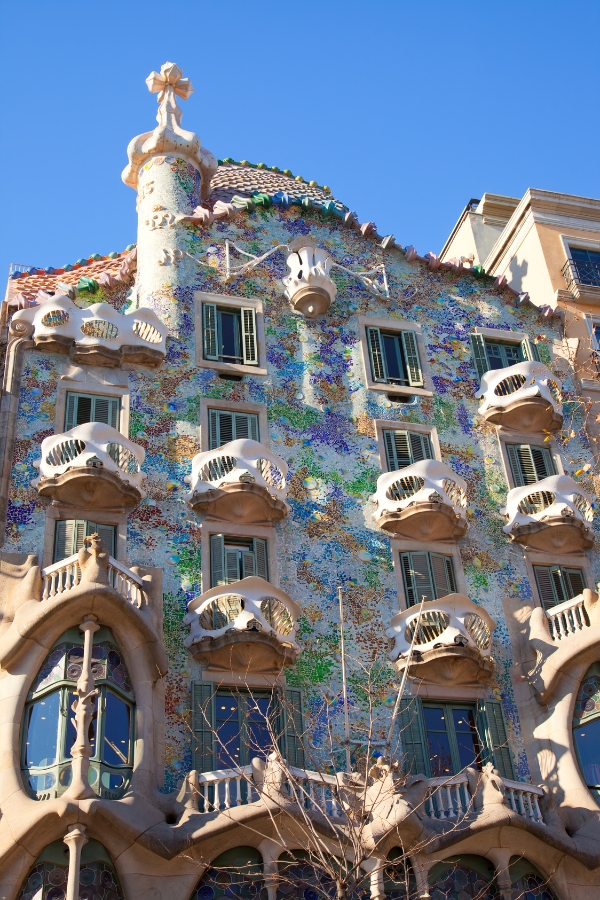
Casa Batlló showcases Gaudí’s attention to detail in every element. The textile tycoon Josep Batlló commissioned this extreme makeover between 1902 and 1906. You’ll notice curved brass door handles shaped to fit your hand, ingenious ventilation systems, and azure tiles in the inner courtyard that reflect natural light throughout the building. The roof terrace and whitewashed attic rooms are the most atmospheric spaces.
Casa Milà, also called La Pedrera, features an undulating stone facade that locals initially mocked when it was built in 1906. The building has no load-bearing walls, making it a structural marvel. The rooftop’s mosaic-tiled ventilation shafts look like medieval knight helmets, earning the nickname “garden of warriors.”
Casa Vicens was Gaudí’s first major project, and the Gaudí House Museum in Park Güell displays furniture and objects designed by the architect.
Historic Sites and Museums
The Picasso Museum holds over 3,800 works in its permanent collection, making it one of the most visited museums in the city. You’ll find pieces from the artist’s Blue Period and his relationship with Barcelona. Visit at lunch or shortly before closing to avoid the punishing queues, or book tickets online ahead of time.
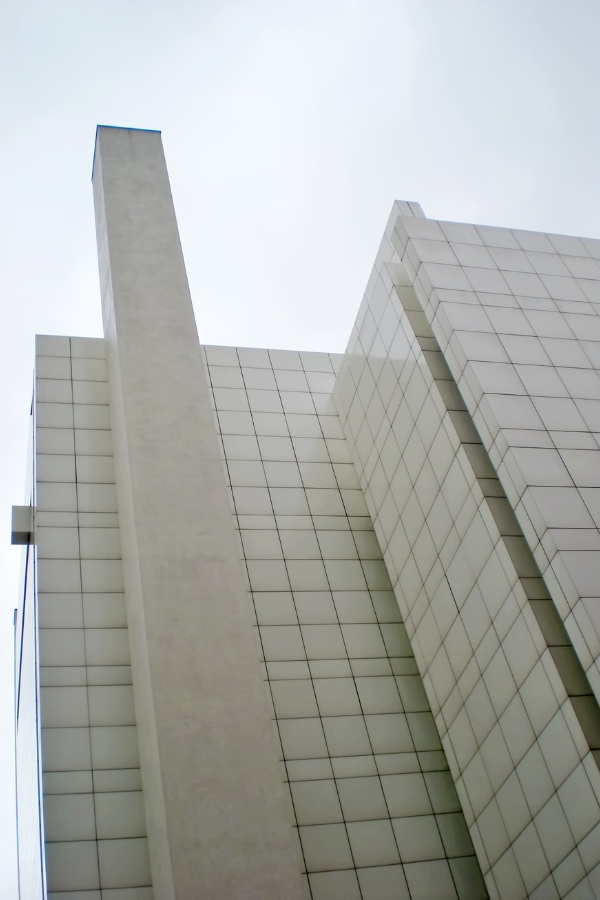
MACBA (Museum of Contemporary Art) anchors the Raval neighborhood with its striking white building and collection of contemporary works. The museum plaza attracts skateboarders and locals throughout the day.
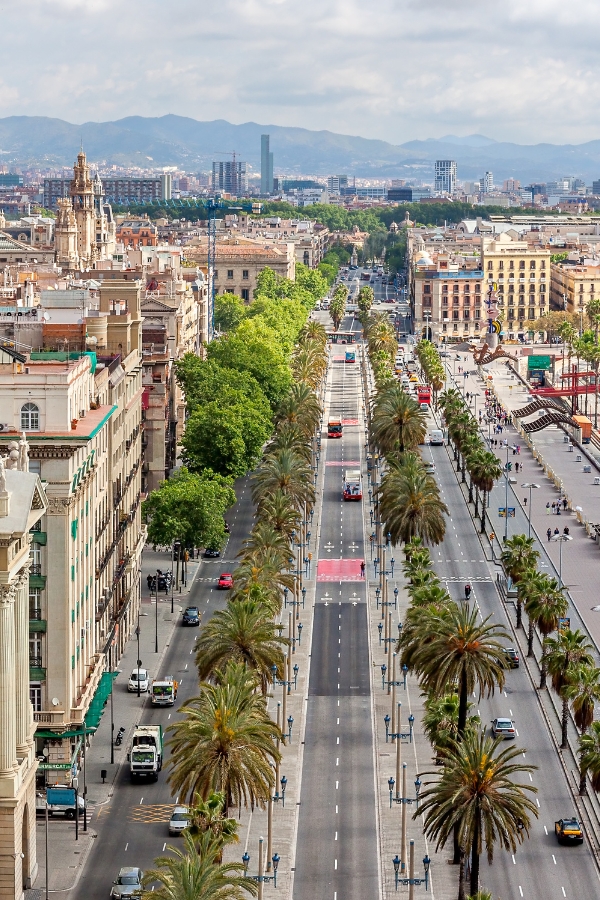
La Rambla stretches from Port Vell to Plaça de Catalunya, lined with flower stands, street performers, and historic buildings. The street includes stops at La Boqueria Market, where over 300 stalls sell everything from fresh seafood to exotic fruits across 2,583 square meters. Visit early in the morning to avoid crowds and find the best produce.
Palau de la Música Catalana combines modernisme architecture with world-class performances. Built in 1908 by Lluís Domènech i Montaner, this UNESCO World Heritage Site features stained glass, mosaics, and sculptures throughout its concert hall.
Parks and Panoramic Views
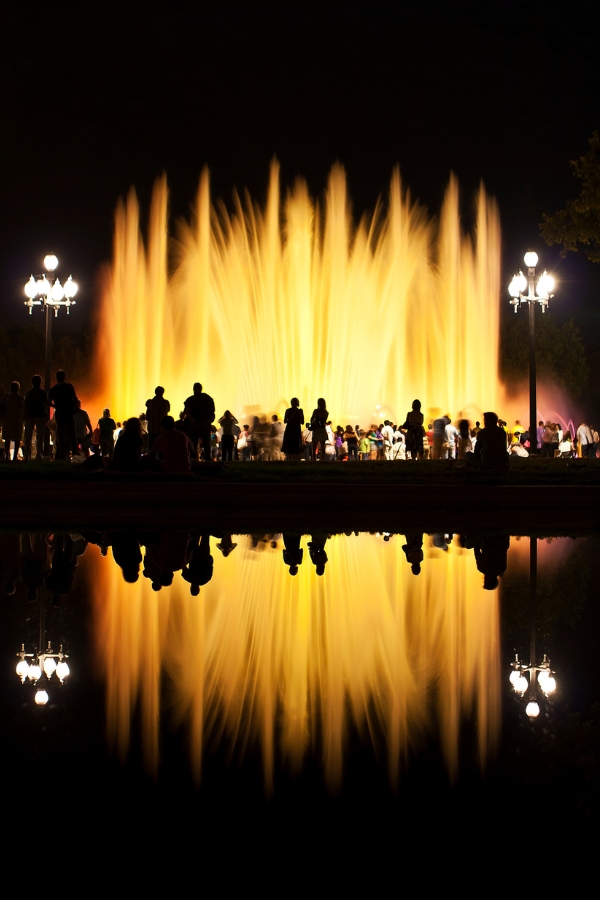
Montjuïc anchors Barcelona’s southwestern edge with multiple attractions across its hillside. Montjuïc Castle sits at the summit, offering 360-degree views of the port and city. The Magic Fountain of Montjuïc puts on light, music, and water shows designed by Carles Buïgas for the 1929 International Exposition. The fountain display becomes extra spectacular on New Year’s Eve during Festa de Cap d’Any.
Bunkers del Carmel provides the best free panoramic view in Barcelona. These former anti-aircraft batteries from the Spanish Civil War now serve as a popular sunset spot where you can see the entire city spread below, from the Sagrada Família to the Mediterranean Sea.
The hill also contains museums, gardens, and the Olympic Stadium from the 1992 games. You can reach the top by cable car, bus, or a steep walk up the winding paths.
Iconic Neighborhoods to Explore
Barcelona divides into distinct neighborhoods, each offering different architecture, food scenes, and local culture. From medieval alleyways to modernist boulevards, these barrios shape your Barcelona experience.
Gothic Quarter or Barri Gòtic
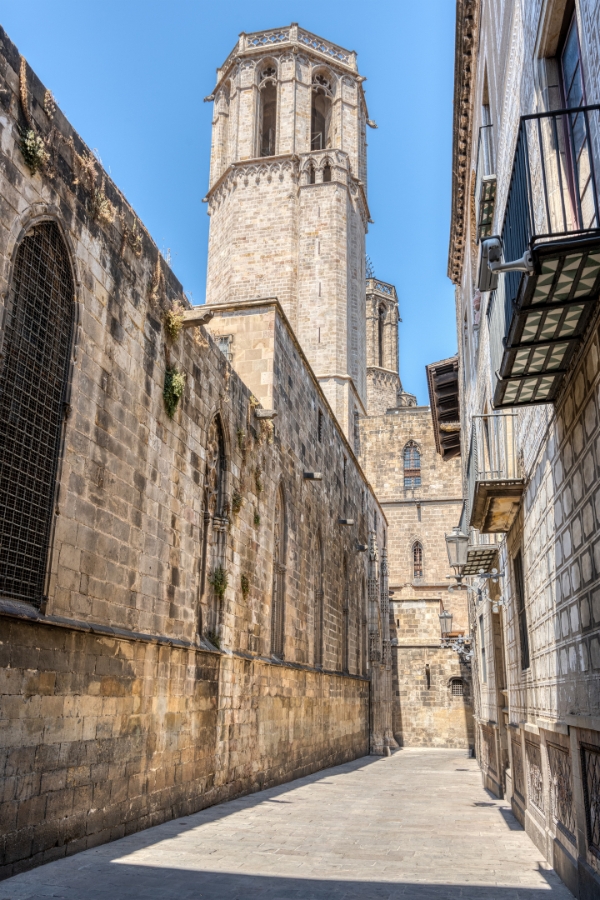
The Gothic Quarter sits at Barcelona’s historical heart. You’ll walk through narrow medieval streets where buildings date back to Roman times. The Barcelona Cathedral anchors this neighborhood, with its Gothic façade and peaceful cloister.
Plaça Sant Jaume serves as the political center, housing both the City Hall and the Catalan government palace. You can explore the ancient Roman walls and columns scattered throughout the quarter. The Jewish Quarter, or Call, features some of the narrowest streets in the city.
Key spots to visit:
- Barcelona Cathedral
- Plaça del Rei
- Roman Temple of Augustus
- Sant Felip Neri square
Plan to get lost in the winding streets. That’s part of the experience. Many restaurants near La Rambla target tourists, so walk deeper into the Barri Gòtic for better food at lower prices.
El Born and Ciutat Vella
El Born blends medieval charm with modern creativity. The Picasso Museum houses one of the most extensive collections of the artist’s early works. The Santa Maria del Mar basilica represents pure Catalan Gothic architecture, built in just 54 years during the 14th century.
The El Born Cultural Center sits on archaeological ruins that show daily life from 1700. You’ll find boutique shops along Carrer de l’Argenteria and galleries tucked into converted medieval buildings. The neighborhood’s tapas bars fill with locals, especially along Passeig del Born.
This area falls within Ciutat Vella, Barcelona’s old city district. The streets maintain their medieval layout, but the neighborhood feels less touristy than the Gothic Quarter. Markets like Santa Caterina offer fresh produce under a colorful wavy roof designed by Enric Miralles.
Passeig de Gràcia and Eixample
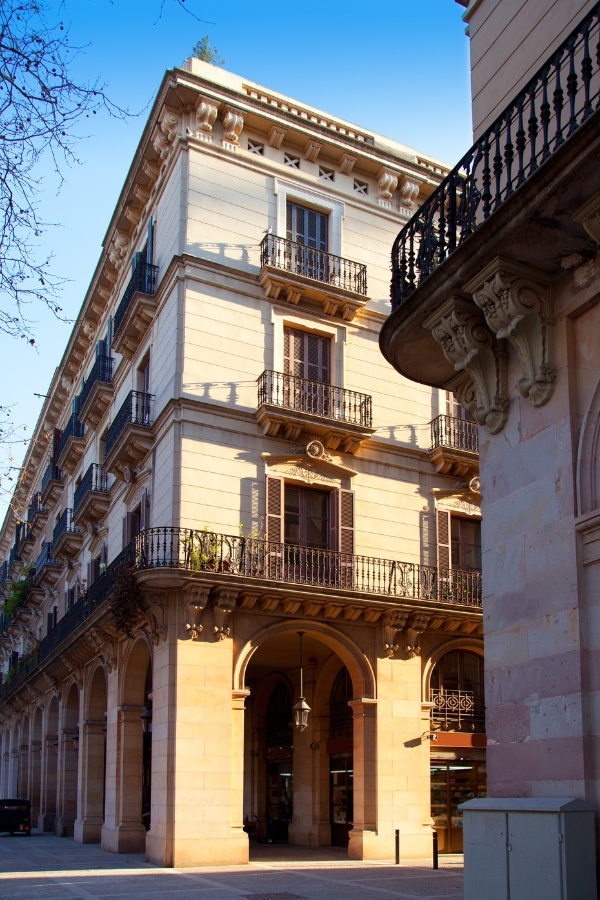
Eixample means “extension” in Catalan. This neighborhood was built in the late 1800s with wide streets arranged in a perfect grid. Passeig de Gràcia serves as the main boulevard, featuring luxury shops and three famous modernist buildings.
Gaudí’s masterpieces on one street:
- Casa Batlló (with its dragon-scale roof)
- Casa Milà (La Pedrera with its warrior-helmet chimneys)
- Casa Amatller (next to Casa Batlló)
The octagonal street corners create small plazas at each intersection. You’ll find restaurants and cafes at almost every corner. The neighborhood splits into Dreta (right) and Esquerra (left) sections. The Sagrada Família sits at Eixample’s eastern edge.
Shopping ranges from high-end boutiques to local shops. The streets follow a logical pattern, making navigation easier than in older neighborhoods.
El Raval and Gràcia
El Raval sits west of La Rambla. The MACBA (Museum of Contemporary Art) defines the neighborhood’s cultural scene, with skateboarders using the plaza as their unofficial park. The area mixes cultures, with Pakistani restaurants next to traditional tapas bars.
Carrer del Carme and Carrer de la Riera Baixa host vintage shops and independent boutiques. The neighborhood has rough edges in some sections, but it offers authentic Barcelona life. Bar Marsella has served absinthe since 1820.
Gràcia was its own town until 1897. It still feels separate from central Barcelona. You’ll find locals gathering in squares like Plaça del Sol and Plaça de la Virreina. The streets follow an irregular pattern, creating intimate plazas every few blocks.
What makes Gràcia different:
- Local resident vibe
- Small independent shops
- Plaza culture for socializing
- August’s Festa Major celebration
Park Güell sits at Gràcia’s edge, offering Gaudí’s colorful tile work and city views. The neighborhood attracts fewer tourists, so restaurant prices stay reasonable and menus often appear in Catalan first.
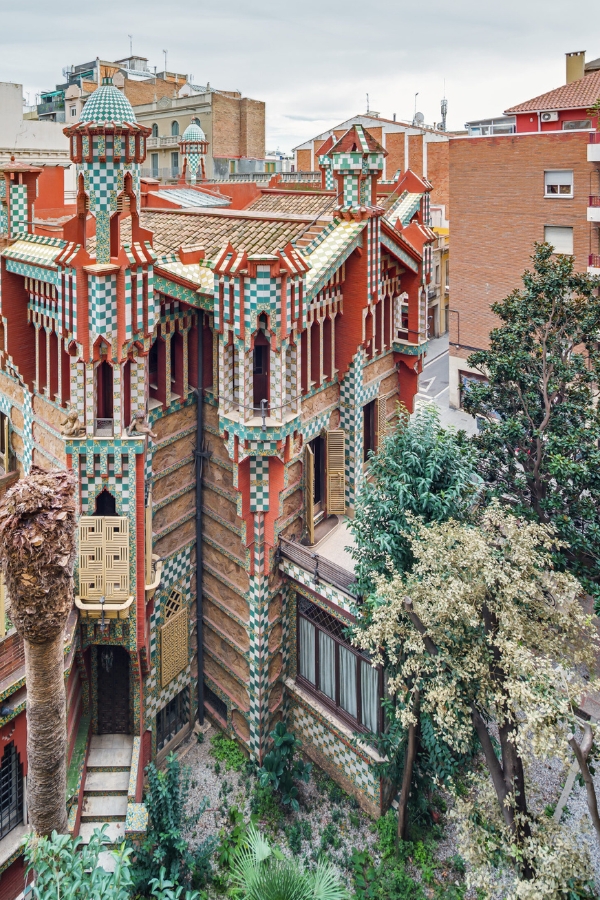
Barcelona’s Beaches and Waterfront
Barcelona offers over 4 kilometers of sandy beaches right within the city limits, plus easy access to stunning Mediterranean coastline. You’ll find everything from bustling urban beaches with beach bars to quieter spots perfect for swimming and water sports.
Barceloneta Beach and Port Vell
Barceloneta Beach is Barcelona’s most famous beach and sits just 15 minutes from Las Ramblas. The beach gets crowded during summer months, but you’ll find a lively atmosphere with volleyball games, beach bars, and street vendors selling drinks and snacks. The sand stretches along Passeig Maritim, a wide promenade perfect for walking, biking, or rollerblading.
Port Vell sits at the southern end of Barceloneta and features a renovated harbor area with restaurants and shops. You can spot Frank Gehry’s golden fish sculpture near the waterfront. The W Hotel’s sail-shaped building marks the beach’s northern end.
Beach bars called chiringuitos open during summer and serve cold beers and cocktails throughout the day. Several upscale venues like Opium and CDLC transition from restaurants to nightclubs after sunset. You can reach Barceloneta by taking the yellow metro line to the Barceloneta stop.
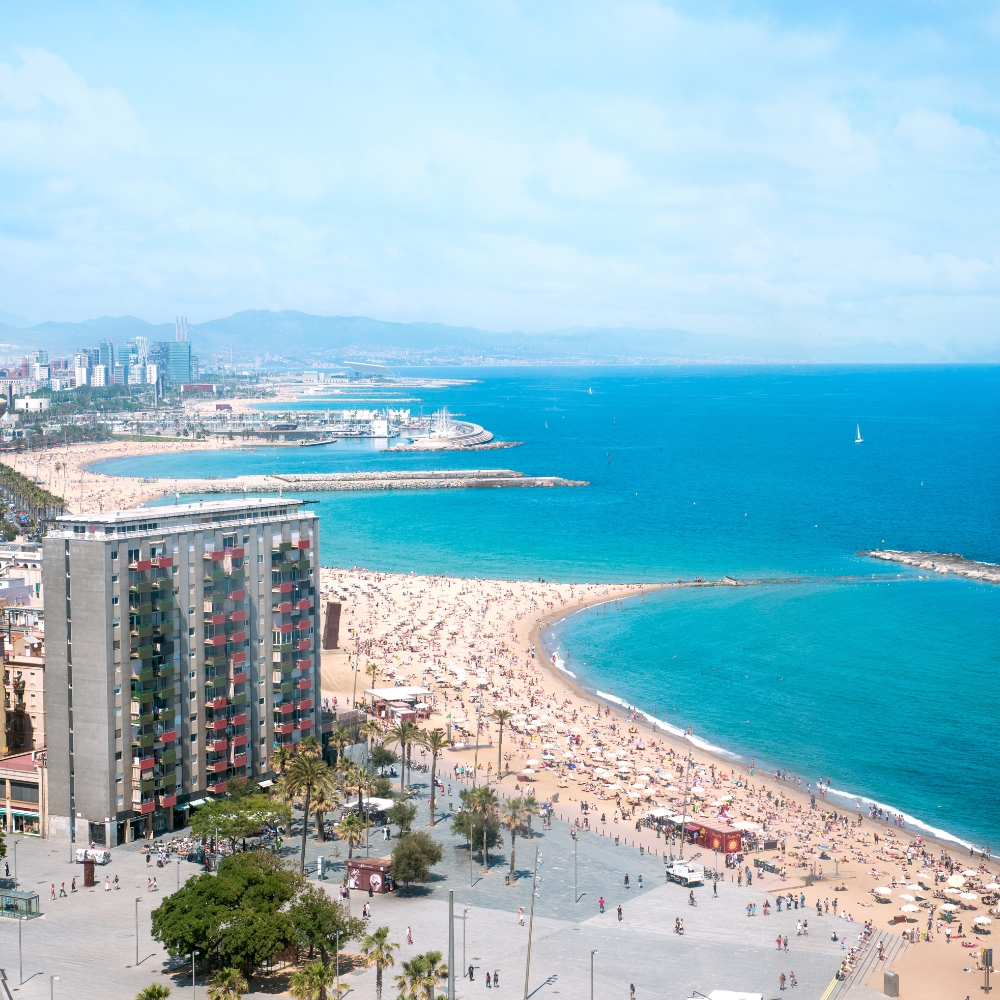
Barceloneta Beach
Bogatell Beach and Waterfront Activities
Bogatell Beach offers a more relaxed experience than Barceloneta and attracts more local visitors. The beach sits further north and features wider stretches of sand with less crowding. You’ll find volleyball nets set up by players and a table tennis table near the sand.
The beach has its own chiringuitos that serve food and drinks during peak season. Poblenou metro station provides the closest access, though many locals arrive by bike. The waterfront here works well for water sports like paddleboarding and kayaking.
Mar Bella Beach sits just beyond Bogatell and includes an official nudist section. This beach draws a younger crowd and hosts beach volleyball tournaments during summer. You can rent bikes near the beaches to explore the entire waterfront path.
Day Trips to Costa Brava
Costa Brava sits less than 90 minutes north of Barcelona by train or car. This coastline features dramatic cliffs, hidden coves, and clear blue water that’s cleaner than the city beaches. Popular towns include Tossa de Mar, Calella de Palafrugell, and Cadaqués.
Sitges offers the closest beach escape just 30 minutes south by train. The town has 17 Blue Flag beaches and a charming old quarter with narrow streets. You can visit Sitges as a half-day or full-day trip from Barcelona.
For the best beaches, head to small coves like Cala Montjoi or Sa Tuna where you’ll find crystal-clear water and rocky shores. Most Costa Brava beaches require a car to reach, though trains connect to larger towns along the coast.
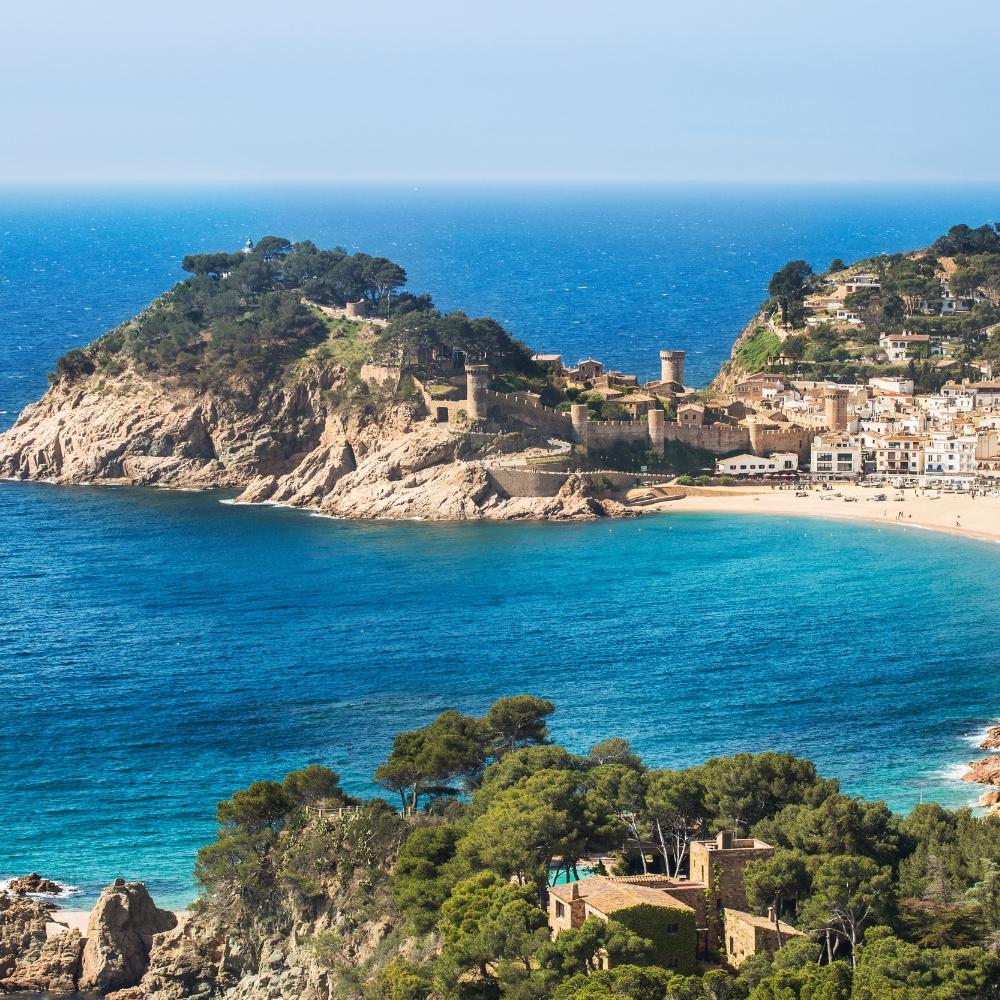
Tossa de Mar
Barcelona Food and Culinary Delights
Barcelona’s food scene blends traditional Catalan recipes with fresh Mediterranean ingredients available at historic markets and neighborhood tapas bars. You’ll find everything from simple tomato-rubbed bread to elaborate seafood rice dishes across the city’s diverse dining spots.
Essential Barcelona Dishes
- Patatas bravas top the list of must-try tapas. You’ll get crispy fried potato cubes served with spicy tomato sauce and creamy garlic aioli. Bar Tomás in Sarrià makes one of the best versions in the city.
- Pa amb tomàquet appears on every table. This simple Catalan staple combines toasted bread rubbed with ripe tomatoes, drizzled with olive oil, and sprinkled with salt. Many restaurants serve it as a side dish or base for cured meats.
- Croquetas offer a rich, creamy center wrapped in a crispy breadcrumb coating. The most popular fillings include jamón ibérico, cod, and wild mushrooms. Expect to pay €1.50-€3 per piece at casual tapas bars.
- Crema catalana provides the perfect finish to your meal. This custard dessert features a caramelized sugar top similar to crème brûlée but flavored with citrus and cinnamon. The crispy surface cracks under your spoon to reveal smooth custard underneath.
- Seafood paella and arroz negro showcase Barcelona’s coastal location. Order these rice dishes at beachfront restaurants in Barceloneta where chefs use the morning’s fresh catch.
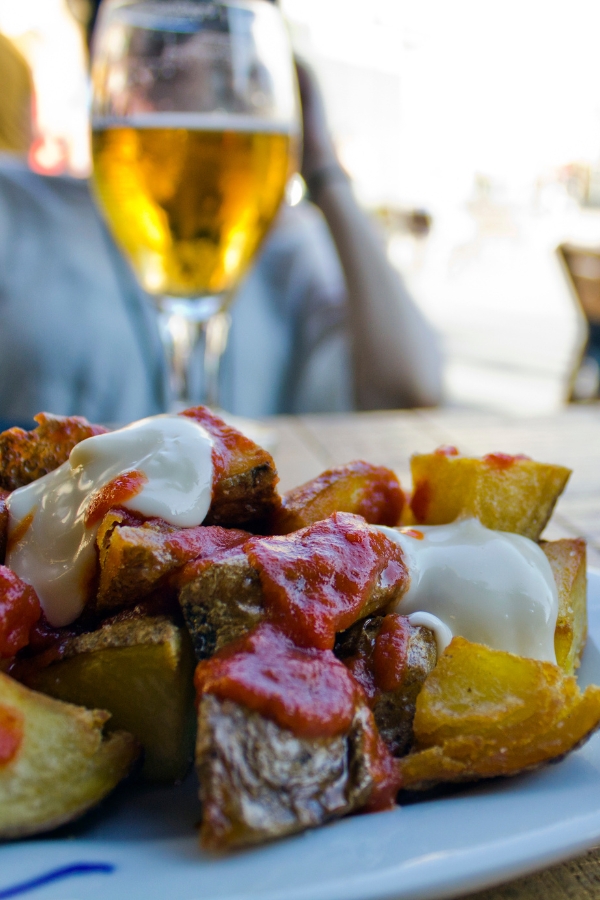
Patatas Bravas
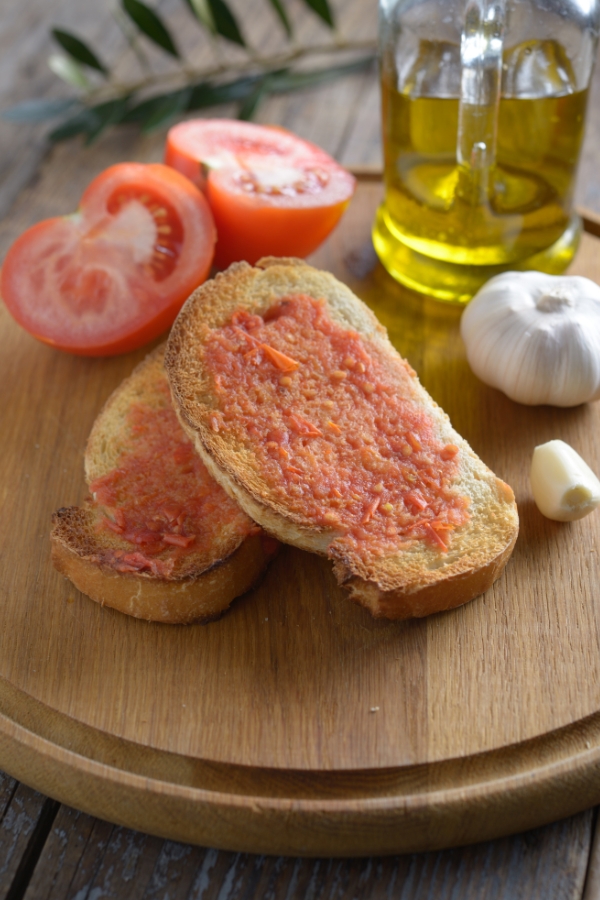
Pa amb tomàquet
Best Food Markets in the City
La Boqueria Market on La Rambla operates as Barcelona’s most famous food hall. Around 200 vendors sell jamón, fresh seafood, seasonal produce, and prepared foods. Arrive early to avoid crowds and get the best selection.
Mercat de Sant Antoni in L’Eixample gives you a more local experience. This renovated market offers a wider variety of groceries alongside traditional food stalls. You’ll find fewer tourists and better prices than La Boqueria.
Time Out Barcelona opened in 2024 as a modern food hall featuring multiple vendors under one roof. The space combines traditional Catalan dishes with contemporary takes on Barcelona food.
Visit markets in the morning when fishmongers display their daily catch on ice. Ask vendors what arrived that morning to plan your meals around the freshest ingredients.
Recommended Tapas Bars and Restaurants
- El Xampanyet in El Born serves classic tapas and house cava in a tile-covered space that hasn’t changed in decades. The bar fills quickly with locals, so arrive early or be prepared to stand.
- Can Paixano near Barceloneta offers cheap cava and simple tapas. You’ll squeeze into a crowded space where everyone stands shoulder-to-shoulder, but the lively atmosphere and low prices make it worth the chaos.
- El Nacional on Passeig de Gràcia houses four separate restaurants under one ornate roof. Each section specializes in different Spanish cuisines, from seafood to charcuterie to paella.
- Carrer de Blai in Poble Sec features an entire street of pintxos bars. Walk the block and grab small bites from multiple spots, paying based on the number of toothpicks on your plate.
- Can Solé in Barceloneta specializes in seafood paella and has earned its reputation over many decades. Book ahead for weekend dinners, especially if you want lobster paella.
Spanish and Catalan Cuisine
Catalan cuisine differs from broader Spanish cooking through its distinct combinations and techniques. You’ll notice sofregit (a base of slowly cooked onions and tomatoes) in many dishes, plus the liberal use of nuts, dried fruits, and alioli.
Jamón ibérico comes from acorn-fed pigs and represents one of Spain’s most prized ingredients. Specialty shops like Reserva Ibérica slice the ham paper-thin so it melts on your tongue. Pair it with Manchego cheese and a drizzle of honey.
Catalan meals follow a different rhythm than you might expect. Lunch runs from 2 PM to 4 PM and dinner starts at 9 PM or later. Look for menú del día at lunch—a two or three-course meal with a drink that offers excellent value.
The Mediterranean location means seafood dominates Barcelona menus. Grilled red shrimp, chipirones (small squid), and daily fish preparations appear alongside meat-based Catalan classics like botifarra amb mongetes (sausage with white beans).
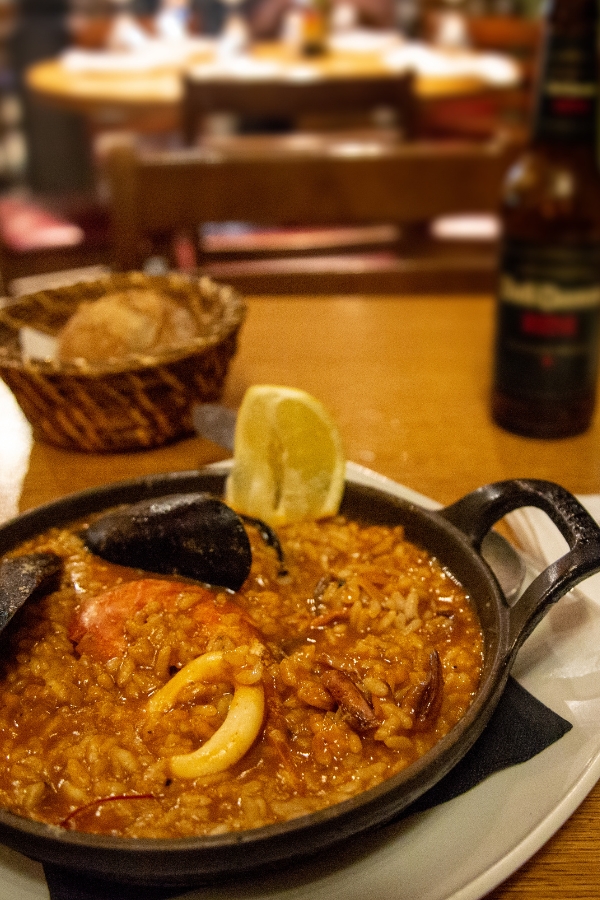
Catalan Paella
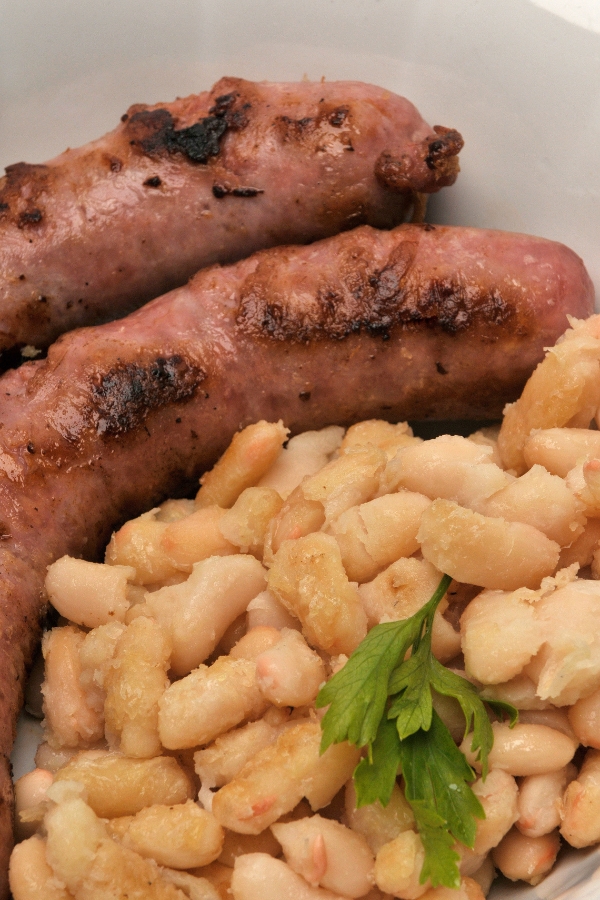
Botifarra amb Mongetes
Shopping in Barcelona
Barcelona gives you everything from luxury designer boutiques to centuries-old markets and independent artisan shops. The city’s shopping districts stretch from the elegant avenues near Plaça de Catalunya to the medieval streets of the Gothic Quarter, each offering a different retail experience.
Famous Shopping Streets
Passeig de Gràcia stands as Barcelona’s premier shopping destination. This wide boulevard features luxury brands like Chanel, Gucci, Louis Vuitton, and Prada alongside Spanish labels such as Loewe and Massimo Dutti. The street itself is an architectural showcase, with many stores housed in Modernist buildings including Casa Lleó Morera and Casa Amatller.
Avinguda del Portal de l’Àngel connects Plaça Catalunya to the Gothic Quarter and ranks among the city’s busiest shopping streets. You’ll find popular international brands like Zara, Mango, and Pull&Bear lining this pedestrian avenue.
La Rambla offers a different shopping experience focused more on souvenirs, street vendors, and the entrance to La Boquería Market. While the famous boulevard attracts many visitors, the side streets branching off provide better value and more authentic local shops.
Local Boutiques and Markets
El Born neighborhood features independent boutiques and artisan workshops tucked into narrow medieval streets. Local designers sell handmade jewelry, leather bags, and clothing you won’t find elsewhere. La Manual Alpargatera offers traditional espadrilles, while vintage shops like Artpironti provide unique second-hand finds.
Mercat de Sant Josep de la Boqueria, located just off Las Ramblas, remains Barcelona’s most famous food market. The 13th-century market sells Iberian ham, fresh seafood, seasonal fruit, and traditional sweets. You can pick up gourmet gifts like olive oil, saffron, or artisan chocolates.
Encants Flea Market, Barcelona’s oldest flea market with over 700 years of history, operates under a striking mirrored canopy. You’ll discover antiques, vintage clothing, retro furniture, and collectibles. The market opens on Mondays, Wednesdays, Fridays, and Saturdays, with public auctions happening early during weekdays.
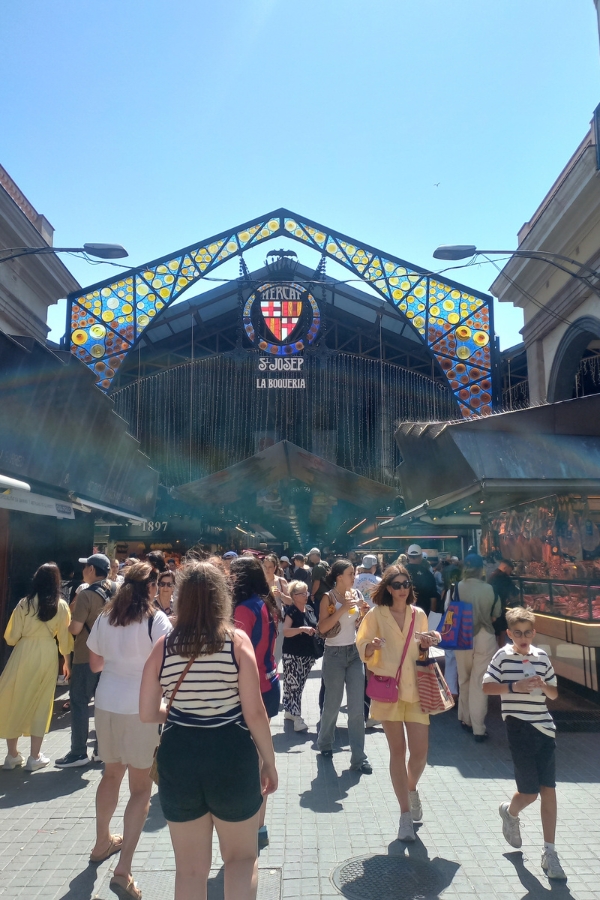
Entrance to La Boqueria June 2025
Tips for Shopping Enthusiasts
La Roca Village, located 40 minutes outside Barcelona, offers outlet shopping with discounts up to 60% on brands like BOSS, Michael Kors, and Prada. The Shopping Express bus from Estació del Nord includes round-trip transport, a VIP pass for extra discounts, and hands-free shopping service.
Best Shopping Times:
- Weekday mornings for markets and local shops
- Early week for Encants auctions
- December for Christmas markets at Fira de Santa Llúcia
Most shops in central Barcelona open around 10:00 AM and close between 8:00 PM and 9:00 PM. Department stores like El Corte Inglés maintain longer hours. Smaller boutiques may close for lunch between 2:00 PM and 4:00 PM, though this practice is becoming less common in tourist areas.
Maremagnum shopping center near Port Vell stays open every day of the year, including Sundays and holidays when other stores typically close.
Essential Barcelona Travel Tips
Barcelona is a bilingual city where language, cultural awareness, and practical money know-how can make your trip smoother. Understanding basic phrases, local customs, and how to handle currency will help you connect with the city and avoid common mistakes.
Language and Useful Catalan Phrases
Barcelona speaks two official languages: Spanish and Catalan. While most locals understand Spanish, Catalan is the preferred language in daily life, street signs, and official settings. Many people also speak English, especially in tourist areas, but learning a few Catalan phrases shows respect and helps you connect with locals.
Start with these useful Catalan phrases:
- Bon dia (bohn DEE-ah) – Good morning
- Bona tarda (BOH-nah TAR-dah) – Good afternoon
- Si us plau (see oos PLAU) – Please
- Gràcies (GRAH-see-es) – Thank you
- Perdoni (per-DOH-nee) – Excuse me
- Adéu (ah-DAY-oo) – Goodbye
Don’t worry if you make mistakes. Locals appreciate the effort. If you’re stuck, switching to Spanish works fine in most situations. Restaurant menus and metro signs appear in both languages, so you’ll be able to navigate without confusion.
Cultural Etiquette and Safety Advice
Barcelona is generally safe, but pickpocketing is common in crowded spots like La Rambla, the metro, and popular beaches. Keep your phone and wallet in front pockets or a crossbody bag. Avoid wearing expensive jewelry or leaving bags unattended.
Meals happen later here. Lunch runs from 2 PM to 4 PM, and dinner rarely starts before 9 PM. If you eat earlier, you’ll find mostly tourists at restaurants.
Dress modestly when visiting churches. Cover your shoulders and knees at the Sagrada Família and other religious sites. Walking around shirtless or in swimwear outside the beach is frowned upon and can result in fines.
Be mindful of noise, especially at night in residential areas. Locals value their space, and loud behavior can lead to fines up to €600. Treat the city with respect, and you’ll have a better experience.
Navigating Money and Local Currency
Spain uses the euro (€), and most places in Barcelona accept card payments. Contactless payment is common at shops, restaurants, and metro stations. However, some small cafés, local markets, and family-run restaurants prefer cash.
ATMs are easy to find, but watch out for high fees. Use machines from major banks like CaixaBank or Sabadell to avoid extra charges. Skip the currency conversion option on the ATM screen. It usually has a worse exchange rate than your home bank.
Tipping isn’t required but is appreciated. Rounding up the bill or leaving 5-10% at sit-down restaurants is standard. For coffee or quick snacks, leaving small change is enough.
Carry some cash for emergencies. Public restrooms sometimes require coins, and smaller vendors at markets may not take cards.